
Are you about to embark on a construction project or a home renovation? Choosing the right building materials is crucial for the success and longevity of any structure.
But where do you start? The answer lies in finding a reliable manufacturer of building materials. You need someone who not only supplies quality products but also understands your unique needs and challenges. This article will guide you through the essentials of selecting a manufacturer who can turn your vision into reality.
Discover how the right partnership can save you time, money, and stress, ensuring that your project stands the test of time. Stick around, and we'll reveal the key qualities to look for and how they can impact your build.
Leading Building Material Types
Understanding the leading building material types can greatly influence the success of your construction project. Each material plays a unique role in strength, durability, and overall design. Knowing their characteristics helps you make smarter choices that fit your specific needs and budget.
Cement And Concrete Products
Cement and concrete form the backbone of most structures. Concrete is a mixture of cement, sand, gravel, and water that hardens into a solid, durable mass. Its versatility allows you to create everything from foundations to decorative elements.
Choosing the right type of cement impacts how strong and long-lasting your build will be. Have you considered how different mixes can affect drying time and weather resistance? This knowledge can save you time and money.
Bricks And Blocks
Bricks and blocks are traditional materials that offer excellent thermal insulation and fire resistance. They come in various sizes, shapes, and materials like clay, concrete, or fly ash.
Using bricks can give your project a classic look, while blocks are often preferred for speed and cost efficiency. Would your design benefit more from aesthetic appeal or faster construction?
Wood And Timber
Wood remains a favorite for its natural beauty and flexibility. It’s easy to work with and can be used for framing, flooring, and finishes.
However, wood requires proper treatment to resist pests and moisture. How well do you understand the types of wood suited for your climate and structural demands?
Steel And Metal Components
Steel offers unmatched strength and is ideal for large-scale or industrial projects. Metal components like beams, rods, and panels support heavy loads and resist deformation.
Steel construction allows faster assembly and greater design freedom. Are you prepared to handle the costs and specialized skills required for metalwork?
Insulation Materials
Insulation keeps your building energy-efficient by controlling heat flow. Materials range from fiberglass and foam boards to eco-friendly options like cellulose.
Good insulation reduces energy bills and improves comfort. Have you considered which type fits your climate and building design best?

Credit: unicon.com.kw
Quality Standards And Certifications
Quality standards and certifications ensure building materials meet safety and performance needs. Manufacturers follow strict rules to guarantee durability and reliability. These standards protect builders, users, and the environment.
Industry Compliance
Manufacturers must follow industry laws and regulations. These rules cover material strength, fire resistance, and environmental impact. Compliance ensures products fit building codes and legal requirements. It also increases trust among architects and contractors.
Testing Procedures
Testing checks materials for quality and safety. Tests include:
- Strength and durability
- Water and fire resistance
- Environmental impact
Tests happen in labs using certified methods. Only materials passing tests receive approval for sale.
Sustainability Certifications
Green building is a priority today. Sustainability certifications prove eco-friendly practices. Common certifications include:
- LEED (Leadership in Energy and Environmental Design)
- ISO 14001 (Environmental Management)
- FSC (Forest Stewardship Council)
These certifications show materials reduce waste and pollution. They support energy saving and responsible sourcing.
Innovations In Building Materials
Innovations in building materials bring fresh ideas to construction. New materials improve strength, sustainability, and functionality. These advances help builders create safer and smarter structures. The focus lies on eco-friendly options, advanced composites, and smart components.
Eco-friendly Solutions
Eco-friendly building materials reduce environmental impact. They use recycled or natural ingredients. These materials lower carbon footprints during production and use. Examples include bamboo, recycled steel, and low-VOC paints. Such solutions help conserve resources and cut waste. Builders choose these materials for greener, healthier buildings.
Advanced Composite Materials
Composite materials combine two or more substances to create strong, lightweight products. These materials resist weather, corrosion, and wear better than traditional ones. Fiberglass, carbon fiber, and polymer composites are common examples. They improve building durability and reduce maintenance costs. Composites offer flexibility in design and enhance performance.
Smart Building Components
Smart components integrate technology into building materials. They adjust to temperature, light, or humidity changes automatically. Examples include self-healing concrete and energy-efficient windows. These materials improve comfort and reduce energy use. Smart components support modern buildings that adapt to their environment.
Benefits Of Trusted Manufacturers
Choosing a trusted manufacturer for your building materials can change the entire outcome of your project. It’s not just about buying products; it’s about investing in quality, support, and long-term value. Reliable manufacturers bring more than just materials—they offer peace of mind and confidence in every brick, beam, or tile you use.
Durability And Reliability
Trusted manufacturers produce materials that stand the test of time. Their products go through strict quality checks, ensuring they don’t fail prematurely. You avoid costly repairs and replacements because the materials hold up well under stress and environmental factors.
Think about the last time you faced delays due to faulty materials. Wouldn’t it be better to avoid that headache? Reliable manufacturers deliver consistent quality that helps your project finish on schedule and within standards.
Cost Efficiency
It might seem cheaper to pick low-cost materials from unknown sources, but hidden costs often appear later. Trusted manufacturers offer products that reduce waste and lower maintenance expenses. You pay more upfront but save on repairs, replacements, and downtime.
Have you ever calculated the total cost of using subpar materials? It’s usually higher than buying quality from the start. By choosing a reputable manufacturer, you get better value for your money over the long haul.
After-sales Support
Good manufacturers don’t just sell you products and disappear. They provide ongoing support, helping you solve issues quickly. Whether it’s technical advice or warranty claims, having a reliable contact can save you time and stress.
Imagine discovering a problem weeks after installation. Wouldn’t it help to have a manufacturer ready to assist immediately? Trusted suppliers stand behind their products, making your job easier and your results better.
Custom Solutions For Diverse Projects
Manufacturers of building materials offer custom solutions that meet the needs of many project types. These solutions ensure the right materials fit each unique plan. Custom options improve quality and efficiency. They allow builders to achieve specific goals without compromise.
Adapting materials for diverse projects helps save time and reduce waste. Tailored products enhance durability and performance. They provide the exact specifications that every project demands.
Residential Construction
Custom building materials support varied home designs. They match styles and budgets easily. Builders use these materials to improve comfort and safety. Options like insulated panels and specialty bricks suit different climates. Custom colors and textures help homes stand out. These materials also simplify maintenance for homeowners.
Commercial Developments
Commercial projects require materials that handle heavy use and large spaces. Custom solutions include reinforced concrete and energy-efficient panels. These materials meet strict building codes and sustainability goals. They help create functional, appealing office, retail, and industrial spaces. Custom finishes improve aesthetics and brand identity. Reliable materials reduce downtime and repair costs.
Infrastructure Projects
Infrastructure needs strong, long-lasting materials. Custom concrete mixes and corrosion-resistant metals are common choices. These materials withstand harsh weather and heavy loads. Tailored solutions improve safety for roads, bridges, and tunnels. They also support quick installation and easy repairs. Durable materials extend the life of public works projects.
Supply Chain And Delivery Services
Effective supply chain and delivery services are the backbone of any manufacturer of building materials. They ensure your projects stay on schedule and within budget by providing reliable access to the materials you need. Understanding how these services work can help you choose the right partner and avoid costly delays.
Timely Logistics
Timely logistics means getting your materials exactly when you need them, not too early and not too late. A manufacturer with efficient logistics plans routes carefully, avoiding common pitfalls like traffic or customs hold-ups. Have you ever faced a project delay because a shipment arrived late? That’s why precise timing matters so much.
Some companies use real-time tracking systems so you can monitor your delivery every step of the way. This transparency helps you prepare your team and avoid downtime. Don’t settle for vague delivery windows—ask your supplier how they ensure punctuality.
Inventory Management
Good inventory management means the manufacturer keeps just the right amount of stock to meet your demands without excess waste. This balance reduces costs and prevents the frustration of out-of-stock materials. Think about how often your project was held up waiting for a special order—better inventory control can fix that.
Many manufacturers use software to forecast demand and adjust inventory dynamically. This approach means they can respond quickly to changes in your orders or market conditions. Ask if your supplier uses such systems to support your project’s flexibility.
Global Reach
Having a global reach means a manufacturer can source and deliver materials from multiple regions, giving you access to a wider variety of products. This can be especially useful if you need specialized or rare building materials. Imagine needing a unique type of stone only available halfway across the world—global logistics make that possible.
Global delivery networks also offer alternative routes and suppliers during disruptions like natural disasters or political unrest. This reduces the risk of your project stalling. Do you know where your materials come from and how they get to your site? Understanding this can improve your planning and reduce surprises.
Choosing The Right Manufacturer
Choosing the right manufacturer for building materials is crucial for any construction project. The quality of materials affects the durability and safety of the structure. Selecting a reliable manufacturer ensures consistent supply and reduces the risk of delays. It also helps maintain budget control and meet project standards.
Evaluating Product Quality
Start by checking the materials' certifications and standards. Quality products last longer and perform better under stress. Inspect samples if possible to see the texture and finish. Ask about the production process to understand how materials are made. A manufacturer that follows strict quality control delivers better products.
Customer Reviews And Testimonials
Reviews offer real insights from past buyers. Positive feedback shows satisfaction and trust in the manufacturer. Look for detailed testimonials about product performance and customer service. Watch for recurring issues or complaints that may raise concerns. Reliable manufacturers welcome feedback and respond promptly.
Price Vs. Value
Low prices may seem attractive but can hide poor quality. High-quality materials might cost more but save money over time. Consider durability, warranty, and after-sales support. Value means getting the best balance of cost and quality. Choose manufacturers who are transparent about pricing and product benefits.
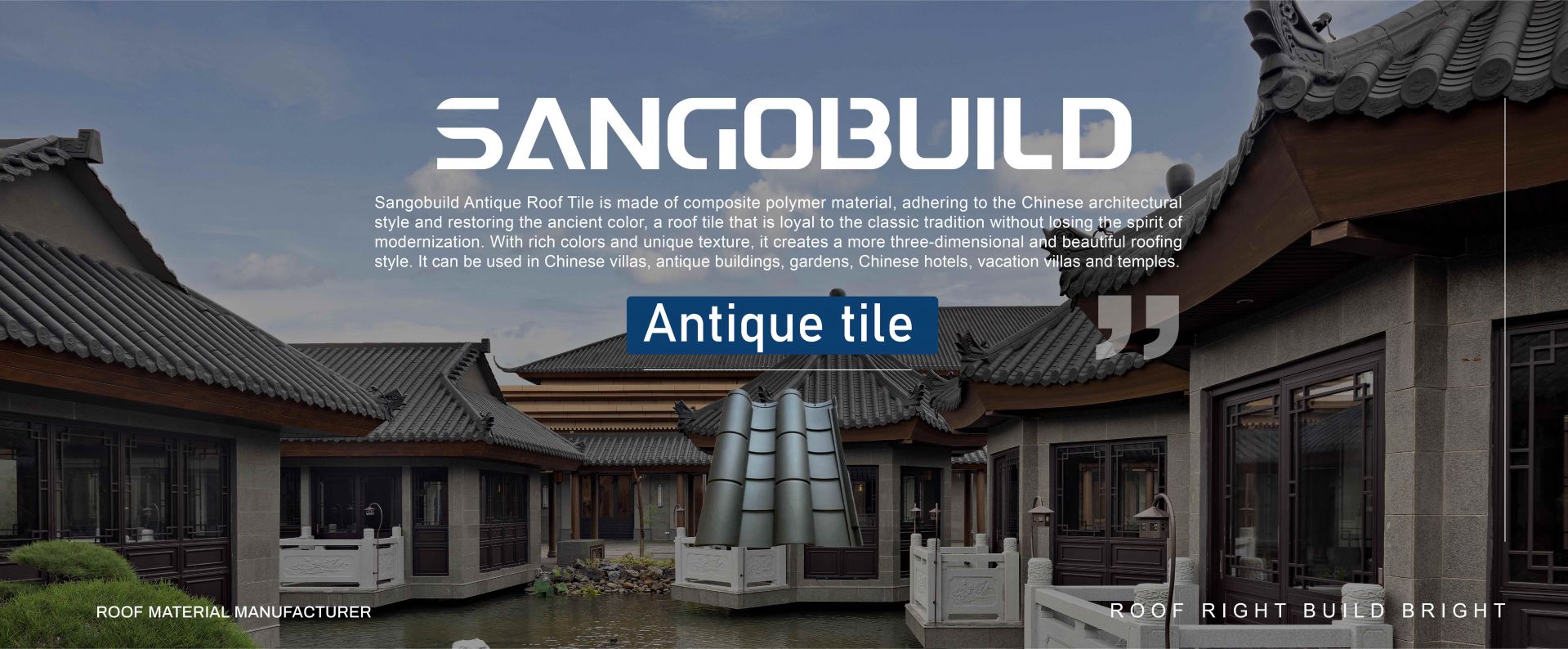
Credit: www.sangobuild.com

Credit: www.sunway.com.my
Frequently Asked Questions
What Types Of Building Materials Do Manufacturers Produce?
Manufacturers produce a wide range of materials including cement, bricks, steel, glass, and insulation. These materials are essential for construction projects.
How To Choose The Right Building Material Manufacturer?
Look for manufacturers with quality certifications, good reviews, competitive pricing, and reliable delivery. This ensures material durability and project success.
Why Is Quality Important In Building Materials Manufacturing?
High-quality materials ensure structural safety, longevity, and compliance with building codes. Poor quality can lead to costly repairs and safety hazards.
What Are Sustainable Building Materials Manufacturers Offering?
Sustainable manufacturers provide eco-friendly options like recycled steel, bamboo, and low-VOC paints. These reduce environmental impact and promote green building practices.
Conclusion
Choosing the right manufacturer of building materials matters a lot. Quality products make construction safer and stronger. Reliable suppliers help keep projects on time and budget. Good materials also improve the look and feel of buildings. Trustworthy manufacturers follow strict standards and use strong ingredients.
This ensures durability and long-lasting results. Whether for small repairs or big projects, quality matters. Always check for certifications and reviews before buying. Solid materials help create better homes and structures for everyone.