

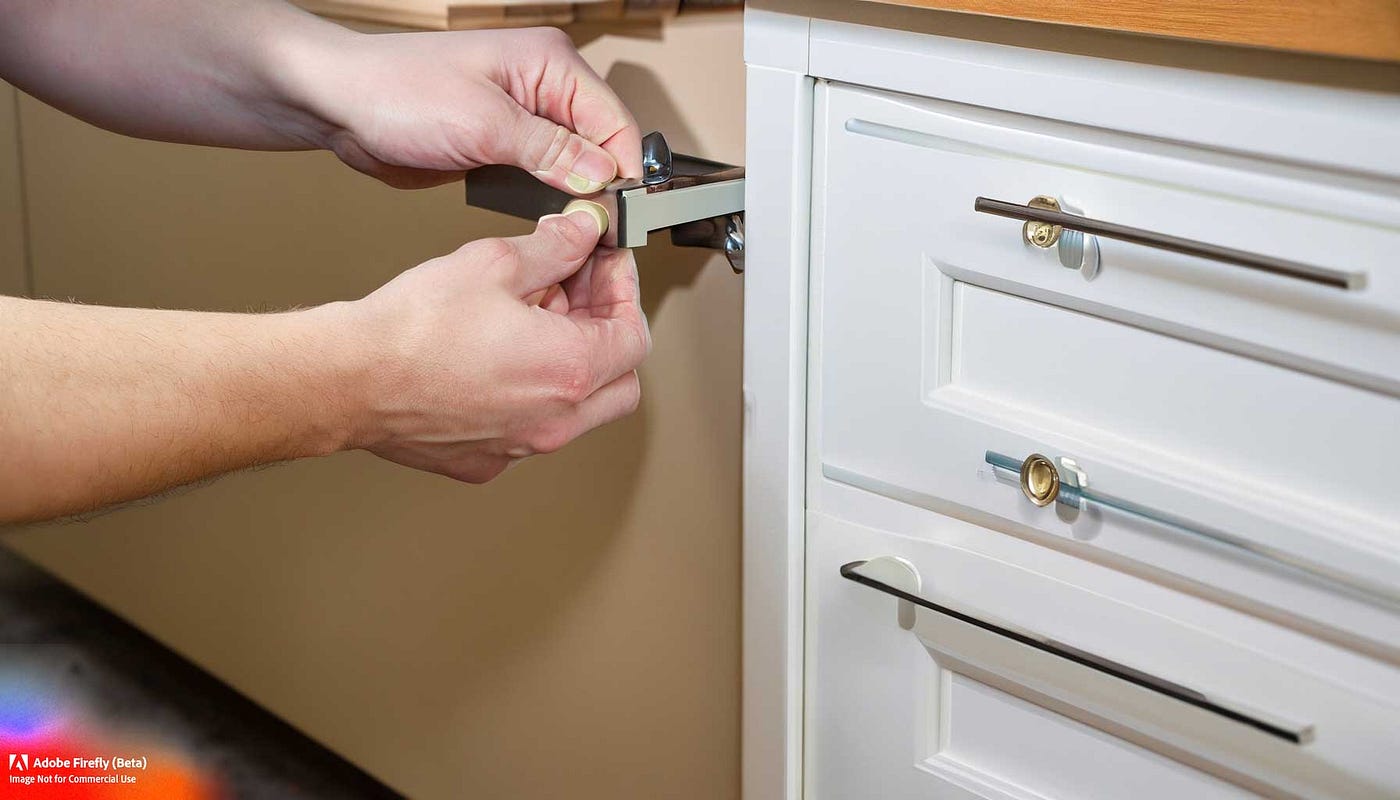
Are your cabinets looking a bit plain or outdated? Installing cabinet handles is a simple change that can make a big difference in the look and feel of your space.
Whether you're updating your kitchen, bathroom, or any room with cabinets, the right handles can add style and improve functionality. You might think this task is tricky, but with the right steps, you can do it yourself quickly and easily.
Keep reading, and you’ll discover how to choose the perfect handles and install them like a pro—no special skills needed!
Choosing The Right Handles
Selecting the right cabinet handles is key for both style and function. The right handles make your cabinets easier to use and look better.
Think about the style, material, and finish of the handles to match your space. Good choices improve the whole room’s look.
Types Of Cabinet Handles
There are many types of cabinet handles. Each type fits different cabinet styles and uses.
- Knobs: Small and round, easy to install and use.
- Pulls: Long handles that you grab to open cabinets.
- Bar Handles: Straight bars that give a modern look.
- Edge Pulls: Fit on the edge of the cabinet door.
Choose a type that feels comfortable and fits your cabinet design.
Materials And Finishes
Cabinet handles come in many materials. Each material has a different look and strength.
- Metal: Durable and classic, includes brass, chrome, and stainless steel.
- Wood: Adds warmth and natural feel.
- Plastic: Affordable and comes in many colors.
- Ceramic: Decorative with patterns or colors.
Finishes affect how handles look and resist wear. Popular finishes include matte, shiny, and brushed.
Matching Handles With Decor
Match your cabinet handles to your room’s style. This keeps the look balanced and nice.
For modern rooms, choose sleek metal handles. For rustic styles, wood or bronze works well.
- Modern: Clean lines and metal finishes.
- Traditional: Detailed designs and warm metals.
- Rustic: Natural wood or aged metal.
- Minimalist: Simple shapes with matte finishes.

Credit: www.youtube.com
Tools And Materials Needed
Installing cabinet handles is a simple task with the right tools. Getting prepared makes the job faster and easier.
This guide covers all tools and materials you need to install cabinet handles correctly.
Essential Tools
You need a few basic tools to start installing cabinet handles. These tools help you drill holes and attach the handles securely.
- Electric drill or screwdriver
- Drill bits matching screw size
- Measuring tape or ruler
- Center punch for marking holes
- Level to keep handles straight
Measuring Supplies
Accurate measuring tools help place handles evenly. This improves the look and function of your cabinets.
| Tool | Purpose |
| Measuring tape | Measure handle spacing and cabinet door size |
| Ruler or straight edge | Mark precise points for drilling holes |
| Center punch | Create small marks to guide the drill |
| Level | Ensure handles are installed straight |
Additional Materials
You also need some extra materials to finish the job cleanly and safely.
- Cabinet handles with screws included
- Masking tape to protect cabinet surface
- Cleaning cloth to wipe dust and fingerprints
- Wood filler for fixing any mistakes
- Safety glasses to protect your eyes
Preparing Your Cabinets
Before installing new cabinet handles, prepare the cabinets properly. This helps the handles fit well and last longer.
Preparation includes cleaning, removing old handles, and checking the cabinet surface for damage.
Cleaning And Clearing
Clean your cabinets to remove dust, grease, and dirt. This lets the new handles stick better and look nice.
Use a mild cleaner and a soft cloth. Avoid harsh chemicals that can damage the cabinet finish.
- Wipe all cabinet surfaces where handles will go.
- Let the cabinets dry completely before moving on.
- Clear the area around cabinets for easy access.
Removing Old Handles
Take off old handles carefully to avoid damage. Use a screwdriver that fits the screws well.
Keep the screws if you want to reuse them or need to fill the holes later.
- Unscrew all old handles slowly.
- Remove any leftover glue or residue.
- Save screws in a container for later use.
Inspecting Cabinet Surface
Check the cabinet surface for cracks or damage where handles were attached.
Fix any problems before installing new handles. Smooth surfaces help handles fit properly.
- Look for chipped paint or broken wood.
- Fill small holes or dents with wood filler.
- Sand rough areas to make the surface even.

Credit: atelierdeluxe.online
Measuring And Marking
Installing cabinet handles needs careful measuring and marking. Correct placement keeps your cabinets looking neat. It also makes handles comfortable to use.
Use a pencil and ruler to mark spots before drilling. This helps avoid mistakes and damage to your cabinets.
Determining Handle Placement
First, decide where to put the handles. Most cabinets have a standard spot. For drawers, place handles in the center. For doors, place handles near the edge.
- Measure the height and width of the cabinet door or drawer.
- Find the center point for drawers.
- For doors, measure about 2 inches from the edge.
- Mark the spot lightly with a pencil.
Marking Drill Points
After finding the handle spot, mark where to drill holes. Most handles need two screws. Measure the distance between the screw holes on the handle. Transfer these measurements to the cabinet.
| Handle Size | Distance Between Holes (inches) | Marking Method |
| Small | 3 | Measure and mark two points evenly spaced |
| Medium | 4 | Use handle as a template to mark holes |
| Large | 5 | Use a ruler and pencil to mark exact points |
Ensuring Consistency
Keep all handles at the same height and position. This makes your cabinets look uniform and tidy. Use a tool or guide to help mark all cabinets the same way.
Here are tips to keep your marks consistent:
- Use a measuring jig or template for each handle.
- Mark all cabinets before drilling any holes.
- Double-check measurements with a level or ruler.
- Work slowly and carefully to avoid mistakes.
Drilling Holes
Installing cabinet handles requires precise drilling. You must drill holes that fit the screws exactly. Careful drilling helps your handles stay secure and look neat.
This guide covers choosing drill bits, drilling methods, and how to avoid damage to your cabinets.
Choosing The Right Drill Bit
Select the correct drill bit to match your handle screws. Most cabinet handles use either 3mm or 4mm screws. Use a bit slightly smaller than the screw diameter to ensure a tight fit.
- Use a brad point bit for wood cabinets to prevent slipping.
- Choose a metal drill bit for metal or composite doors.
- Check the screw size before picking the drill bit.
- Use a drill bit guide or template for accuracy.
Drilling Techniques
Hold the drill steady and perpendicular to the cabinet surface. Mark the hole spots with a pencil or tape before drilling. Start drilling slowly to avoid slipping.
- Measure and mark hole positions carefully.
- Place masking tape on the drill spot to reduce wood splintering.
- Use a drill stop or tape on the bit to control hole depth.
- Drill straight and steady without forcing the bit.
- Clean out wood dust from holes before installing screws.
Avoiding Damage
| Common Problem | How to Avoid |
|---|---|
| Splitting wood | Drill pilot holes and use masking tape |
| Drill bit slipping | Use brad point bits and mark spots clearly |
| Drilling too deep | Use drill stop or tape as depth guide |
| Damaging cabinet finish | Apply painter’s tape around drill area |
Taking these steps protects your cabinets and results in neat holes. Proper drilling makes handle installation easier and lasts longer.

Credit: www.vevor.ca
Installing Handles
Installing cabinet handles can make your kitchen look fresh. This guide will help you do it right.
With a few simple tools, you can install handles on your cabinets. Follow these steps to ensure a secure fit.
Aligning Handles
First, decide where you want your handles. Use a ruler to mark the spots.
Make sure the handles are level and evenly spaced. This will give your cabinets a neat look.
- Measure from the edge of the door
- Use a template for perfect alignment
- Mark with a pencil before drilling
Securing Screws
Drill holes where you marked the spots. Use a drill bit that matches the size of your screws.
Insert the screws through the holes on the back of the cabinet door. Tighten them with a screwdriver.
- Choose screws that fit your handle size
- Use a screwdriver for better control
- Do not over-tighten to avoid damage
Checking Stability
Once the handles are in place, check their stability. Gently pull on each handle to ensure they are secure.
If any handle feels loose, tighten the screws. This will ensure your handles stay in place.
- Check each handle for movement
- Tighten any loose screws
- Make sure all handles are aligned
Finishing Touches
Installing cabinet handles can change the look of your kitchen or bathroom. The final touches make everything come together perfectly.
After securing the handles, focus on details to ensure a polished appearance. This includes cleaning, testing, and styling.
Cleaning Up
Cleaning is important after installing cabinet handles. It removes fingerprints and dust.
Use a soft cloth and gentle cleaner. Avoid harsh chemicals to protect finishes.
- Wipe handles and surrounding areas
- Check for any leftover debris
- Ensure all screws are tightened
Testing Functionality
Once cleaned, test the handles for functionality. This ensures they are secure and easy to use.
Open and close each cabinet door to check for smooth movement. Listen for any unusual sounds.
- Check each handle for stability
- Ensure doors open without resistance
- Fix any loose handles immediately
Styling Tips
Styling handles can add a personal touch to your cabinets. Match them with other hardware in the room.
Consider the overall theme of your space. This helps in creating a cohesive look.
- Choose handles that complement your decor
- Mix and match styles for a unique look
- Experiment with different finishes for contrast
Frequently Asked Questions
How Do I Choose The Right Cabinet Handles?
Choose handles based on cabinet style and size. Consider material, finish, and comfort. Match handles with room décor for a cohesive look.
What Tools Are Needed For Cabinet Handle Installation?
You need a drill, screwdriver, measuring tape, pencil, and screws. A level helps ensure straight placement. These tools make installation easy and precise.
How Do I Measure For Cabinet Handle Placement?
Measure handle spacing from the cabinet edge or center. Use a ruler or template for accuracy. Consistent measurement ensures uniformity and professional results.
Can I Install Cabinet Handles Without Drilling?
Yes, adhesive handles are available but less durable. Drilling provides a secure, long-lasting fit. Choose adhesive only for light use or temporary solutions.
Conclusion
Installing cabinet handles can change the look of your space fast. Choose handles that fit your style and needs. Measure carefully before drilling holes to avoid mistakes. Use the right tools to make the job easier and safer. Take your time to align handles evenly on all cabinets.
A small upgrade like this adds charm and function to your kitchen or bathroom. Enjoy the fresh look and improved grip every day. Simple steps lead to a neat and polished result. Give your cabinets a quick, easy makeover today.

