
Are you worried about the safety of your home or office? Installing a lock on your door is one of the simplest and most effective ways to protect what matters most to you.
But where do you start? What tools do you need? And how can you make sure the lock fits perfectly and works smoothly? You will find clear, step-by-step instructions that anyone can follow. By the end, you’ll have the confidence to secure your door yourself, saving time and money while boosting your peace of mind.
Keep reading—your safety is worth it.
Choosing The Right Lock
Installing a lock on your door keeps your home safe. Picking the right lock is important for security and ease of use.
This guide explains different lock types and what to think about before buying one.
Types Of Door Locks
There are many door locks. Each works in a different way and offers different security levels.
- Deadbolt locks: Strong and used on exterior doors.
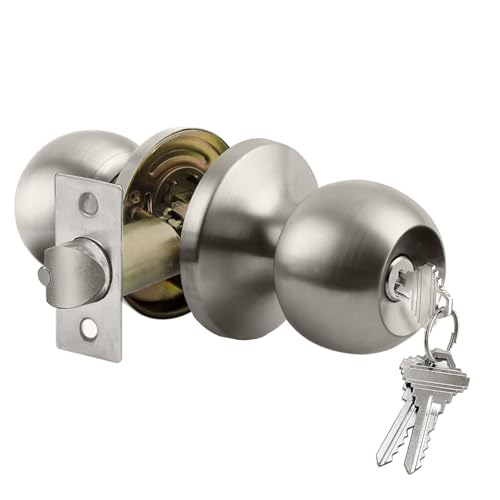
- Knob locks: Common but less secure, often paired with deadbolts.
- Lever handle locks: Easy to use, good for people with limited hand strength.
- Padlocks: Portable and used for gates or lockers.
- Mortise locks: Fit into a pocket in the door, very sturdy.
Smart Locks Vs Traditional Locks
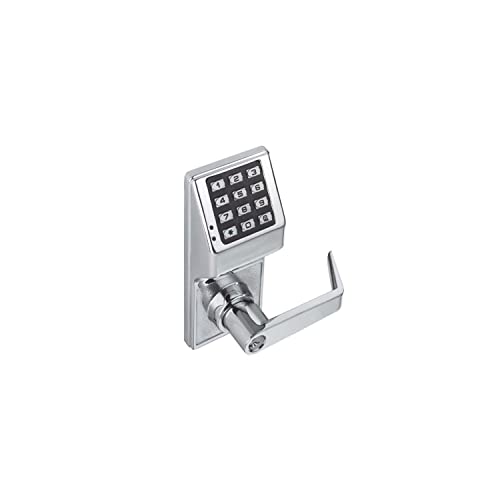
Smart locks use technology for keyless entry. Traditional locks use keys or manual combinations.
| Feature | Smart Locks | Traditional Locks |
| Key Type | Digital code or app | Physical key |
| Access Control | Remote and multiple users | Single user key |
| Power Source | Batteries | None |
| Installation | May require tech setup | Simple mechanical |
| Price | Higher cost | Lower cost |
Factors To Consider
Choose a lock based on your door type, security needs, and budget. Also, think about ease of use for everyone in your home.
- Security level needed for the area
- Durability and material of the lock
- How easy it is to install and use
- Cost and maintenance over time
- Compatibility with your door
Credit: surelockkey.com
Tools And Materials Needed
Installing a lock on a door needs the right tools and materials. Using proper items helps the job go smoothly.
This guide lists what you need to install a door lock safely and correctly.
Essential Tools
You need some basic tools to fit a lock on your door. These tools help you measure, drill, and fix the lock parts.
- Power drill with drill bits
- Screwdriver set (flathead and Phillips)
- Tape measure
- Pencil or marker
- Chisel
- Hammer
- Level
- Safety glasses
Lock Components
A lock kit usually comes with all parts needed to secure the door. Know the parts before you start.
- Lock body or latch
- Strike plate
- Door handles or knobs
- Lock cylinder or keyhole
- Screws for assembly
- Keys (if included)
Safety Gear
Wear safety gear to protect yourself while installing the lock. This prevents injuries from tools and dust.
- Safety glasses to protect eyes
- Work gloves to protect hands
- Dust mask if drilling into wood or metal
Preparing The Door
Installing a lock on a door needs careful preparation. Proper steps help the lock fit well and work smoothly.
Start by getting the door ready. This makes the installation easier and safer.
Measuring And Marking
Measure the door to find the exact spot for the lock. Mark the spots clearly with a pencil.
Check the lock instructions for the right height and distance from the edge of the door.
- Measure the height from the floor to the lock position
- Mark the center point on the door edge
- Mark the holes for the lock cylinder and latch
Drilling Holes
Drill holes on the marks you made. Use the correct drill bit size for your lock parts.
Drill slowly and keep the drill straight. This avoids damage and makes the lock fit perfectly.
- Use a drill bit that matches the lock cylinder size
- Drill a hole through the door face first
- Drill a hole on the door edge for the latch
- Clean out wood dust after drilling
Checking Door Alignment
Make sure the door lines up well with the frame. The lock should close and latch easily.
Adjust the door or frame if needed to avoid problems with the lock later.
- Close the door and check the gap around the edges
- Look at the strike plate position on the frame
- Use shims or hinges to fix alignment issues
Step-by-step Installation
Installing a lock on your door adds security and peace of mind. This guide explains the process clearly. Follow the steps carefully for a proper fit.
Make sure you have the right tools ready. These include a screwdriver, drill, measuring tape, and pencil for marking.
Installing The Lock Mechanism
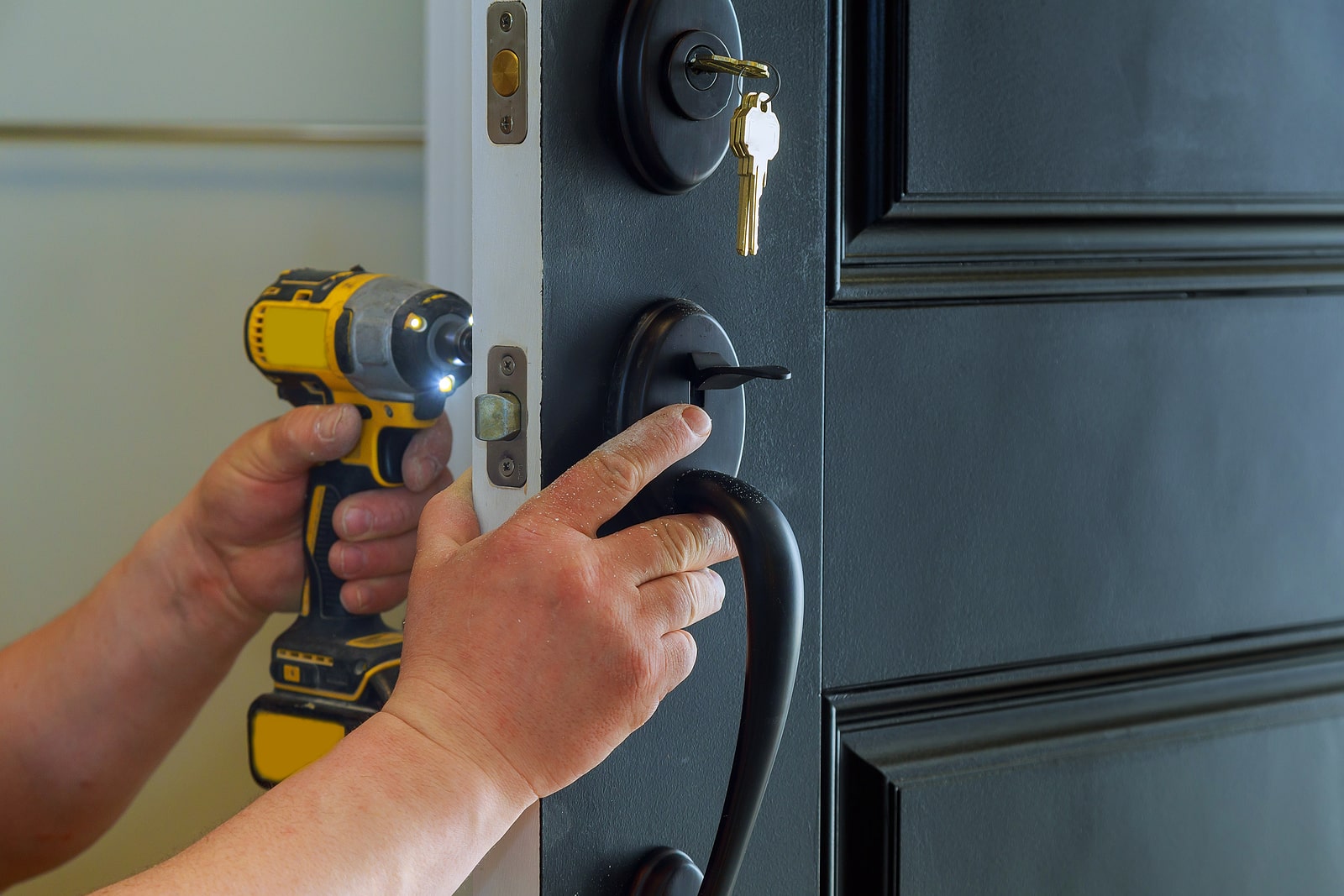
Start by marking the door where the lock will go. Use the lock template or measure carefully. Drill holes for the lock body and the key cylinder.
- Place the lock body inside the hole on the door edge.
- Secure the lock with screws using a screwdriver.
- Insert the key cylinder into the front of the door.
- Attach the lock faceplate and tighten all screws.
Securing The Strike Plate
The strike plate holds the lock bolt when the door closes. It must be fixed firmly on the door frame. Mark its position to align with the lock bolt.
| Tool | Purpose |
|---|---|
| Drill | Create holes for screws and bolt |
| Screwdriver | Fix strike plate securely |
| Chisel | Make space in the door frame |
| Measuring tape | Align strike plate correctly |
Testing The Lock Functionality
Check if the lock works smoothly. Test the key and handle several times. The bolt should move without resistance and hold the door tight.
Quick Test Checklist:
- Insert and turn the key easily
- Lock and unlock without force
- Close door and feel the bolt catch
- Handle moves smoothly
Troubleshooting Common Issues
Installing a lock on a door can sometimes lead to small problems. These issues can stop the lock from working well.
Knowing how to fix common problems helps keep your door secure and working smoothly.
Misaligned Locks
A misaligned lock means the lock parts do not line up right. This can make it hard to close or open the door.
Check if the door or frame has moved. Tighten screws or adjust the strike plate to fix the alignment.
- Close the door slowly to see where it sticks.
- Loosen screws on the strike plate and move it slightly.
- Tighten the screws once the lock fits well.
Loose Components
Loose parts can cause the lock to feel weak or not work at all. This includes screws, handles, or the lock body.
Check all screws and tighten them with a screwdriver. Replace any worn or damaged parts to keep the lock secure.
- Inspect the lock and door handle for movement.
- Tighten any loose screws carefully.
- Replace broken parts if tightening does not help.
Key Or Code Problems
If the key does not turn or the code does not work, the lock may be jammed or the code entered wrong.
Try using the key gently or re-enter the code slowly. Clean the lock with spray lubricant to reduce sticking.
- Check if the key is bent or worn out.
- Make sure you enter the correct code carefully.
- Use a lubricant spray inside the lock to ease movement.

Credit: www.youtube.com
Maintaining Your Lock
Locks are important for keeping your home safe. Regular care helps them last longer.
Learn simple ways to maintain your lock. Follow these steps to keep it working well.
Regular Cleaning
Dust and dirt can make locks jam. Clean them often to ensure smooth operation.
- Use a soft cloth to wipe the lock surface.
- Avoid using water or harsh chemicals.
- Check for dust in keyholes and remove it gently.
Lubrication Tips
Lubricating your lock keeps it turning smoothly. Choose the right lubricant for best results.
| Lubricant Type | Usage |
| Graphite Powder | Use for keyholes |
| Silicone Spray | Apply on moving parts |
When To Replace
Sometimes, cleaning and lubrication are not enough. Know when it's time for a new lock.
- Key turns with difficulty or jams often.
- Lock shows visible signs of wear or damage.
- Security features are outdated.
Additional Security Tips
Enhancing the security of your home is vital for peace of mind. Installing a lock on your door is just the start. Here are more tips to boost your home's safety.
Consider these strategies to further secure your entrances and protect your family.
Reinforcing Door Frames
Door frames can be a weak point in your home's defense. Strengthen them to prevent forced entry.
- Use longer screws to anchor hinges securely.
- Install a metal reinforcement plate.
- Replace weak wooden frames with steel or hardwood.
Using Security Cameras
Security cameras deter intruders and provide evidence if needed. They are a valuable addition to your home security setup.
| Camera Type | Feature |
| Outdoor | Weather-resistant |
| Indoor | Motion detection |
| Doorbell | Two-way audio |
Alarm Systems Integration
Integrating your locks with an alarm system enhances security. Choose a system that alerts you and authorities during a breach.

Credit: www.youtube.com
Frequently Asked Questions
How Do I Install A Lock On A Wooden Door?
To install a lock on a wooden door, first mark the lock placement. Drill holes for the lock and latch. Insert the lock components and secure with screws. Finally, test the lock to ensure smooth operation and proper alignment.
What Tools Are Needed To Install A Door Lock?
You need a drill, screwdriver, tape measure, chisel, and pencil. A hole saw bit matching the lock size is essential. These tools help create precise holes and secure the lock firmly on the door.
Can I Install A Lock On Any Door Type?
Most locks fit wooden and metal doors but check compatibility. Some locks require specific thickness or door edge styles. Always verify the lock specifications before installation to ensure proper fit and security.
How Long Does It Take To Install A Door Lock?
Installing a door lock typically takes 20 to 40 minutes. Time varies with lock type and your experience level. Careful measuring and drilling ensure a secure, functional lock without rushing.
Conclusion
Installing a lock on your door adds safety and peace of mind. It stops unwanted visitors and protects your home. The process is simple and can be done with basic tools. Choose the right lock for your needs and follow the steps carefully.
A secure door makes your space safer every day. Take action today to keep your home and family safe. Small efforts bring big benefits. Safety starts with a strong lock.