Your HVAC system works hard to keep your home comfortable every day. But have you ever stopped to think about how well it’s running?
Ignoring regular upkeep can lead to costly breakdowns and higher energy bills. What if you could avoid unexpected repairs and save money by taking simple steps now? You’ll discover how HVAC preventative maintenance can protect your system, boost its efficiency, and extend its life.
Keep reading to learn easy tips that will help you stay comfortable and stress-free all year long.
Benefits Of Regular Maintenance
Regular HVAC maintenance offers many important benefits. It helps your system work better and last longer. Small problems get fixed early, saving money and stress. This keeps your home comfortable all year.
Improved Energy Efficiency
Clean filters and well-tuned parts help HVAC run smoothly. The system uses less energy to heat or cool your home. Lower energy use means smaller utility bills. It also reduces your home's carbon footprint.
Extended System Lifespan
Routine checks catch wear and tear before damage spreads. Parts stay in good shape longer with proper care. This prevents breakdowns and delays the need for a new system. You get more years of reliable comfort.
Reduced Repair Costs
Early detection stops small issues from becoming expensive repairs. Fixing minor faults costs less and takes less time. Regular maintenance lowers the chance of sudden system failure. It saves money and avoids discomfort during peak seasons.
Key Components To Inspect
Inspecting key components during HVAC preventative maintenance can save you from unexpected breakdowns and costly repairs. Focusing on the right parts ensures your system runs efficiently and keeps your home comfortable. Let’s look closely at what you should check regularly to maintain peak performance.
Filters And Airflow
Dirty filters block airflow and force your HVAC system to work harder. This not only raises energy bills but can also shorten your system’s lifespan.
Check your filters monthly, especially during high-use seasons. Replace them if they look clogged or dusty. You might be surprised how much cleaner your air feels after a simple filter change.
Have you noticed uneven cooling or heating? Poor airflow could be the culprit, often caused by blocked filters or dirty vents. Keep them clear to maintain steady air circulation throughout your home.
Thermostat Functionality
Your thermostat controls the whole HVAC system, so it must work accurately. Test it by adjusting the temperature and seeing if your system responds promptly.
Consider upgrading to a programmable or smart thermostat to save energy and improve comfort. Small changes in how you manage your thermostat can have a big impact on your energy bills.
If your thermostat feels unresponsive or the temperature reading seems off, it’s time to inspect or replace it. Don’t let a faulty thermostat cause your HVAC system to run unnecessarily.
Ductwork Condition
Leaky or damaged ducts waste energy and reduce airflow. Even small holes or disconnected sections can lead to significant efficiency loss.
Look for visible gaps, loose connections, or damaged insulation along your ductwork. Sealing these issues can improve airflow and reduce your energy costs.
Have you ever felt hot or cold spots in certain rooms? Faulty ductwork often causes uneven temperatures. Fixing ducts can balance airflow and make your entire home more comfortable.
Seasonal Maintenance Checklist
Regular HVAC preventative maintenance ensures your system works efficiently year-round. A seasonal maintenance checklist helps identify potential problems early. It also extends the lifespan of your heating and cooling equipment. Below is a guide to essential tasks for each season.
Spring Cooling System Checks
Prepare your air conditioner for warmer months with a spring inspection. Focus on ensuring the system is clean and running smoothly. Key tasks include:
- Inspect refrigerant levels and check for leaks.
- Clean or replace air filters to improve airflow.
- Check thermostat settings for accurate temperature control.
- Inspect and clean condenser coils for debris.
- Ensure the fan blades are in good condition.
Fall Heating System Inspections
Before cold weather sets in, inspect your heating system for optimal performance. A thorough check ensures safety and efficiency. Important tasks include:
- Inspect and clean burners for proper ignition.
- Check heat exchanger for cracks or damage.
- Replace air filters to prevent clogs.
- Ensure the thermostat is set and working correctly.
- Inspect and clean the blower assembly.
Year-round Cleaning Tasks
Consistent cleaning keeps your HVAC system running smoothly throughout the year. Cleaning tasks prevent buildup and improve energy efficiency. Add these to your checklist:
- Dust vents and registers for better airflow.
- Inspect and clean ductwork to remove blockages.
- Wipe down the outdoor unit to remove dirt and debris.
- Clear away vegetation around the outdoor condenser unit.
- Flush the condensate drain line to prevent clogs.

Credit: www.linkedin.com
Diy Maintenance Tips
Maintaining your HVAC system doesn't have to be a mystery or a chore you dread. With a few simple DIY maintenance tips, you can keep your system running efficiently and avoid costly repairs. These easy steps empower you to take control of your comfort and save money over time.
Changing Filters
Dirty filters make your HVAC work harder, increasing energy bills and reducing air quality. Check your filters every month and replace them if they look clogged or dusty. Using the right filter size and type ensures your system breathes well and lasts longer.
Think about the last time you forgot to change a filter—did you notice your system struggling or your home feeling stuffy? Regularly swapping filters can prevent that uncomfortable feeling and protect your health.
Clearing Debris Around Units
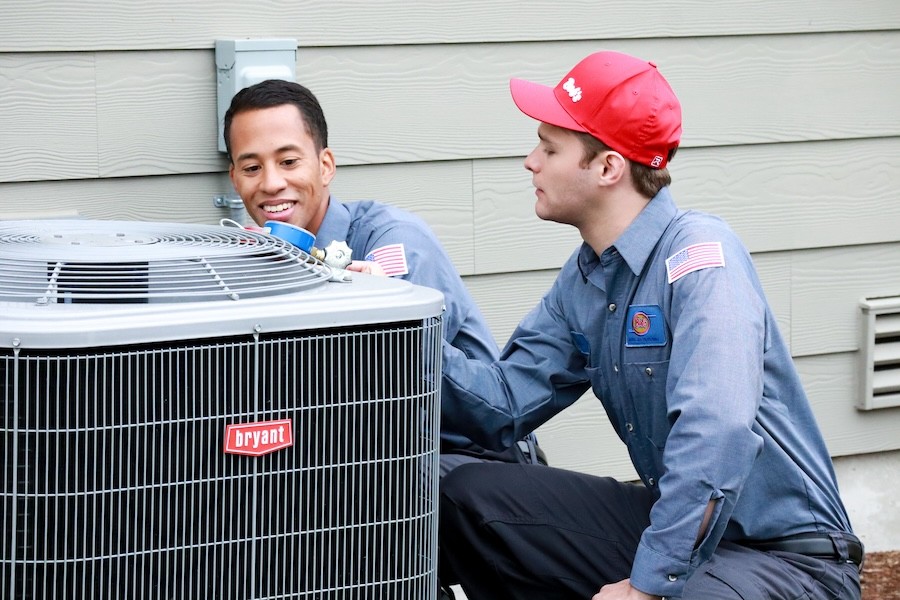
Outdoor units need space to work properly. Leaves, grass, and dirt can block airflow and cause the system to overheat. Make it a habit to clear away any debris within a two-foot radius around your unit.
Don’t just glance at the unit from afar—get up close and remove anything that might be hiding underneath or around it. This simple step can improve efficiency and extend the life of your HVAC.
Monitoring System Performance
Keep an eye on how your HVAC system performs throughout the seasons. Notice if it takes longer to heat or cool your home or if unusual noises start appearing. These signs can indicate a need for professional check-up before a small issue turns into a big problem.
Have you ever ignored a strange sound from your system only to face a breakdown later? Catching performance issues early saves you frustration and money. Consider keeping a maintenance log to track any changes you observe.
When To Call Professionals
Knowing the right time to call HVAC professionals can save you money and stress. Some problems need expert attention to avoid bigger damage. Regular checks help keep your system running smoothly and efficiently.
Signs Of Major Issues
- Strange noises like banging or grinding sounds
- Unusual smells coming from vents
- Inconsistent temperatures in different rooms
- System frequently turning on and off
- Higher energy bills without increased usage
- Visible water leaks near the unit
Any of these signs suggest a problem beyond simple fixes. Calling a professional ensures accurate diagnosis and safe repairs.
Annual System Tune-ups
Scheduling yearly maintenance keeps your HVAC system in top shape. Professionals check and clean important parts to prevent breakdowns. This service improves efficiency and extends your system’s life.
During tune-ups, technicians inspect:
- Filters and coils
- Electrical connections
- Thermostat settings
- Airflow and refrigerant levels
Handling Refrigerant Concerns
Refrigerant problems require special care and expertise. Low or leaking refrigerant lowers cooling power and can damage the system. Only licensed technicians should handle refrigerants to meet safety rules.
Professionals use the right tools to check refrigerant levels. They find and fix leaks properly to avoid health risks and environmental harm.

Credit: www.furnaceprices.ca
Cost-saving Strategies
HVAC preventative maintenance is an essential investment for long-term savings. By adopting smart strategies, you can reduce energy bills and avoid costly repairs. Small steps can lead to significant savings while improving comfort.
Scheduling Maintenance Plans
Regular maintenance prevents unexpected breakdowns and extends your HVAC system's lifespan. Create a maintenance schedule to ensure timely inspections and tune-ups. Professionals can identify and fix small issues before they grow into expensive problems. Seasonal check-ups keep your system running efficiently throughout the year. This proactive approach reduces energy consumption and repair costs.
Upgrading To Energy-efficient Models
Older HVAC systems consume more energy and cost more to operate. Upgrading to energy-efficient models can significantly lower utility bills. Modern systems use advanced technology to reduce energy waste and improve performance. Look for units with high SEER (Seasonal Energy Efficiency Ratio) ratings. These systems require less energy to cool or heat your home, saving money over time.
Using Smart Thermostats
Smart thermostats can optimize your HVAC system's performance and save energy. They allow you to set precise temperatures for different times of the day. You can adjust settings remotely through mobile apps for added convenience. Many models learn your habits and adjust temperatures automatically. This reduces energy usage when you're not home, cutting down on utility expenses.

Credit: kitchen.services
Frequently Asked Questions
What Is Hvac Preventative Maintenance?
HVAC preventative maintenance involves regular inspections and servicing to keep your system efficient. It reduces breakdowns and extends equipment life. This proactive approach improves indoor air quality and lowers energy costs.
How Often Should Hvac Maintenance Be Done?
HVAC systems should be serviced at least twice a year, ideally before summer and winter. Regular checkups ensure optimal performance and prevent costly repairs. Seasonal maintenance helps maintain energy efficiency and comfort.
What Are The Benefits Of Hvac Preventative Maintenance?
Preventative maintenance increases system reliability, reduces energy bills, and improves air quality. It catches minor issues early, preventing major failures. Regular servicing also extends the HVAC system’s lifespan and enhances indoor comfort.
Can Hvac Maintenance Prevent Costly Repairs?
Yes, routine HVAC maintenance identifies potential problems early. Timely fixes prevent expensive breakdowns and emergency repairs. Regular care keeps your system running smoothly and saves money in the long run.
Conclusion
Regular HVAC preventative maintenance keeps your system running smoothly. It helps avoid costly repairs and extends equipment life. Clean filters and checked parts improve air quality and energy use. Small problems get fixed before they grow big. Save money by scheduling routine check-ups each year.
Healthy HVAC means a comfortable home all year round. Simple care makes a big difference in performance and cost. Don’t wait for breakdowns—stay ahead with regular maintenance. Your system will thank you with reliable, efficient work.

