
Have you ever found yourself standing in front of a locked door, feeling frustrated and unsure of what to do next? Whether it’s your home, office, or even your car, a locked door can stop you in your tracks.
But don’t worry—unlocking a locked door isn’t as complicated as it seems. You’ll discover simple, effective methods to get back inside quickly and safely. Keep reading to learn practical tips that could save you time, money, and stress the next time you face a locked door.
Common Types Of Locked Doors
Locked doors come in different styles and use various types of locks. Knowing the common types helps you understand how to handle them.
This guide explains three popular lock types found on doors today.
Deadbolt Locks
Deadbolt locks are strong and often used on exterior doors. They do not have a spring and need a key or thumb turn to open.
These locks provide extra security because they resist forced entry better than other locks.
- Single-cylinder deadbolts use a key outside and thumb turn inside
- Double-cylinder deadbolts require a key on both sides
- They fit into the door frame for strong locking
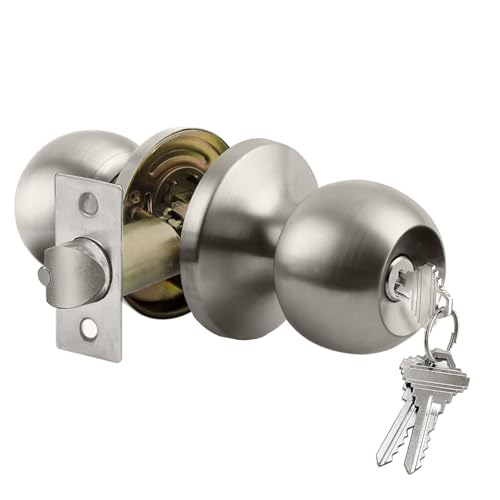
Knob And Lever Locks
Knob and lever locks are common on interior doors. They have a knob or lever you turn to open the door.
These locks usually have a simple locking mechanism, like a push button or a key on the outside.
- Knob locks are round and twist to open
- Lever locks use a handle you push down
- Both types often include a lock button or key cylinder
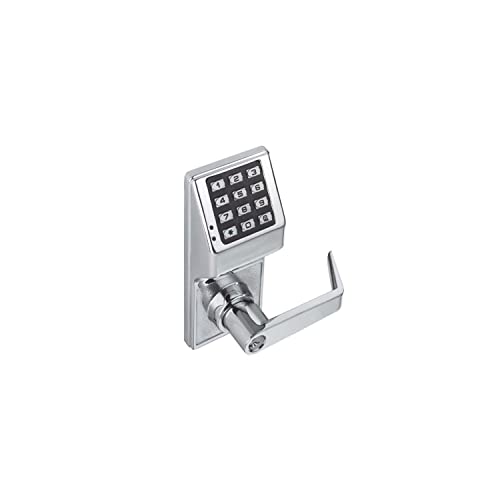
Electronic Locks
Electronic locks use batteries and digital codes instead of keys. You enter a code or use a card to open the door.
They are common in offices and some homes for easy access and better control.
- Keypad locks require a number code
- Card readers use a swipe or tap card
- Some models work with smartphones or apps
Basic Tools For Unlocking Doors
Locked doors can be a big problem if you lose your key. Some simple tools can help you open a door without one. Knowing about these tools is useful in emergencies.
These tools work best on simple locks. They may not work on advanced security locks. Always use these tools carefully to avoid damage.
Using Credit Cards
A credit card can slide between the door frame and the lock. This tool works if the door uses a spring latch. The card pushes the latch back to open the door.
Use a flexible card that you do not mind damaging. Insert the card above the latch and push while turning the door handle. This may take several tries.
- Choose a flexible plastic card
- Insert between door and frame near the latch
- Push the latch back while turning the handle
- Try different angles and pressure
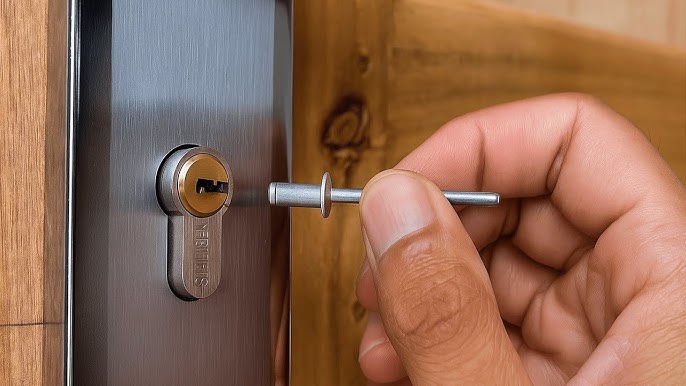
Paperclips And Bobby Pins
Paperclips and bobby pins can work as makeshift lock picks. Straighten one clip to use as a rake or pick. Use another to turn the lock cylinder.
This method needs patience and a gentle touch. Insert the pick into the keyhole and feel for the pins inside. Push or lift them until the lock opens.
- Straighten one paperclip or bobby pin
- Use it to push pins inside the lock
- Use another to turn the lock cylinder
- Be patient and gentle to avoid damage
Lock Pick Sets
Lock pick sets are tools made for opening locks without keys. They include picks and tension wrenches. These tools help move the pins inside the lock.
Using lock picks takes practice. Insert the pick to lift the pins one by one. Apply slight pressure with the wrench to turn the lock when pins are set.
- Use a pick to lift lock pins
- Apply tension with the wrench
- Set pins one at a time
- Turn the lock when pins are in place
Simple Techniques To Open Doors
Sometimes doors get locked, and you need to get inside quickly. Knowing simple ways to open locked doors can help in emergencies.
These techniques do not need special tools and use common household items or simple skills.
Sliding The Latch With A Card
This method works on doors with a spring latch, not deadbolts. Use a plastic card like an old credit card or a gift card.
Insert the card between the door and frame where the latch is. Push the card while bending it toward the door.
- Slide the card down slowly to reach the latch.
- Push the latch back to release the door.
- Do not use valuable cards to avoid damage.
Manipulating The Lock With Pins
This technique requires a basic understanding of how pin locks work. You need small tools like a tension wrench and a pick.
Insert the tension wrench into the keyhole and apply slight pressure. Use the pick to lift each pin inside the lock.
- Feel for pins that are set correctly.
- Keep tension steady to hold pins in place.
- Lift all pins until the lock turns.
Using Bump Keys
A bump key fits many locks of the same type. It has all cuts set to the lowest depth. You need a small hammer or tool to bump the key.
Insert the bump key fully into the lock. Then tap the key gently while turning it. This can force the pins to jump and open the lock.
- Use light taps to avoid damage.
- Practice to get the timing right.
- Only use bump keys on locks you own.

Credit: www.youtube.com
When To Call A Locksmith
Locked doors can cause stress and delay your plans. Sometimes, trying to fix it alone can cause damage.
Knowing when to call a locksmith saves time and keeps your door safe. Professionals have the right tools and skills.
Signs You Need Professional Help
If your key breaks inside the lock, do not try to remove it yourself. This can make the problem worse.
Other signs include a door that won’t open after turning the key or a lock that feels stuck or stiff.
- Broken or bent keys inside the lock
- Lock jams or feels very stiff
- Door lock is old and worn out
- Lost keys or locked out without a spare
Avoiding Damage To The Door
Trying to force open a locked door can damage the lock and door frame. This can lead to costly repairs.
Using sharp objects or tools not meant for locks can scratch or break parts of the door. Always be careful.
- Do not use knives or screwdrivers to open locks
- Avoid forcing the key if it does not turn easily
- Do not kick or hit the door to open it
- Call a locksmith if you feel unsure about opening the door
Finding Reliable Locksmith Services
Look for locksmiths with good reviews and clear pricing. This helps avoid surprises or poor service.
Ask for recommendations from friends or neighbors. Check if the locksmith is licensed and insured for safety.
- Check online reviews and ratings
- Confirm licensing and insurance status
- Ask about prices before the work starts
- Choose locksmiths with fast response times
Preventing Future Lockouts
Getting locked out of your home can be frustrating and stressful. Taking simple steps can help you avoid this problem in the future.
By planning ahead, you can save time and avoid the hassle of being stuck outside your door.
Spare Keys And Key Hiding Spots
Having spare keys is one of the easiest ways to prevent lockouts. Keep a spare key with someone you trust, like a family member or neighbor.
Another option is to hide a key outside your home in a safe spot. Choose a place that is hidden but easy for you to remember.
- Give a spare key to a trusted friend or family member
- Use a secure key lockbox outside your home
- Avoid obvious hiding spots like under doormats or flower pots
- Pick a unique hiding place that only you know
Installing Smart Locks
Smart locks allow you to open your door without a physical key. You can use a code, fingerprint, or your phone to get inside.
These locks reduce the risk of losing keys and make it easy to share access with others temporarily.
- Choose smart locks with reliable security features
- Set up unique codes for family and friends
- Use your smartphone app to control the lock remotely
- Regularly update the lock’s software for safety
Routine Lock Maintenance
Locks work best when you keep them clean and well maintained. Dirt and rust can make keys hard to turn or cause jams.
Check your locks often and fix any problems before they get worse.
- Lubricate locks with graphite or silicone spray yearly
- Inspect keys for damage and replace if bent or worn
- Clean dirt from lock mechanisms with compressed air
- Call a locksmith if the lock feels stiff or does not work smoothly

Credit: www.youtube.com

Credit: www.youtube.com
Frequently Asked Questions
How Can I Unlock A Locked Door Without A Key?
You can unlock a door using a credit card for spring bolts or a hairpin for simple locks. For complex locks, call a locksmith. Avoid damaging the door or lock by using the right tools carefully.
What Tools Are Best For Unlocking A Locked Door?
Common tools include credit cards, lock picks, bump keys, and screwdrivers. Each tool suits different lock types. Use them cautiously to avoid damage. For advanced locks, professional tools and skills are necessary.
Can I Unlock A Locked Door Without Damaging It?
Yes, using non-destructive methods like lock picking or a bump key helps. Credit cards work on spring latch locks. Always try gentle techniques first to preserve lock and door integrity.
When Should I Call A Locksmith To Unlock A Door?
Call a locksmith if the lock is complex, broken, or if you're unsure. Professionals have the right tools and expertise to unlock doors safely and quickly. Avoid DIY damage or security risks.
Conclusion
Locked doors can be tricky but not impossible to open. Using basic tools and simple steps can help. Always stay calm and think clearly. Avoid damaging the door or lock if possible. For tough locks, calling a professional is safest.
Knowing these tips saves time and stress. Keep this guide handy for any lock troubles. You can handle locked doors with patience and care.