

Are you struggling to hang heavy items on your walls without worrying about them falling? Hollow wall anchors might be the simple solution you need.
They provide strong support in drywall or plaster, making your shelves, mirrors, or decorations stay firmly in place. In this guide, you’ll learn exactly how to use hollow wall anchors step-by-step, so your projects turn out safe and sturdy every time.
Keep reading to discover tips and tricks that will make your next wall-hanging task easier than ever.

Credit: www.amazon.ca
Choosing The Right Anchor
Hollow wall anchors help you hang items on walls without studs. Choosing the right anchor is key for safety and strength.
Different anchors fit different walls and weights. Learn how to pick the best one for your project.
Types Of Hollow Wall Anchors
There are several hollow wall anchors. Each works best with certain wall types and weights.
- Plastic expansion anchors: Simple and cheap, good for light loads.
- Threaded anchors: Screw into the wall and offer medium strength.
- Molly bolts: Metal anchors that expand behind the wall for extra hold.
- Toggle bolts: Use metal wings that open inside the wall for heavy loads.
Selecting Based On Wall Material
Wall material affects which anchor you should use. Some anchors work better in drywall, others in plaster or hollow blocks.
- Drywall: Use molly bolts or toggle bolts for strong support.
- Plaster walls: Choose anchors that expand carefully to avoid cracks.
- Hollow concrete blocks: Use heavy-duty anchors like toggle bolts.
Weight Capacity Considerations
Check the weight your anchor can hold. Using an anchor with too low capacity can cause damage.
Match the anchor’s weight limit to your item's weight plus extra for safety.
| Anchor Type | Approximate Weight Capacity |
|---|---|
| Plastic Expansion Anchor | Up to 10 lbs (4.5 kg) |
| Threaded Anchor | 10 to 25 lbs (4.5 to 11 kg) |
| Molly Bolt | 25 to 50 lbs (11 to 23 kg) |
| Toggle Bolt | 50+ lbs (23+ kg) |
Tools You’ll Need
To use hollow wall anchors effectively, you need the right tools. These tools help ensure a secure fit and make the process easier.
Below are the essential tools you'll need when working with hollow wall anchors.
Drill And Drill Bits
A drill is vital for making holes in the wall. Choose the correct size drill bit for your anchor.
- Electric drill for consistent power
- Variety of drill bit sizes
- Masonry bits for harder walls
Screwdrivers And Screws
Screwdrivers help tighten the screws in the anchors. Use the right type for your screws.
| Type | Use |
| Phillips screwdriver | For crosshead screws |
| Flathead screwdriver | For slotted screws |
| Various screws | Depending on anchor size |
Measuring Tools
Accurate measurements ensure the anchors are placed correctly. Use measuring tools to mark spots on the wall.
- Tape measure for length
- Pencil for marking
- Level to ensure alignment
Preparing The Wall
Preparing the wall is important before using hollow wall anchors. This helps the anchor hold strong and keeps the wall safe.
Follow simple steps to get the wall ready for the anchor. These steps include marking, drilling, and cleaning.
Marking The Fixing Spot
Find the exact spot where you want to place the anchor. Use a pencil to mark this spot clearly on the wall.
Check that the spot is free from wires and pipes before marking. This avoids damage and keeps you safe.
Drilling The Pilot Hole
Use a drill with the right drill bit size. The hole must match the size of the hollow wall anchor.
Hold the drill steady and drill straight into the marked spot. Drill slowly to avoid cracking the wall.
- Choose drill bit size based on anchor instructions
- Drill at a 90-degree angle to the wall
- Stop drilling once you reach the correct depth
Cleaning The Hole
Remove dust and debris from the hole after drilling. A clean hole helps the anchor fit better.
Use a brush or blow air into the hole to clear out all loose particles. Make sure the hole is dry before inserting the anchor.

Credit: www.reddit.com
Installing The Anchor
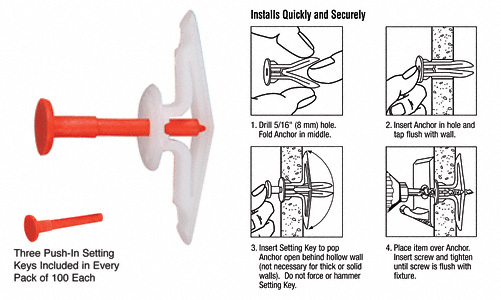
Hollow wall anchors help secure objects to drywall or hollow walls. Installing them correctly makes the fixing strong and safe.
Follow simple steps to insert, expand, and secure the anchor in the wall.
Inserting The Anchor
First, drill a hole in the wall that matches the anchor size. Clean out any dust or debris from the hole.
Push the hollow wall anchor into the hole until it sits flush with the wall surface.
Expanding The Anchor
Next, expand the anchor inside the wall to hold it firmly. Use a screwdriver to turn the screw inside the anchor slowly.
As you turn, the anchor wings open behind the wall, creating a strong grip.
- Turn the screw slowly
- Feel resistance as the anchor expands
- Stop turning once firmly fixed
Securing The Fixing
After the anchor expands, remove the screw to place your fixture. Align the fixture holes with the anchor.
Insert the screw back through the fixture into the anchor and tighten it. This secures your object firmly to the wall.
Testing The Fixing
After installing hollow wall anchors, you need to test their strength. This step ensures your items stay safe on the wall.
Testing helps find any problems early. You can fix issues before hanging heavy objects.
Checking Stability
Check if the anchor holds tight in the wall. Give a gentle pull on the attached item to see if it moves.
If the anchor shifts or feels loose, it may not hold weight well. Make sure it stays firm before hanging anything heavy.
- Pull gently on the fixed item
- Look for any movement or wobbling
- Press around the anchor to check for softness
- Confirm no cracks appear in the wall
Common Issues And Fixes
Sometimes anchors do not work as expected. Knowing common problems helps you fix them quickly.
Loose anchors often mean the hole is too big. You can try a bigger anchor or fill the hole first.
- Loose anchor: Use a larger size or fill the hole with filler
- Anchor spins: Tighten the screw slowly or replace the anchor
- Wall crumbles: Choose a different fixing spot or use stronger anchors
- Item pulls away: Do not hang heavy items; use better anchors
Tips For Stronger Fixings
Hollow wall anchors help you hang items on drywall or hollow walls. Using them correctly makes your fixings strong and safe.
Follow these tips to avoid common mistakes and keep your anchors secure for a long time.
Avoiding Over-tightening
Do not tighten screws too much. Over-tightening can break the anchor or damage the wall.
Stop turning the screw when you feel resistance. This keeps the anchor strong and the wall safe.
- Use a screwdriver with good control
- Tighten screws slowly and gently
- Check anchor stability after tightening
Using The Right Screw Length
Pick screws that fit the anchor and the wall thickness. Too short screws will not hold well.
Long screws can damage the wall or push the anchor out. Use screws made for your anchor size.
- Match screw length to anchor instructions
- Measure wall thickness before choosing screws
- Use screws that fully engage the anchor
Maintaining The Anchor Over Time
Check your fixings regularly to keep them strong. Walls can shift or anchors can loosen over time.
If you notice any movement, tighten the screw gently or replace the anchor if needed.
- Inspect anchors every few months
- Tighten screws carefully if loose
- Replace damaged anchors immediately

Credit: innotecproducts.co.uk
Frequently Asked Questions
What Are Hollow Wall Anchors Used For?
Hollow wall anchors secure objects to drywall or hollow walls. They provide strong support where screws alone would fail. These anchors expand behind the wall, distributing weight evenly. They are ideal for hanging shelves, mirrors, or heavy frames. Proper installation ensures stability and prevents damage.
How Do I Install Hollow Wall Anchors Correctly?
First, drill a hole matching the anchor size in the wall. Insert the anchor fully into the hole. Tighten the screw to expand the anchor behind the wall. Ensure the anchor is flush with the surface. Avoid over-tightening to prevent wall damage.
Can Hollow Wall Anchors Hold Heavy Items?
Yes, hollow wall anchors can support moderate to heavy items. Weight capacity depends on anchor size and wall material. Always check manufacturer guidelines for maximum load limits. For very heavy objects, use multiple anchors or consider other mounting methods.
Are Hollow Wall Anchors Reusable?
No, most hollow wall anchors are designed for one-time use. Removing them often damages the anchor or wall. For reinstallation, use new anchors to ensure a secure hold. Reusing anchors can compromise safety and stability.
Conclusion
Hollow wall anchors help hang items safely on drywall. Choose the right size for your project. Drill a hole and insert the anchor carefully. Tighten the screw slowly to secure the anchor. Avoid overtightening to prevent damage. These anchors hold shelves, pictures, and light fixtures firmly.
With practice, installation becomes quick and easy. Always follow safety steps for best results. Now, you can hang items with confidence and ease.

