


Are you finding it tricky to turn off your home security system when you need to? Whether you’re expecting guests, doing maintenance, or just want a break from constant alerts, knowing the exact steps to deactivate your system quickly and safely is essential.
In this guide, you’ll discover simple, clear instructions that anyone can follow—no confusing jargon or tech skills required. Keep reading, and you’ll gain control over your security system with confidence and ease.
Prepare Before Disabling
Preparing before turning off your home security system is vital. It helps avoid false alarms and confusion. Taking simple steps ensures safety for everyone at home.
Check System Manual
Review the system manual carefully. It explains how to disable the alarm correctly. Follow instructions to prevent errors or damage. Manuals also show how to reactivate the system later.
Notify Household Members
Tell everyone living with you about the plan. This prevents panic if alarms sound unexpectedly. Clear communication keeps all members calm and informed. Share the exact time and reason for disabling.
Inform Security Provider
Contact your security company before turning off the system. They can advise on proper procedures. They may pause monitoring to avoid false alerts. Informing them helps maintain your service and security.

Credit: www.tiktok.com
Locate Control Panel
Finding the control panel is the first step to turn off your home security system. The control panel is the main hub that manages your entire system. It communicates with sensors, cameras, and alarms.
Most homes have the panel installed near main entry points or in a utility area. Knowing its location helps you quickly disarm the system when needed. This section guides you through identifying and accessing the control panel.
Identify Main Panel
The main panel usually looks like a small box or touchscreen. It may have a brand name or logo on it. Look near the front door, garage, or basement.
Common places include:
- By the main entrance
- Inside a closet or utility room
- Near the electrical panel
The panel often has a display and buttons or a touchscreen interface. It connects to your home’s Wi-Fi or phone line.
Access Keypad Or App
Some systems use a keypad on the wall. Enter your security code here to turn off the alarm. The keypad is easy to spot near doors or hallways.
Other systems work through a smartphone app. Download the app from your security provider. Use your login details to access controls remotely.
The app allows you to arm or disarm the system from anywhere. It also shows alerts and status updates. Make sure your phone is connected to the internet.
Disarm Using Keypad
Enter your security code on the keypad to disarm the home security system quickly. The system will turn off once the correct code is accepted. This simple action stops alarms and resets the system for safety.
Disarming a home security system using a keypad is simple. It ensures your home stays protected, even as you move in and out. This method involves entering a code and confirming its status. Let's explore the steps involved in disarming through the keypad.
Enter Security Code
First, approach the security keypad. This is usually located near the main entrance. Enter your unique security code using the keypad. This code is typically a series of numbers you set during installation. Make sure you press each button firmly. Watch for any feedback from the keypad, like beeps or lights. This indicates your input is registered correctly.
Confirm Disarm Status
After entering your code, check the keypad's display. It should show a message indicating the system is disarmed. Some systems might show a green light. This signifies the security is turned off. If the keypad doesn't confirm, try entering the code again. Double-check the code if the system remains armed. This ensures you have entered it correctly. If problems persist, consult your security system manual for guidance.
Disarm Using Mobile App
Disarming your home security system using a mobile app offers unmatched convenience and speed. Instead of rushing to a keypad or control panel, you can manage your system directly from your smartphone. This method is especially useful when you’re arriving home late or need to disable the alarm remotely.
Open Security Application
First, unlock your phone and locate the security system app you installed during setup. The app icon usually features a shield or house symbol. If you don’t see it on your home screen, try searching for the app name in your device’s search bar.
Opening the app will prompt you to enter your login credentials, ensuring only authorized users can control the system. If you’ve enabled biometric login like fingerprint or face recognition, this step becomes even faster.
Select Disarm Option
Once inside the app, look for the option labeled “Disarm,” “Deactivate,” or something similar. It’s often found on the main dashboard or under a clearly marked security tab. Tapping this button sends a command to your system, turning off the alarm instantly.
Some apps provide a confirmation prompt to prevent accidental disarming. This extra step is helpful if you’re managing the system from a distance and want to be sure you’re making the right choice.
Have you ever left your house and suddenly wondered if you remembered to turn off the alarm? Using the mobile app allows you to check and control your system anytime, giving peace of mind with just a few taps.
Handle Alarm Triggers
Handling alarm triggers is important for managing your home security system safely. False alarms can cause stress and unnecessary calls to authorities. Knowing how to silence these alarms quickly helps keep peace in your home. Resetting the system after an alarm ensures it works correctly for the next time.
Silence False Alarms
False alarms happen due to pets, open windows, or system errors. To silence the alarm, locate the control panel or keypad. Enter your security code to stop the siren immediately. Some systems have a dedicated silence button. Press it to mute the alarm sound. Always stay calm and check what caused the trigger before resetting.
Reset System
After silencing the alarm, the system needs a reset to function properly. Use the control panel or app to find the reset option. Follow the instructions on the screen carefully. Resetting clears the alarm status and prepares sensors for new alerts. Regular resets keep your system responsive and reliable.
Power Down Safely
Powering down your home security system safely is crucial to avoid triggering false alarms or damaging sensitive equipment. You need to ensure each component is properly disconnected without causing interruptions to your system’s wiring or software. Taking careful steps helps maintain the integrity of your security setup for when you want to reactivate it.
Unplug Control Unit
The control unit is the brain of your security system. Before unplugging, check if your system has any ongoing alerts or armed sensors to avoid accidental alarms.
Locate the main power cord connected to the control unit. Gently unplug it from the wall outlet or power strip.
Remember, sudden power loss can sometimes reset settings. Have your system manual handy in case you need to reconfigure after powering it down.
Turn Off Backup Batteries
Backup batteries keep your system running during power outages. Disabling them prevents the system from staying active after unplugging the control unit.
Open the control panel or battery compartment. You might need a screwdriver depending on your model.
- Carefully disconnect the battery wires or remove the battery pack.
- Store batteries in a cool, dry place to maintain their lifespan.
Have you ever forgotten to turn off the backup battery and wondered why the alarm kept going off? Disabling this ensures a full shutdown.
Troubleshooting Tips
Running into problems when trying to turn off your home security system can be frustrating. Troubleshooting these issues quickly helps you regain control without compromising your home's safety. Here are some practical tips to handle common obstacles you might face.
Forgot Security Code
Forgetting your security code is more common than you might think. Instead of panicking, check if you have a backup copy of the code stored safely, such as in a secure notebook or digital password manager.
If you can't find the code, contact your security system provider. They usually have verification steps to reset or recover your code securely. Never try to guess repeatedly, as this might lock your system temporarily or alert the monitoring center.
Have you considered setting up a recovery option with your provider before you forget your code? It can save you time and stress later.
System Not Responding
When your security system doesn't respond, the issue might be as simple as a power outage or a dead backup battery. Check the power source first and ensure all cables are securely connected.
If the system still won’t respond, try restarting the control panel. Unplug it for a minute, then plug it back in. This simple reset can fix minor software glitches.
Persistent problems could indicate a hardware fault or communication error with the monitoring center. In such cases, reaching out to technical support is the best course of action to avoid disabling your security unintentionally.

Credit: www.tiktok.com
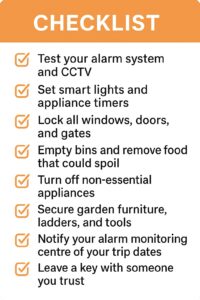
Credit: scaitecsecurity.uk
Frequently Asked Questions
How Do I Disable My Home Security System Temporarily?
To disable your system temporarily, enter your security code on the keypad and press the "disarm" button. This pauses monitoring without turning off the entire system.
Can I Turn Off A Home Security System Remotely?
Yes, many modern systems allow remote disarming through a smartphone app. Ensure your system supports this feature and follow the app instructions.
What Should I Do Before Turning Off My Security System?
Notify your monitoring company if applicable, and ensure your home is safe. Disarm only when necessary to avoid false alarms or security risks.
Will Turning Off My Security System Affect Insurance Coverage?
Turning off your system may impact your insurance policy benefits. Check with your insurer to understand any implications before disabling the system.
Conclusion
Turning off your home security system is simple and safe. Always follow the instructions that come with your system. Make sure you know the correct code or method to avoid false alarms. Remember to turn the system back on when you leave.
This keeps your home protected at all times. Stay calm and take your time during the process. Your safety and peace of mind are the most important. Keep your security system ready to use whenever you need it.

