


Knowing how to shut off your home gas valve can save you from dangerous situations. Whether you smell gas, hear a hissing sound, or suspect a leak, acting quickly is crucial for your safety and your family's.
This simple step can prevent fires, explosions, and serious health risks. In this guide, you’ll learn exactly how to find and turn off your gas valve safely and confidently. Keep reading to protect your home and peace of mind—you never know when this knowledge might be a lifesaver.
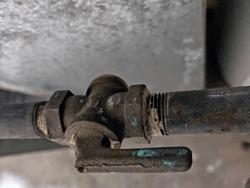
Credit: www.homeserve.com
Locating The Gas Valve
Knowing how to locate your home’s gas valve is crucial for safety. In an emergency, being able to find and shut off the valve quickly can prevent accidents and damage. Let’s walk through where to find this important control point in your home.
Identifying The Main Gas Valve
The main gas valve controls the flow of gas into your entire house. It usually looks like a round or oval handle attached to a pipe. The handle is often colored red, yellow, or black, making it easier to spot.
Look for a lever or a knob that can be turned 90 degrees to shut off the gas. If the valve handle is parallel to the pipe, the gas is on; if it’s perpendicular, the gas is off. Getting familiar with this simple visual cue can save you time during an emergency.
Common Valve Locations In Homes
Gas valves are often located near where the gas line enters your home. Common spots include:
- Near your gas meter, usually outside the house
- In the basement or utility room
- Behind the stove or near other gas appliances
Sometimes the valve can be hidden behind a panel or inside a cabinet. Have you checked these less obvious places yet? It’s a good idea to inspect your home now so you won’t waste time searching when it really matters.

Credit: www.instagram.com
Tools You Need
Shutting off your home gas valve requires a few simple tools. Having the right equipment makes the process quick and safe. Most tools are easy to find and affordable. Preparing these tools before starting helps avoid delays and hazards.
Using A Wrench Or Valve Key
A wrench or valve key is essential to turn the gas valve. The valve usually has a square or rectangular handle. Use an adjustable wrench if the valve size is unknown. A valve key fits perfectly on some gas valve handles. Choose the tool that fits the valve snugly. Turn the valve 90 degrees to shut off the gas flow. Avoid using pliers or other tools that may slip.
Safety Gear To Consider
Safety is important when working with gas. Wear gloves to protect your hands from sharp edges and dirt. Use safety goggles to shield your eyes from dust or debris. A flashlight helps you see the valve clearly in dark areas. Wear a mask if you smell gas to avoid inhaling fumes. Keep a phone nearby to call for help if needed.
Steps To Shut Off The Valve
Knowing how to shut off your home gas valve is a crucial safety skill. Whether it’s a sudden gas smell or a local emergency, acting quickly can prevent dangerous situations. Follow these clear and simple steps to safely shut off your gas valve when needed.
Turning The Valve Off
Locate the main gas valve, usually near your gas meter outside your home. It’s typically a rectangular or round knob or lever.
Use a wrench or your hand to turn the valve a quarter turn clockwise. The valve should now be perpendicular to the pipe, which indicates it’s off.
If you don’t have a wrench handy, consider keeping one near the meter for emergencies. A gas shut-off tool is an affordable and reliable option to store nearby.
Checking For Complete Shutoff
After turning the valve off, ensure no gas is flowing. Look for the small dial or gauge on your meter—this should no longer be moving.
If you’re unsure, listen for any hissing sounds near the meter or along your gas line. A hissing noise could indicate a leak, and you should contact your gas company immediately.
Double-checking is worth the extra few seconds to ensure your home is safe. When in doubt, always err on the side of caution and seek professional help.
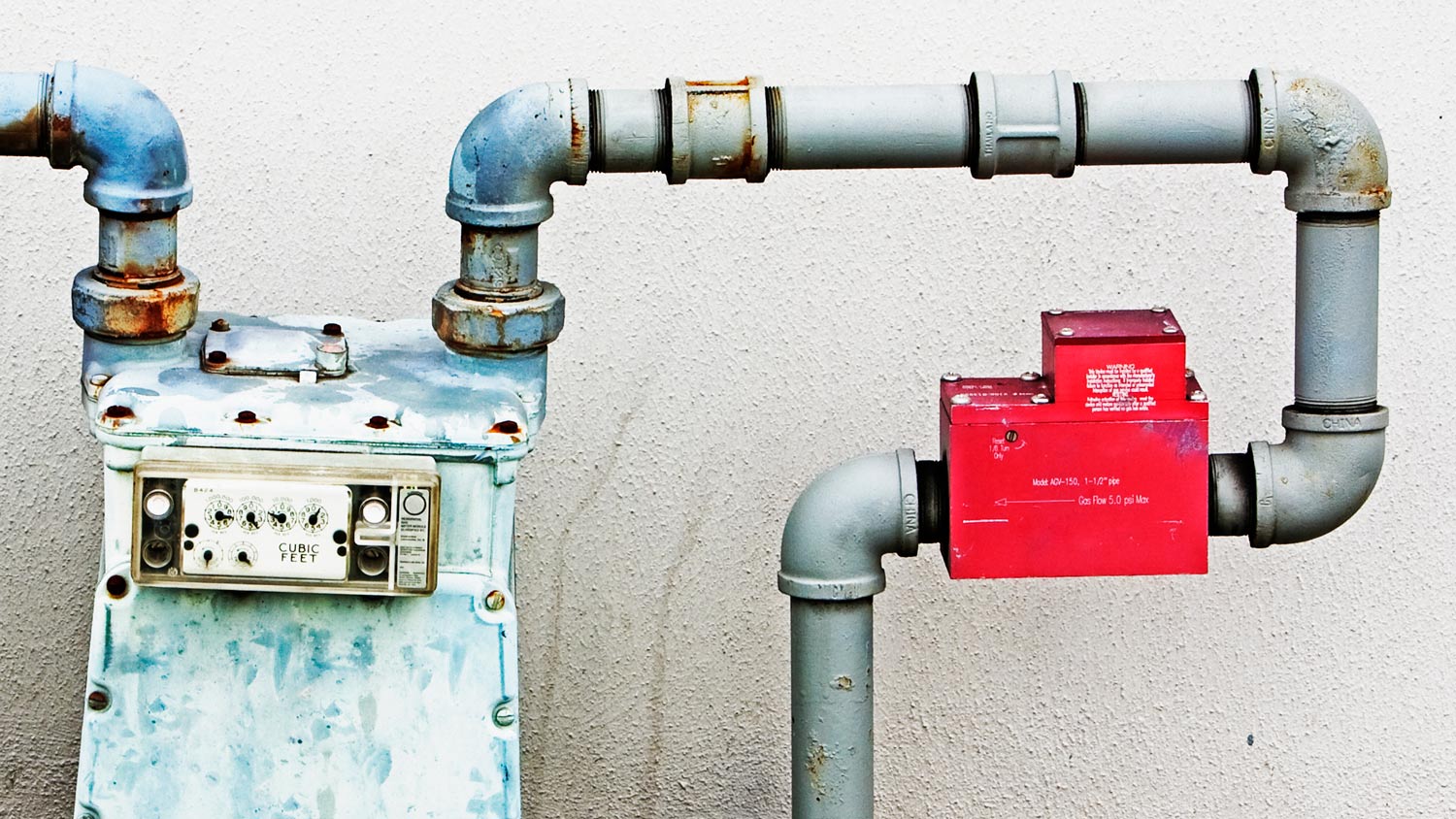
Credit: www.angi.com
Safety Precautions
Ensuring safety is crucial when shutting off your home gas valve. Gas leaks can pose serious risks. Taking the right precautions can prevent accidents and protect your home.
Ventilating Your Home
Open all windows and doors to let fresh air in. This reduces gas concentration if there's a leak. Avoid staying in enclosed areas during this process. Proper ventilation minimizes inhalation risks and helps maintain safety.
Avoiding Open Flames
Do not light candles, matches, or other open flames. Gas is highly flammable, and even a small spark can cause an explosion. Turn off any electronic devices that could create a spark. Keeping the area flame-free is essential for safety.
When To Call A Professional
Knowing when to call a professional for shutting off your home gas valve can save you from dangerous mistakes. While it’s helpful to understand the basics, some situations require expert intervention to keep you and your family safe. Recognizing the signs that need professional help is crucial.
Signs Of Gas Leaks
You should call a professional immediately if you notice any signs of a gas leak. These include a strong smell of rotten eggs or sulfur around your home, hissing sounds near gas appliances, or dead plants in your yard close to the gas line.
Feeling dizzy, nauseous, or experiencing headaches can also indicate a gas leak inside your home. Don’t try to locate the leak yourself—turn off the gas supply only if you know how, then leave the area and contact emergency services or a licensed technician.
Handling Complex Situations
Some gas valve issues are too complicated for DIY fixes. If your gas valve is stuck, corroded, or located in a hard-to-reach spot, it’s best to call a professional. Attempting to force the valve open or closed can cause damage or create leaks.
Additionally, if your home’s gas system has multiple valves or is connected to large appliances like heaters or stoves, a professional can ensure everything is safely shut off and restarted. Have you ever faced a problem where turning off the gas seemed riskier than leaving it alone? That’s the moment to ask for expert help.
Tips For Regular Maintenance
Keeping your home gas valve in good condition is more than just a safety measure—it’s about peace of mind. Regular maintenance helps you avoid unexpected problems and ensures your gas system works smoothly. Simple checks and educating your household can make a big difference.
Inspecting The Valve Periodically
Look at your gas valve every few months. Check for signs of rust, damage, or leaks around the valve and connecting pipes. If you notice anything unusual, such as a strong gas smell or visible wear, don’t ignore it—call a professional immediately.
Turn the valve off and on gently to make sure it moves freely. Valves can get stuck if left untouched for long periods. This small action can prevent bigger issues when you really need to shut off the gas quickly.
Educating Family Members
Do everyone in your home know where the gas valve is and how to turn it off? If not, take time to teach them. Emergencies don’t wait for instructions, so it’s crucial that everyone can act confidently and quickly.
Practice turning the valve off with your family at least once a year. Ask yourself, how prepared is your household if a gas leak happens while you’re not home? Sharing this knowledge reduces panic and helps protect everyone.
Frequently Asked Questions
How Do I Locate My Home Gas Valve?
Your home gas valve is usually near your gas meter or where the gas line enters your home. Look for a yellow or red handle on a pipe. If unsure, consult your gas utility provider or a professional for safe identification.
What Tools Do I Need To Shut Off The Gas Valve?
Most gas valves can be turned off by hand using the valve handle. Sometimes, a wrench might be required for stuck valves. Always use proper tools and ensure safety by wearing gloves and following instructions carefully.
How Can I Safely Turn Off My Home Gas Valve?
Turn the valve handle clockwise until it stops, usually a quarter turn. This shuts off the gas supply. Avoid using excessive force. If you smell gas or suspect a leak, leave immediately and call emergency services.
When Should I Shut Off My Home Gas Valve?
Shut off your gas valve during emergencies like gas leaks, after natural disasters, or before major repairs. Regularly knowing how to do it helps you respond quickly, preventing accidents and ensuring safety.
Conclusion
Shutting off your home gas valve is simple and important. Knowing how to do it keeps you safe during emergencies. Always find the valve location before you need it. Turn the valve carefully to stop the gas flow. If unsure, call a professional for help.
Practice this skill to stay prepared and calm. Safety starts with knowing what to do. Take action quickly when you smell gas or suspect a leak. Staying safe protects your home and family.

