

Your home network is the gateway to your personal information, devices, and daily online activities. If it’s not secure, you could be leaving the door wide open for hackers, identity thieves, or unwanted guests.
But don’t worry—securing your home network doesn’t have to be complicated or expensive. You’ll discover simple, effective steps to protect your network and keep your digital life safe. Ready to take control and stop worrying about cyber threats? Let’s dive in.

Credit: www.linkedin.com
Common Network Threats
Understanding the common threats to your home network is essential before you can effectively protect it. Many people underestimate how vulnerable their personal Wi-Fi and devices are to cyberattacks. Recognizing the types of threats helps you stay one step ahead and keeps your digital life secure.
Types Of Cyberattacks
Cyberattacks come in various forms, each targeting your network in different ways. Some of the most common include:
- Phishing:Attackers trick you into revealing passwords or personal info through fake emails or websites.
- Malware:Malicious software like viruses or ransomware can infect your devices and steal data.
- Man-in-the-Middle (MitM) attacks:Hackers intercept communication between your device and the internet to steal sensitive info.
- Denial of Service (DoS):Overloading your network with traffic to disrupt your internet access.
- Brute force attacks:Automated attempts to guess your passwords by trying many combinations quickly.
Each of these attacks exploits weaknesses in your network or devices. Have you ever received a suspicious email that seemed oddly personal? That could have been a phishing attempt aimed at your data.
Risks Of Unsecured Networks
Leaving your home network unsecured is like leaving your front door wide open. Anyone nearby can connect and access your internet, devices, or even private files.
- Data theft:Hackers can steal personal information such as banking details or passwords.
- Unauthorized device control:Cybercriminals might take control of your smart home gadgets or computers.
- Bandwidth theft:Neighbors or strangers could use your internet, slowing down your connection.
- Spread of malware:An unsecured network can be a gateway to infect multiple devices.
I once saw a friend struggle with a hacked smart thermostat that was used to spy on their home. That experience made me realize how crucial it is to secure every device connected to your network.
Router Security
Router security is the first line of defense for your home network. It controls the flow of data between your devices and the internet. Protecting your router helps stop unauthorized access and cyber threats. Simple actions can make your router much safer.
Changing Default Credentials
Default usernames and passwords are easy to find online. Hackers use these to break into your router quickly. Change both the username and password to something strong and unique. Use a mix of letters, numbers, and symbols. Avoid common words or simple patterns.
Firmware Updates
Router manufacturers release firmware updates to fix security issues. Keeping your firmware current closes vulnerabilities. Check for updates regularly through the router’s admin panel. Enable automatic updates if your router supports it. Updated firmware improves performance and security.
Configuring Firewall Settings
Your router’s firewall blocks unwanted traffic from reaching your devices. Activate the firewall feature in the router’s settings. Customize rules to allow only trusted connections. Disable remote management unless you need it. A properly set firewall adds a strong security layer to your network.
Wi-fi Protection
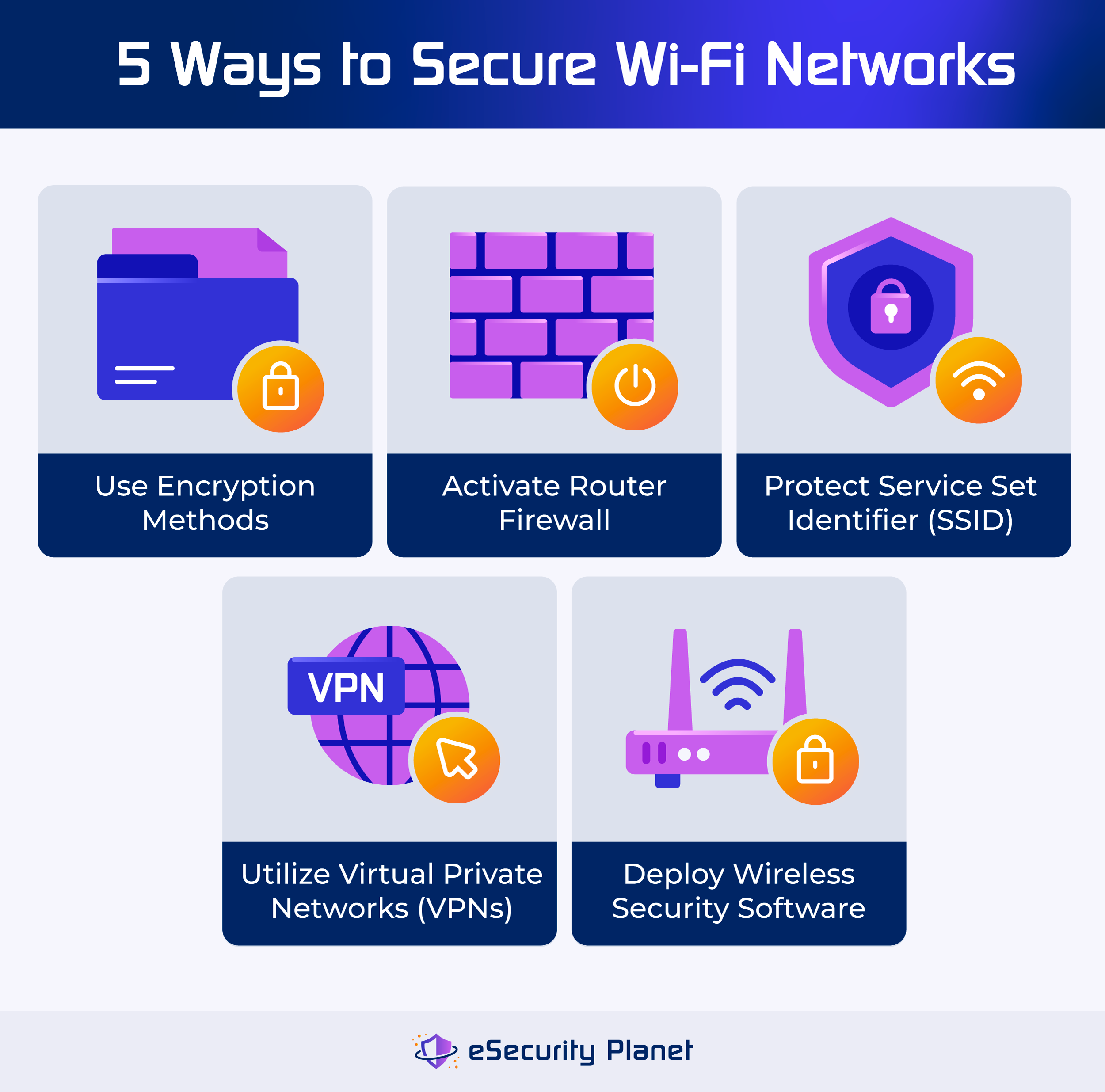
Protect your home network by setting a strong password and updating your router’s firmware regularly. Use WPA3 encryption to keep your Wi-Fi safe from intruders. Limit access by sharing your network only with trusted devices.
Securing your home network is a crucial step in protecting your personal information and ensuring peace of mind. Your Wi-Fi network acts as the gateway to your digital life, making it a prime target for cyber threats. Strengthening your Wi-Fi protection is key to safeguarding your data from unauthorized access. Here are some practical steps you can take to fortify your Wi-Fi security.
Choosing Strong Encryption
The type of encryption you choose for your Wi-Fi network can make a significant difference in its security. Always opt for WPA3 encryption if your router supports it, as it provides the latest and strongest protection. If WPA3 is not available, WPA2 is your next best option. Avoid using WEP encryption, as it is outdated and easily compromised. This choice could be the equivalent of leaving your front door wide open for cyber intruders. Updating your router's firmware regularly ensures you benefit from the latest security enhancements and bug fixes.
Setting Up A Guest Network
Creating a guest network is like having a separate entryway for your visitors. It allows guests to access the internet without exposing your main network to potential threats. Most modern routers offer an option to set up a guest network, and it's a feature worth enabling. This keeps your personal devices and data isolated while still being hospitable to your guests. Consider naming your guest network something simple yet unassuming. You don’t want to give away too much about your home or yourself through the network name.
Hiding Your Network Ssid
By hiding your network SSID, you make your Wi-Fi network less visible to potential intruders. This doesn’t make your network invisible, but it does add an extra layer of security. To hide your SSID, you’ll need to access your router’s settings. Once there, look for the option labeled something like "SSID Broadcast" or "Visibility" and disable it. Keep in mind, while this step can deter casual snoopers, determined hackers may still find ways to locate your network. It’s a useful step in conjunction with the others, not a standalone solution. As you implement these strategies, consider how secure you feel knowing your network is better protected. What other steps could you take to further enhance your home’s digital security?
Credit: www.esecurityplanet.com
Device Security
Device security is a key part of protecting your home network. Each device connected to your network can be an entry point for threats. Securing your devices helps block unwanted access and keeps your personal information safe. Simple habits and tools make a big difference.
Updating Software Regularly
Keep all devices’ software up to date. Updates fix security flaws and bugs. Set devices to update automatically whenever possible. This includes your computer, smartphone, router, and smart home gadgets. Outdated software is an easy target for hackers.
Using Antivirus Tools
Install antivirus software on all devices that support it. Antivirus programs scan for malware and suspicious activity. Choose trusted antivirus tools with real-time protection. Run regular scans to catch hidden threats early. This adds a strong layer of defense.
Disabling Unused Features
Turn off device features that you do not use. Unused services can create security gaps. Examples include Bluetooth, file sharing, and remote access. Check device settings and disable unnecessary options. This reduces the chance of unauthorized access.
Password Management
Managing your passwords effectively is one of the simplest yet most powerful ways to secure your home network. Weak or reused passwords can give hackers an easy entry point into your devices and personal data. Taking control of your password habits can drastically reduce your risk and give you peace of mind.
Creating Strong Passwords
Strong passwords are the first line of defense for your home network. Use a mix of uppercase letters, lowercase letters, numbers, and special characters. Avoid common words, names, or easily guessable info like birthdays.
Think about a password like “G7v!qP3zrT” instead of “password123.” It might seem hard to remember, but the complexity makes it tough for attackers. Have you ever tried cracking a password with random characters? It takes way longer than guessing simple ones.
Using Password Managers
Keeping track of multiple strong passwords can be overwhelming. Password managers solve this problem by securely storing your passwords and filling them in automatically. This lets you use unique, complex passwords for every device and account without the hassle.
Many password managers also generate strong passwords for you. I started using one after forgetting my router’s admin password for the third time. It saved me hours of frustration and made updating passwords painless. Would you trust a tool that guards your keys better than you can?
Changing Passwords Periodically
Even strong passwords can become vulnerable over time, especially if data breaches happen. Changing your passwords regularly reduces the risk of unauthorized access. Aim to update your critical passwords, like those for your router and Wi-Fi, every few months.
Set reminders or use your password manager’s alert features to keep track. Think about it: if someone captured your password last year, do you want them still having access today? Regular changes cut off their entry.

Credit: www.reddit.com
Network Monitoring
Network monitoring is a key part of keeping your home network safe. It means keeping an eye on what’s happening inside your network so you can spot problems early. By regularly checking your network, you reduce the chance of hackers sneaking in unnoticed.
Checking Connected Devices
Start by reviewing all devices connected to your network. Your router’s admin page usually shows a list of these devices with their IP addresses and device names. If you see a device you don’t recognize, it might be an intruder trying to access your network.
Make it a habit to check this list once a week. You’ll quickly notice if something new appears. Have you ever found a device you didn’t expect? It’s a red flag that your network needs a stronger password or better security settings.
Detecting Unusual Activity
Unusual activity can mean sudden spikes in data usage or devices connecting at odd times. These signs often point to someone using your network without permission. Pay attention to slow internet speeds or unexpected disconnections, which may also indicate problems.
Ask yourself: Is my network acting differently today? Spotting these changes early helps stop threats before they cause damage. Don’t ignore strange activity just because it’s inconvenient to investigate.
Using Monitoring Tools
There are many tools available to help you monitor your network more easily. Apps like Fing or GlassWire give you real-time insights into connected devices and data flow. These tools send alerts when something unusual happens, so you don’t have to check manually all the time.
Using monitoring software means you can act fast if an issue arises. Have you tried any network monitoring apps yet? Installing one might be the simplest step toward securing your home network today.
Advanced Protections
Advanced protections take your home network security beyond the basics. They add layers that make it much harder for hackers to break in or snoop on your data. These measures might seem technical at first, but they’re powerful tools you can use to keep your digital life safe.
Enabling Vpns
A VPN (Virtual Private Network) encrypts your internet traffic and hides your IP address. This means your online activities stay private, even on public Wi-Fi. You can set up a VPN on your router or individual devices, giving you a secure tunnel for all your data.
Think about the last time you connected to a coffee shop Wi-Fi. Without a VPN, your information could be visible to others on the same network. With a VPN, you block that risk entirely, protecting sensitive data like passwords and financial info.
Setting Up Network Segmentation
Network segmentation divides your home network into separate sections. This way, your smart devices, computers, and guest connections don’t share the same space. If one device is compromised, the attacker won’t easily access the rest of your network.
For example, you can create a guest Wi-Fi for visitors or isolate smart home gadgets like cameras and thermostats. This limits the damage if any device gets hacked and keeps your more critical devices safer.
Implementing Two-factor Authentication
Two-factor authentication (2FA) adds an extra step to your login process. Even if someone steals your password, they still need a second form of verification like a text code or an app notification. This drastically reduces the chances of unauthorized access.
You can enable 2FA on your router’s admin panel and on important online accounts linked to your network. Ask yourself: how valuable is the data on your network, and is a simple password really enough to protect it?
Frequently Asked Questions
How Do I Change My Wi-fi Password Safely?
Changing your Wi-Fi password prevents unauthorized access. Use a strong, unique password with letters, numbers, and symbols. Access your router’s settings via its IP address. Update the password regularly to maintain network security and protect your personal data from hackers.
What Is The Best Encryption For Home Networks?
WPA3 is the most secure encryption for home Wi-Fi networks. It offers stronger protection than WPA2. Always enable WPA3 in your router settings to safeguard your data. Avoid outdated protocols like WEP, as they are vulnerable to attacks and can compromise your network.
How Can I Prevent Unauthorized Devices On My Network?
Use MAC address filtering to allow only trusted devices. Regularly check connected devices through your router’s interface. Change your Wi-Fi password if unknown devices appear. This helps keep intruders off your network and protects your home from cyber threats.
Should I Use A Guest Wi-fi Network At Home?
Yes, a guest Wi-Fi isolates visitors from your main network. It prevents access to your personal files and devices. Enable guest networking in your router settings and set a separate password. This enhances security while allowing safe internet access for guests.
Conclusion
Securing your home network keeps your data safe from threats. Change default passwords to strong, unique ones. Update your router’s software regularly to fix vulnerabilities. Use a firewall and enable network encryption for extra protection. Limit devices that connect to your network.
Stay alert for unusual activity or slow internet speeds. Small steps make a big difference in security. Protecting your network protects your privacy and devices. Start today to create a safer online space at home.

