Are you staring at your walls, frustrated by the sticky remnants of wallpaper adhesive? You're not alone.
Many homeowners like you have faced the challenge of removing wallpaper, only to be left with stubborn glue that just won't budge. But don't worry—there's a solution, and it’s easier than you think. Imagine transforming your walls back to their pristine state without the stress.
In this guide, you'll discover simple, effective methods to say goodbye to that pesky adhesive once and for all. Ready to reclaim your walls and restore their beauty? Keep reading to learn how!
Tools And Materials Needed
Removing wallpaper adhesive can be a sticky challenge, but having the right tools and materials makes the task much easier. Before you start scraping and cleaning, gather everything you need to protect your walls and speed up the process. The right supplies not only save time but also protect your surfaces from damage.
Essential Cleaning Supplies
- Warm Water:Softens the adhesive, making it easier to remove.
- Dish Soap or Wallpaper Removal Solution:Breaks down sticky residue effectively.
- Sponge or Soft Cloth:For applying the solution and wiping down surfaces gently.
- Plastic Scraper:Helps lift adhesive without scratching walls.
- Bucket:Holds your cleaning solution and water for easy access.
- Drop Cloth or Old Towels:Protect your floors from drips and debris.
Have you noticed how using a plastic scraper instead of metal can prevent unwanted wall damage? It’s a small choice that makes a big difference.
Optional Tools For Stubborn Adhesive
- Vinegar or Ammonia:Acts as a natural solvent for tough, dried-on glue.
- Spray Bottle:To evenly distribute your cleaning solution.
- Heat Gun or Hair Dryer:Warms adhesive, softening it for easier removal.
- Putty Knife:Useful for scraping off thicker adhesive patches.
- Rubber Gloves:Protect your hands from chemicals and irritation.
Sometimes, stubborn adhesive refuses to budge. Have you tried heating it up first? Heat often loosens the glue, saving you from excessive scrubbing.

Credit: www.thisoldhouse.com
Prepare The Room
Preparing the room is a key step before removing wallpaper adhesive. It helps protect your home and makes the process easier. Taking a little time now saves cleanup later. Clear the area and get ready for work.
Protect Floors And Furniture
Cover floors with plastic sheets or old towels to catch drips. Tape edges to keep covers in place. Move furniture out of the room if possible. Use drop cloths on any remaining pieces. This prevents damage from water and adhesive residue.
Ensure Proper Ventilation
Open windows and doors to allow fresh air inside. Use fans to improve airflow. Good ventilation helps dry walls faster and reduces fumes from cleaning solutions. It also makes the room safer and more comfortable to work in.
Initial Adhesive Removal
Removing wallpaper adhesive is a key step before painting or applying new wallpaper. The initial removal makes the surface smooth and clean. It helps avoid bumps and peeling later. Start by addressing the thick glue spots. Then soften the residue for easy cleaning.
Scraping Off Excess Glue
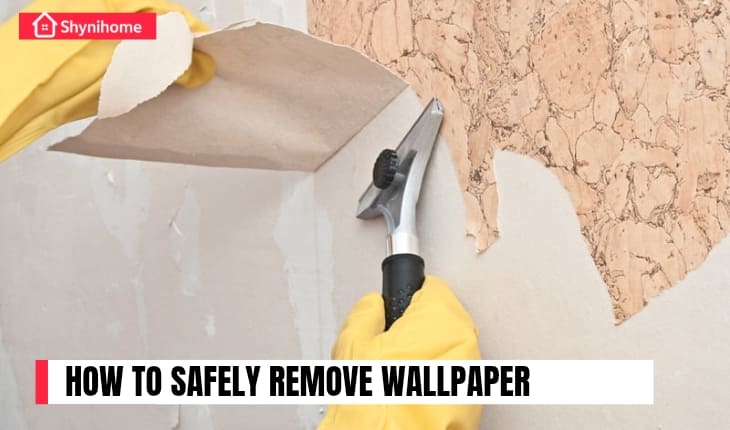
Use a plastic scraper or putty knife to remove thick glue. Hold the scraper at a low angle to avoid wall damage. Work gently and scrape off large glue patches. This clears the surface and exposes thin adhesive layers. Remove as much glue as possible in this step.
Using Warm Water And Sponge
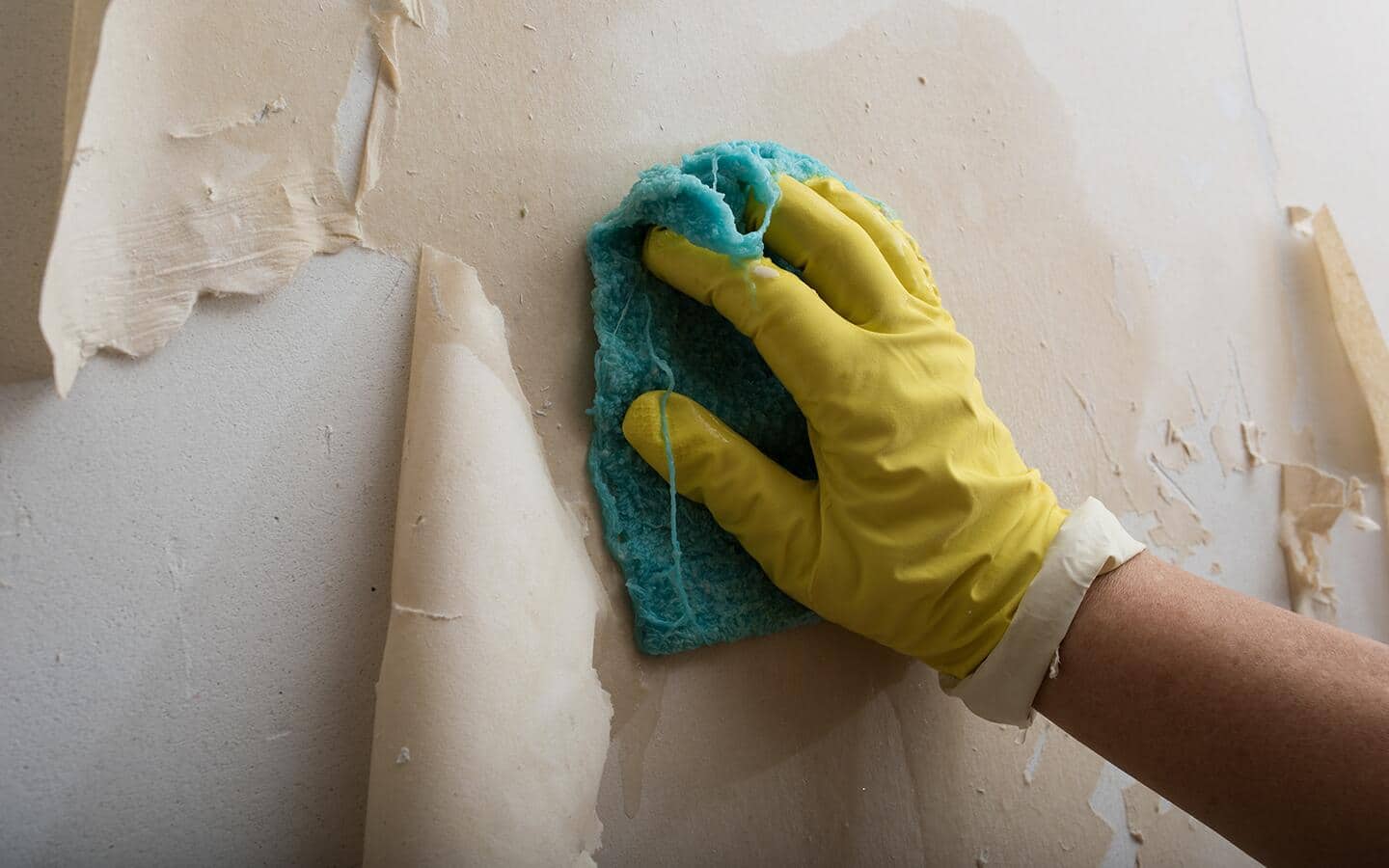
Soak a sponge in warm water and wring out extra liquid. Dab the sponge on glue residue to soften it. Let the water sit for a few minutes to loosen adhesive. Wipe the surface gently to lift the softened glue. Repeat until the wall feels smooth and clean.
Applying Adhesive Remover
Applying adhesive remover is a crucial step in tackling stubborn wallpaper glue. The right remover softens the residue, making it easier to scrape off without damaging your walls. You might wonder whether to use something from your kitchen or a store-bought product—both have their advantages.
Homemade Solutions
Homemade adhesive removers are often gentle and budget-friendly. A popular mix is warm water combined with a bit of dish soap, which can loosen adhesive without harsh chemicals.
Another effective homemade option is vinegar diluted with water. Vinegar’s natural acidity helps break down glue, and it’s safe for most wall surfaces.
To apply, soak a sponge or cloth in your chosen solution, then press it onto the adhesive for several minutes. This gives the remover time to penetrate and soften the glue, reducing the effort needed to scrape it off.
Commercial Products
Commercial adhesive removers offer stronger formulas designed specifically for wallpaper glue. These products often contain solvents that dissolve adhesive quickly, which can save you time on tough spots.
Look for removers labeled as safe for painted walls to avoid damage. Always test a small, hidden area first to check for any adverse reactions.
Applying these products usually involves spraying or spreading the remover on the adhesive, waiting as directed, then scraping gently. The convenience and effectiveness often justify the cost, especially for large areas or stubborn glue.
Scrubbing And Cleaning
Removing wallpaper adhesive requires patience and the right scrubbing techniques. This stage cleans the wall and prepares it for painting or new wallpaper. The goal is to remove glue without damaging the wall surface. Use gentle methods first, then tackle tough spots carefully.
Soft Scrubbing Techniques
Start with a sponge or soft cloth soaked in warm, soapy water. Gently rub the adhesive in small circles. Avoid harsh scrubbing that can harm drywall or plaster. Rinse the sponge often to remove sticky residue. Repeat until most glue softens and lifts off.
Try using a mixture of vinegar and water for extra cleaning power. It breaks down adhesive without harsh chemicals. Dab the solution on the wall and wait a few minutes before scrubbing again. This method works well on fresh or light adhesive stains.
Handling Stubborn Residue
For tough glue spots, use a plastic scraper to lift the adhesive carefully. Avoid metal tools that can scratch the wall. After scraping, apply a wallpaper adhesive remover or a mixture of baking soda and water. Let it sit for 10 minutes to soften the residue.
Use a scrub brush with soft bristles to work on the sticky areas. Apply gentle pressure and check progress frequently. Repeat the process until all glue disappears. Finally, wipe the wall with clean water to remove any leftover solution and residue.

Credit: www.reddit.com
Rinsing And Drying
After scraping off the wallpaper adhesive, rinsing and drying your walls is essential to get rid of any leftover sticky residue and cleaning agents. This step ensures your walls are clean and ready for the next phase, whether you’re painting or applying new wallpaper. Skipping this step can lead to problems like peeling paint or poor wallpaper adhesion.
Removing Cleaning Residue
Use a sponge or cloth soaked in clean, warm water to wipe down the walls thoroughly. This helps remove any soap or adhesive remnants that can interfere with your next step.
Change the water frequently to avoid spreading the residue around. If you notice stubborn sticky spots, try a mixture of water and vinegar to break down the residue more effectively.
How often do you check your walls for leftover adhesive? Taking a close look now can save you from headaches later.
Preparing Wall For Painting Or Wallpaper
Once the walls are rinsed, dry them completely using a clean towel or let them air dry. Moisture trapped in the wall can cause paint to bubble or wallpaper to peel.
After drying, inspect the surface for any rough patches or leftover adhesive. Sand these areas gently to create a smooth surface that’s perfect for painting or re-wallpapering.
Before you start your project, consider using a primer. Priming seals the wall and improves the adhesion of paint or wallpaper, giving your room a fresh, flawless finish.
Tips For Tough Adhesive
Dealing with tough wallpaper adhesive can test your patience. It clings stubbornly, making removal feel like a never-ending chore. But with the right approach, you can soften that grip and clear your walls without endless scrubbing or damage.
Using Heat To Loosen Glue
Heat is a powerful ally against sticky wallpaper glue. Applying warmth softens the adhesive, making it easier to scrape off. You can use a hairdryer or a heat gun on a low setting—hold it a few inches from the wall and move it slowly over the adhesive.
Be patient and don’t rush; heating the area evenly helps prevent damage. After a minute or two, test with a putty knife or scraper—if the glue peels off smoothly, keep going. If not, apply more heat before trying again.
Avoiding Wall Damage
It’s tempting to scrape hard, but aggressive scraping can harm your drywall or plaster. Use a plastic putty knife instead of metal to minimize scratches. Take your time and apply heat first to make the adhesive softer.
If you notice any paint lifting or wall surface starting to peel, stop and add more heat or a gentle adhesive remover. Your goal is to protect the wall’s surface while removing residue, not to strip away layers beneath.
Credit: shynihome.com
Frequently Asked Questions
How Do I Remove Wallpaper Adhesive Effectively?
To remove wallpaper adhesive, use warm water mixed with vinegar or a commercial adhesive remover. Apply the solution, let it sit for 10-15 minutes, then gently scrape off the residue with a plastic scraper. Clean the surface with a damp cloth afterward.
Can I Use Steam To Remove Wallpaper Glue?
Yes, a wallpaper steamer softens adhesive, making removal easier. Hold the steamer against the wall for a few minutes, then scrape off softened glue. Always test a small area first to avoid damaging the wall surface.
What Tools Help Remove Wallpaper Adhesive Quickly?
Use a plastic scraper, sponge, spray bottle, and adhesive remover solution. A wallpaper steamer or vinegar-water mixture also speeds up removal. These tools make the process efficient and reduce wall damage.
Is Vinegar Safe For Removing Wallpaper Glue?
Yes, vinegar is a natural, safe adhesive remover. Mix equal parts warm water and vinegar, apply to the adhesive, and let it sit. It softens glue, making scraping easier without harsh chemicals or damage.
Conclusion
Removing wallpaper adhesive does not have to be hard or messy. Use warm water and a scraper to start gently. For tough spots, try a mixture of vinegar and water. Take your time and work in small sections. Clean the wall well to prepare for new paint or wallpaper.
With patience, you can make your walls smooth and clean again. Ready for a fresh, new look? Now, you know how to remove wallpaper adhesive safely and easily.

