Have you ever tried to hang something on your wall and ended up with stubborn metal wall anchors stuck inside? Removing these anchors can be frustrating and tricky if you don’t know the right method.
But don’t worry—this guide will show you simple, effective ways to get those metal wall anchors out without damaging your walls. By the end, you’ll feel confident tackling this common home repair task yourself. Keep reading to learn the easy steps that make removing metal wall anchors quick and hassle-free.

Credit: www.reddit.com
Types Of Metal Wall Anchors
Metal wall anchors hold heavy items on walls. They come in different styles. Each style works best for certain walls and weights.
Knowing the types helps you remove them safely. Here are common metal wall anchors you may find.
Expansion Anchors
Expansion anchors are metal sleeves that expand inside the wall. They hold tight when a screw is inserted. These anchors work well in drywall and masonry.
To remove an expansion anchor, unscrew the bolt first. Then, push or pull the metal sleeve out. Sometimes, it may need gentle tapping to come out.
Toggle Bolts
Toggle bolts have wings that open inside the wall. They spread the load over a larger area. This makes them strong for heavy objects.
- Insert the bolt with closed wings through the wall hole.
- Wings open inside the wall to hold tight.
- To remove, first unscrew the bolt.
- Then, pull the wings back through the hole carefully.
Molly Bolts
| Feature | Description |
|---|---|
| Design | Hollow metal sleeve with expandable legs |
| Use | Good for drywall and plaster walls |
| Installation | Insert and tighten to expand legs inside wall |
| Removal | Unscrew bolt, then pull or push sleeve out |
Molly bolts expand behind the wall when tightened. They hold firmly but can be removed by reversing the process. Sometimes, the sleeve may stay and need to be pushed inside the wall.

Credit: www.reddit.com
Tools Needed For Removal
Removing metal wall anchors requires the right tools. These tools help you do the job quickly and safely.
Below are essential tools you need to remove metal wall anchors effectively. Make sure you have them ready before you start.
Screwdriver
A screwdriver helps in loosening screws inside the anchor. Select the correct type to fit the screw head.
Pliers
Pliers provide a firm grip to pull out the anchor. They are useful when the anchor is stuck.
- Needle-nose pliers for tight spaces
- Slip-joint pliers for better leverage
Drill
Drills help in creating a hole for easier anchor removal. Use a drill bit that matches the anchor size.
Putty Knife
A putty knife helps smooth the wall after removing the anchor. It fills holes for a clean finish.
| Tool | Purpose |
| Screwdriver | Loosen screws |
| Pliers | Pull anchors |
| Drill | Create holes |
| Putty Knife | Smooth wall |
Preparing The Area
Removing metal wall anchors needs careful preparation. This helps protect your wall and makes the job easier.
Start by setting up the area around the anchor. This prevents damage and keeps tools handy.
Clear The Surrounding Space
Remove any furniture or objects near the wall anchor. This gives you enough room to work safely.
- Move chairs, tables, and decorations away from the wall
- Lay down a drop cloth or old sheet to catch debris
- Gather tools like pliers, a screwdriver, and a putty knife nearby
- Ensure good lighting to see the anchor clearly
Protect The Wall Surface
Cover the wall around the anchor to avoid scratches and marks during removal.
- Use painter’s tape around the anchor area
- Place a thin cloth or cardboard behind tools
- Work gently to avoid cracking the paint or drywall
Step-by-step Removal Methods
Metal wall anchors hold things firmly on your walls. Removing them needs care to avoid damage. This guide shows easy ways to take them out safely.
Follow these steps based on the type of anchor you have. Each type needs a different method for removal.
Removing Expansion Anchors
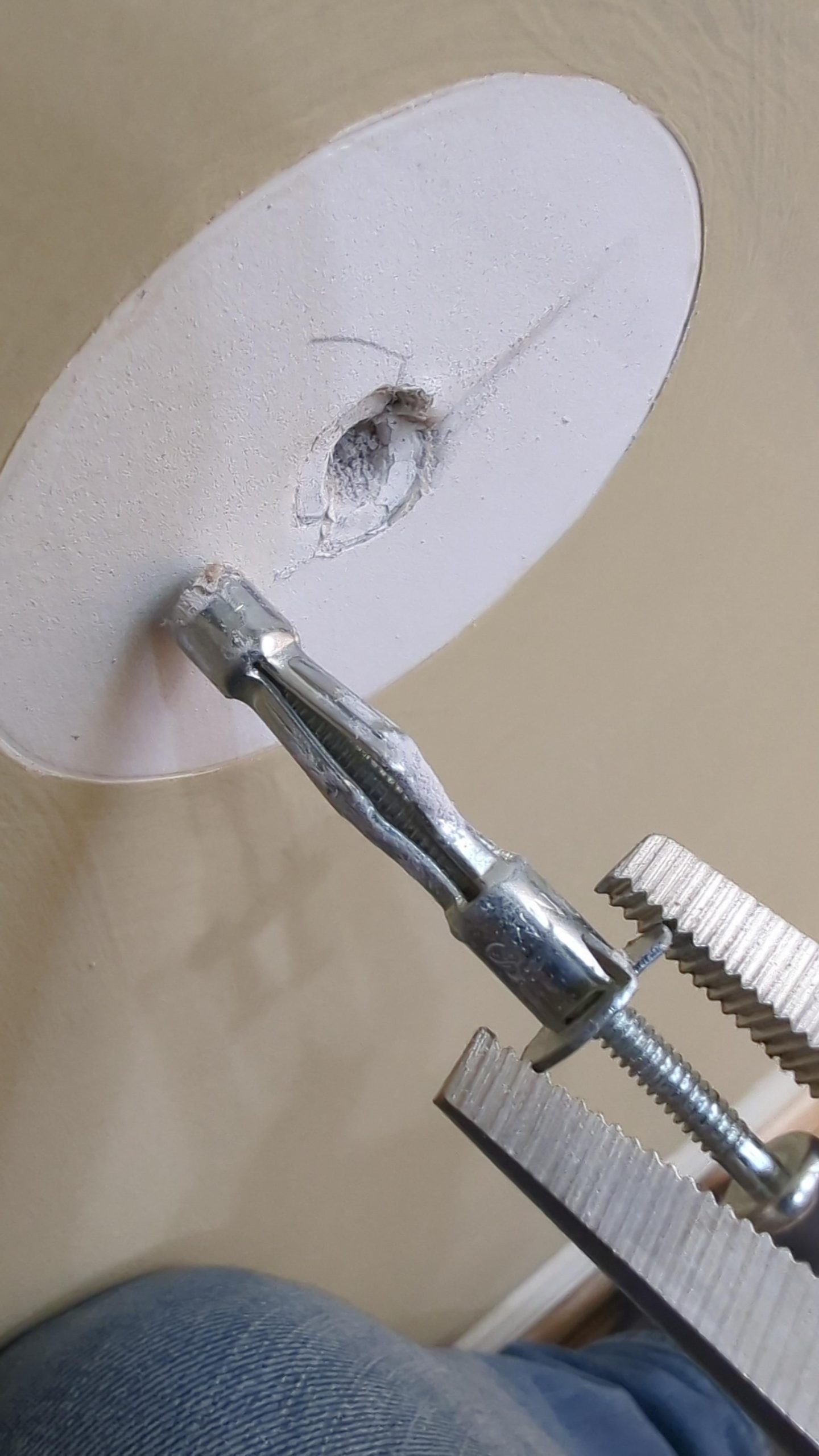
Expansion anchors spread inside the wall to hold tight. To remove them, you will need pliers and a drill.
- Use pliers to grip the anchor’s outer edge gently.
- Try pulling it straight out without twisting.
- If it doesn’t come out, drill into the center of the anchor slowly.
- Once drilled, the anchor will loosen and fall out.
- Fill the hole with spackle to smooth the wall.
Taking Out Toggle Bolts
Toggle bolts have wings that open behind the wall for support. Removing them takes a careful approach.
Follow these steps to remove toggle bolts:
- Unscrew the bolt by turning it counterclockwise.
- Keep turning until the bolt and wings come out together.
- If wings stay inside the wall, push them into the cavity gently.
- Patch the hole with a wall filler for a smooth finish.
Extracting Molly Bolts
Molly bolts expand behind the wall and lock in place. Removing them might need some extra effort.
| Tool | Purpose |
|---|---|
| Pliers | To grip and pull the bolt |
| Screwdriver | To loosen the bolt if needed |
| Drill | To break the anchor if it won’t budge |
Use this method to remove molly bolts:
- Try unscrewing the bolt with a screwdriver.
- Grip the bolt head with pliers and pull it out slowly.
- If it stays stuck, drill into the anchor carefully to break it.
- Remove any leftover parts and fill the hole.
Handling Stubborn Anchors
Metal wall anchors can be hard to remove. They often stick tightly in the wall. Using the right tools and methods helps remove them safely.
Two common ways to handle stubborn anchors are using pliers or drilling them out. Each method works well in different situations.
Using Pliers For Grip
Pliers provide a strong grip to pull out metal anchors. Needle-nose pliers work best for small or narrow anchors.
- First, try to wiggle the anchor gently to loosen it.
- Grip the anchor head firmly with the pliers.
- Pull straight out to avoid damaging the wall.
- If it does not come out, stop to avoid breaking the anchor.
Drilling Out The Anchor
Drilling removes the anchor by breaking it inside the wall. Use a drill bit slightly smaller than the anchor diameter.
| Tool | Use |
| Drill | To break the anchor inside the wall |
| Drill Bit | Smaller than anchor size for control |
| Screwdriver | To remove any loose pieces |
| Vacuum | To clean up dust and debris |
Drill slowly and carefully to avoid wall damage. After drilling, remove anchor pieces with a screwdriver or pliers. Clean the hole before patching.
Repairing The Wall After Removal
Removing metal wall anchors often leaves holes or damage on the wall. Fixing the wall helps make it look smooth again. This guide shows easy ways to repair the wall after taking out metal anchors.
Proper wall repair can prepare the surface for painting or other finishes. You need to fill holes, smooth the surface, and repaint carefully.
Filling Holes
Start by cleaning the holes left by the anchors. Remove any dust or loose material inside. Use a putty knife to apply wall filler or spackle into each hole. Press the filler well to fill the hole completely.
Let the filler dry as the product instructions say. If the hole is large, apply filler in layers. Wait for each layer to dry before adding more. This ensures a solid repair.
Sanding And Smoothing
Once the filler is dry, use fine-grit sandpaper to smooth the surface. Sand gently until the patched area is even with the wall. This step removes bumps and rough edges.
After sanding, wipe the wall with a damp cloth to clear away dust. Check the wall by touch and sight to make sure it feels smooth and looks flat.
Repainting Tips
Before painting, use a primer on the repaired spots. Primer helps paint stick and hides the patch. Choose a primer made for your wall type.
Apply paint that matches the wall color. Use a brush or roller for even coverage. Paint in thin layers and let each dry before adding another.
- Prime patched areas first
- Use matching paint color
- Paint in thin, even coats
- Allow drying time between coats
Preventing Damage During Removal
Removing metal wall anchors can damage your wall. Using the right methods helps keep the wall smooth. This guide shows ways to protect your wall while removing anchors.
Focus on gentle techniques and careful handling. Avoid pulling or twisting hard to stop cracks and holes.
Applying Gentle Pressure
Apply light pressure when pulling out metal anchors. Pressing too hard can break the wall surface or make the hole bigger. Use tools that help control the force you apply.
- Use pliers to grip the anchor firmly but gently.
- Pull straight out without bending or twisting.
- Stop if the anchor feels stuck to avoid wall damage.
- Try pushing the anchor inside carefully if pulling is hard.
- Use a putty knife to support the wall around the anchor.
Avoiding Wall Surface Scratches
Scratches appear when tools scrape the wall. Protect the surface by covering edges and working slowly. This keeps the paint and drywall safe.
| Tool | How to Protect Wall |
|---|---|
| Pliers | Wrap jaws with tape before gripping anchor |
| Putty Knife | Slide carefully under anchor, avoid scraping |
| Screwdriver | Use to pry gently, keep blade edge away from paint |
Credit: www.diychatroom.com
Frequently Asked Questions
How Do I Safely Remove Metal Wall Anchors?
To safely remove metal wall anchors, use pliers to grip and gently pull the anchor out. If it resists, twist slightly while pulling. Avoid damaging the wall by working slowly and carefully.
What Tools Are Needed To Remove Metal Wall Anchors?
You need pliers, a screwdriver, and possibly a drill for stubborn anchors. A putty knife and wall filler help repair holes afterward. These basic tools make removal efficient and clean.
Can I Reuse Metal Wall Anchors After Removal?
Metal wall anchors are generally not reusable after removal. They deform or lose grip when pulled out. It’s best to use new anchors to ensure secure wall mounting.
How To Fix Holes After Removing Metal Anchors?
Fill holes with spackle or wall filler using a putty knife. Let it dry, then sand smooth. Finally, repaint the area to match the wall for a seamless finish.
Conclusion
Removing metal wall anchors does not have to be hard. Use the right tools and take your time. Gently pull or twist the anchor to avoid damage. Fill holes afterward for a smooth, clean surface. This keeps your walls safe and neat.
Now, you can hang new items easily. Simple steps bring great results. Try these tips for your next project.

