Got sticky residue messing up your beautiful wood floors? You're not alone.
Dealing with adhesive on wood can be a real headache, and if you're not careful, you might end up damaging your floor. But don't worry! You're about to discover some simple, effective methods to safely remove adhesive from wood floors.
Imagine the satisfaction of seeing your floors restored to their natural beauty, free from any sticky mess. Intrigued? Keep reading, because the solution to your sticky situation is just a few steps away.

Credit: www.youtube.com
Causes Of Adhesive On Wood Floors
Adhesive on wood floors can be a real headache. It often appears unexpectedly, leaving you wondering how it got there and how to remove it without damaging your floor. Understanding the causes of adhesive buildup is the first step to tackling the problem effectively.
Common Sources Of Adhesive
Adhesive on wood floors usually comes from everyday household activities or past renovations. You might find glue residue from old carpet installations or tape left behind after a painting project.
Sometimes, stickers or labels placed on the floor can leave sticky patches. Even craft projects or children’s toys with adhesive bases can cause spots on your wood floor.
Have you ever moved furniture with felt pads that started to peel? Those pads often have glue that can stick stubbornly to the wood. Identifying where the adhesive came from helps you choose the right removal method.
Types Of Adhesives Found On Wood
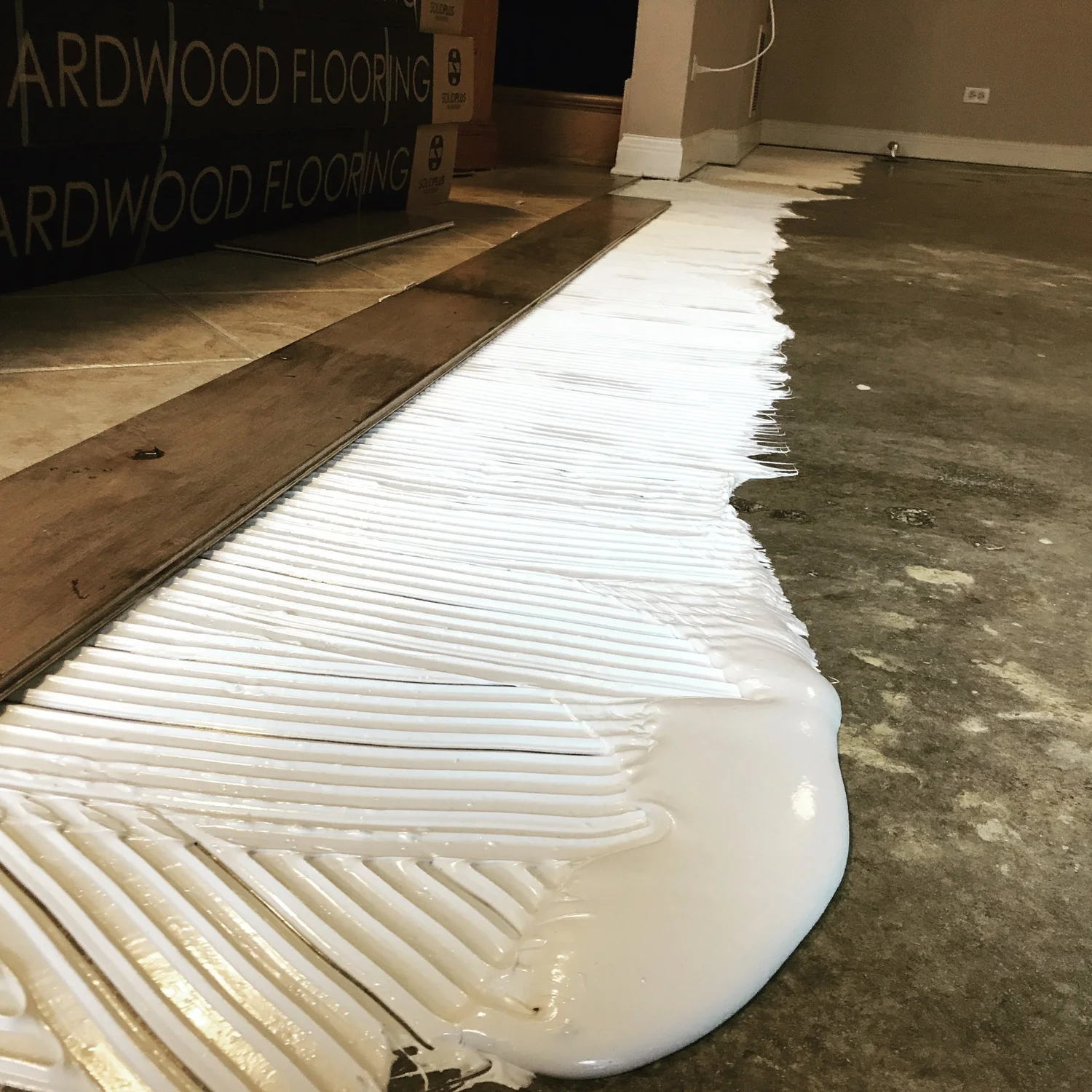
Not all adhesives are the same. Some are water-based glues, which are easier to clean, while others are stronger, like epoxy or construction adhesive.
Sticky tape residue is usually a type of pressure-sensitive adhesive that can harden over time. Meanwhile, wood glue or carpenter’s adhesive can soak into the wood grain, making removal trickier.
Understanding the type of adhesive on your floor tells you what solvents or tools might work best. Is it a simple sticky tape residue or a heavy-duty glue? Your approach will change accordingly.
Safety Precautions Before Removal
Removing adhesive from a wood floor can be tricky and sometimes hazardous. Before you start scraping or applying any chemicals, it’s crucial to prepare properly. Taking safety precautions protects your health and prevents damage to your flooring.
Protective Gear To Wear
Always wear gloves to protect your skin from harsh adhesives and solvents. Nitrile gloves are a good choice because they resist chemicals better than latex. Eye protection is equally important—goggles shield your eyes from splashes and flying debris.
Consider wearing a mask, especially if you use chemical removers. A simple dust mask can help, but a respirator with organic vapor cartridges offers better protection against fumes. Have you ever felt dizzy or nauseous after working with glue removers? That’s your body telling you to be cautious.
Ventilation And Workspace Setup
Open windows and doors to let fresh air flow through the room. Good ventilation reduces the concentration of harmful fumes, making your work environment safer. If you don’t have many windows, use a fan to push air outside.
Clear the area of furniture and rugs to avoid accidental damage. Lay down a drop cloth or old towels to catch drips or residue. Planning your workspace before starting saves time and keeps the process cleaner and more efficient.
Tools And Materials Needed
Removing adhesive from a wood floor requires the right tools and materials to avoid damaging the surface. Using inappropriate products can leave stains or scratches, so choosing carefully is crucial. Below, you'll find a clear breakdown of both household items and specialized products that can make your job easier and safer.
Household Items
You might already have some effective adhesive removers right in your home. These items are usually gentle on wood but still powerful enough to tackle sticky residues.
- Warm Soapy Water:A simple mix of dish soap and warm water can soften fresh adhesive, making it easier to wipe away.
- White Vinegar:This natural acid breaks down adhesive residues without harsh chemicals. Soak a cloth and let it sit on the spot for a few minutes.
- Olive Oil or Cooking Oil:Oils can loosen sticky glue. Apply a small amount and rub gently with a soft cloth.
- Razor Blade or Plastic Scraper:Use these carefully to lift off hardened adhesive without scratching the wood. Plastic scrapers are safer for delicate finishes.
- Microfiber Cloths:These help remove residue without leaving lint or scratches behind.
Have you ever tried vinegar on a tough adhesive spot? It’s surprising how often this common kitchen item saves the day.
Specialized Products
If household items don’t do the trick, specialized products designed for wood floors can be your next choice. These are formulated to remove adhesive safely and effectively.
- Adhesive Remover Gel:Products like Goo Gone or Goof Off are designed to break down glue without harming wood finishes. Apply with a cloth and follow the product instructions carefully.
- Mineral Spirits:A solvent that dissolves sticky residues, but use sparingly and test in a hidden area first to avoid discoloration.
- Wood Floor Cleaner with Solvent:Some cleaners combine gentle solvents with cleaning agents to help remove adhesive and clean the floor simultaneously.
- Fine Steel Wool (0000):For stubborn spots, very fine steel wool used with a wood-safe cleaner can gently lift adhesive without scratching.
Always ask yourself: is this product safe for my wood floor’s finish? Testing on a small, unseen patch can save you from costly damage.
Credit: www.plushardwoodflooring.com
Removing Adhesive With Heat
Removing adhesive from a wood floor can be tricky. Heat softens the sticky residue, making it easier to remove. Using heat carefully protects the wood while loosening the glue. This method works well for many types of adhesives.
Using A Hair Dryer Or Heat Gun
A hair dryer or heat gun heats the adhesive gently. Hold the device a few inches above the sticky area. Move it slowly in small circles to warm the glue evenly. Avoid holding it too close to prevent damage.
Heat softens the adhesive, turning it into a sticky, pliable form. This makes scraping and wiping easier without harming the wood finish. Keep the temperature moderate to protect the floor.
Scraping Techniques
Once the adhesive softens, use a plastic scraper or putty knife. Slide the scraper under the glue gently. Push it forward to lift the residue from the wood surface.
Work in small sections for better control. Avoid sharp metal tools to prevent scratches. Wipe the area with a damp cloth to remove leftover adhesive bits.
Using Solvents Safely
Using solvents to remove adhesive from wood floors requires care and attention. Solvents can damage the wood or affect your health if used wrongly. Always prioritize safety and protect your floor while working.
Choosing The Right Solvent
Select a solvent that is safe for wood surfaces. Some common options include mineral spirits, rubbing alcohol, or commercial adhesive removers. Avoid harsh chemicals like acetone or paint thinner, which can harm the finish.
Test the solvent on a small, hidden area first. This helps check for any discoloration or damage. Use the mildest solvent that effectively softens the adhesive.
Application Tips And Precautions
- Work in a well-ventilated area to reduce inhaling fumes.
- Wear gloves to protect your skin from irritation.
- Apply the solvent sparingly using a soft cloth or cotton ball.
- Let the solvent sit on the adhesive for a few minutes to soften it.
- Gently scrape the adhesive with a plastic scraper or your fingernail.
- Wipe the area clean with a damp cloth after removal.
- Avoid soaking the wood to prevent water damage.
- Dispose of used cloths and solvent safely, away from flames.
Natural And Homemade Solutions
Removing adhesive from wood floors does not always require harsh chemicals. Natural and homemade solutions provide a gentle way to clean without damaging the wood. These options use ingredients commonly found at home. They are safe, eco-friendly, and effective for small to moderate adhesive stains.
Vinegar And Olive Oil Method
Combine equal parts of white vinegar and olive oil in a bowl. Dip a soft cloth into the mixture. Gently rub the adhesive spot in circular motions. The vinegar helps break down the sticky residue. Olive oil moisturizes the wood and prevents drying.
- Apply the mixture and let it sit for 5 minutes.
- Use a clean cloth to wipe away loosened adhesive.
- Repeat if some residue remains.
This method works well on fresh adhesive and protects your floor's finish.
Baking Soda And Water Paste
Mix baking soda with a small amount of water. Stir until it forms a thick paste. Apply the paste directly on the adhesive spot. Let it sit for 10 to 15 minutes. Baking soda gently lifts the adhesive without scratching the wood.
- Use a soft cloth or sponge to rub the paste softly.
- Wipe clean with a damp cloth afterward.
- Dry the area with a towel to avoid moisture damage.
This paste is ideal for tougher adhesive spots and is safe on most wood floors.
Mechanical Removal Methods
Removing adhesive from a wood floor can be tricky. Mechanical removal methods use physical force to lift and scrape off the sticky residue. These techniques work well for tough adhesives that won't come off with just cleaning. They also help protect the wood from damage caused by harsh chemicals.
Sanding Techniques
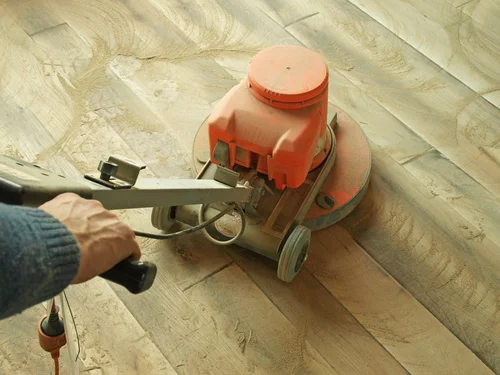
Sanding is a common way to remove adhesive from wood floors. It smooths the surface and takes off sticky spots. Start with coarse sandpaper to break down the adhesive layer. Then switch to finer grit for a smooth finish. Use a sanding block or a floor sander for large areas. Always sand in the direction of the wood grain. This prevents scratches and keeps the floor looking nice.
Wear a mask to avoid breathing in dust. Clean the floor after sanding to remove all residue.
Using Scrapers And Putty Knives
Scrapers and putty knives offer precise control when removing adhesive. Choose a plastic scraper for delicate floors to avoid scratches. Metal scrapers work better on tough adhesive but require care. Hold the scraper at a low angle to gently lift the adhesive. Apply steady pressure and move slowly to avoid gouging the wood.
For stubborn spots, warm the adhesive with a hair dryer first. This softens the glue, making it easier to scrape off. Clean the floor after scraping to get rid of small bits left behind.
Preventing Damage To Wood Floors
Removing adhesive from wood floors can be tricky because you want to clean up without causing lasting damage. Wood is delicate, and harsh treatments can leave scratches, discoloration, or dullness. Protecting the floor during the removal process is just as important as removing the sticky residue itself.
Avoiding Abrasive Tools
It’s tempting to grab a scraper or steel wool to get rid of stubborn glue. But abrasive tools can easily scratch the wood’s surface, making your floor look worse. Instead, use soft cloths, plastic scrapers, or rubber spatulas that won’t harm the finish.
Think about how a tiny scratch might catch more dirt over time or weaken the wood’s protective layer. Would you rather deal with a sticky spot or a scratch that’s there for years? Choosing gentle tools preserves the beauty of your floor while you work.
Testing Methods On Small Areas
Before applying any adhesive remover or homemade solution, test it on a hidden corner or an inconspicuous spot. This small test can reveal if the product causes discoloration or damages the finish.
For example, a vinegar-based cleaner might seem natural but could dull certain finishes. By trying it first, you avoid ruining a large, visible area. Have you ever skipped this step and regretted it? Taking a few minutes to test saves hours of frustration later.
Post-removal Cleaning And Care
After successfully removing adhesive from your wood floor, the next crucial phase is cleaning and caring for the surface. Residue left behind can attract dirt and damage the wood over time. Taking the right steps now will help preserve the beauty and longevity of your flooring.
Cleaning Residue
Adhesive removal often leaves behind sticky or oily residue. Use a soft cloth dampened with warm water and a mild dish soap to gently wipe the area. Avoid soaking the wood to prevent warping.
If residue persists, try rubbing alcohol or a specialized wood-safe adhesive remover. Test it in an inconspicuous spot first to ensure it won’t damage the finish. You might need to repeat this process a few times for stubborn spots.
Have you noticed your cleaning cloth picking up a lot of grime? That’s a sign to switch to a clean cloth to avoid spreading residue around.
Restoring Floor Finish
Removing adhesive can dull or strip the floor’s finish. To restore its shine, apply a wood floor polish or a small amount of mineral oil. Rub it in with a soft cloth, following the wood grain.
For floors with a polyurethane finish, consider a light buffing using a microfiber cloth to even out the surface. Avoid using wax on polyurethane as it can create a sticky buildup.
If the finish is severely damaged, you might need to lightly sand the area and refinish it. This step is best done carefully or by a professional to maintain a consistent look.
How does your floor feel after cleaning? A smooth, even surface indicates you’re on the right track to full restoration.

Credit: www.abstractfloors.co.nz
When To Call A Professional
Knowing when to call a professional for adhesive removal on your wood floor can save you time, money, and frustration. Some situations are too tricky or risky to handle alone. Understanding the signs and costs involved will help you decide if expert help is the right choice.
Signs You Need Expert Help
If the adhesive has hardened into a thick, stubborn layer, it might be beyond simple DIY fixes. You may notice deep scratches or discoloration from previous removal attempts. These are clear signals that the job requires specialized tools and knowledge.
Are you worried about damaging your wood floor’s finish? Professionals have experience with different wood types and finishes, ensuring safe and effective removal. Also, if you spot any signs of mold or chemical burns from the adhesive, it’s best to get expert advice immediately.
Cost And Considerations
Professional adhesive removal can vary widely in cost depending on the size of the area and the adhesive type. Expect to pay more if sanding or refinishing is needed after removal. However, this investment can protect your floor’s long-term value.
Think about the time and effort you’ll save by hiring a pro. DIY attempts can stretch over days and may require buying special tools or chemicals. Sometimes, paying for professional service upfront is more cost-effective than fixing mistakes later.
Frequently Asked Questions
How Do I Safely Remove Adhesive From Wood Floors?
Use a mixture of warm water and mild soap. Apply gently with a soft cloth. Avoid harsh chemicals to prevent damage.
What Household Items Remove Sticky Residue From Wood?
White vinegar, baking soda, and olive oil are effective. Apply gently and wipe with a soft cloth for best results.
Can Heat Help Remove Adhesive From Wood Floors?
Yes, a hairdryer softens adhesive for easier removal. Warm the spot briefly, then scrape gently with a plastic scraper.
Is It Necessary To Refinish Wood After Adhesive Removal?
Not always. If done carefully, adhesive removal won’t damage finish. Otherwise, light sanding and refinishing may be required.
Conclusion
Removing adhesive from a wood floor takes patience and care. Use gentle methods first to protect the wood. Test any cleaner on a small spot before full use. Work slowly, avoiding harsh scrubbing that can damage the surface. Clean the area well after removing the glue.
With the right steps, the floor can look smooth and clean again. Keep tools and products simple and safe for best results. Your wood floor will thank you for the careful attention.

