Have you ever found yourself in a sticky situation, quite literally, with adhesive stubbornly clinging to your skin? Whether it’s from a bandage, medical tape, or a crafting mishap, trying to remove adhesive without causing irritation can be a real challenge.
Imagine this: You pull at the adhesive, and instead of coming off smoothly, it stretches your skin or leaves a sticky residue behind. Frustrating, isn't it? But what if I told you there’s a simple way to get rid of it without any hassle or discomfort?
You’re going to discover easy, effective methods to remove adhesive from your skin safely. These techniques will ensure that you maintain healthy, irritation-free skin, while also saving you time and stress. Don’t let adhesive residue ruin your day—learn how to tackle it with confidence and ease. Read on to find out how to keep your skin smooth and residue-free.

Credit: www.amazon.ca
Common Adhesives On Skin
Adhesives often stick to the skin during daily activities or work. Knowing the common types helps in safe removal. Some adhesives are easy to remove, while others need special care. Understanding their sources and causes prepares you for handling them quickly and gently.
Types Of Adhesives
- Glue:Used for crafts, repairs, and school projects.
- Tape adhesives:Found on bandages, packing tape, and stickers.
- Medical adhesives:Used in wound dressings and medical devices.
- Super glue (cyanoacrylate):Very strong, used for quick repairs.
- Epoxy:A two-part adhesive used in heavy-duty bonding.
- Residue from labels:Sticky remains after removing price tags or stickers.
Sources And Causes
Adhesives reach the skin through various ways. Craft projects often involve glue and tape. Medical treatments use adhesive bandages and tapes. Household repairs may involve super glue or epoxy. Labels and stickers leave sticky residue after removal. Work environments sometimes expose skin to industrial adhesives.
Contact with these adhesives can happen accidentally or during tasks. Sticky substances can trap dirt and irritate the skin. Early removal reduces discomfort and skin damage.
Precautions Before Removal
Removing adhesive from your skin might seem straightforward, but taking the right precautions can make the process much gentler and more effective. Your skin reacts differently depending on its type and the adhesive’s strength. Knowing what to check before you start can save you from irritation or even injury.
Skin Sensitivity Check
Before applying any remover or trying to peel off the adhesive, test a small patch of skin first. Dab a bit of the remover or solution on a tiny area and wait for 10-15 minutes to see if there’s any redness, itching, or burning sensation. This quick step helps avoid unexpected allergic reactions that can worsen the problem.
If you notice any discomfort, stop immediately and try a milder alternative, like warm soapy water or baby oil. Remember, your skin’s response is your best guide on what’s safe to use.
Avoiding Irritation
Use gentle motions when removing adhesive. Rubbing or pulling harshly can damage your skin and cause pain or redness. Instead, soften the adhesive first with oil, lotion, or warm water to loosen it naturally.
Keep the area clean and dry before and after removal to prevent infection. If your skin feels raw or sensitive afterward, apply a soothing cream like aloe vera or a fragrance-free moisturizer. Have you ever rushed to peel something off only to regret the irritation afterward? Taking your time here can make a big difference.
Home Remedies For Adhesive Removal
Removing adhesive from your skin doesn’t have to mean harsh chemicals or expensive products. Many effective home remedies use items you probably already have in your kitchen or bathroom. These simple solutions can gently and safely lift adhesive without irritating your skin.
Using Warm Soapy Water
Start by soaking the sticky area in warm soapy water for several minutes. The warmth helps soften the adhesive, making it easier to remove. Use mild soap to avoid drying out your skin during the process.
After soaking, gently rub the area with your fingers or a soft cloth. You’ll often notice the adhesive loosening up and peeling away naturally. This method works best for light adhesives like tape or stickers.
Applying Oil-based Products
Oils such as coconut oil, olive oil, or baby oil can break down the sticky residue effectively. Apply a small amount to the affected area and let it sit for a few minutes. The oil seeps under the adhesive, loosening its grip on your skin.
Gently rub the oil into the adhesive in circular motions. You might find the adhesive peeling off in small pieces. Plus, oils moisturize your skin, reducing irritation from sticky removal.
Utilizing Rubbing Alcohol
Rubbing alcohol is a powerful solvent that can dissolve adhesive residue quickly. Dab a cotton ball or pad with alcohol and gently press it onto the sticky spot. Allow it to sit briefly to penetrate the adhesive.
Be cautious if you have sensitive skin, as alcohol can cause dryness or redness. After the adhesive loosens, wash the area with water and apply moisturizer to soothe your skin.
Gentle Scrubbing Techniques
Sometimes, a little gentle scrubbing is all that’s needed. Use a soft cloth or a soft-bristled toothbrush with one of the above methods to carefully remove adhesive without damaging your skin. Avoid harsh scrubbing to prevent irritation.
Have you ever tried combining oils with gentle scrubbing for stubborn glue? It’s often surprisingly effective. The key is patience—slowly work on the adhesive, and you’ll avoid pain and skin damage.
Credit: skinistermedical.com
Commercial Products That Help
Removing adhesive from skin can be tricky and uncomfortable, but commercial products are designed to make the process easier and safer. These products often contain ingredients that break down sticky residues without harming your skin. Choosing the right one can save you time and prevent irritation.
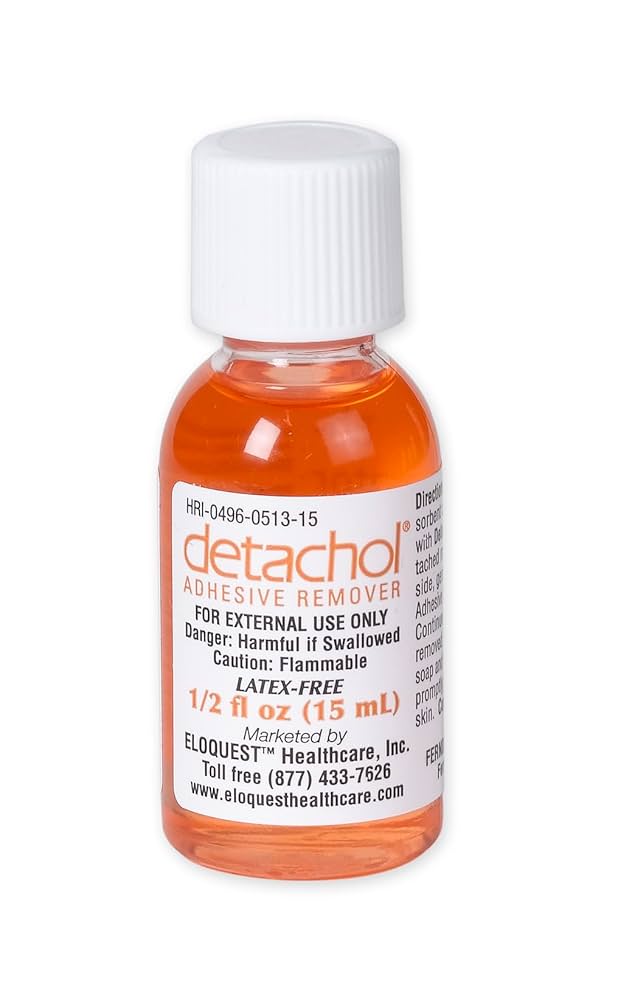
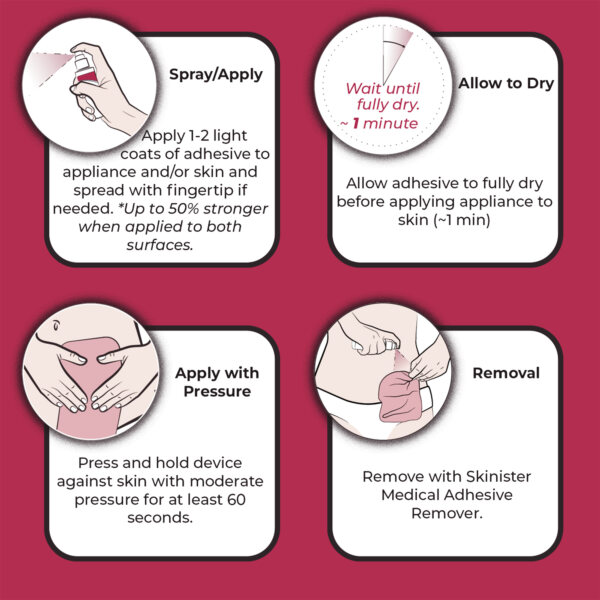
Adhesive Removers
Adhesive removers are specially formulated to dissolve glue or tape residue quickly. They usually come in liquid, gel, or wipe form, making application simple and mess-free.
Look for removers labeled safe for skin, especially if you have sensitive skin. I once tried a remover that left my skin dry and red, so testing a small area first is smart. Popular brands often include ingredients like isopropyl myristate, which gently breaks down adhesives without harsh chemicals.
Using adhesive removers can cut down the time you spend rubbing and scraping. Have you ever wondered why some sticky patches won't budge no matter how hard you scrub? These products target the adhesive at a molecular level, making removal effortless.
Moisturizing Lotions
Moisturizing lotions might not seem like adhesive removers, but they can help loosen sticky residue. Thick lotions or creams soften the adhesive, making it easier to peel off without damaging your skin.
If you don’t have adhesive remover on hand, try applying a generous layer of lotion and gently massaging it into the sticky area. You might be surprised how well it helps, especially if the adhesive is old or stubborn.
After the adhesive comes off, moisturizing lotions soothe your skin and restore hydration, preventing dryness or irritation. Have you noticed how skin feels tight or itchy after removing tape? A good lotion can fix that quickly.
When To See A Doctor
Knowing when to seek medical help after trying to remove adhesive from your skin is crucial for your health and comfort. Some reactions or problems require professional attention to avoid complications. Paying close attention to how your skin responds can save you from worsening issues.
Signs Of Allergic Reaction
If you notice redness, itching, or swelling that worsens instead of improving, it could be an allergic reaction. Blisters, rash, or intense burning sensations are also warning signs. These symptoms mean your skin might be sensitive to the adhesive or removal products, and you should see a doctor promptly.
Think about how long you’ve experienced these symptoms. If they persist beyond a few hours or spread to other areas, don’t wait. Your doctor can recommend treatments or alternatives to prevent further irritation.
Persistent Adhesive Residue
Sometimes, adhesive sticks stubbornly, and home remedies don’t work. If you still have adhesive residue after gentle cleaning for several days, it’s time to consult a healthcare provider. Leaving adhesive on the skin can cause irritation or infection over time.
Also, if your skin becomes cracked, painful, or starts to ooze around the adhesive area, professional care is necessary. Your doctor might use specialized products or techniques to safely remove the residue without damaging your skin.
Aftercare Tips For Skin Health
After you’ve carefully removed adhesive from your skin, it’s crucial to take care of the area to promote healing and prevent discomfort. Proper aftercare helps restore your skin’s natural barrier and reduces the risk of irritation or infection. Let’s look at some effective ways to keep your skin healthy and comfortable.
Moisturizing And Soothing
Applying a gentle moisturizer can calm the skin and prevent dryness caused by adhesive removal. Choose products with ingredients like aloe vera, chamomile, or glycerin to soothe and hydrate without clogging pores.
Try to avoid heavy creams or lotions with fragrances, as they might cause further irritation. If the skin feels tight or itchy, a cold compress can also bring quick relief.
Avoiding Further Irritation
Be mindful of your skin’s sensitivity after removing adhesive. Avoid scrubbing the area or using harsh soaps and exfoliants for at least 24 hours.
Wear loose clothing that won’t rub against the skin and stay away from heat sources like hot showers or saunas, which can dry out or inflame the skin. Have you noticed how small habits like clothing choice can impact your skin’s healing process?
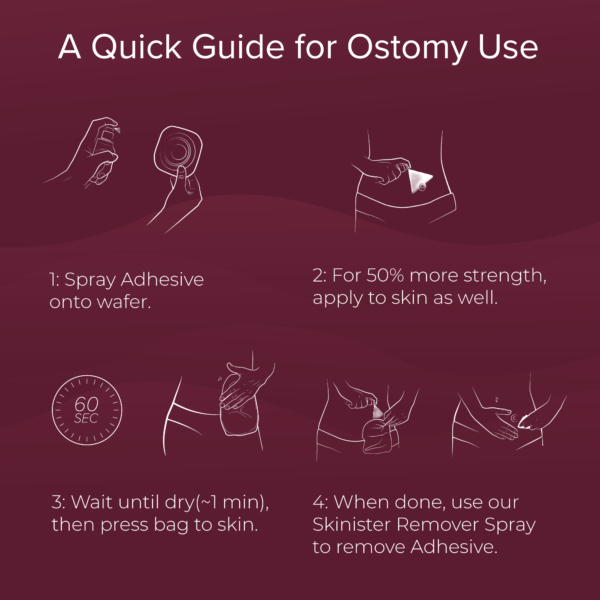
Credit: skinistermedical.com
Frequently Asked Questions
How Can I Safely Remove Adhesive From Skin?
Use warm soapy water and gently rub the adhesive area. Apply baby oil or olive oil to loosen sticky residue. Avoid harsh scrubbing to prevent skin irritation.
What Household Items Remove Adhesive From Skin?
Common items like olive oil, coconut oil, and petroleum jelly work well. These soften the adhesive for easy removal without harming your skin.
How Long Does It Take To Remove Adhesive From Skin?
With proper methods, adhesive usually comes off within 5 to 10 minutes. Patience and gentle rubbing help speed up the process safely.
Can I Use Alcohol To Remove Adhesive From Skin?
Isopropyl alcohol can remove adhesive but may dry out skin. Use sparingly and moisturize afterward to prevent irritation or dryness.
Conclusion
Removing adhesive from skin does not need to be hard. Use gentle oils or warm soapy water to start. Rub softly to avoid hurting your skin. Take your time and be patient. Avoid harsh chemicals that may cause irritation. Always wash your skin after removing the sticky residue.
Keep your skin moisturized to help it heal. Small steps make a big difference. Clean skin feels better and looks healthy. You can handle adhesive removal safely and easily.

