

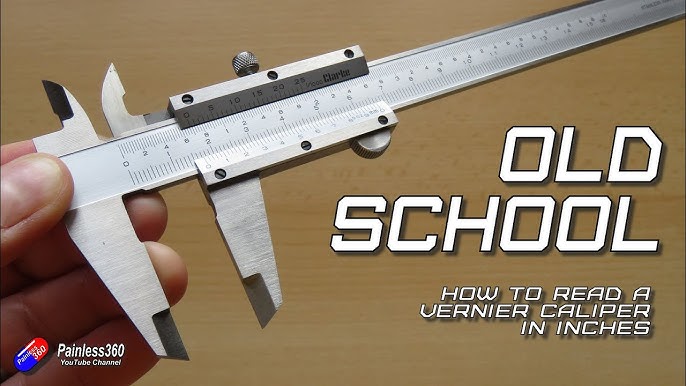
Have you ever looked at a vernier caliper and felt confused about how to read its measurements? You’re not alone.
This handy tool might seem tricky at first, but once you learn a few simple steps, it becomes a powerful way to measure with precision. Imagine being able to take accurate measurements for your projects, repairs, or hobbies—without second-guessing your results.
In this guide, you’ll discover how to read a vernier caliper? with confidence. No technical jargon—just clear, easy instructions you can start using right away.
Credit: www.threads.com
Parts Of A Vernier Caliper
A vernier caliper is a tool used to measure length very precisely. It has different parts that work together.
Knowing the parts helps you read measurements correctly. Each part has a special job.
Main Scale
The main scale is the fixed ruler on the caliper. It shows measurements in millimeters or inches.
You read the main scale first. It gives the whole number part of the measurement.
Vernier Scale
The vernier scale slides along the main scale. It helps read fractions of the main scale units.
Look where the lines on the vernier scale match the main scale lines. This shows the extra fraction.
Lock Screw
The lock screw holds the sliding part in place. It stops the scale from moving during measurement.
Use the lock screw to keep your reading steady. This helps avoid mistakes.
Depth Rod
The depth rod measures the depth of holes or slots. It extends from the end of the caliper.
Push the rod into the space you want to measure. Read the scale to find the depth.
Preparing The Caliper
Before measuring with a vernier caliper, prepare it carefully. Proper preparation ensures accurate readings.
This section covers checking zero error and cleaning the instrument for best results.
Checking Zero Error
Zero error happens when the caliper does not read zero with jaws fully closed. Check for this error before using the caliper.
- Close the jaws gently until they touch.
- Look at the main scale and vernier scale alignment.
- If zero marks do not align exactly, note the error.
- Positive zero error means the zero of vernier scale is ahead.
- Negative zero error means the zero is behind the main scale zero.
Cleaning The Instrument
Keep the caliper clean to avoid wrong readings. Dirt and dust affect the sliding parts and scales.
| Cleaning Step | Details |
|---|---|
| Wipe Jaws | Use a soft cloth to remove dirt from the measuring jaws. |
| Clean Scale | Gently clean the main and vernier scales with a dry cloth. |
| Lubricate | Apply a small amount of light oil on sliding parts for smooth movement. |
| Store Properly | Keep the caliper in its case to avoid dust and damage. |
Measuring External Dimensions
A vernier caliper is a precise tool for measuring outside sizes. You can measure small objects with it easily.
This guide shows how to use a vernier caliper for external measurements. Follow the steps to get accurate results.
Positioning The Object
Hold the object firmly between the jaws of the caliper. Make sure the object fits well without moving.
- Open the jaws wide enough for the object.
- Place the object between the jaws carefully.
- Close the jaws gently to touch the object.
- Do not squeeze too hard to avoid damage.
- Keep the caliper perpendicular to the object.
Reading The Scales
The vernier caliper has two scales: the main scale and the vernier scale. Read both to find the exact size.
| Main Scale | Shows whole millimeters and half millimeters |
| Vernier Scale | Shows fractions of a millimeter for precise reading |
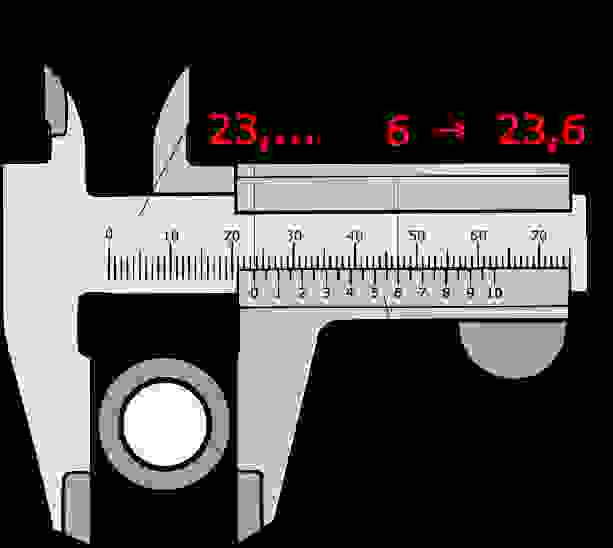
First, note the last visible mark on the main scale before the zero on the vernier scale. This is the main reading.
Next, find the vernier scale mark that lines up best with a main scale mark. The number of this mark is the vernier reading.
Credit: aci24.com
Measuring Internal Dimensions
Measuring internal dimensions is easy with a vernier caliper. You use the inside jaws to find the space inside objects.
This method is useful for measuring holes, slots, and inner widths accurately.
Using The Inside Jaws
Open the caliper slightly and place the inside jaws inside the object. Gently expand the jaws until they touch the inner walls.
- Make sure the jaws fit snugly but do not force them.
- Keep the caliper perpendicular to the surface for correct reading.
- Hold the caliper steady to avoid shifting during measurement.
- Close the jaws carefully before reading the scale.
Interpreting The Reading
Read the main scale first. Then look at the vernier scale to find the exact fraction.
| Main Scale Reading | Vernier Scale Reading | Total Measurement |
| 12 mm | 0.28 mm (14th mark) | 12.28 mm |
| 25 mm | 0.04 mm (2nd mark) | 25.04 mm |
| 8 mm | 0.16 mm (8th mark) | 8.16 mm |
Measuring Depth
Measuring depth with a vernier caliper is simple and accurate. You use the depth rod, a thin metal piece that extends from the caliper.
This tool helps measure the depth of holes, slots, and recesses with precision.
Extending The Depth Rod
To measure depth, slide the movable jaw forward. This action pushes the depth rod out from the end of the caliper.
- Hold the caliper firmly in one hand.
- Slide the movable jaw slowly to extend the depth rod.
- Make sure the depth rod moves straight and smoothly.
- Insert the rod into the hole or slot to measure.
Taking Accurate Readings
After extending the depth rod, read the measurement on the scale. The main scale gives the first part of the reading.
| Main Scale (mm) | Vernier Scale (mm) | Total Depth (mm) |
| 12 | 0.08 | 12.08 |
| 15 | 0.03 | 15.03 |
| 9 | 0.10 | 9.10 |
Align the zero on the vernier scale with the main scale to get the depth. Add the vernier reading to the main scale reading for the total depth.
Calculating The Final Measurement
Reading a Vernier caliper is easy once you understand the scales. It helps to measure things accurately.
You need to know how to combine the main scale and Vernier scale readings. This process gives the final measurement.
Combining Main And Vernier Scale Readings
First, look at the main scale. Find the last number before the zero on the Vernier scale. This is your main scale reading.
- Read the main scale where it lines up with the zero on the Vernier scale.
- Check the Vernier scale. Find the line that aligns with any line on the main scale.
- Add the Vernier scale reading to the main scale reading for the final measurement.
Adjusting For Zero Error
Sometimes, Vernier calipers show zero error. This means the zero marks do not align when closed.
| Type of Error | Correction Needed |
| Positive Zero Error | Subtract error from measurement |
| Negative Zero Error | Add error to measurement |
Always adjust for zero error before you take the final reading. This ensures accuracy.
Common Mistakes To Avoid
Reading a Vernier Caliper might seem easy, but mistakes happen. Understanding common errors can improve accuracy.
Let's explore some mistakes to avoid when using a Vernier Caliper.
Misreading The Scale
Misreading the scale is a common error. The main scale and Vernier scale must align for accurate reading.
- Check the zero mark on the Vernier scale.
- Ensure alignment with the main scale.
- Read the scale slowly and carefully.
Applying Excessive Force
Applying too much force can damage the caliper. It might also affect the measurement.
Gently close the jaws around the object. Ensure a snug, not tight, fit.
Ignoring Zero Error
Zero error occurs when the caliper does not read zero when closed. Always check for zero error before use.
- Close the jaws fully.
- Check for any deviation from zero.
- Adjust the reading by noting the zero error.
Tips For Accurate Measurement
Reading a vernier caliper correctly ensures precise measurements. Small errors can affect the results.
Follow simple tips to get accurate readings every time you use the tool.
Consistent Pressure
Apply the same pressure when closing the jaws on the object. Too much force can distort the part.
Too little pressure may cause gaps, leading to wrong readings. Hold the caliper firmly but gently.
- Use your thumb to slide the scale smoothly
- Stop when the jaws just touch the object
- Avoid squeezing too hard or too softly
Proper Alignment
Align the caliper jaws squarely with the object. Angled placement causes inaccurate numbers.
Make sure the object is straight and not tilted. Check the reading from eye level to avoid parallax error.
- Place the object between the jaws carefully
- Keep the caliper scale parallel to the object
- Look straight at the scale, not from an angle
Regular Calibration
Check your vernier caliper often to keep it accurate. Calibration fixes small errors over time.
Use a calibration block or gauge to test the zero point and measurements. Adjust if needed.
- Test the zero reading before use
- Compare with a known standard size
- Send for professional calibration yearly

Credit: medium.com
Frequently Asked Questions
What Is A Vernier Caliper Used For?
A Vernier Caliper measures internal, external dimensions, and depths with high accuracy. It is commonly used in engineering, machining, and science fields for precise measurements.
How Do You Read The Main Scale On A Vernier Caliper?
Read the main scale value just before the zero of the Vernier scale. This gives the measurement in millimeters or inches, depending on the caliper type.
How To Interpret The Vernier Scale Reading?
Find the Vernier scale line that aligns exactly with a main scale line. The number on this line is added to the main scale reading for accuracy.
Can Vernier Calipers Measure Internal Dimensions?
Yes, use the smaller jaws of the Vernier Caliper to measure internal dimensions like hole diameters accurately.
Conclusion
Reading a vernier caliper is easier than it seems. Practice helps you get accurate measurements fast. Always align the scale carefully before reading. Remember to check both the main and vernier scales. Small steps make a big difference in learning.
Soon, measuring objects will feel natural and quick. Keep your caliper clean and handle it gently. With time, you will trust your readings more. Understanding this tool opens doors to precise work. Give yourself patience and practice regularly. You can measure like a pro soon.

