

Working in a workshop can be rewarding, but it comes with risks. Injuries happen more often than you might think, and they can slow you down or even stop your projects completely.
What if you could avoid those common accidents before they happen? You’ll discover simple, effective ways to protect yourself every time you step into your workspace. Plus, you’ll get a handy gear checklist that ensures you have everything you need to stay safe.
Keep reading—your hands, eyes, and body will thank you.

Credit: www.scribd.com
Common Workshop Injuries
Working in a workshop can be risky without proper care. Many injuries happen from simple mistakes.
Knowing common injuries helps you stay safe. Use the right gear and follow safety steps.
Cuts And Lacerations
Sharp tools and machines cause cuts easily. Even small cuts can get infected if not cleaned.
Keep blades sharp and use guards. Always cut away from your body to avoid accidents.
- Wear cut-resistant gloves
- Use proper cutting tools
- Keep work area clean and clear
- Store sharp objects safely
Eye Injuries
Flying debris and dust can harm your eyes. Small particles cause irritation or serious damage.
Wear safety goggles every time you work. Make sure they fit well and have no cracks.
- Use face shields for grinding work
- Keep goggles clean and clear
- Avoid rubbing eyes with dirty hands
Burns And Scalds
Hot surfaces and chemicals cause burns in workshops. These injuries can be painful and serious.
Wear heat-resistant gloves and aprons. Handle hot objects with care and keep flammable items away.
- Know where fire extinguishers are
- Use tools, not bare hands, for hot items
- Store chemicals in labeled containers
Muscle Strains
Heavy lifting and awkward positions cause muscle strains. These injuries slow down your work.
Lift with your legs, not your back. Take breaks and stretch often to avoid muscle pain.
- Use mechanical aids for heavy items
- Keep workstations at comfortable heights
- Ask for help when lifting heavy loads
Hearing Damage
Loud machines and tools can damage your hearing. This harm is often permanent and painless at first.
Wear ear protection like plugs or earmuffs. Limit time near noisy equipment whenever possible.
- Keep noise levels low in the workshop
- Maintain machines to reduce noise
- Schedule noisy tasks for short periods

Credit: tikweld.com
Safety Gear Essentials
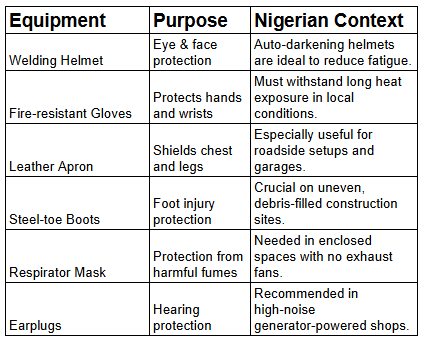
Working in a workshop can be risky without the right safety gear. Wearing proper equipment helps protect you from injuries.
Use this guide to learn about essential safety gear you need to stay safe while working.
Protective Gloves
Gloves protect your hands from cuts, burns, and chemicals. Choose gloves made for your specific task.
Make sure gloves fit well and do not limit your movement or grip.
Safety Glasses And Goggles
Eye protection prevents dust, sparks, and debris from causing injury. Safety glasses work for light tasks.
Use goggles for heavy dust or chemical splashes to seal around your eyes fully.
Hearing Protection
Loud machines can damage your hearing over time. Use earplugs or earmuffs to reduce noise levels.
Choose hearing protection that is comfortable for long use and fits well.
Respiratory Masks
Dust, fumes, and chemicals can harm your lungs. Wear masks that filter out harmful particles.
Use different masks based on the materials you work with, like dust masks or respirators.
- Dust masks for light dust
- Respirators for chemicals and heavy dust
- Replace masks regularly for best protection
Proper Footwear
Wear sturdy shoes with slip-resistant soles to avoid falls. Steel-toe boots protect toes from heavy objects.
Choose footwear that supports your feet and fits well for all-day comfort.
Workshop Setup Tips
Setting up your workshop right can reduce the risk of injuries. A safe space helps you work faster and better. Follow simple tips to keep your area secure and clean.
This guide covers key points on organizing tools, lighting, ventilation, and workspace clarity. Use the gear checklist at the end to stay prepared.
Organizing Tools And Materials
Keep your tools and materials in order. This stops accidents caused by tripping or searching for items. Use shelves, pegboards, and bins to sort everything.
- Label storage containers clearly
- Place frequently used tools within easy reach
- Secure heavy items on lower shelves
- Store sharp tools safely with covers
- Regularly check and clean tool storage areas
Adequate Lighting
Good lighting lets you see work details and avoid mistakes. Use bright, even light across your workspace. Natural light helps if possible.
| Lighting Type | Best Use |
| Overhead LED Lights | General workshop illumination |
| Task Lamps | Focused lighting for fine work |
| Natural Light | Daytime work to reduce eye strain |
| Emergency Lights | Power outages and safety |
Ventilation And Dust Control
Keep air clean to protect lungs and reduce fire risks. Use fans, open windows, and dust extractors. Regularly clean dust from surfaces and tools.
- Wear a dust mask or respirator
- Use a dust collection system
- Install exhaust fans near work areas
- Keep air filters clean and replaced
Clear Workspaces
Keep your work area free of clutter. Clear floors and tables to avoid trips and falls. Clean spills immediately and mark wet floors.
- Remove scrap materials after each task
- Keep cords and cables tidy and out of walkways
- Use bins for waste and recycling
- Arrange tools so they do not block movement
- Check walkways and exits are always clear
Safe Tool Handling
Working safely with tools in the workshop helps prevent injuries. Handling tools correctly keeps you and others safe.
Using the right techniques and gear lowers risks. Follow these tips to handle tools safely every time.
Using Tools Correctly
Use tools only for their intended jobs. This stops damage to the tool and avoids accidents.
Hold tools firmly and keep your hands away from moving parts. Always cut away from your body.
- Read instructions before using new tools
- Wear safety gloves and eye protection
- Keep a clean workspace to avoid trips
Regular Maintenance
Check your tools often for damage or wear. Faulty tools can cause serious injuries.
Keep blades sharp and handles tight. Clean tools after use to stop rust and dirt build-up.
- Inspect cords and plugs for cuts or frays
- Oil moving parts to keep tools smooth
- Replace broken parts immediately
Power Tool Precautions
Always unplug power tools before fixing or cleaning. This stops accidental starts that cause injuries.
Wear hearing and eye protection when using loud or flying debris tools. Use clamps to hold workpieces steady.
- Keep cords away from water and sharp edges
- Do not use power tools if tired or distracted
- Follow safety guards and lock-out features
Ergonomics And Posture
Working in a workshop involves many physical tasks. Good ergonomics and posture can prevent injuries. This guide will help you stay safe and healthy.
Understanding how to move and position your body can reduce strain. Follow these tips to maintain a safe and efficient workshop environment.
Proper Lifting Techniques
Lifting heavy items can hurt your back. Use the right technique to stay safe. Bend your knees, not your waist, when lifting objects.
Keep the item close to your body. This helps you maintain balance and control. Always use both hands to lift.
- Stand with feet shoulder-width apart
- Bend at the knees, not the waist
- Lift with your legs, not your back
- Keep the load close to your body
- Do not twist your body while lifting
Workstation Height
Your workstation should be at the right height. This prevents strain on your neck and back. Adjust tables and chairs to suit your needs.
When standing, your elbows should be at a 90-degree angle. Ensure your work surface is not too high or too low. This helps maintain good posture.
| Task | Ideal Height |
| Standing Work | Elbow height |
| Sitting Work | Desk at elbow height |
Taking Breaks
Regular breaks are important for health. They help reduce fatigue and muscle tension. Plan short breaks during your workday.
Use breaks to stretch and move around. This keeps your body active and alert. It also helps prevent repetitive strain injuries.
- Take a 5-minute break every hour
- Stretch your arms, legs, and back
- Walk around to improve circulation
- Rest your eyes to reduce strain
Emergency Preparedness
Accidents can happen anytime in a workshop. Being ready helps reduce injury risks. Preparing for emergencies is very important.
Good preparation means having the right tools and information close by. It helps you act fast and keep everyone safe.
First Aid Kit Essentials
A first aid kit is a must-have in every workshop. It helps treat minor injuries quickly. Keep it stocked and easy to find.
- Bandages in various sizes
- Antiseptic wipes and cream
- Disposable gloves
- Scissors and tweezers
- Pain relievers like ibuprofen
- Burn cream and cold packs
- CPR mask or face shield
- Emergency blanket
Fire Safety Measures
Fires can start quickly in workshops. Always have fire safety tools nearby. Know how to use them before a fire starts.
- Keep a fire extinguisher in the workshop
- Install smoke detectors and test often
- Store flammable materials safely
- Keep exits clear and easy to reach
- Have a fire blanket for small fires
- Train everyone on fire response steps
Emergency Contact Information
In an emergency, quick contact saves lives. Post important phone numbers where all can see them. Update the list regularly.
- Local emergency services (fire, police, ambulance)
- Nearest hospital or urgent care center
- Workshop supervisor or safety officer
- Nearby coworkers or team members
- Poison control center
Daily Safety Checklist
Keeping safe in the workshop starts with daily checks. These checks help spot problems early.
Use this checklist to review your gear, workspace, and tools. It keeps you safe and your work smooth.
Gear Inspection
Check all your safety gear before starting work. Look for cracks, tears, or worn parts.
- Helmet: Ensure no cracks or dents.
- Gloves: Check for holes or thinning areas.
- Safety glasses: Clean and scratch-free lenses.
- Ear protection: Confirm padding is intact.
- Work boots: Look for worn soles or loose laces.
Workspace Review
Make sure your workspace is clear and safe. Remove spills, debris, and obstacles.
| Area | Check | Notes |
| Floor | Free of liquids and clutter | Prevent slips and trips |
| Lighting | Bright and even | Reduce eye strain |
| Ventilation | Proper airflow | Remove dust and fumes |
| Emergency exits | Clear and marked | Easy to access |
Tool Functionality Check
Test each tool to ensure it works correctly. Faulty tools can cause injuries.
- Power tools: Check cords and switches.
- Hand tools: Ensure handles are secure.
- Measuring tools: Confirm accuracy.
- Cutting tools: Blades must be sharp and safe.
- Machine guards: Must be in place and working.
Credit: www.edco.com
Frequently Asked Questions
What Are The Most Common Workshop Injuries?
Common workshop injuries include cuts, burns, eye injuries, and sprains. These often result from improper tool use or lack of safety gear. Awareness and preventive measures reduce these risks significantly.
How Can I Prevent Injuries Using Power Tools?
Always wear safety goggles and gloves when using power tools. Follow manufacturer instructions closely and keep tools well-maintained. Disconnect power before changing accessories or cleaning.
What Essential Safety Gear Should I Wear In The Workshop?
Wear safety goggles, ear protection, gloves, and sturdy footwear. Use dust masks when sanding or working with chemicals. Proper gear protects against cuts, noise, and inhalation hazards.
How Do I Keep My Workshop Safe And Organized?
Keep tools stored properly and floors clean to avoid trips. Ensure good lighting and clear workspaces. Regularly inspect equipment for damage and repair or replace as needed.
Conclusion
Staying safe in the workshop starts with the right gear. Wear gloves, goggles, and sturdy shoes every time. Keep your workspace clean and tools sharp. Follow simple safety steps to avoid accidents. Remember, small actions can stop big injuries. Check your gear often and replace worn items.
Safety is a habit, not a one-time task. Protect yourself to enjoy your projects longer and pain-free. Stay alert, stay safe, and work smart.

