

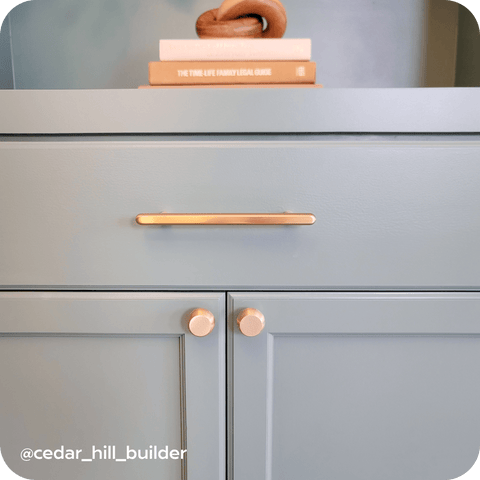
Are your drawers missing that perfect finishing touch? Knowing how to place drawer pulls the right way can transform the look of your furniture instantly.
You might think it’s just about drilling holes, but there’s a little more to it—placement affects both style and function. In this guide, you’ll discover simple steps to make sure your drawer pulls look balanced, feel comfortable to use, and match your space perfectly.
Ready to upgrade your drawers with confidence? Let’s dive in and get it done right.

Credit: www.reddit.com
Choosing The Right Drawer Pulls
Choosing the right drawer pulls can change the look of your furniture. They add style and help with function. You want to pick pulls that match your room and feel comfortable to use.
Think about materials, styles, and size before you buy. These factors help you find pulls that fit your needs and decor.
Materials And Finishes
Drawer pulls come in many materials like metal, wood, and plastic. Each material offers a different look and feel. Finishes like matte, shiny, or brushed affect the style and durability.
- Metal:Strong and long-lasting. Popular metals include brass, chrome, and stainless steel.
- Wood:Offers a warm, natural look. Best for rustic or traditional rooms.
- Plastic:Affordable and lightweight. Available in many colors and shapes.
Styles To Complement Your Decor
Match the pull style to your room’s theme. Classic, modern, or vintage pulls create different moods. Simple pulls suit minimalist rooms. Ornate pulls fit well in classic or antique styles.
| Style | Description | Best For |
|---|---|---|
| Bar Pulls | Straight and sleek design | Modern and contemporary rooms |
| Knobs | Round or square, easy to use | Traditional and casual spaces |
| Drop Pulls | Hangs down from a base plate | Vintage or rustic decor |
| Bail Pulls | Curved handle attached at two points | Classic and antique furniture |
Size And Scale Considerations
Drawer pulls should fit the drawer size. Large drawers need bigger pulls. Small drawers look better with smaller pulls. The pull size also affects how easy it is to open the drawer.
- Measure your drawer front before buying.
- Choose pulls that are comfortable to grip.
- Keep proportions balanced for a neat look.
- Check the pull’s screw length for your drawer thickness.

Credit: www.fynesdesigns.com
Gathering Essential Tools
Placing drawer pulls requires the right tools. Using proper tools makes the job easier and accurate.
This guide explains the essential tools you need before starting your project.
Measuring Tools
Measuring tools help you mark the exact spot for the drawer pulls. Accurate measuring keeps pulls aligned and even.
Common measuring tools include rulers, tape measures, and marking gauges.
- Ruler or tape measure for length
- Marking pencil or fine-tip marker
- Combination square for right angles
- Template or jig for consistent spacing
Drilling Equipment
You need drilling equipment to make holes for the drawer pulls. Choose the correct drill bit size for the screws.
A drill or cordless screwdriver can help with this task.
- Electric drill or cordless drill
- Drill bits matching screw size
- Center punch to mark drill spots
- Clamps to hold the drawer steady
Safety Gear
Safety gear protects you during drilling and handling tools. Always wear safety items to avoid injuries.
Wear goggles and gloves for eye and hand protection.
- Safety goggles to protect eyes
- Work gloves to protect hands
- Dust mask if creating sawdust
- Ear protection if drill is loud
Measuring And Marking
Placing drawer pulls correctly makes your furniture look neat and balanced. Measuring and marking are key steps for perfect placement.
Taking accurate measurements helps avoid mistakes and ensures each pull lines up evenly.
Establishing The Center Point
Find the center of the drawer face before placing the pull. This point guides where to drill holes.
Measure the drawer's width and height with a tape measure. Divide each by two to get the middle points.
- Measure drawer width and mark midpoint
- Measure drawer height and mark midpoint
- Use a pencil to mark the center lightly
Creating A Template
Use a template to keep handle placement consistent on all drawers. Templates save time and improve accuracy.
Make a paper or cardboard template with holes spaced like the drawer pull screws. Align it with the drawer center mark.
- Cut template to drawer pull size
- Mark screw hole positions on template
- Place template on drawer center point
- Hold template steady for marking drill points
Marking Drill Points
Mark drill points clearly before drilling. Use a sharp pencil or awl for visible marks.
Double-check measurements to avoid errors. Mark each hole through the template carefully.
- Align template on drawer center
- Mark each screw hole on the drawer surface
- Remove template and review marks
- Use a level to confirm marks are straight
Drilling And Installation
Installing drawer pulls requires careful drilling and mounting. Proper steps help keep pulls secure and aligned. Follow these guidelines for a smooth installation.
Measure and drill precisely to avoid damage. Use the right tools and hardware for best results.
Preparing The Surface
Clean the drawer front to remove dust and grease. This helps the pulls stick well and keeps your work neat.
Mark the exact spots for drilling using a ruler or template. Double-check measurements to ensure even placement on all drawers.
Drilling The Holes
Use a drill bit that matches the screw size. Drill slowly to prevent splitting the wood.
- Place a piece of painter’s tape over the drill spot to reduce splintering.
- Hold the drill steady and perpendicular to the surface.
- Drill through the marked points carefully.
- Remove tape and clean any debris from the holes.
Securing The Pulls
Attach the drawer pulls using the screws that came with them. Tighten screws evenly but avoid overtightening.
| Tool | Purpose |
| Screwdriver | Tighten screws securely |
| Level | Check alignment of pulls |
| Measuring tape | Ensure proper spacing |
Ensuring Perfect Alignment
Placing drawer pulls looks easy but needs care for perfect alignment. Proper alignment makes drawers look neat and work well.
This guide helps you place drawer pulls using a level and adjusting for uneven surfaces. Follow these tips for a clean finish.
Using A Level
A level helps you place drawer pulls straight. It ensures the handle is not crooked or tilted.
- Mark the center point for the pull on the drawer front.
- Place the level horizontally across the drawer front.
- Align the pull’s mounting holes with the level line.
- Use a pencil to mark the screw holes through the pull.
- Double-check the marks with the level before drilling.
Adjusting For Uneven Surfaces
Drawers may have uneven or warped surfaces. Adjusting for these helps the pull sit flush and straight.
| Surface Issue | Adjustment Method |
| Warped wood | Use shims behind the pull to even the gap |
| Uneven drawer front | Sand the surface lightly before installing |
| Protruding paint or finish | Remove excess paint around holes |
| Loose mounting holes | Fill holes with wood filler, then redrill |

Credit: www.reddit.com
Final Touches
Placing drawer pulls is almost done after installation. The last steps make sure they look great and work well.
These final touches include tightening the screws and cleaning the pulls. Both steps keep your drawers neat and functional.
Tightening And Checking
After putting the pulls on, tighten the screws firmly. Loose screws can cause the pulls to wobble or fall off.
Check each pull by pulling it gently. Make sure it feels secure and does not move side to side.
- Use a screwdriver to tighten screws
- Do not overtighten to avoid damage
- Test each pull for firmness
- Adjust screws if pulls feel loose
Cleaning And Polishing
Clean the pulls to remove fingerprints, dust, or dirt. This makes them look new and shiny.
Use a soft cloth and mild cleaner. Polish metal pulls for extra shine, but avoid harsh chemicals.
- Wipe pulls with a dry, soft cloth
- Use mild soap and water for dirt
- Dry pulls completely after cleaning
- Polish metal pulls with a gentle polish
Troubleshooting Common Issues
Placing drawer pulls is a simple task, but some problems can happen. Fixing these issues helps your drawers work well and look good.
Here are some common problems and how to solve them. Follow these tips to get the best results.
Misaligned Holes
Misaligned holes make it hard to attach drawer pulls. The pulls may look crooked or not fit at all.
Check your measurements before drilling. Use a ruler and mark spots carefully to avoid mistakes.
- Use a template to keep hole spacing even
- Measure twice, drill once
- Fill wrong holes with wood filler before re-drilling
Loose Pulls
Loose pulls move or wobble when you use them. This happens if screws are too short or holes are worn out.
Tighten the screws gently. If the holes are too big, use wood glue and toothpicks to fill gaps.
- Use longer screws if possible
- Replace stripped screws with new ones
- Fill large holes and let glue dry before reattaching pulls
Surface Damage
Surface damage happens around the pull area. Scratches, dents, or chipped paint can occur during installation.
Protect the surface with painter’s tape before drilling. Sand and repaint damaged areas to restore the finish.
- Apply painter’s tape to avoid scratches
- Use fine sandpaper to smooth dents
- Touch up paint to match the drawer color
Frequently Asked Questions
How Do I Measure For Drawer Pulls Accurately?
Measure the drawer width and mark the center point. Use a ruler or tape for precision. Measure the distance between screw holes on the pull. Mark drill points evenly spaced and aligned to ensure a balanced look.
What Tools Are Needed To Place Drawer Pulls?
You need a drill, screwdriver, measuring tape, pencil, and level. These tools help mark, drill, and install pulls accurately. Using the right tools ensures a clean, professional finish.
How High Should Drawer Pulls Be Placed?
Place drawer pulls centered vertically on the drawer front. For wider drawers, position pulls about 2. 5 to 3 inches from the edge. Consistent height improves both appearance and functionality.
Can I Install Drawer Pulls Without Drilling?
Yes, adhesive-backed pulls or magnetic pulls avoid drilling. They are ideal for renters or temporary use. However, they might not be as durable for heavy drawers.
Conclusion
Placing drawer pulls is simple with the right steps. Measure carefully and mark spots clearly. Use the correct tools to avoid mistakes. Take your time to ensure even spacing. A well-placed pull improves both look and function. Enjoy the small upgrade that makes a big difference.
Try it yourself and see how easy it can be. Good results come from patience and attention to detail. Your drawers will feel fresh and new.

