
Do you ever open your tool chest and feel overwhelmed by the clutter inside? Finding the right tool quickly can save you time and frustration.
Imagine having every wrench, screwdriver, and drill bit right where you expect it—easy to reach and ready to use. Organizing your tool chest not only boosts your efficiency but also protects your tools from damage. You’ll discover simple steps to transform your messy tool chest into a neat, well-ordered system that works for you.
Keep reading to unlock the secrets of a perfectly organized tool chest.

Credit: www.reddit.com
Choosing The Right Tool Chest
Organizing your tools starts with picking the right tool chest. A good tool chest keeps your tools safe and easy to find. This guide helps you choose one that fits your needs.
Think about the types, material, and size of the tool chest. These factors affect how long it lasts and how well it holds your tools.
Types Of Tool Chests
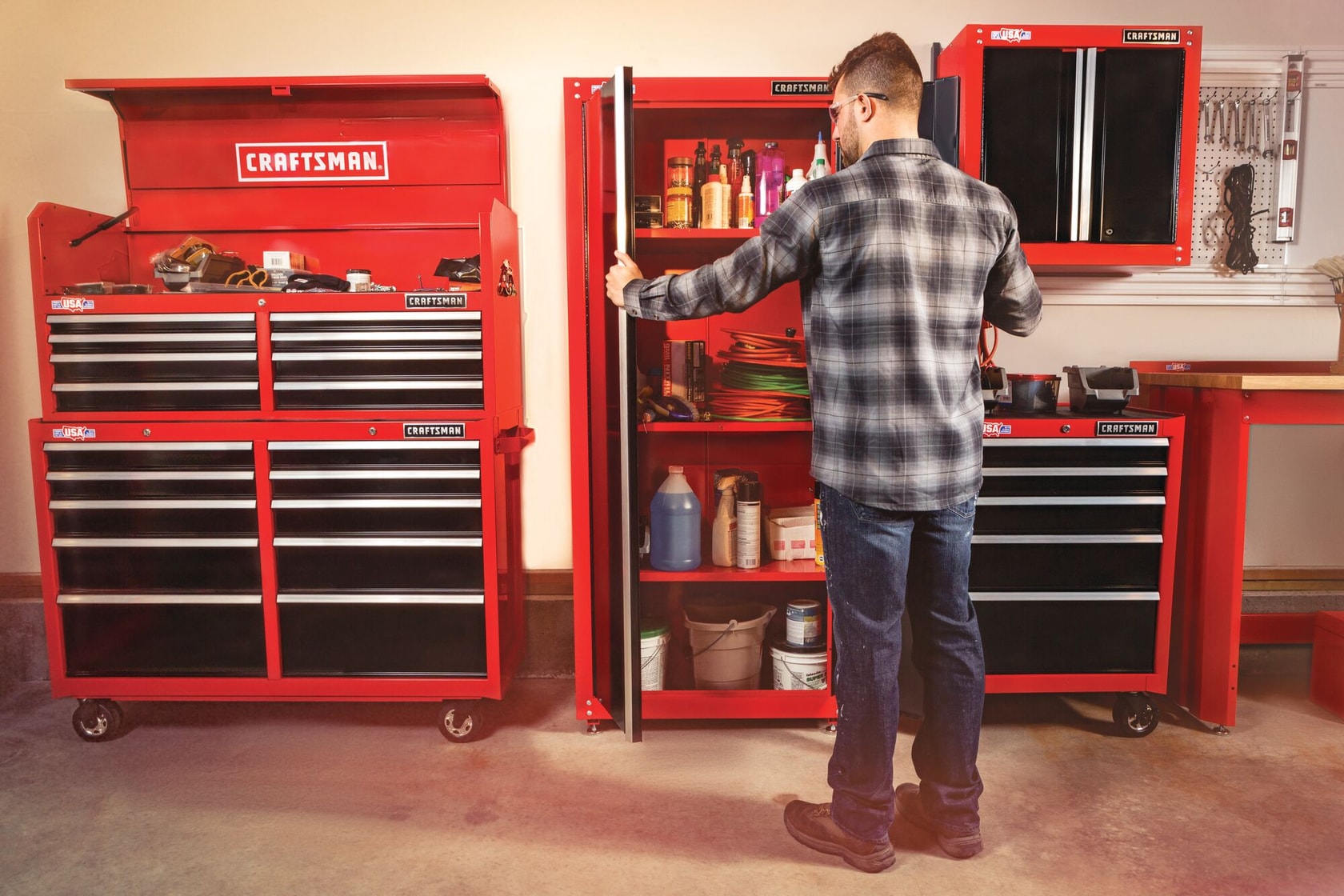
There are several types of tool chests. Each type serves a different purpose and suits different spaces.
- Roll-Away Chests:These have wheels for easy movement. Good for large workshops.
- Top Chests:Smaller and sit on top of other storage. Ideal for small tool sets.
- Combination Chests:Mix of top and bottom storage for more space.
- Cabinets:Stand-alone units that can hold heavy tools.
Material And Durability
Tool chests come in different materials. The choice affects how strong and long-lasting the chest will be.
| Material | Durability | Weight |
| Steel | Very strong and long-lasting | Heavy |
| Aluminum | Resists rust and light | Lightweight |
| Plastic | Less durable, good for light tools | Very light |
| Wood | Classic look, moderate strength | Varies |
Size And Capacity
Choose a size that fits your tool collection and workspace. Too big wastes space, too small limits storage.
Here are tips to choose the right size:
- Count your tools and group by size.
- Measure the space where the chest will go.
- Pick a chest with enough drawers and compartments.
- Consider future tool additions.
Sorting And Categorizing Tools
Organizing your tool chest saves time and keeps your workspace neat. Sorting tools makes it easy to find what you need fast.
This guide focuses on three ways to sort tools: by type, by how often you use them, and by size or shape.
Grouping By Tool Type
Sort tools into groups like screwdrivers, wrenches, pliers, and hammers. Keep similar tools together for quick access.
- Put all screwdrivers in one drawer or section
- Keep cutting tools like knives and scissors separate
- Group measuring tools like tape measures and levels
- Store power tool accessories in their own container
Frequency Of Use
Place tools you use often in the top drawers or front areas. Less used tools can go in lower or back sections.
| Frequency | Storage Location |
| Daily use | Top drawer or easy reach |
| Weekly use | Middle drawer or center |
| Rare use | Bottom drawer or back corner |
Tool Size And Shape
Sort tools by size and shape to use space well. Long tools need flat space; small tools fit in compartments.
- Levels
- Hammers
- Wrenches
- Screwdriver bits
- Nails and screws
- Allen keys
Maximizing Drawer Space
Organizing a tool chest helps you find tools fast. It also keeps your workspace neat. Maximizing drawer space makes a big difference.
Using smart methods can help you store more tools in less space. You can protect your tools and keep them easy to access.
Using Drawer Organizers
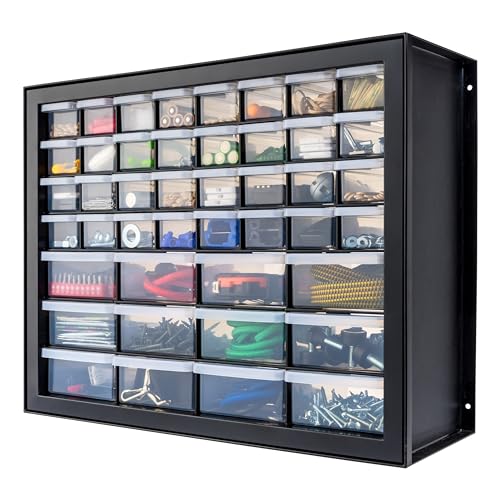
Drawer organizers separate tools by size and type. They prevent clutter and damage. Different organizers fit different tools.
- Plastic trays with compartments for small parts
- Adjustable dividers for wrenches and screwdrivers
- Stackable boxes for bits and nails
- Magnetic strips for metal tools
Layering Techniques
Layer tools to use vertical space in drawers. Place flat tools at the bottom. Stack lighter tools on top.
| Layer | Tool Type | Tip |
| Bottom | Flat and heavy tools | Lay flat for stability |
| Middle | Medium size tools | Use dividers to separate |
| Top | Lightweight and small tools | Keep visible for quick access |
Custom Foam Inserts
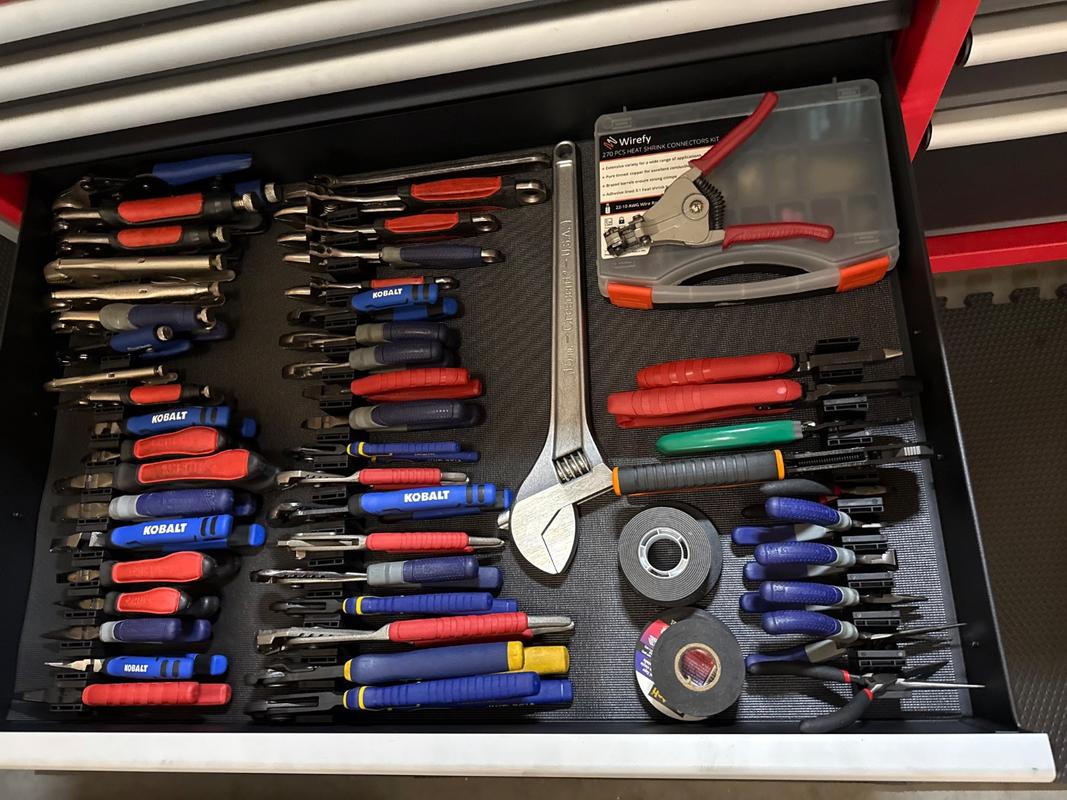
Custom foam inserts hold tools in place. They reduce noise and prevent damage. You can shape foam to fit each tool perfectly.
Benefits of Custom Foam Inserts:
- Protects tools from scratches
- Keeps tools organized and visible
- Easy to remove and clean
- Enhances drawer space use
Labeling And Accessibility
Organizing your tool chest saves time and effort. Clear labeling and easy access help you find tools fast.
Good labeling and accessibility keep your workspace neat and improve your work flow.
Clear Label Systems
Use clear labels to identify each tool or group of tools. Labels should be easy to read at a glance.
- Print labels with large, simple fonts
- Use durable label materials that resist wear
- Place labels on drawer fronts or tool holders
- Keep labels consistent in style and placement
Color Coding
Assign colors to tool types or projects. Color coding speeds up finding the right tool.
| Color | Tool Type |
| Red | Cutting Tools |
| Blue | Measuring Tools |
| Green | Fastening Tools |
| Yellow | Electrical Tools |
Easy Reach Strategies
Keep the tools you use most often close to you. This reduces time spent searching and reaching.
- Store daily use tools in top drawers
- Use drawer dividers to separate tools by use
- Place rarely used tools in lower drawers
- Use magnetic strips for quick tool grab
Maintaining Tool Chest Organization
Organizing a tool chest helps you find tools quickly. It also keeps your workspace tidy. Regular maintenance of your tool chest is key to staying organized.
Here are some steps to keep your tool chest in order. Follow these tips to make your tools easy to access and manage.
Regular Cleanups
Cleaning your tool chest often helps prevent clutter. Remove dust and dirt to keep tools in good condition.
- Wipe down surfaces with a damp cloth
- Remove unused or broken tools
- Organize tools by size or type
Inventory Checks
Checking your tool inventory ensures you have what you need. It also helps you replace missing items promptly.
| Tool | Quantity |
| Hammer | 2 |
| Screwdriver | 5 |
| Wrench | 3 |
Repair And Replacement
Fixing or replacing damaged tools is crucial. It keeps your tool chest functional and safe.
Credit: www.craftsman.com
Additional Tips For Efficiency
Organizing your tool chest well saves time and effort. It helps you find tools quickly. Planning how to store tools boosts your work speed.
Use smart storage ideas and safety habits. Setting up your workspace right makes tool use easier and safer.
Portable Tool Storage Options
Portable tool storage helps you carry your tools to different places. Choose storage that fits the tools you use often.
- Use small toolboxes for hand tools and accessories.
- Rolling carts hold heavier tools and let you move them easily.
- Tool bags with pockets keep tools organized and protected.
- Magnetic trays help keep screws and small parts from getting lost.
Safety Considerations
Keep safety in mind when organizing your tool chest. Proper storage reduces accidents and tool damage.
| Safety Tip | Description |
| Sharp Tools | Store blades and sharp tools in covered compartments. |
| Heavy Items | Place heavy tools on lower shelves to avoid falls. |
| Secure Locks | Use locks to keep dangerous tools away from children. |
| Clean Area | Keep the storage area clean and dry to prevent slips. |
Ergonomic Setup
Arrange tools so you can reach them without strain. A good setup reduces fatigue and injury risk.
Try these ergonomic tips:
- Keep frequently used tools at waist height.
- Use drawer dividers to avoid digging for tools.
- Label drawers for quick identification.
- Place heavy tools close to your body to lift safely.

Credit: www.reddit.com
Frequently Asked Questions
How Do I Start Organizing A Tool Chest Effectively?
Begin by emptying your tool chest completely. Sort tools by type and frequency of use. Group similar items together for easy access. Clean the chest before placing tools back neatly in designated spots.
What Are The Best Organizers For A Tool Chest?
Use drawer dividers, foam inserts, and small bins to separate tools. Magnetic strips also help hold metal tools securely. These organizers keep tools tidy and prevent clutter inside your chest.
How Can I Maintain Tool Chest Organization Long-term?
Regularly clean and return tools after use. Reassess tool placement every few months. Avoid overcrowding drawers and keep frequently used tools easily accessible to maintain order over time.
What Tools Should Be Stored Separately In A Chest?
Store sharp tools like blades separately to prevent damage and injury. Electrical tools should be kept away from metal objects to avoid hazards. Use dedicated compartments for delicate or specialized tools.
Conclusion
Organizing a tool chest saves time and reduces stress. Sort tools by type and size for easy access. Use trays, dividers, or magnets to keep tools in place. Regularly check and clean your chest to maintain order. A neat tool chest helps you work faster and smarter.
Start organizing today to enjoy a clutter-free workspace. Simple steps lead to big improvements. Ready to find your tools quickly?