

Your hand tools are more than just metal and wood—they’re your trusted partners in every project. But if you don’t take care of them, they can quickly wear out, rust, or break, costing you time and money.
What if you could keep your tools sharp, strong, and ready to use whenever you need them? You’ll discover simple, effective ways to maintain your hand tools so they last longer and work better. Keep reading to unlock easy tips that will save you frustration and help you get the job done right every time.
Choosing Quality Tools
Choosing quality hand tools is the first step to ensuring they last longer and perform better. Investing in good tools saves you time, money, and frustration down the road. But what exactly makes a tool “quality,” and how can you spot the difference?
Material And Build Quality
Look for tools made from durable materials like high-carbon steel or chrome vanadium. These metals resist rust and wear, keeping your tools reliable over time. Pay attention to the handle too—solid wood or heavy-duty plastic offers better grip and control.
I once bought a cheap screwdriver, and the tip wore down after just a few uses. That taught me to check the metal quality before buying. Would you want your tool to fail at a critical moment?
Ergonomics And Comfort
Quality tools feel comfortable in your hand, reducing fatigue during long tasks. Handles shaped to fit your grip and non-slip coatings are signs of thoughtful design. Trying tools in-store can help you find what feels right for you.
Think about your last project—did your hands hurt after using your tools? Choosing tools that fit your hand well can make a big difference in your work experience.
Brand Reputation And Warranty
Brands with a good reputation often back their tools with solid warranties. This shows confidence in their product’s durability. Don’t hesitate to read reviews or ask other users about their experiences.
When I bought a tool with a lifetime warranty, I felt more secure knowing I could get a replacement if needed. How much value do you place on a warranty when buying tools?
Price Vs. Value
Higher price doesn’t always mean better quality, but extremely cheap tools often compromise on durability. Focus on value—tools that offer long-term reliability at a reasonable cost. Sometimes spending a bit more upfront saves you from frequent replacements.
- Compare features and materials rather than just price tags
- Consider how often and intensely you will use the tool
- Think about the cost of replacing a tool versus maintaining a quality one

Credit: www.facebook.com
Proper Cleaning Techniques
Proper cleaning techniques are essential to keep your hand tools in top condition. Dirt and grime can wear down metal and wooden parts, reducing their lifespan and effectiveness. Cleaning your tools regularly not only maintains their appearance but also ensures they work smoothly every time you need them.
Removing Dirt And Debris
Start by removing loose dirt and debris with a stiff brush or an old toothbrush. This helps clear away surface dust and particles stuck in hard-to-reach places like joints and grooves. If your tools have stubborn mud or grease, wipe them with a rag dampened with warm water to loosen the grime.
For rust spots, gently scrub with steel wool or a wire brush, but be careful not to scratch delicate surfaces. You might be surprised how much easier your tools work after just a few minutes of focused cleaning. Have you noticed how even a small buildup can affect your tool's precision?
Using Appropriate Cleaning Products
Choosing the right cleaning product is key to protecting your tools. Mild soap mixed with warm water works well for general cleaning without damaging metal or wood. Avoid harsh chemicals that can strip protective coatings or cause corrosion.
For oily or greasy tools, use a degreaser formulated for hand tools or household use. After cleaning, dry your tools thoroughly to prevent rust. A light coat of machine oil or a specialized tool lubricant adds an extra layer of protection and keeps moving parts operating smoothly.
Keep in mind that not all tools require the same treatment. Wooden handles benefit from occasional application of linseed oil to prevent cracking. What cleaning products do you already have at home that could double as tool cleaners?
Storage Best Practices
Proper storage of hand tools is essential to keep them in good condition and ensure they’re always ready for use. Storing tools the right way not only extends their lifespan but also saves you time and effort in the long run. Let’s dive into some practical storage best practices that will help you maintain your tools effectively.
Avoiding Moisture
Moisture is one of the biggest enemies of hand tools. It can cause rust, corrosion, and damage over time. To prevent this, store your tools in a dry area with low humidity.
If your workspace is prone to dampness, consider using silica gel packs or a dehumidifier. These small measures can make a big difference. Also, always wipe your tools dry before putting them away, especially after cleaning or using them in wet conditions.
Think about where you store your toolbox or cabinet. Is it near a water source or an area that tends to collect moisture? Relocating your storage spot can protect your tools and save you from costly replacements.
Organizing For Easy Access
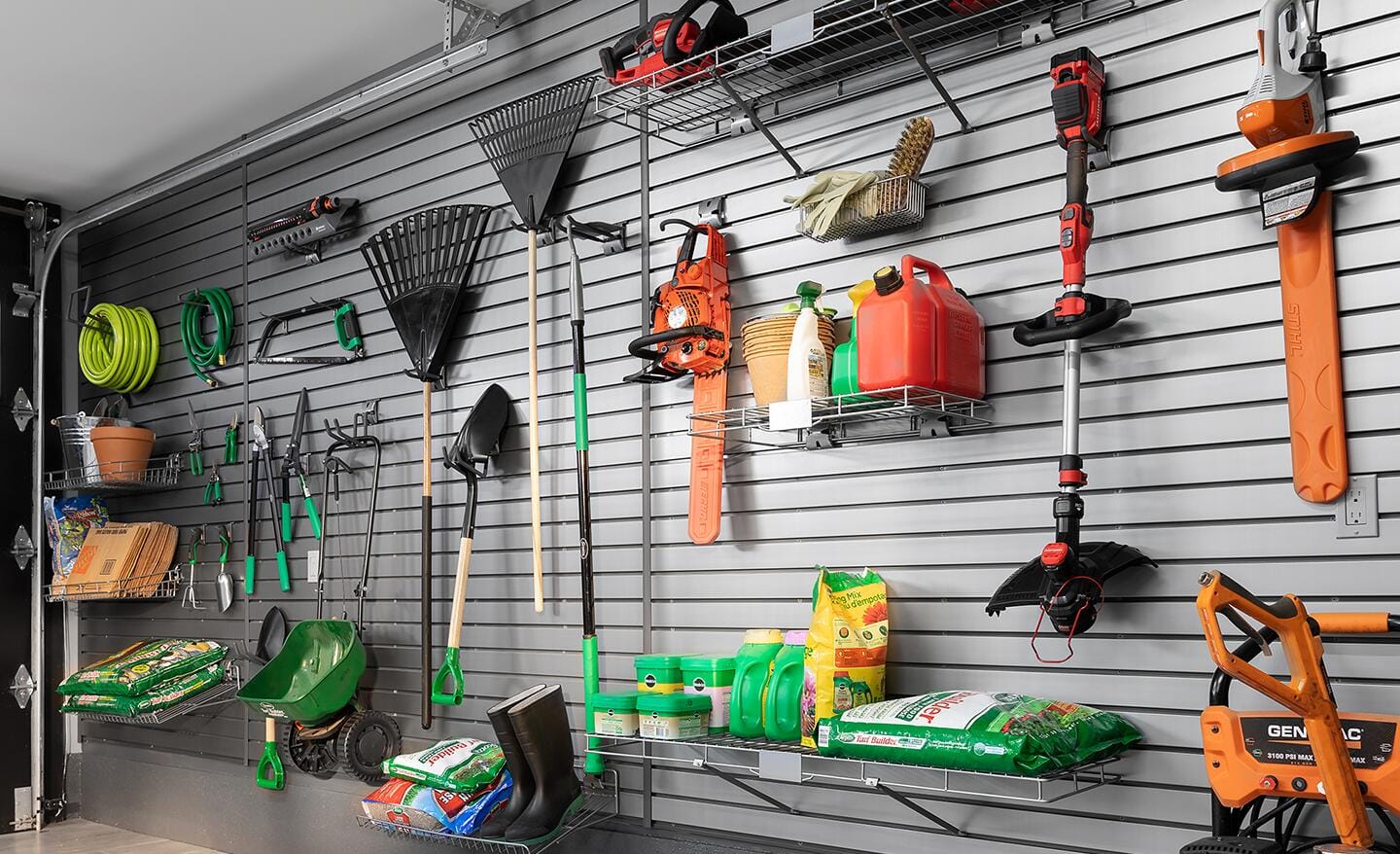
A cluttered toolbox can slow you down and even lead to tool damage. Organize your tools so that you can find what you need without rummaging around. Use drawer organizers, pegboards, or wall-mounted racks for better visibility and access.
Labeling drawers or sections in your toolbox can save time. For instance, group similar tools together—screwdrivers in one section, pliers in another. This way, you’ll always know where to look.
Consider how often you use each tool. Keep frequently used tools within easy reach, while rarely used ones can go in less accessible spots. This simple strategy can make your workflow smoother and more efficient.
Regular Maintenance Routine
Hand tools are essential for various tasks, and regular maintenance ensures their longevity. A consistent care routine keeps them safe to use and in top condition. Neglecting maintenance can lead to reduced efficiency and potential safety risks. Follow these simple steps to keep your tools performing like new.
Inspecting For Wear And Damage
Examine each tool for signs of wear, rust, or cracks. Pay close attention to handles, joints, and any moving parts. Wooden handles should be free from splinters or splits. Metal parts should not show excessive corrosion or bending. Replace or repair damaged parts immediately to prevent accidents. Regular checks make it easier to address minor issues before they worsen.
Sharpening Blades And Edges
Sharp tools work more efficiently and reduce the effort required. Use a file or sharpening stone to maintain blade edges. Follow the original angle of the blade for best results. Always clean the blade after sharpening to remove metal shavings. For safety, wear gloves and secure the tool while sharpening. Regular sharpening extends the life of your tools and keeps them effective.
Lubrication Essentials
Lubrication plays a crucial role in keeping your hand tools running smoothly. Without proper lubrication, tools can rust, stick, or wear out faster. Understanding the essentials of lubrication will help you extend the life of your tools and improve their performance.
Choosing The Right Lubricant
Not all lubricants work the same on every tool. Some tools need light oils, while others benefit from heavier greases. For example, a few drops of 3-in-1 oil work well on hinges and moving parts of pliers, while a thicker grease suits ratchets or sockets.
Think about the environment your tools face. If they get exposed to water or dust, select a lubricant that protects against rust and repels dirt. Avoid using WD-40 as a long-term lubricant; it’s better as a cleaner or rust remover.
Applying Lubrication Effectively
Before applying any lubricant, clean your tools thoroughly. Dirt and debris can cause more damage if trapped under the lubricant. Wipe off old grease or oil with a rag and use a brush if needed for stubborn grime.
Apply lubricant sparingly but evenly. Too much oil attracts dust, while too little won’t protect moving parts. Focus on joints, hinges, and areas where metal rubs against metal.
- Use a dropper or small brush for precise application.
- Work the lubricant into the mechanism by moving the parts several times.
- Wipe off any excess to prevent buildup.
Have you noticed a squeak or stiffness in your tools? Proper lubrication might be all they need to function like new again.
Preventing Rust And Corrosion
Rust and corrosion are the silent enemies of your hand tools. They not only spoil the look but also damage the metal, making your tools less effective and shorter-lived. Taking steps to prevent rust can save you time and money, and keep your tools working like new.
Using Protective Coatings
Applying a protective coating creates a barrier between your tools and moisture. You can use oils like mineral oil or specialized rust-preventive sprays. These coatings are easy to apply—just wipe your tools down after cleaning.
Consider using wax-based products for tools that see less frequent use. They offer longer-lasting protection and are less sticky. Have you ever noticed how a thin layer of oil keeps your garden shears shiny and smooth? That’s the power of a good coating.
Storing In Dry Conditions
Moisture is the main cause of rust, so where you store your tools matters a lot. Keep them in a dry place, ideally with low humidity. A toolbox with silica gel packs can absorb moisture and keep the environment dry.
Think about your garage or shed—does it get damp? If yes, consider a dehumidifier or storing your tools indoors. Dry storage isn’t just about avoiding rust; it also prevents mold and mildew on wooden handles, keeping your tools comfortable to use.
Safe Handling Practices
Handling hand tools safely is key to keeping them in good condition and preventing injuries. Every tool has a specific purpose, and using it properly helps you avoid damage and maintain its effectiveness. Let’s look at some practical ways to handle your tools safely so they last longer and work better.
Using Tools As Intended
Each hand tool is designed for a particular job. Using a screwdriver as a chisel or a wrench as a hammer can quickly ruin the tool and might cause accidents.
Think about the last time you grabbed a tool out of convenience rather than suitability. Did you notice any wear or damage afterward? This often happens because tools are misused.
Always match the tool to the task. If you need to cut something, pick the right knife or cutter, not a pair of pliers. This keeps your tools sharp and reliable, and your work safe.
Avoiding Excessive Force
Applying too much force can break your tools or cause slips that lead to injuries. It’s tempting to push hard when a nail won’t go in or a bolt won’t turn, but there’s usually a better way.
If a tool isn’t working easily, stop and check if you’re using the right one or if it needs cleaning or oiling. Sometimes, a little maintenance saves you from damaging the tool with brute force.
Have you ever snapped a screwdriver tip or bent a wrench? It likely happened because of too much pressure. Using steady, controlled force protects your tools and keeps your hands safe.

Credit: www.amazon.com
Tips For Long-term Care
Proper care extends the life of hand tools and keeps them working well. Regular attention prevents rust, damage, and wear. Simple habits help tools stay sharp and safe.
Replacing Worn Parts
Check tools often for worn or broken parts. Replace handles, blades, or screws that look damaged. Using worn parts can cause injury or damage other parts.
Keep spare parts handy for quick fixes. This saves time and keeps tools ready for work. Use parts made for your specific tool brand and model.
Tracking Maintenance History
Write down every repair, cleaning, and replacement. A simple notebook or digital file works well. This record helps know when the next check is due.
Tracking maintenance helps spot recurring problems. It also shows which tools need more care. Use dates and details to keep the record clear and useful.

Credit: www.instagram.com
Frequently Asked Questions
How Often Should I Clean My Hand Tools?
Clean your hand tools after every use to prevent rust and dirt buildup. Wipe them with a dry cloth and use mild soap if needed.
What Is The Best Way To Prevent Rust On Hand Tools?
Apply a thin layer of oil or rust inhibitor regularly. Store tools in a dry place and use silica gel packs to reduce moisture.
How Do I Sharpen Hand Tool Blades Safely?
Use a sharpening stone or file at the correct angle. Always wear safety gloves and work slowly to maintain blade integrity.
Can I Use Wd-40 For Hand Tool Maintenance?
Yes, WD-40 helps remove rust and lubricate moving parts. However, follow up with a protective oil for long-lasting care.
Conclusion
Regular care keeps your hand tools working well for years. Clean tools after each use to remove dirt and grime. Store tools in a dry place to stop rust. Sharpen blades and oil moving parts to keep them smooth. Check tools often for damage or wear.
Small fixes now prevent big problems later. Good tool care saves money and effort. Keep your tools ready for every job ahead. Simple steps make a big difference. Start today and enjoy easy, safe work tomorrow.

