

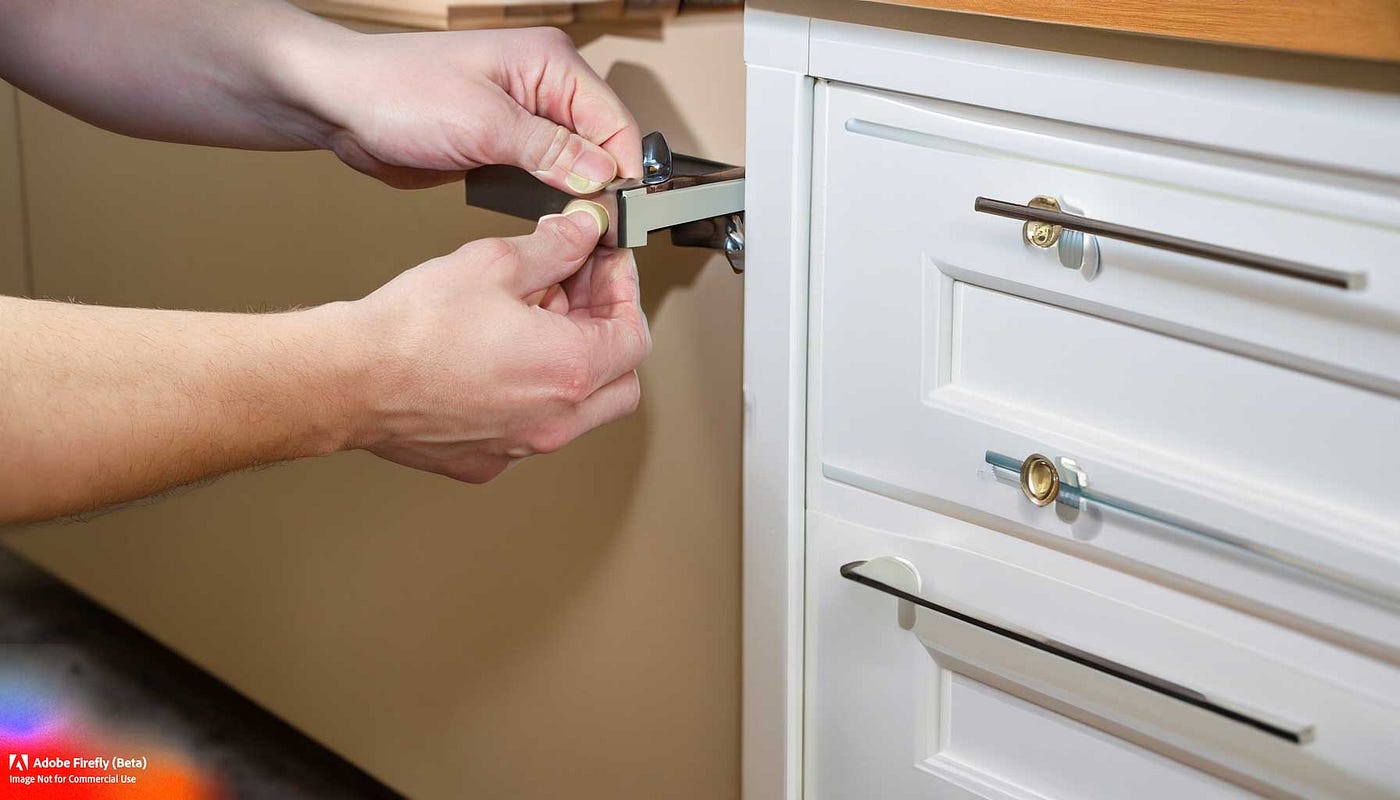
Are you ready to give your kitchen a quick and easy makeover? Installing cabinet handles is one of the simplest ways to refresh your space and add a touch of style.
But if you’ve never done it before, the idea might feel a bit overwhelming. Don’t worry—you’re about to learn exactly how to install kitchen cabinet handles like a pro. With just a few simple steps and basic tools, you can transform your cabinets and make your kitchen look brand new.
Keep reading, and you’ll discover tips that save time, avoid mistakes, and make the whole process smooth and satisfying. Your dream kitchen update starts here.
Choosing The Right Handles
Choosing the right kitchen cabinet handles is important. They can change the look and feel of your kitchen.
Handles should match your style and be comfortable to use every day.
Types Of Cabinet Handles
There are many types of cabinet handles. Each type offers a different look and grip.
- Knobs: Small, round handles that are easy to install.
- Pulls: Longer handles for a firm grip.
- Bar Handles: Simple bars that suit modern kitchens.
- Edge Pulls: Sleek handles that attach to the cabinet edge.
Materials And Finishes
Handles come in many materials and finishes. Choose one that fits your kitchen style.
- Metal: Durable and classic, like stainless steel or brass.
- Wood: Warm and natural, good for rustic kitchens.
- Plastic: Affordable and available in many colors.
- Glass or Crystal: Adds a touch of elegance.
- Finishes: Matte, polished, brushed, or antique styles.
Measuring For Perfect Fit
Measure carefully before buying handles. The right size makes installation easy.
Check the distance between screw holes on your cabinets. This is the "center-to-center" measurement.
- Use a ruler or tape measure for accuracy.
- Measure from the center of one hole to the center of the other.
- Match this measurement with the handle you want to buy.
- Double-check measurements to avoid mistakes.
Tools And Materials Needed
Installing kitchen cabinet handles needs some simple tools and materials. Getting these ready first makes the job easier and faster.
Below are the key tools and supplies you will need before starting the installation process.
Essential Tools
These tools help you measure, drill, and fix the handles on your cabinets with accuracy.
- Measuring tape or ruler
- Pencil for marking
- Electric drill or screwdriver
- Drill bits matching screw size
- Level to keep handles straight
- Safety goggles for eye protection
Additional Supplies
Besides the tools, you will need screws and possibly other materials to complete the installation.
| Item | Description | Purpose |
| Cabinet Handles | Choose style and size | Main hardware to install |
| Screws | Usually come with handles | Secure handles to doors |
| Wood filler | Optional | Fill old holes if needed |
| Sandpaper | Optional | Smooth surfaces before handle |
Preparing The Cabinets
Installing new kitchen cabinet handles starts with proper preparation. Careful preparation helps the new handles fit well and look great.
Before adding new handles, remove the old ones and clean the cabinet surface. This makes sure the new handles attach securely.
Removing Old Handles
Take off the old handles carefully to avoid damage. Use the right tools and keep all screws for reuse or disposal.
- Find the screws holding the handles on the inside of the cabinet door.
- Use a screwdriver to turn the screws counterclockwise.
- Hold the handle firmly to stop it from falling once loose.
- Remove the screws and pull the handle off gently.
- Save the screws or dispose of old handles properly.
Cleaning The Surface
Clean the cabinet surface where the new handles will go. A clean surface helps the screws hold tight and stops dirt from causing problems.
| Cleaning Step | Materials Needed | Purpose |
|---|---|---|
| Remove dust and dirt | Soft cloth or microfiber towel | Clear loose debris from the surface |
| Clean grease or sticky spots | Mild soap and warm water | Remove oils that block adhesion |
| Dry the surface | Dry cloth or paper towel | Prevent moisture from affecting screws |

Credit: atelierdeluxe.online
Marking Handle Placement
Installing kitchen cabinet handles needs careful marking. Proper placement helps handles look even and work well.
This guide covers how to measure and mark handle spots. It also shows how to use templates for consistent results.
Measuring And Marking
First, measure where each handle will go. Use a tape measure and a pencil to mark the spots on the cabinet doors or drawers.
- Decide handle height from the bottom or top edge.
- Measure the same distance on every door or drawer.
- Mark the drill points clearly with a pencil.
- Double-check all measurements before drilling.
Using Templates For Consistency
Templates help keep handle placement even across all cabinets. You can buy or make a simple template for marking drill points.
| Template Type | Use | Benefit |
|---|---|---|
| Plastic Template | Place on cabinet front to mark holes | Easy to use and reusable |
| Cardboard Template | Cut to size and shape for specific handles | Custom fit for unique cabinets |
| Metal Template | Durable, used for multiple projects | Long-lasting and precise |
Drilling Holes
Installing kitchen cabinet handles requires drilling holes in the cabinet doors or drawers. Accurate drilling makes the handles fit well and look neat.
Use the right tools and techniques to avoid damage. This guide helps you drill holes safely and precisely.
Choosing The Right Drill Bit
Select a drill bit that matches the handle screws’ size. The hole must be slightly larger than the screw.
Use a brad point bit for wood cabinets. It keeps the hole clean and prevents slipping.
- Measure the screw diameter before picking a bit
- Use brad point bits for wood surfaces
- A twist bit works for metal or hard surfaces
- Choose a drill bit with a sharp tip for accuracy
Drilling Techniques
Mark the exact spot for the hole with a pencil. Use a center punch or nail to make a small dent.
Hold the drill steady and drill slowly. Let the bit do the work without pushing too hard.
- Clamp the cabinet door to keep it from moving
- Start drilling at low speed to avoid slipping
- Drill straight to keep holes aligned
- Clear wood dust from the hole before inserting screws

Credit: www.youtube.com
Installing New Handles
Installing new kitchen cabinet handles can refresh the look of your kitchen. It is a simple task that you can complete with just a few tools.
Follow these steps to ensure your handles are aligned and securely attached. This will make your kitchen both functional and stylish.
Aligning And Attaching Handles
Begin by deciding where to place the handles. Most people center them on the cabinet doors and drawers.
Use a ruler or measuring tape to ensure each handle is positioned the same way. This will keep your kitchen looking neat and tidy.
- Measure the same distance from the edge on each door.
- Mark spots for drilling with a pencil.
- Double-check measurements before drilling.
Tightening Screws Securely
After attaching the handles, make sure the screws are tightened. Loose screws can make handles wobbly and unsafe.
Use a screwdriver that fits the screws well. Tighten each screw until it is snug, but do not over-tighten to avoid damage.
Tips for tightening screws:
- Use a manual screwdriver for more control.
- Check each handle after installation.
- Re-tighten screws periodically as needed.
Finishing Touches
Adding handles to your kitchen cabinets can enhance their look. It's the final touch that brings style and functionality together.
Before you finish, ensure everything is aligned and clean. This guarantees a professional look and feel.
Checking Alignment
Proper alignment of cabinet handles is crucial. Misaligned handles can affect the cabinet's appearance and usability.
- Measure the distance between handle holes.
- Use a level to ensure straight lines.
- Adjust any misaligned handles carefully.
Cleaning Up
After installing handles, cleaning up ensures a polished look. Remove any dust or fingerprints left during installation.
For stubborn stains or adhesive residue, mix vinegar and water in a spray bottle. Apply and wipe with a clean cloth.
- Wipe handles with a damp cloth.
- Check for loose screws and tighten them.
- Inspect for any leftover debris or dust.
Tips For A Stylish Upgrade
Installing new kitchen cabinet handles is a simple way to update your kitchen's look. You can change the style without spending much money.
Picking the right handles and caring for them helps keep your kitchen looking fresh and stylish for years.
Mixing And Matching Handles
Mixing different handles can add character and style to your kitchen. Use a mix of shapes, sizes, or finishes to create interest.
Try these tips for a balanced look:
- Keep the same finish but change handle styles for variety.
- Use larger handles on drawers and smaller knobs on cabinets.
- Match handles in the main cooking area and try different ones on a kitchen island.
- Stick to two handle styles to keep the look clean and simple.
Maintaining Your Cabinets
Good care keeps your cabinet handles shiny and working well. Clean them regularly with a soft cloth and mild soap.
Avoid harsh cleaners that can damage the finish. Tighten screws often to keep handles secure and prevent damage to your cabinets.
- Wipe handles weekly to remove dirt and oils.
- Use a soft toothbrush to clean around edges.
- Check screws every few months and tighten if loose.
- Replace damaged handles quickly to protect cabinet doors.

Credit: www.fynesdesigns.com
Frequently Asked Questions
How Do I Measure For Kitchen Cabinet Handles?
Measure the distance between existing holes or decide the placement. Mark the drill points carefully for accurate installation.
What Tools Are Needed To Install Cabinet Handles?
You need a drill, screwdriver, measuring tape, pencil, and screws. These basic tools ensure a smooth and secure handle installation.
Can I Install Cabinet Handles Without Drilling New Holes?
Yes, if the new handles match existing hole placements. Otherwise, drilling new holes is necessary for proper fit and alignment.
How Do I Choose The Right Size For Cabinet Handles?
Select handles proportional to your cabinet size. Larger cabinets suit longer handles, while smaller ones work with shorter handles.
Conclusion
Installing kitchen cabinet handles can be simple and quick. Measure and mark the spots carefully. Use the right tools for better results. Take your time to align handles evenly. Tighten screws firmly but avoid overtightening. Your cabinets will look fresh and stylish.
Enjoy the new look every day. Small changes make a big difference. Try this easy project for a kitchen upgrade.

