
Are you tired of struggling to move heavy furniture or equipment around your home or workplace? Installing caster wheels can be the game-changer you need.
Imagine effortlessly gliding your bulky items across the floor with ease. Sounds great, right? In this guide, you'll discover simple steps to install caster wheels, turning cumbersome tasks into smooth, manageable ones. Whether you're a DIY enthusiast or a beginner, this easy-to-follow guide will empower you to transform your heavy lifting into a breeze.
Ready to roll into a more convenient life? Let’s get started!
Choosing The Right Caster Wheels
Choosing the right caster wheels is key to smooth movement and safety. The right wheels help your furniture or equipment move easily. They also protect floors and hold the weight safely. Picking the correct caster wheels means knowing the types, weight limits, and materials.
Types Of Caster Wheels
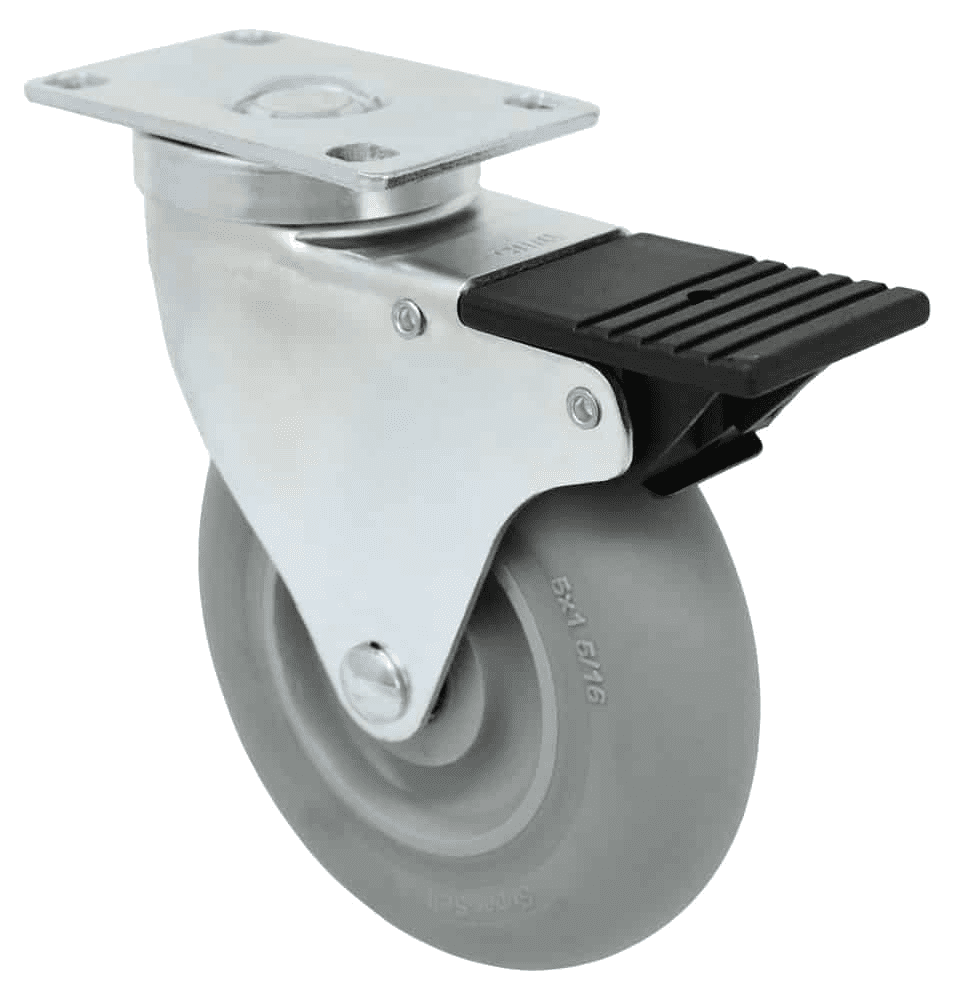
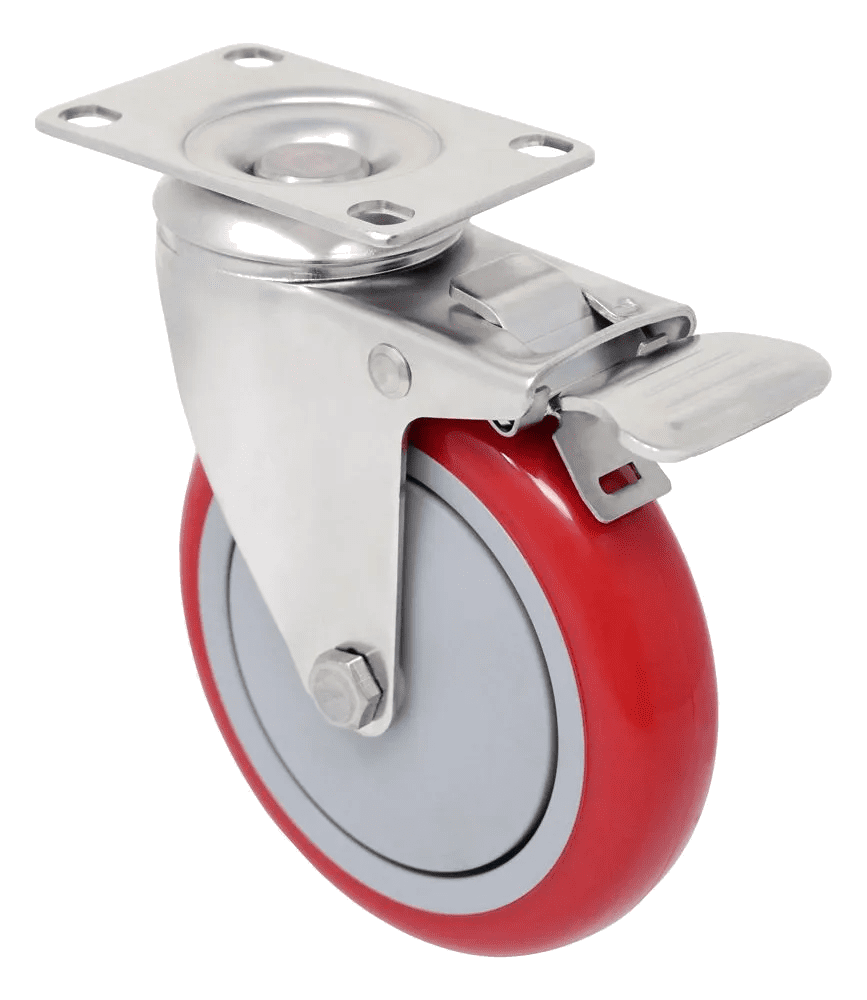
Caster wheels come in many types. Swivel casters turn 360 degrees for easy steering. Rigid casters move only straight ahead. Locking casters stop movement for stability. Some casters have brakes to hold position. Choose a type that fits your movement needs and space.
Weight Capacity Considerations
Each caster wheel has a weight limit. The total weight includes the object and any load on it. Divide the total weight by the number of wheels. Pick casters with a weight capacity higher than this number. This prevents damage and ensures safe movement.
Material Options
Casters are made from different materials. Rubber wheels offer smooth, quiet movement and protect floors. Polyurethane wheels handle heavy loads and resist wear. Steel wheels are strong but can damage floors. Plastic wheels are light but may not hold heavy weight. Choose materials based on surface type and load.
Tools And Materials Needed
Before you start installing caster wheels, gathering the right tools and materials is crucial. Having everything ready ensures the process goes smoothly and safely. Missing even one tool can turn a quick job into a frustrating task.
Essential Tools
- Drill:A power drill is necessary to create holes for screws or bolts.
- Screwdriver:Depending on your caster type, a Phillips or flathead screwdriver will help secure screws.
- Wrench or Socket Set:These are useful for tightening nuts and bolts firmly.
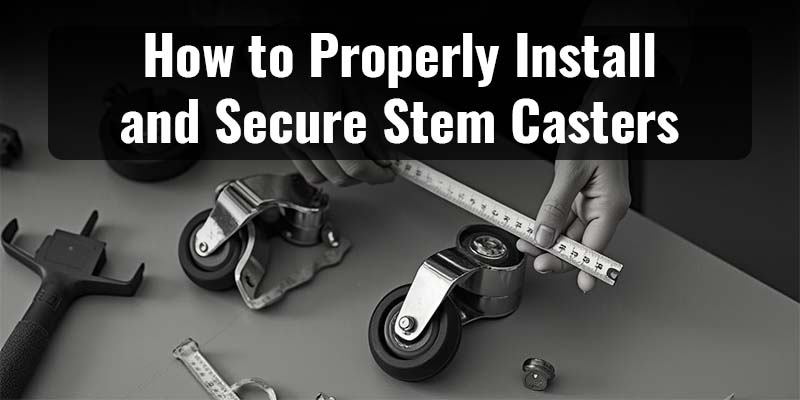
- Measuring Tape:Precise measurements help you place caster wheels evenly for balance.
- Marker or Pencil:Mark the exact spots where you will drill or attach the wheels.
Imagine trying to install wheels without a drill—you’d spend hours struggling with manual tools. Having these essentials makes your work faster and more precise.
Safety Gear
- Safety Glasses:Protect your eyes from flying debris when drilling or screwing.
- Work Gloves:Gloves shield your hands from sharp edges and provide better grip.
- Ear Protection:If you’re using loud power tools, ear plugs or earmuffs prevent hearing damage.
Don’t skip safety gear just because the job seems small. I once ignored gloves and ended up with a nasty scratch that slowed me down for days. Protecting yourself helps you stay focused and efficient.
Caster Wheel Components
- Caster Wheels:Choose wheels suitable for your furniture or equipment’s weight and floor type.
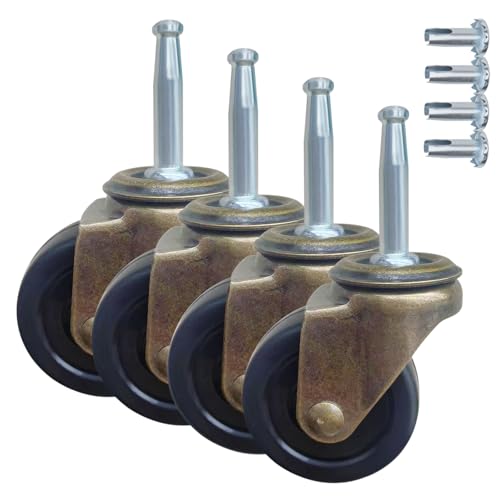
- Mounting Plates or Stems:These parts attach the wheels to your item—make sure they fit your furniture.
- Screws, Bolts, or Nuts:Ensure you have the correct size and quantity for a secure installation.
- Washers:These help distribute pressure and prevent damage to mounting surfaces.
Have you checked if your caster wheels come with mounting hardware? Sometimes, missing bolts or wrong sizes can halt your project unexpectedly. Confirming components beforehand saves you from mid-installation surprises.
Preparing The Surface
Preparing the surface is a key part of installing caster wheels. A clean and smooth area helps wheels attach securely. It also makes sure the wheels roll well and last longer.
Taking time to prepare saves effort later. The process involves cleaning, removing old wheels, and checking the mounting points. Each step ensures the new caster wheels fit perfectly and work safely.
Cleaning The Area
Start by clearing dirt and dust from the surface. Use a damp cloth or a brush to remove debris. Avoid oily or greasy spots that can affect wheel grip. Clean the entire area where the wheels will sit.
Dry the surface completely. Moisture can cause rust or weaken the attachment. A clean and dry surface helps the wheels stay firmly in place.
Removing Old Wheels
Remove any old caster wheels carefully. Use a screwdriver or wrench based on the wheel type. Keep screws or bolts for reuse if they are in good condition. Dispose of broken or damaged parts properly.
Clear away any leftover pieces like washers or nuts. These can block the new wheels from fitting correctly. Make sure the surface is smooth and flat after removal.
Checking Mounting Points
Inspect the mounting points where the wheels will attach. Look for cracks, bends, or rust that can weaken the hold. Repair or replace damaged parts before installing new wheels.
Measure the mounting holes to match the new caster wheels. Check the alignment to avoid uneven wheel placement. Proper mounting points ensure stability and smooth movement.
Credit: castercity.com
Installing The Caster Wheels
Installing caster wheels is a straightforward task that can improve mobility and functionality for many items. Proper installation ensures smooth movement and long-lasting performance. Follow these steps carefully to fit the caster wheels securely and correctly.
Aligning The Wheels
Place each caster wheel on the mounting surface. Make sure the wheel’s base matches the holes or slots on the item. Align the wheels so they face the correct direction for easy movement. Double-check that the wheels do not interfere with any part of the item.
Securing With Bolts Or Screws
Select the correct bolts or screws for the caster wheels. Insert them through the wheel’s mounting plate and into the item’s surface. Tighten the bolts or screws firmly, but avoid over-tightening. Over-tightening can damage the mounting surface or the caster wheel plate.
Testing Wheel Movement
After securing, test each wheel by moving the item. Check for smooth rolling and easy swiveling. If the wheels feel stiff or wobbly, adjust the bolts or screws. Ensure the wheels rotate freely without any obstruction.
Maintenance Tips For Longevity
Maintaining your caster wheels is key to keeping them rolling smoothly and lasting longer. Neglecting simple upkeep can lead to squeaks, jerks, or even complete failure. How often do you check the wheels on your furniture or equipment? A little care goes a long way in preventing costly replacements and downtime.
Regular Cleaning
Dirt and debris can easily get trapped in caster wheels, causing resistance and wear. Wipe your wheels frequently with a damp cloth to remove dust, hair, and small particles. If you notice stubborn grime, use a mild soap solution to clean thoroughly, then dry completely to avoid rust.
Don’t forget to clean the wheel axles and the area around the swivel bearings. This prevents buildup that could hinder smooth turning. A clean wheel not only rolls better but also avoids damage to floors.
Lubrication Practices
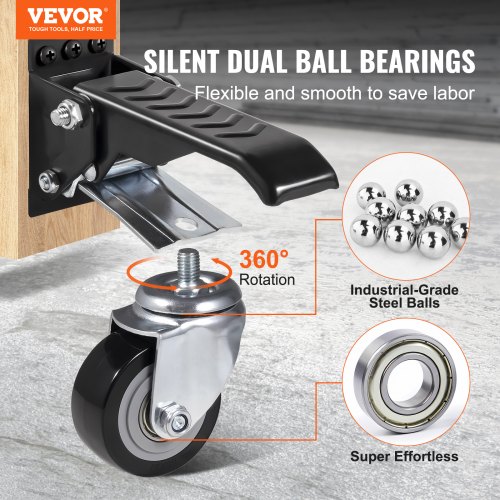
Lubrication is essential for caster wheels to move freely without strain. Apply a light machine oil or silicone spray to the wheel bearings and swivel joints. Avoid heavy grease as it can attract dirt and cause clogging.
How often you lubricate depends on the environment. For dusty or wet areas, check and oil your wheels every month. In cleaner, indoor settings, every three to six months usually works well.
Inspecting For Wear And Tear
Take time to inspect your caster wheels regularly for cracks, flat spots, or loose components. Worn-out wheels can damage your floors and make moving heavy items unsafe. Look closely at the mounting hardware and ensure all bolts and nuts are tight.
Have you noticed any unusual noises or difficulty steering? These are signs it’s time to replace or repair parts. Catching problems early saves you from bigger headaches later.
Credit: www.vevor.ca
Troubleshooting Common Issues
Troubleshooting common issues with caster wheels can save you time and frustration. Identifying problems early helps maintain smooth movement and prolongs the life of your equipment. Let’s look at typical problems you might face and how to fix them effectively.
Wobbly Wheels
Wobbly caster wheels often mean loose mounting bolts or worn-out bearings. Check if the bolts are tight and secure; loose screws can cause instability.
If tightening doesn’t help, inspect the bearings inside the wheel. Dirt and debris can cause them to wear unevenly, so cleaning or replacing the bearings might be necessary.
Have you ever ignored a small wobble only to find your chair suddenly tips? Addressing this quickly prevents accidents and equipment damage.
Difficulty In Movement
If your caster wheels don’t roll smoothly, the problem could be dirt buildup or damaged wheels. Clear out any hair, dust, or debris wrapped around the axle or wheel.
Lubricate the wheel bearings with a light oil or grease to ease movement. Avoid heavy lubricants that attract more dirt.
Sometimes, the wheel material is worn down or cracked, which hinders movement. Replacing the damaged wheels can restore easy rolling instantly.
Noise Problems
Squeaking or grinding noises usually indicate friction or lack of lubrication. Apply a small amount of lubricant to the wheel bearings and swivel joints.
Inspect for any cracks or flat spots on the wheels that could cause noise during movement. Swapping out damaged wheels often solves this issue.
Have you noticed noise only on certain surfaces? Different floor types can affect how caster wheels sound, so consider wheel material suited for your flooring.
Credit: castercity.com
Frequently Asked Questions
What Tools Are Needed To Install Caster Wheels?
You need a drill, screwdriver, wrench, and measuring tape. These tools help secure the wheels firmly and align them properly for smooth movement.
How Do I Choose The Right Caster Wheels?
Consider weight capacity, wheel material, and floor type. Choosing the correct wheels ensures durability and optimal performance for your specific application.
Can I Install Caster Wheels On Any Furniture?
Most furniture can accommodate caster wheels if the base is flat. Check the material strength and mounting options before installation for safety.
How Do I Secure Caster Wheels To Prevent Wobbling?
Tighten all screws and bolts firmly, and use locking nuts if possible. Proper securing stops movement and ensures stability during use.
Conclusion
Installing caster wheels can make moving furniture much easier. Follow each step carefully for a secure fit. Use the right tools to avoid damage or injury. Check that wheels spin and lock properly before use. Regularly inspect your caster wheels to keep them working well.
With simple care, your furniture will stay mobile and stable. Now you can enjoy the convenience of smooth rolling furniture. Give it a try, and see the difference today!