Struggling to remove that stubborn adhesive from your glass surfaces? You're not alone.
Whether it's from stickers, tape, or labels, sticky residue can be a real headache. But don't worry, there's a solution to your frustration. Imagine your glass surfaces looking as good as new, free from any adhesive marks. In this guide, you'll discover simple and effective techniques to make that happen.
Say goodbye to unsightly residue and hello to sparkling clean glass. Keep reading to learn how you can easily tackle this common household challenge with confidence.
Types Of Adhesive On Glass
Adhesives on glass come in many forms. Each type has unique properties and challenges when it comes to removal. Knowing the kind of adhesive helps choose the best cleaning method.
Common Adhesive Residues
- Glue Stick Residue:Usually soft and easy to wipe off.
- Sticker and Label Adhesive:Often sticky and leaves a tacky film.
- Super Glue:Hard and clear, bonds quickly and strongly.
- Silicone Sealant:Flexible and rubbery, used for waterproof sealing.
- Double-Sided Tape:Leaves a sticky, sometimes greasy, residue.
How Adhesives Bond To Glass
Glass is smooth and non-porous. Adhesives stick by creating a thin layer that grips the surface.
Some adhesives harden by drying or curing. Others stay soft and sticky over time.
Temperature, pressure, and surface cleanliness affect the bond strength.
Strong bonds need stronger solvents or tools for removal.
Tools And Materials Needed
Removing adhesive from glass requires the right tools and materials. Choosing suitable items makes the task easier and protects the glass surface. Some tools are common household items, while others are specialized products designed for sticky residues.
Household Items
- Warm water and mild soap – softens adhesive gently
- Rubbing alcohol – breaks down sticky residue effectively
- White vinegar – natural cleaner that loosens glue
- Plastic scraper or old credit card – removes adhesive without scratching
- Paper towels or soft cloth – for wiping and drying
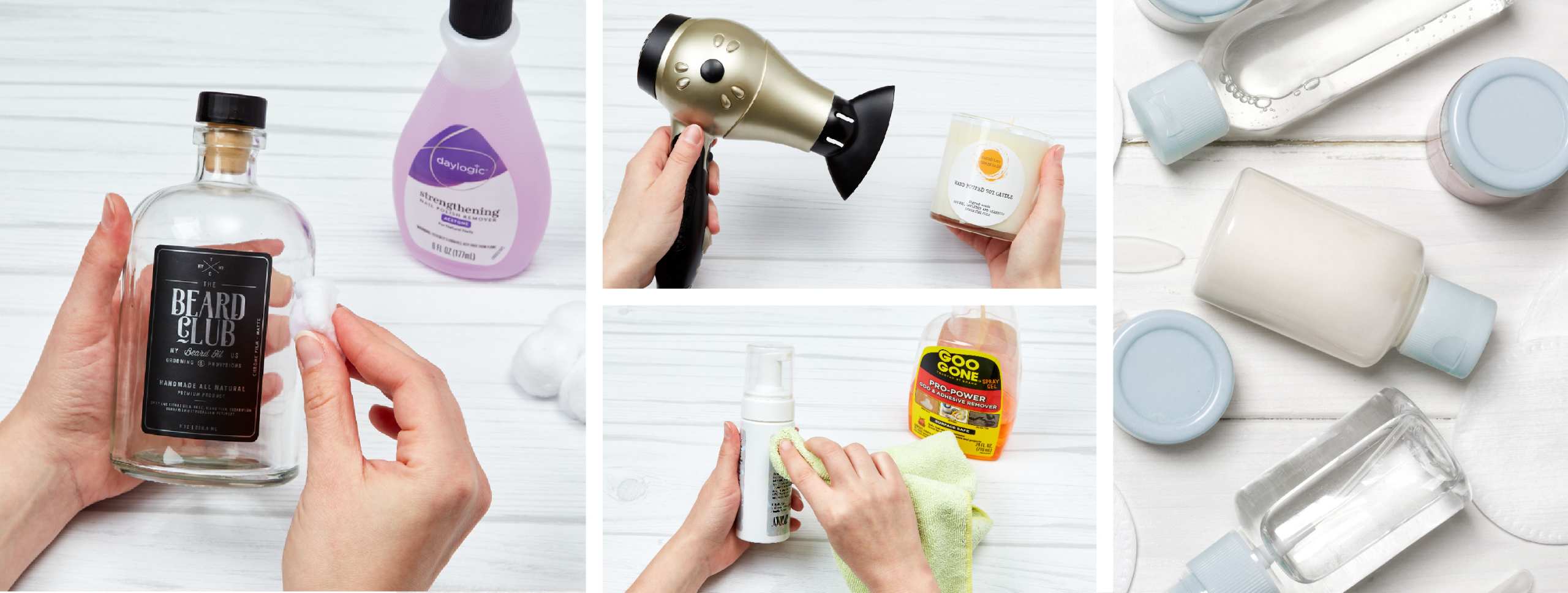
- Hairdryer – warms adhesive to make it easier to peel
Specialized Products
- Goo Gone or adhesive remover – designed for tough glue
- WD-40 – helps dissolve sticky substances on glass
- Acetone or nail polish remover – effective but use cautiously
- Commercial glass cleaner – cleans after adhesive removal
- Safety gloves – protect your hands during cleaning
Quick Removal Methods
Removing adhesive from glass can feel tricky, especially when you're short on time. Quick removal methods focus on using common household items that work fast without damaging the glass surface. These simple tricks can save you from the frustration of scraping and scraping without progress.
Using Warm Soapy Water
Start by soaking the adhesive area with warm, soapy water. The warmth softens the glue, making it easier to wipe away.
Use a sponge or cloth soaked in the solution, and gently rub the sticky spot in circular motions. You’ll notice the adhesive loosening up after just a few minutes.
Patience pays off here—if the glue feels stubborn, let the soapy water sit for a bit longer before trying again.
Applying Vinegar Or Rubbing Alcohol
Both vinegar and rubbing alcohol break down adhesive bonds effectively. Dab a cloth with either liquid and press it onto the glue.
After a few minutes, the adhesive should start to lift. Use a plastic scraper or your fingernail to peel it off carefully.
Have you tried both? You might find that vinegar works better on some glues, while alcohol is stronger on others. Testing a small spot first can save you time and trouble.
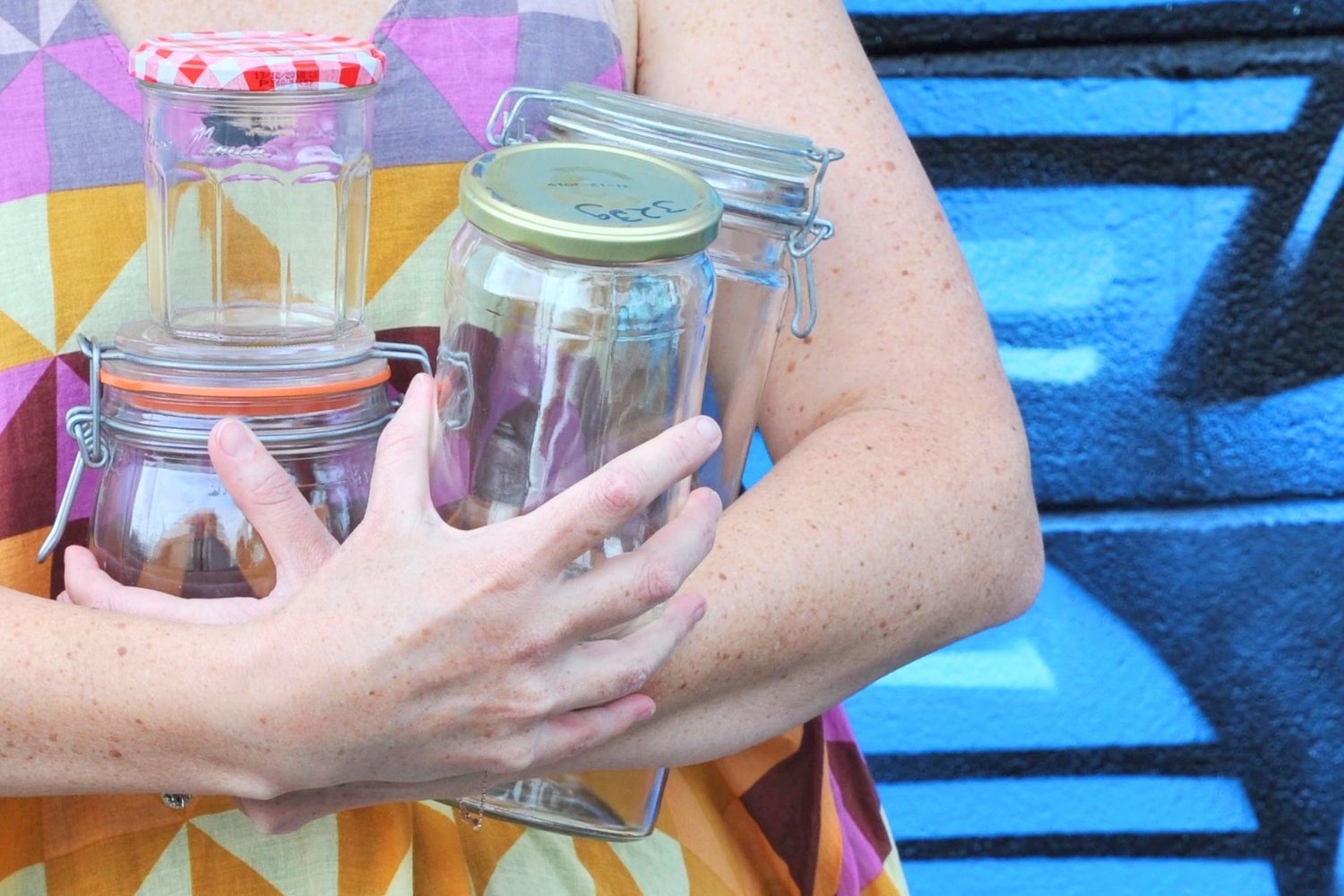
Credit: www.reusablenation.com
Using Heat To Loosen Adhesive
Using heat to loosen adhesive from glass softens the sticky residue. This makes it easier to peel or wipe off. Heat breaks down the adhesive’s hold without damaging the glass. It works well on labels, stickers, or tape left behind. A common and safe tool for this is a hair dryer. Heat helps the adhesive lose its grip, allowing gentle removal.
Hair Dryer Technique
Use a hair dryer with a warm setting, not hot. Hold it a few inches from the glass surface. Move the dryer side to side over the adhesive for 30 to 60 seconds. The warmth softens the glue underneath. After heating, gently peel the adhesive using your fingers or a plastic scraper. Repeat heating if the adhesive remains stubborn. Clean the glass with warm soapy water to remove leftover residue.
Caution When Applying Heat
- Do not use high heat to avoid glass damage.
- Avoid holding the dryer too close to the glass.
- Keep the hair dryer moving to prevent overheating one spot.
- Do not use heat near flammable materials.
- Wear gloves if the glass becomes too warm to touch.
Proper care ensures safe and effective adhesive removal with heat.
Chemical Adhesive Removers
Chemical adhesive removers are effective for clearing sticky residues from glass surfaces. They dissolve glue without scratching the glass. Using the right remover speeds up cleaning and leaves glass clear and smooth. These removers come in various types, including liquids, gels, and sprays. Proper handling ensures safety and the best results.
Choosing Safe Solvents
Select solvents that do not damage glass or surrounding materials. Common safe options include rubbing alcohol, acetone, and commercial adhesive removers labeled safe for glass. Avoid harsh chemicals like ammonia or bleach, which can cause damage.
Check product labels for safety instructions and compatibility. Use natural solvents such as citrus-based removers if preferred. Always test a small hidden area before full application.
Application Tips
- Wear gloves to protect your skin from chemicals.
- Apply the remover with a soft cloth or cotton ball.
- Let the solvent sit for a few minutes to soften the adhesive.
- Gently scrape off the residue using a plastic scraper or old credit card.
- Wipe the glass clean with a damp cloth afterward.
- Repeat if any adhesive remains, but avoid excessive scrubbing.
Credit: endofleasesydney.com.au
Mechanical Removal Techniques
Mechanical removal techniques work by physically lifting or scraping the adhesive from glass surfaces. These methods are effective for stubborn glue spots that do not respond well to solvents. Using the right tools and gentle pressure can clear the adhesive without damage.
Scraping With Plastic Tools
Plastic scrapers are safe for glass and prevent scratches. They slide under the adhesive and lift it away without harsh abrasion. Use a firm but careful motion to peel off sticky residue.
Tools like old credit cards or special plastic putty knives work well. Avoid metal scrapers as they can easily damage the glass. Repeat scraping several times for thick adhesive layers.
Avoiding Glass Scratches
Protect the glass by using only soft, non-metallic tools. Always test in a small hidden area first. Keep the scraper flat against the surface to reduce pressure points.
Clean the glass regularly during scraping to see progress clearly. Stop immediately if you notice any scratches forming. Gentle patience often yields the best results without harming the glass.
Stubborn Adhesive Solutions
Stubborn adhesive on glass can feel impossible to remove, especially when it refuses to budge with regular cleaning. Tackling these tough spots requires more than just elbow grease; it calls for smart solutions that break down the adhesive without damaging your glass surface. Let’s dive into practical ways to handle those sticky residues that just won’t quit.
Using Oil-based Products
Oil-based products are a secret weapon against stubborn adhesive. They work by softening the sticky residue, making it easier to lift off your glass.
Common household oils like vegetable oil, baby oil, or even peanut butter can do the trick. Apply a small amount onto a clean cloth and gently rub the adhesive. After a few minutes, you’ll notice the glue loosening and becoming easier to wipe away.
If you want something stronger, try products like WD-40 or commercial adhesive removers that contain oils. Just be sure to test on a small area first to avoid any unwanted marks. Have you ever used something unexpected like cooking oil to fix a sticky situation?
Multiple Treatment Approaches
Sometimes one method isn’t enough. Combining different techniques can be surprisingly effective.
- Heat and oil:Warm the adhesive with a hairdryer to soften it, then apply oil to break it down further.
- Scrape and clean:Use a plastic scraper after softening the glue to gently lift it off without scratching the glass.
- Repeat the process:Stubborn glue might need several rounds of treatment before it fully disappears.
Don’t rush the process—patience and persistence pay off. What’s your experience with layering different removal methods? Sometimes, mixing approaches reveals solutions you wouldn’t expect.

Credit: www.youtube.com
Preventing Adhesive Residue
Preventing adhesive residue on glass is easier than cleaning it up later. Taking a few simple steps before applying or removing adhesive can save you time and frustration. Are you ready to protect your glass surfaces and keep them spotless?
Proper Label Removal
Peeling off labels slowly and at an angle helps reduce leftover adhesive. Avoid ripping the label quickly, which often leaves sticky bits behind.
If the label feels stubborn, try warming it with a hairdryer for 20–30 seconds. The heat softens the adhesive, making removal smoother and cleaner.
After peeling, gently rub the area with a soft cloth soaked in warm, soapy water to wipe away any residue. This simple step prevents sticky patches from sticking around.
Protective Measures For Glass
Cover glass surfaces with painter’s tape or plastic film before using adhesives nearby. This shields the glass from accidental spills and drips.
When applying adhesives, use a small brush or applicator to control placement. Avoid applying excess glue that can overflow onto the glass.
Have you ever tried using a silicone mat or craft paper under your work area? It catches any adhesive drops before they reach the glass, making cleanup easier.
Taking these precautions saves you from tough scrubbing and potential scratches later. Your glass stays clear and beautiful with minimal effort.
Cleaning And Polishing After Removal
After removing adhesive from glass, cleaning and polishing is essential. This step removes leftover smudges and streaks. It also brings back the glass’s natural shine. Proper care ensures the glass looks clear and smooth.
Removing Smudges And Streaks
Use a soft, lint-free cloth to wipe the glass gently. Avoid rough materials that may scratch the surface. Spray a glass cleaner or a mix of water and vinegar onto the cloth. Wipe in circular motions to lift smudges. For stubborn streaks, repeat the process. Dry the glass with a clean, dry cloth to prevent water marks.
Restoring Glass Shine
Polish the glass with a microfiber cloth for a sparkling finish. You can also use a small amount of rubbing alcohol on the cloth. Buff the surface lightly until it shines. Natural light helps spot areas that need more polishing. Proper polishing makes the glass look clear and fresh again.
Frequently Asked Questions
How Can I Remove Adhesive From Glass Safely?
Use warm soapy water and a plastic scraper first. For stubborn adhesive, apply rubbing alcohol or vinegar. Avoid harsh chemicals to protect the glass surface.
What Household Items Remove Adhesive From Glass?
Common items like vinegar, rubbing alcohol, and baking soda work well. They soften adhesive without damaging glass. Always test a small area first.
Can Heat Help Remove Adhesive From Glass?
Yes, gently heating the adhesive with a hairdryer softens it. This makes scraping easier and prevents scratches on the glass.
Is Commercial Adhesive Remover Safe For Glass?
Most commercial removers are safe if used as directed. Choose products labeled safe for glass and follow instructions carefully to avoid damage.
Conclusion
Removing adhesive from glass can be simple with the right method. Use gentle tools and safe cleaners to avoid scratches. Take your time and work carefully for the best results. Always test cleaners on a small spot first. Clean glass looks clear and fresh again.
Keep these tips in mind for future sticky situations. Now, your glass will shine without any sticky residue left behind.

