How often should you change your HVAC filters? It’s a question many homeowners overlook, but the answer can save you money and keep your home’s air fresh.
Dirty filters can make your system work harder, raise energy bills, and even affect your health. You might think changing filters is a simple task, but knowing the right timing is key. You’ll discover exactly when and why to replace your HVAC filters, so your system runs smoothly and your indoor air stays clean.
Keep reading to protect your home and breathe easier every day.
Importance Of Hvac Filters
HVAC filters play a crucial role in maintaining the air quality and efficiency of your heating and cooling system. Without clean filters, your system works harder, costing you more money and risking breakdowns. Understanding why these filters matter can help you make smarter choices about when and how often to change them.
How Hvac Filters Protect Your Indoor Air Quality
Your HVAC filter captures dust, pollen, pet dander, and other airborne particles before they circulate through your home. This is especially important if anyone in your household has allergies or respiratory issues.
Ignoring filter maintenance lets these particles build up and re-enter your living space. Have you noticed more sneezing or dust settling on surfaces? Your filter might be the culprit.
Impact Of Dirty Filters On Hvac System Efficiency
A clogged filter restricts airflow, making your system work harder to heat or cool your home. This extra effort increases energy use and wear on components.
When I waited too long to change my filter, my energy bills jumped unexpectedly. Changing the filter regularly keeps your HVAC system running smoothly and saves you money.
Preventing Costly Repairs With Regular Filter Changes
Filters that aren’t replaced can cause dirt to enter critical parts of your HVAC system, leading to damage and breakdowns. Repair bills quickly add up when this happens.
Think about how much a simple filter change costs compared to fixing a damaged blower motor or compressor. Small actions prevent big headaches.

Credit: m.facebook.com
Signs Your Filter Needs Replacing
Knowing when to change your HVAC filter is important for clean air and system health. Filters trap dust, dirt, and allergens. Over time, they get clogged and less effective. Watch for these signs that show your filter needs replacing.
Visible Dirt And Dust On The Filter
Check the filter by removing it from the unit. If you see a thick layer of dust or dirt, it needs changing. A clean filter looks white or light gray. A dirty one looks dark and dusty.
Reduced Airflow From Vents
Feel the air coming from your vents. If airflow is weak or slower than usual, the filter might be blocked. A clogged filter stops air from moving freely. This makes your system work harder.
Increased Allergy Symptoms
Notice if allergies or breathing problems worsen indoors. A dirty filter can’t trap allergens well. Dust, pollen, and pet dander stay in the air longer. Changing the filter helps improve air quality.
Higher Energy Bills
Watch your energy bills for unusual increases. A dirty filter makes the HVAC system use more energy. It struggles to push air through the clogged filter. Replacing it can lower costs.
Unpleasant Odors From Vents
Smell musty or stale air from your vents. Filters that hold dust and moisture can cause bad odors. A new filter removes smells and freshens the air in your home.
Factors Affecting Filter Lifespan
Changing your HVAC filter regularly is vital for maintaining clean air in your home and ensuring your system runs efficiently. But how often should you replace it? The answer depends on several factors that directly affect the lifespan of your filter. Let’s break these down so you can make the best decision for your home.
Type Of Filter Material
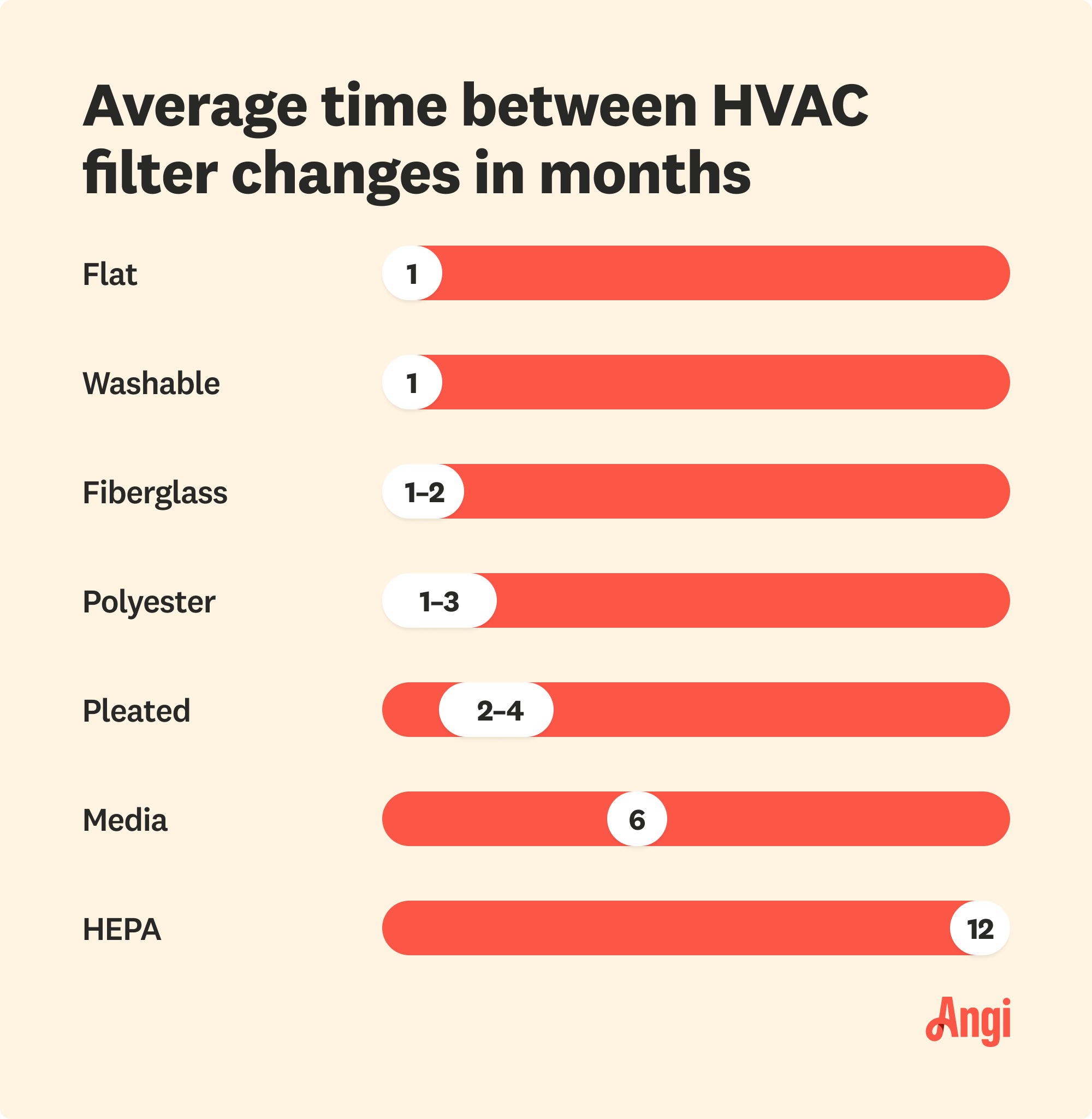
The material of your HVAC filter plays a big role in how long it lasts. Basic fiberglass filters are affordable but need replacement every 30 days. Pleated filters, on the other hand, are more durable and can last up to 90 days.
HEPA filters are even more efficient at trapping tiny particles, but they may clog faster in dusty environments. Always check the manufacturer’s recommendations for your specific filter type.
Frequency Of Hvac Usage
Do you run your HVAC system year-round? If so, your filter will accumulate debris faster. Homes in extreme climates often use their systems more, which means filters need replacing more frequently.
On the flip side, if you only use your HVAC occasionally, you might get away with changing the filter less often. But don’t forget—filters can still collect dust even when the system isn’t running.
Indoor Air Quality
Is your home located in a city with high pollution? Or perhaps you live near a construction site? Poor outdoor air quality can lead to faster clogging of your filter.
Indoor factors like smoking or frequent cooking also contribute. If your home has more airborne particles, you’ll need to replace the filter more often to keep the air clean.
Household Size And Pets
A larger household means more dust, skin flakes, and other particles in the air. And if you have pets, their fur and dander can quickly clog your filter.
For example, a home with multiple pets might need filter changes every 30 days, while a single-pet household could stretch it to 60 days. Consider the specifics of your living situation when deciding on a replacement schedule.
Understanding these factors can help you adjust your filter replacement schedule to suit your home’s needs. So, how often do you think your filter deserves a refresh?
Recommended Replacement Timelines
Knowing the recommended replacement timelines for HVAC filters helps keep your system running well. Filters trap dust, dirt, and allergens. Over time, they get clogged and reduce airflow. Changing them on time improves air quality and system efficiency.
Different filter types need different care. Basic filters require frequent checks. Standard filters have a set replacement schedule. Specialty filters last longer but need yearly attention. Following these timelines protects your home and HVAC system.
Monthly Checks For Basic Filters
Basic fiberglass or polyester filters need monthly checks. They are thin and catch large particles. Dirt builds up quickly, blocking airflow. Inspect them every month, especially in heavy use seasons. Replace if you see dust or damage. Frequent changes keep your system healthy.
Quarterly Replacement For Standard Filters
Standard pleated filters last about three months. They trap smaller particles than basic filters. Change these filters every 90 days for best results. Homes with pets or allergies might need more frequent changes. Mark your calendar to avoid forgetting. This routine keeps air cleaner and airflow steady.
Annual Maintenance For Specialty Filters
Specialty filters, like HEPA or electrostatic, last longer. These filters clean the air deeply and cost more. Replace them once a year or as manufacturer suggests. Check for signs of wear or heavy dirt. Annual maintenance ensures your HVAC system performs well over time.
Benefits Of Regular Filter Changes
Changing your HVAC filters regularly brings noticeable benefits that affect your home’s comfort and your wallet. It’s a simple task that can lead to cleaner air, lower energy bills, and fewer repair headaches. Have you ever noticed how a fresh filter seems to make your system run smoother almost immediately? That’s no coincidence.
Improved Air Quality
Your HVAC filter traps dust, pollen, pet dander, and other particles before they circulate in your living space. When filters get clogged, these pollutants build up and reduce the air quality around you. Cleaner air means fewer allergy flare-ups, less dust settling on furniture, and a healthier environment for everyone in your home.
Think about those days when your allergies act up—could a dirty filter be making it worse? Regular filter changes help you breathe easier and keep your home feeling fresh.
Enhanced Energy Efficiency
A dirty filter forces your HVAC system to work harder to push air through, which increases energy use. Replacing filters on time means your system runs more smoothly and uses less electricity. This simple step can lower your monthly energy bills noticeably.
Imagine cutting your energy costs without investing in new equipment—changing filters is an easy way to do just that. It’s a small habit that pays off every month.
Extended Hvac System Life
Filters protect your HVAC system’s internal parts from dust and debris buildup that can cause wear and tear. When filters are clogged, the system strains, which may lead to breakdowns or expensive repairs. Changing filters regularly keeps your system healthier and running longer.
How much would you save by avoiding a costly repair or early replacement? Keeping up with filter changes can add years to your HVAC system’s life and save you money in the long run.

Credit: www.facebook.com
Tips For Choosing The Right Filter
Choosing the right HVAC filter isn’t just about grabbing the first one that fits your system. The right filter impacts your indoor air quality, system efficiency, and even your energy bills. Let’s break down a few key factors to help you make a smart choice.
Understanding Filter Ratings
Filter ratings, like MERV (Minimum Efficiency Reporting Value), tell you how effective a filter is at trapping particles. Higher MERV ratings mean better filtration, but they can also restrict airflow in some systems.
For residential use, MERV ratings between 8 and 13 are typically sufficient. They balance effective filtration with maintaining airflow. If allergies are a concern, you might opt for a higher rating—but check your HVAC system’s manual to avoid overloading it.
Not sure what those ratings mean? Think of it this way: a MERV 8 filter can capture pet dander, while a MERV 13 can snag finer particles like bacteria. Which level of filtration matches your home’s needs?
Matching Filters To Your Needs
Your lifestyle plays a big role in filter choice. Do you have pets? Consider a filter designed to trap pet hair and dander. Are you living in a high-pollen area? Go for one that targets allergens.
Families with small children or elderly members might prioritize filters that improve air quality. On the other hand, if you live alone and rarely open windows, you might not need a top-tier filter.
Also, think about how often you’re willing to change the filter. If you prefer low maintenance, a longer-lasting filter might be worth the investment.
Considering Budget And Durability
Filters come in a range of prices, but cheaper isn’t always better. A low-cost filter may need replacement every 30 days, while a higher-quality one might last 3 to 6 months.
If you’re on a tight budget, consider buying filters in bulk to save money over time. Just make sure you store them properly to keep them in good condition.
Think about durability too. A washable filter might cost more upfront but could save you money in the long run. Are you ready to clean it regularly, or would a disposable option suit your routine better?
Diy Vs Professional Maintenance
Deciding between DIY and professional maintenance for changing your HVAC filters can affect both your system's efficiency and your peace of mind. While replacing filters yourself saves money and time, it’s important to understand the right approach to avoid mistakes that could reduce air quality or damage the system. Knowing when to tackle the task on your own and when to seek expert help will keep your HVAC running smoothly and your indoor air fresh.
Steps For Diy Filter Replacement
Replacing your HVAC filter yourself is straightforward if you follow the correct steps. Start by turning off the system to ensure safety. Locate the filter compartment, usually near the air handler or return air duct.
- Remove the old filter carefully to avoid stirring up dust.
- Check the filter size printed on its frame to ensure you buy the correct replacement.
- Insert the new filter with the airflow arrows pointing in the right direction.
- Close the compartment securely and turn the system back on.
Keeping track of filter changes every 1 to 3 months depending on your environment helps maintain air quality. Have you noticed dust buildup or allergies worsening? That’s a sign it’s time to swap filters more frequently.
When To Call A Professional
Some situations require a trained technician rather than a DIY approach. If you find the filter slot hard to access or suspect damage to the filter housing, it’s best to get expert help. Professionals can also perform a full system check to identify hidden issues affecting performance.
Consider calling a pro if your HVAC system shows signs like unusual noises, reduced airflow, or inconsistent temperatures. These symptoms often point to deeper problems beyond just a dirty filter. Would you risk worsening these issues by attempting repairs without proper tools or knowledge?
Scheduling professional maintenance annually complements your regular filter changes. It ensures your HVAC system remains efficient, safe, and reliable throughout the year.
Common Mistakes To Avoid
Changing HVAC filters at the right time keeps your system running smoothly. Many people make simple errors that reduce filter effectiveness. These mistakes can cause poor air quality and higher energy costs. Avoid these common pitfalls to maintain your HVAC system’s health.
Ignoring Replacement Timelines
Filters need changing regularly. Waiting too long clogs the filter with dirt. This blocks airflow and strains the system. Follow the manufacturer’s schedule for best results. Set reminders to check filters monthly.
Using Incorrect Filter Sizes
Filters come in many sizes. Using the wrong size lets air bypass the filter. Dust and allergens enter your home. Always measure your filter slot before buying. Use only the size recommended by your HVAC unit.
Overlooking Seasonal Adjustments
Filter needs change with the seasons. Summer and winter bring more dust and pollen. Change filters more often in these months. During milder seasons, filters last longer. Adjust your filter schedule based on local weather changes.
Additional Tips For Clean Air
Keeping your home’s air clean is essential for a healthy environment. Changing HVAC filters regularly is a great start, but other strategies can enhance indoor air quality. Here are additional tips to ensure cleaner air throughout your home.
Using Air Purifiers
Air purifiers effectively remove dust, allergens, and harmful particles. Choose a purifier with a HEPA filter for better performance. Place them in rooms where you spend most of your time, like bedrooms or living areas. Regularly clean or replace the purifier’s filter to maintain efficiency.
Maintaining Proper Ventilation
Good ventilation prevents stale air and reduces the build-up of pollutants. Open windows daily to allow fresh air circulation. Use exhaust fans in kitchens and bathrooms to remove moisture and odors. Ensure ventilation systems are functioning well to avoid trapping contaminants indoors.
Regular Duct Cleaning
Dirty ducts can circulate pollutants and dust throughout your home. Schedule professional duct cleaning every few years to remove debris and buildup. Inspect ducts for mold, pests, or leaks that can lower air quality. Clean ducts improve airflow and keep your HVAC system efficient.

Credit: m.facebook.com
Frequently Asked Questions
How Often Should Hvac Filters Be Replaced?
HVAC filters should be replaced every 1 to 3 months. This depends on filter type, usage, and indoor air quality. Regular replacement ensures better air quality and system efficiency.
What Happens If Hvac Filters Are Not Changed?
Dirty filters reduce airflow and strain the system. This causes higher energy bills and possible HVAC damage. Changing filters regularly prevents costly repairs and maintains good air quality.
Can Dirty Hvac Filters Affect Health?
Yes, dirty filters trap dust and allergens poorly. This worsens allergies and respiratory issues. Clean filters improve indoor air quality and promote healthier breathing.
Are Reusable Hvac Filters Effective Long-term?
Reusable filters save money but need regular cleaning every 1 to 3 months. Proper maintenance keeps them effective and protects your HVAC system from damage.
Conclusion
Changing HVAC filters regularly keeps air clean and systems efficient. Most filters need changing every 1 to 3 months. Homes with pets or allergies may need changes more often. Check your filter monthly to spot dirt or dust buildup. Clean filters help save energy and lower bills.
They also improve air quality for healthier breathing. Don’t wait too long to replace filters. Small steps like this protect your HVAC and your home’s air. Simple care can prevent costly repairs later. Keep your system running smoothly and breathe easy.

