

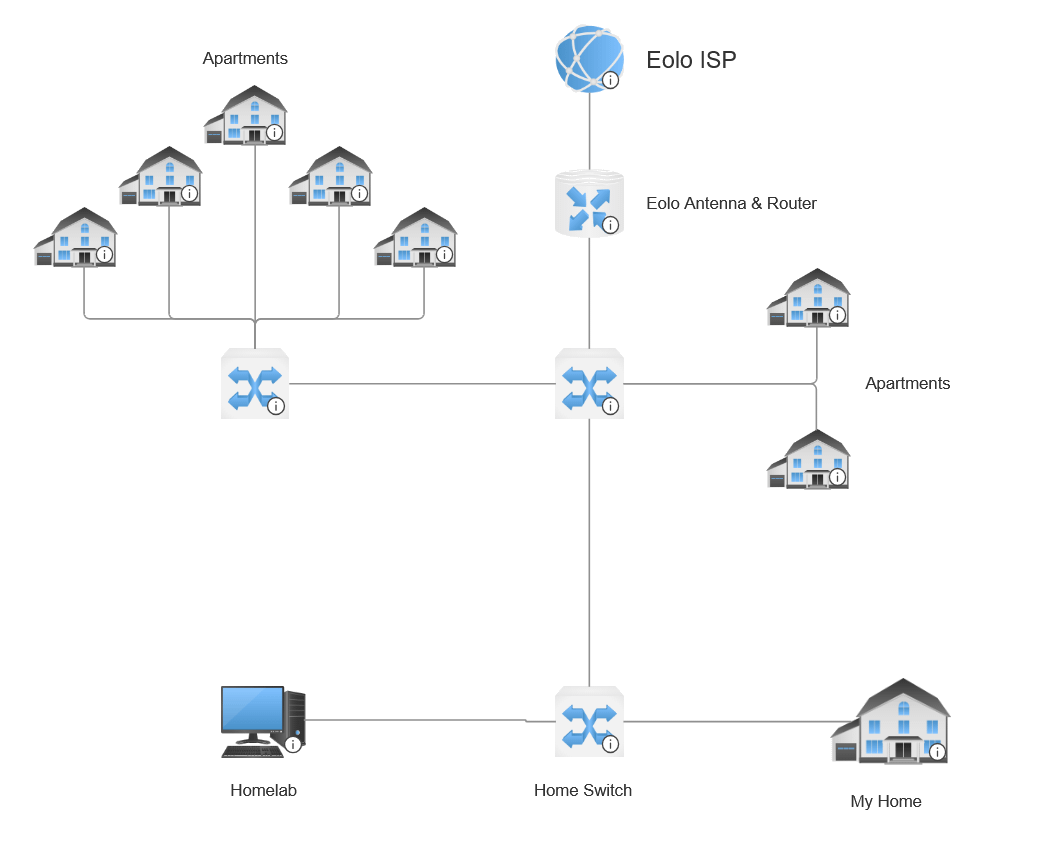
Are you worried about strangers getting into your home network? Securing your home network is easier than you think, and it’s one of the best ways to protect your personal information and devices.
Imagine your network as the front door to your digital life—if it’s wide open, anyone can walk right in. But with a few simple steps, you can lock that door tight. You’ll discover practical tips that anyone can follow to keep hackers out and your online world safe.
Ready to take control of your home network security? Let’s get started.

Credit: www.youtube.com
Assess Your Network Setup
Assessing your network setup is the first step to secure your home network. It helps you understand what devices connect to your network. You also learn about settings that need changing. This knowledge is key to preventing unauthorized access and keeping your data safe.
Identify Connected Devices
Start by listing all devices connected to your network. This includes phones, laptops, smart TVs, and other smart devices. Check your router’s admin page to see the list of connected devices. Look for unfamiliar devices that you don’t recognize. These could be signs of unauthorized access. Remove or block unknown devices immediately to protect your network.
Check Default Settings
Review your router’s default settings carefully. Default usernames and passwords are easy for hackers to guess. Change these to strong, unique credentials. Also, check if your Wi-Fi network uses strong encryption like WPA3 or WPA2. Disable features you do not use, such as remote management or WPS. This reduces possible entry points for attackers. Keeping your router’s firmware updated adds extra security layers.

Credit: www.linkedin.com
Strengthen Router Security
Your router is the gatekeeper of your home network. Strengthening its security is crucial to keep intruders out and protect your personal data. Simple actions can make a big difference in how secure your connection is.
Change Default Passwords
Most routers come with default usernames and passwords that are easy to guess. If you haven’t changed these, your network could be wide open to hackers. Pick a strong, unique password that combines letters, numbers, and symbols.
Think about how many devices connect to your router. Would you leave your front door unlocked knowing that? Changing the default passwords is a quick step that many overlook but can stop unauthorized access immediately.
Update Firmware Regularly
Router manufacturers release firmware updates to fix security holes and improve performance. Ignoring these updates leaves your network vulnerable to new threats. Check your router’s settings or the manufacturer’s website at least once a month.
Updating firmware might feel technical, but most modern routers make it easy with automatic updates. Would you drive a car without regular maintenance? Treat your router the same way.
Disable Remote Management
Remote management lets you control your router from anywhere, but it can also open a door for attackers. If you don’t need to access your router remotely, turn this feature off. This simple action reduces the risk of someone gaining control without your knowledge.
Ask yourself: Do you really need to tweak router settings while away from home? If not, disabling remote management is one of the easiest ways to improve your network’s defense.
Use Strong Encryption
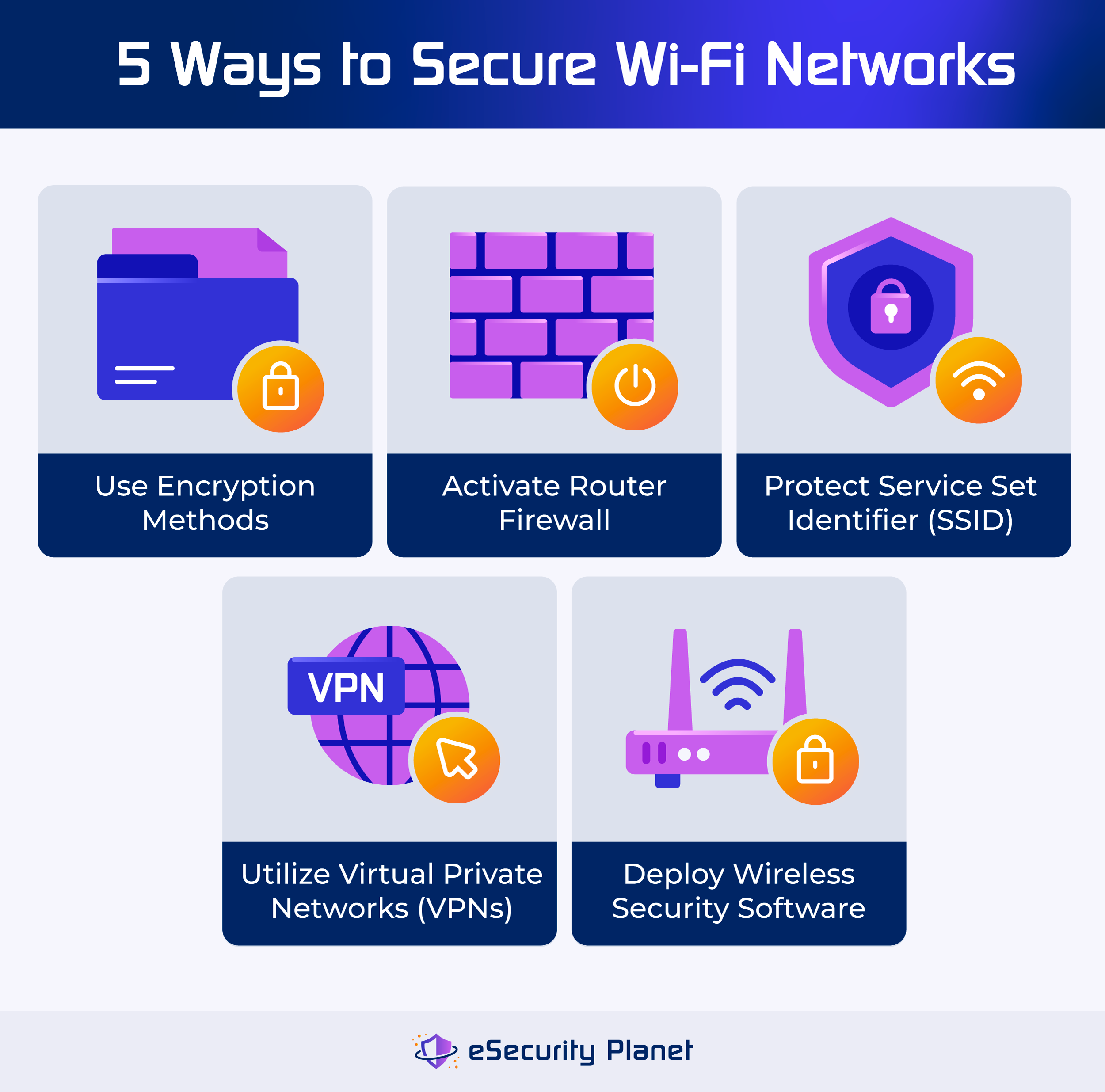
Use strong encryption to protect your home network from hackers. Ensure your Wi-Fi is secure by enabling WPA3 encryption. This helps keep your personal information safe from cyber threats.
Securing your home network is vital to protect your data. One effective way is using strong encryption. This method keeps your information safe from hackers. Encryption scrambles your data, making it unreadable to intruders. Let's explore some essential practices.
Enable Wpa3 Or Wpa2
WPA3 and WPA2 are robust encryption standards for Wi-Fi networks. They ensure a secure connection between your device and router. To enable them, access your router settings. Look for the wireless security options. Choose WPA3 if available. If not, select WPA2. These encryptions protect against unauthorized access. They provide a secure browsing experience. Always keep your router's firmware updated. This ensures you have the latest security features.
Avoid Wep Encryption
WEP encryption is outdated and insecure. It is easy for hackers to break. If your network uses WEP, switch to WPA3 or WPA2. This change enhances your network security significantly. Check your router settings to see the current encryption type. Opt for a more secure option if needed. This simple step can protect your network from threats. Don't compromise your security with weak encryption.
Create A Guest Network
Creating a guest network separates your main devices from visitors’ devices. This keeps your primary network safer from potential threats. Guest networks provide internet access without exposing personal files or devices.
Most modern routers allow easy setup of a guest network. It creates a different Wi-Fi name and password for visitors. This way, guests can use the internet without risking your home network's security.
Limit Guest Access
Control what guests can access on the network. Restrict access to shared files, printers, and smart home devices. Keep the guest network isolated from your main devices.
Use your router’s settings to block local network access. This stops guests from seeing or interacting with your private devices. Limit access to only the internet connection for safety.
Set Bandwidth Controls
Manage how much internet speed guests can use. Bandwidth control avoids one user slowing down the entire network. It helps keep your connection fast for your own devices.
Set limits on upload and download speeds for the guest network. Many routers offer options to adjust bandwidth easily. This ensures fair use and avoids network congestion during busy times.
Secure Wi-fi Access
Securing your Wi-Fi access is vital to protect your home network from unwanted users. A safe Wi-Fi keeps your personal data private and prevents hackers from using your internet. Simple changes in your router settings can make your Wi-Fi much safer. Focus on hiding your network and using strong passwords.
Hide Ssid Broadcast
The SSID is the name of your Wi-Fi network. Routers broadcast this name so devices can find and connect to it. Turning off SSID broadcast makes your network invisible to others. This step helps reduce the chance of strangers seeing your network.
Without seeing the network name, hackers find it harder to attack. To hide the SSID, access your router settings and disable the broadcast option. Devices you want to connect will need the exact network name entered manually.
Use Strong Wi-fi Passwords
A strong password blocks unauthorized access to your network. Use a mix of letters, numbers, and symbols in your password. Avoid common words or simple number sequences like “12345678.”
Change your password regularly for better security. Write it down and store it in a safe place. Share your Wi-Fi password only with trusted people.
Credit: www.esecurityplanet.com
Implement Network Monitoring
Keeping an eye on your home network is crucial for spotting threats before they cause damage. Implementing network monitoring helps you stay aware of all the devices connected and any unusual activity. This proactive approach gives you control and peace of mind over your digital space.
Track Unfamiliar Devices
One of the first signs of a security breach is unknown devices connecting to your network. Regularly check your router’s device list to spot any strangers. If you see devices you don’t recognize, it’s a red flag that someone might be snooping or trying to access your network without permission.
Keeping a simple log of your authorized devices makes it easier to spot intruders quickly. Some routers even let you set up alerts for new connections, which can save you time and stress. Have you ever found a device you didn’t expect on your network? Catching it early can prevent bigger problems.
Use Security Software
Security software isn’t just for your computer; many tools monitor your entire network. These apps scan traffic and detect suspicious behavior, helping you respond fast. They can block malicious IPs, alert you about vulnerabilities, and even suggest fixes.
Look for software with features like real-time alerts and automatic updates to stay ahead of threats. Some popular options include Bitdefender Home Scanner and Fing. Using these tools turns your network into a well-guarded fortress without requiring technical expertise.
Protect Connected Devices
Protecting the devices connected to your home network is essential to keep your personal information safe and your online experience smooth. Each device—whether it's a smartphone, smart TV, or laptop—can be a potential entry point for cyber threats. Taking simple but effective steps can significantly reduce the risk of unauthorized access and malware.
Keep Software Updated
Software updates often include patches for security vulnerabilities that hackers might exploit. Ignoring these updates leaves your devices exposed to threats that could have been easily prevented. Set your devices to update automatically or check regularly for updates to your operating system, apps, and firmware.
I once skipped a routine update on my laptop, thinking it was just a minor fix. A few days later, I encountered a security alert that could have been avoided if the update was installed promptly. This experience taught me that staying current with updates is a small effort with big benefits.
Install Antivirus Tools
Antivirus software acts as a shield, detecting and removing malicious programs before they cause damage. Choose reputable antivirus tools that offer real-time protection and regular scans. Don’t just install it and forget it—keep the software updated and run scans frequently to catch new threats.
Consider antivirus tools that also provide web protection and email scanning. These features help prevent phishing attacks and malicious downloads. Have you ever clicked a suspicious link? Antivirus software can be your safety net in those moments.
Enable Firewall Protection
Enabling firewall protection is one of the most effective ways to shield your home network from unauthorized access and cyber threats. A firewall acts like a gatekeeper, controlling incoming and outgoing traffic based on security rules you set. Without it, your devices are vulnerable to hackers, malware, and other online dangers.
Use Router Firewall
Your router usually comes with a built-in firewall designed to protect your entire network. Activating this firewall adds a strong layer of defense by filtering harmful traffic before it reaches your devices.
Access your router’s settings by entering its IP address into a web browser. Look for the firewall or security tab, then enable the firewall feature. Don’t forget to update your router’s firmware regularly to patch security holes.
Have you ever wondered how many devices connect to your network without you noticing? The router firewall helps keep unwanted guests out, so only trusted devices get through.
Activate Device Firewalls
Even with a router firewall, each device on your network should have its own firewall active. This creates multiple layers of protection, stopping threats that might slip past the router’s defenses.
Most operating systems like Windows, macOS, and Linux have built-in firewalls that you can turn on with a few clicks. For smartphones and tablets, check the security settings to enable firewall or equivalent protection.
Think about the last time your computer blocked a suspicious program or connection. That’s your device firewall doing its job. Keeping it active ensures you stay one step ahead of cyber risks.
Practice Safe Browsing Habits
Practicing safe browsing habits is essential to keep your home network secure. Every click on the internet can expose your devices to risks. Careful browsing reduces chances of malware, scams, and unauthorized access. Simple habits protect your personal information and online activities from cyber threats.
Avoid Suspicious Links
Suspicious links often hide viruses or lead to fake websites. Do not click on links from unknown sources or unexpected emails. Check the URL before clicking; look for misspellings or strange characters. Use browser tools to preview links safely. Staying cautious stops many cyber attacks before they start.
Use Vpn For Privacy
A VPN, or Virtual Private Network, hides your online activity. It encrypts your data, making it hard for hackers to spy. Use a trusted VPN service when using public Wi-Fi or unsecured networks. VPNs help keep your identity and information safe from attackers. Privacy online becomes much stronger with a VPN.
Frequently Asked Questions
How Can I Protect My Wi-fi Password Effectively?
Use a strong, unique password combining letters, numbers, and symbols. Change it regularly to prevent unauthorized access and keep your network secure.
What Is The Best Way To Update My Router Firmware?
Check your router’s admin page for firmware updates. Regularly updating fixes vulnerabilities and improves your home network’s security and performance.
Why Should I Enable Network Encryption On My Router?
Network encryption, like WPA3, protects your data from hackers. It scrambles information, making it unreadable to unauthorized users, enhancing your home network security.
How Do I Limit Devices Connected To My Home Network?
Use your router’s control panel to manage connected devices. Set device limits or enable MAC address filtering to restrict unauthorized access easily.
Conclusion
Securing your home network protects your personal information and devices. Use strong passwords and update them often. Keep your router’s software up to date. Turn off features you do not use. Limit who can access your Wi-Fi. Regularly check connected devices for unknown users.
Small steps create strong defenses against hackers. Stay aware of new security tips. A safe network keeps your family’s data private and secure. Simple actions today prevent big problems tomorrow.

