

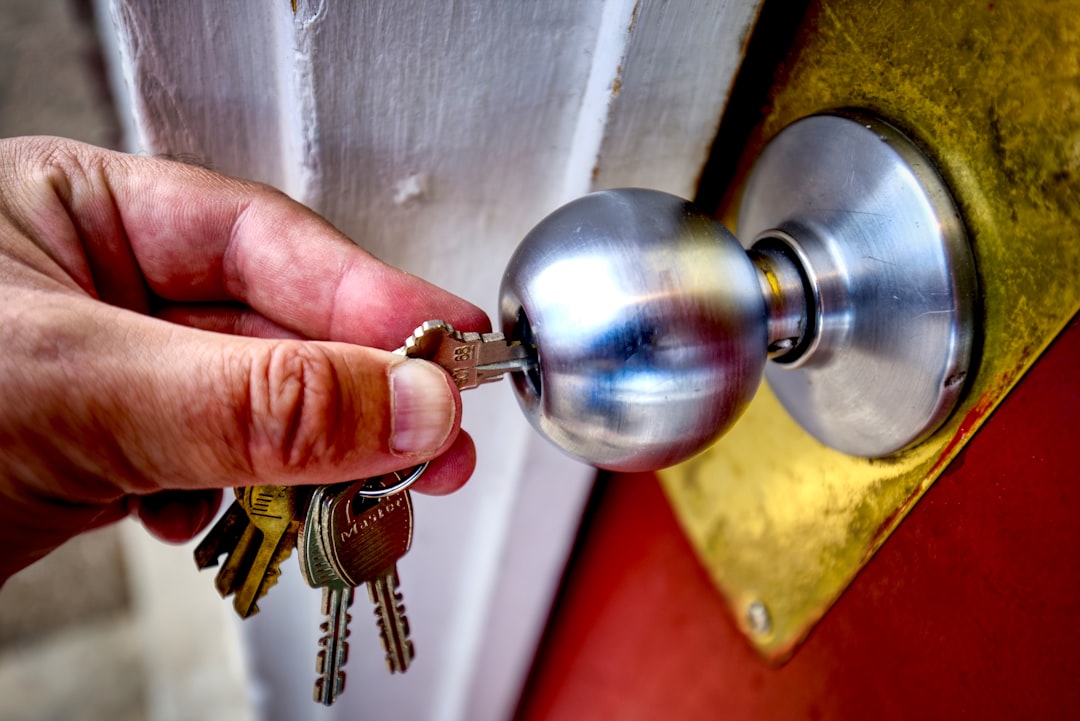
Your home should be your safe haven, but without the right precautions, it can become vulnerable. What if you could protect your space easily and effectively?
Imagine feeling confident every time you walk through your front door. You’ll discover simple home security tips and tricks that anyone can use. These practical steps will help you keep your family and belongings safe without breaking the bank. Ready to take control of your home’s safety?
Keep reading to learn how small changes can make a big difference.
Essential Home Security Measures
Securing your home starts with simple, effective measures. These steps protect your property and give peace of mind. Focus on strong barriers and clear visibility. Small upgrades can make a big difference.
Strong Locks And Deadbolts
Use high-quality locks on all entry doors. Deadbolts add extra protection against forced entry. Choose locks with a solid metal bolt at least one inch long. Replace old or worn locks promptly. Consider smart locks for added convenience and security.
Secure Windows And Doors
Windows and doors are common points of entry for intruders. Install window locks or security bars to deter break-ins. Reinforce door frames and hinges with metal plates. Use doors made of solid wood or metal. Keep sliding doors secured with a rod or track lock.
Outdoor Lighting Strategies
Bright outdoor lighting discourages unwanted visitors at night. Install motion-sensor lights near entrances and walkways. Use LED bulbs for energy efficiency and long life. Position lights to cover dark corners and blind spots. Keep lights on timers to maintain a lived-in look.
Advanced Security Systems
Advanced security systems enhance home protection beyond basic locks and alarms. These systems use technology to monitor your home 24/7. They alert you and authorities quickly in emergencies. Many options suit different needs and budgets. Choosing the right system improves safety and peace of mind.
Choosing The Right Alarm System
Pick an alarm system that fits your home's size and layout. Consider wired or wireless models. Wireless systems are easier to install and move. Check if the system offers professional monitoring services. Look for features like motion sensors and door/window contacts. Test the system for easy use and reliability.
Benefits Of Surveillance Cameras
Surveillance cameras help watch your home inside and out. They deter burglars and record events for evidence. Modern cameras offer high-definition video and night vision. Some allow live viewing on smartphones. Choose cameras with motion detection to save storage and alert you faster. Place cameras at entrances and vulnerable spots.
Smart Home Security Devices
Smart devices connect to your phone or voice assistant. Control locks, lights, and cameras remotely. Get instant alerts for suspicious activity. Smart doorbells show visitors before opening the door. Some devices learn your schedule to avoid false alarms. Integrate devices for a complete, automated security system.
Neighborhood Safety Tips
Neighborhood safety plays a crucial role in home security. A secure neighborhood deters crime and ensures a peaceful living environment. Implementing effective strategies can enhance safety and promote a sense of community.
Building Community Watch Programs
Community watch programs can significantly reduce local crime. Gather your neighbors and discuss forming a group. Assign roles and responsibilities to ensure smooth operation. Regular meetings help in addressing concerns and planning actions. Involve local law enforcement for guidance and support. A well-organized community watch fosters trust and vigilance.
Effective Communication With Neighbors
Open communication among neighbors strengthens community bonds. Share contact information with trusted neighbors. Create a group chat for quick updates and alerts. Discuss unusual activities and share observations. Encourage face-to-face interactions to build trust. Effective communication creates a network of support and safety.
Safe Practices When Away
Inform neighbors when leaving for trips. Ask them to collect your mail and packages. Use timers for lights to give an impression of occupancy. Request neighbors to park in your driveway occasionally. These practices keep your home less attractive to burglars. A vigilant neighborhood ensures peace of mind during your absence.
Credit: www.bitdefender.com
Preventing Common Break-in Methods
Break-ins often rely on simple techniques. Preventing these common methods strengthens home security. Small actions can make a big difference in protecting your property and loved ones.
Protecting Against Lock Picking
Lock picking remains a popular tool for burglars. Use high-quality deadbolt locks with complex pins. Consider smart locks that require a code or fingerprint. Regularly check locks for damage or tampering signs. Reinforce doors with metal strike plates and longer screws.
Avoiding Hidden Key Risks
Hiding keys outside invites trouble. Burglars know typical spots like under mats or flower pots. Instead, leave keys with a trusted neighbor or friend. Use a lockbox with a secure code if needed. Change codes often and avoid obvious numbers like birthdays.
Securing Garage And Sheds
Garages and sheds store valuable tools and bikes. These structures often have weak locks or no alarms. Use heavy-duty padlocks and secure door hinges. Install motion-sensor lights around these areas. Keep windows locked or cover them with curtains to block the view.
Emergency Preparedness
Emergencies can happen without warning, and being prepared is key to protecting your home and loved ones. Emergency preparedness means having clear plans, important contacts, and safe ways to leave your home quickly. When you take the time to prepare, you reduce stress and increase safety during critical moments.
Creating A Home Security Plan
Start by outlining what each family member should do if an emergency strikes. Assign roles like who grabs the emergency kit or who checks the doors and windows. Practice your plan regularly so everyone feels confident and knows exactly where to go.
Think about different scenarios such as fire, break-ins, or natural disasters. What steps will you take to secure your home? Writing down your plan and reviewing it often makes it easier to follow under pressure.
Emergency Contact Lists
Keep a list of important phone numbers in an accessible spot, like on the fridge or saved on your phone. Include numbers for local emergency services, neighbors, family members, and your security company if you have one.
Don’t forget to update the list regularly and share it with everyone in your household. This way, no one wastes precious time searching for contacts when every second counts.
Safe Evacuation Routes
Identify multiple exits from your home and plan different routes to reach a safe meeting place outside. Check if windows and doors open easily and are free from obstacles. This preparation can make a huge difference if you need to leave quickly.
Ask yourself: Would everyone in your home know exactly where to go in an emergency? Walk through your escape routes together and time yourselves to improve speed and confidence.

Credit: www.tiktok.com
Maintenance And Regular Checks
Maintaining your home security system and regularly checking every component can make a huge difference in how safe your home actually is. Skipping these steps can lead to unnoticed issues that leave your property vulnerable. You might think your system is working perfectly until a simple test proves otherwise.
Routine Security System Testing
Testing your security system regularly helps catch faults before they become real problems. Try triggering your alarms and sensors to see if they respond correctly. Don’t forget to check the backup power sources—like batteries—to ensure they hold a charge during outages.
Have you ever found out your alarm wasn’t working during a real emergency? It’s frustrating and avoidable. Make it a habit to run these tests monthly so you’re always prepared.
Inspecting Physical Barriers
Doors, windows, fences, and locks form the first line of defense. Walk around your home to spot any cracks, rusted hinges, or loose locks that could be easy targets. Even small damage can provide an opening for intruders.
Look closely at your gates and garage doors too. Are they closing tightly and locking properly? Sometimes, a simple fix like tightening screws or replacing worn-out weather stripping can boost your home’s security dramatically.
Updating Security Technology
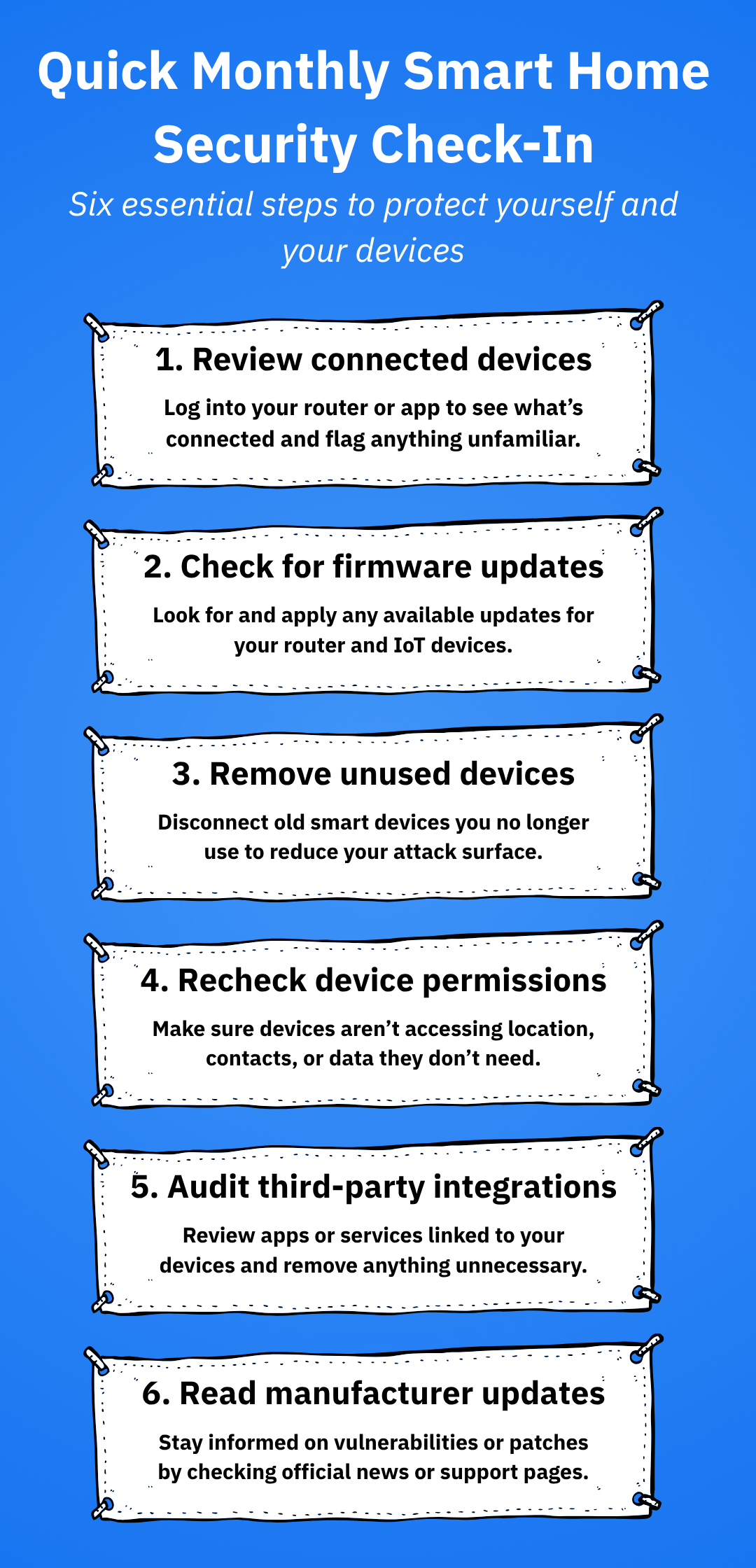
Technology changes fast, and so do the tactics used by intruders. Check if your security devices need firmware updates or if newer models offer better protection. Smart cameras with clearer resolution or motion detectors with improved sensitivity can make a significant difference.
Ask yourself if your current system meets your needs or if it's time to upgrade. Staying updated might seem like extra work, but it could prevent an expensive security breach later on.

Credit: www.facebook.com
Frequently Asked Questions
What Are The Most Effective Home Security Tips?
Use strong locks, install alarms, and add security cameras. Keep doors and windows locked. Trim bushes to remove hiding spots. Use smart lighting and avoid sharing travel plans publicly.
How Can I Secure My Home On A Budget?
Focus on strong door and window locks. Use motion sensor lights outside. Install a simple alarm system. Trim vegetation near entrances. Be cautious with spare keys and online sharing.
What Are The Best Diy Home Security Tricks?
Install door and window sensors. Use security cameras with smartphone alerts. Place timers on indoor lights. Secure sliding doors with bars. Notify neighbors when away for extra watch.
How Important Is Outdoor Lighting For Home Security?
Outdoor lighting deters intruders by increasing visibility. Motion-activated lights are effective and energy-saving. Well-lit entrances and pathways reduce hiding spots. Proper lighting enhances camera footage quality and homeowner safety.
Conclusion
Keeping your home safe takes simple steps and smart choices. Use locks, alarms, and lights to protect your space. Stay aware of your surroundings and trust your instincts. Regular checks help spot weak points early. Share safety tips with neighbors for extra help.
Small actions build a stronger, safer home. Start today and feel more secure tomorrow. Safety is a habit, not a one-time job. Keep learning and stay prepared to protect your family.

