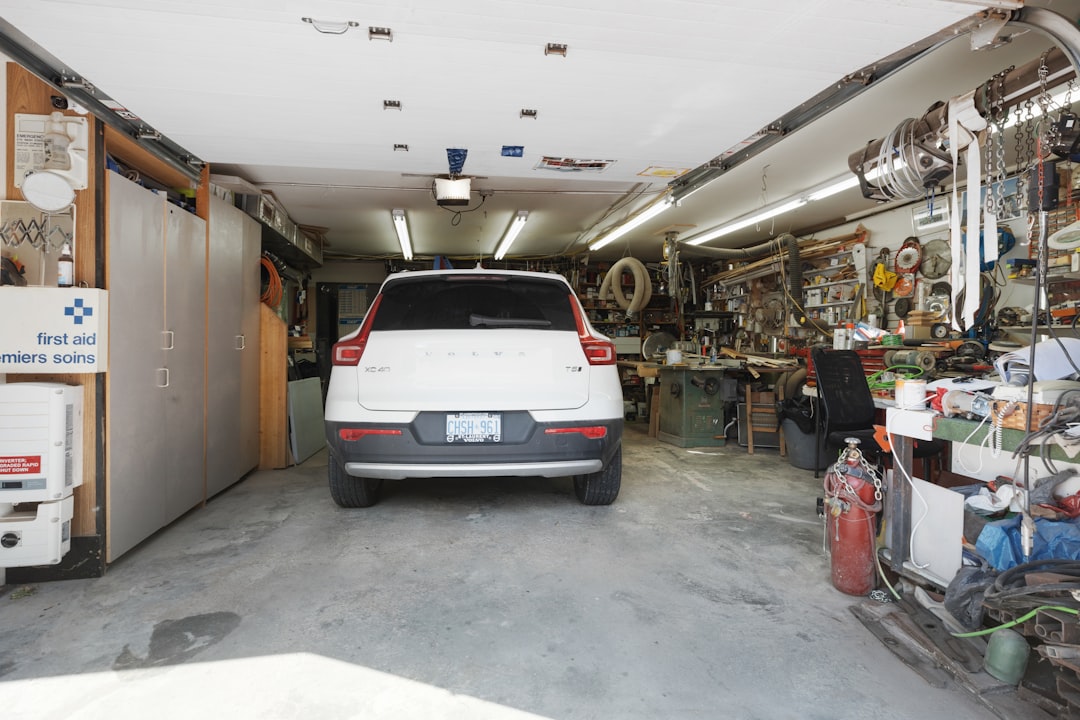


Your hinged garage door is more than just an entry point—it’s a key part of your home’s security and curb appeal. But have you ever thought about how well it’s working?
Regular service and maintenance can keep your door running smoothly, prevent costly repairs, and even extend its life. You’ll discover simple steps and expert tips to take care of your hinged garage door, saving you time and money. Ready to unlock the secrets to a trouble-free garage door?
Let’s dive in.
Benefits Of Regular Maintenance
Regular maintenance of hinged garage doors keeps them working smoothly and safely. It helps prevent unexpected problems that can cause inconvenience. Taking care of your garage door saves money and extends its life.
Improved Safety
Maintaining your garage door reduces the risk of accidents. It ensures all parts work correctly and do not fail suddenly. A safe door protects your family and property from harm.
Enhanced Performance
Regular checks and lubrication keep the door opening and closing easily. This reduces noise and strain on the door’s components. A well-maintained door works faster and more efficiently.
Cost Savings
Routine maintenance catches small issues before they become costly repairs. It prevents damage to important parts like hinges and springs. This saves money on replacements and emergency services.
Extended Door Lifespan
Cleaning and adjusting the door parts reduce wear and tear. This helps the garage door last longer without needing full replacement. Proper care preserves the door’s value over time.
Better Curb Appeal
Regular upkeep keeps the door looking clean and new. A neat garage door adds to your home’s overall appearance. This can increase your property’s market value.
Common Issues In Hinged Garage Doors
Hinged garage doors are a classic choice, but like any mechanical system, they face specific challenges over time. Understanding common issues helps you spot problems early and save on costly repairs. Recognizing these issues can keep your garage door functioning smoothly and extend its lifespan.
Warping And Misalignment
Wooden hinged doors often warp due to moisture and temperature changes. This warping can cause the door to stick or not close properly. You might notice gaps or uneven edges when the door is shut, which lets in drafts and pests.
Metal doors can also suffer from misalignment after repeated use or accidental bumps. Misalignment stresses the hinges and can make opening or closing the door difficult. Checking the alignment regularly prevents this problem from worsening.
Hinge Wear And Tear
Hinges take the brunt of the door's movement and weight. Over time, they can become rusty, loose, or even break. This leads to squeaking sounds or the door sagging and dragging on the ground.
Lubricating hinges every few months keeps them moving smoothly. If you notice excessive noise or difficulty moving the door, inspect the hinges for damage and replace them if needed.
Lock And Handle Problems
The lock and handle mechanism on hinged garage doors are critical for security and ease of use. Locks can jam, keys can break, or handles may become loose from frequent use. When this happens, you may struggle to open or secure your door properly.
Regularly test your locks and handles to ensure they work smoothly. Tightening screws and cleaning the lock can prevent many common issues.
Weather Seal Deterioration
The rubber or vinyl seals around the door keep out water, dirt, and cold air. These seals crack or wear down with time, reducing their effectiveness. Poor seals can lead to water damage inside your garage and higher energy bills.
Check your weather seals seasonally and replace them if they look brittle or cracked. A simple seal replacement can make a big difference in comfort and protection.
Have you ever noticed your hinged garage door sticking or making strange noises? Addressing these common issues early can prevent major headaches and keep your garage door operating like new. What problem will you tackle first?
Tools You Need For Maintenance
Maintaining hinged garage doors doesn’t require professional expertise, but having the right tools is essential. The proper tools make the job quicker, safer, and more efficient. Let's break down the must-have tools that will simplify your maintenance routine.
Essential Hand Tools For Hinged Garage Door Maintenance
Start with basic hand tools that you probably already have in your toolbox. A sturdy screwdriver set is crucial for tightening loose hinges or adjusting screws. Keep an adjustable wrench handy for bolts that need a little extra torque.
Don't forget a high-quality lubricant for squeaky hinges. Silicone-based sprays work best as they don’t attract dust like grease does. Additionally, a tape measure is useful for checking alignment and clearance.
Safety Gear You Shouldn’t Skip
Safety should always come first. Wear durable gloves to protect your hands from sharp edges or rusty parts. Safety goggles are a must if you’re working with tools that might send debris flying.
If you’re using a ladder to reach higher sections, ensure it’s sturdy and placed on a stable surface. Slipping on an unstable ladder is a risk you don’t want to take.
Advanced Tools For Deeper Maintenance
Sometimes, regular tools aren’t enough for a thorough check. A torque wrench is invaluable for ensuring bolts are tightened to the right specifications. A laser level can help you verify that the door is perfectly aligned for smooth operation.
For those dealing with older doors, a rust remover spray can work wonders on corroded parts. Keep a small hammer in your kit too—gentle taps can help loosen stubborn fittings.
Cleaning Supplies To Keep Your Door In Top Shape
Don’t underestimate the power of a clean garage door. Use a soft-bristle brush to remove dirt and cobwebs from hinges and tracks. A mild detergent mixed with water can clean the door's surface without damaging its finish.
Have a microfiber cloth handy for drying and polishing. A clean door not only looks great but also prevents grime from affecting its functionality.
Are there any tools you didn’t expect to see on this list? Try adding them to your next maintenance session and notice the difference they make!
Cleaning And Lubrication Tips
Maintaining your hinged garage door through regular cleaning and lubrication can prevent costly repairs and extend its lifespan. Dirt and grime build-up can hinder smooth operation, while lack of lubrication causes unnecessary wear on moving parts. Simple, consistent care keeps your door functioning quietly and efficiently.
Cleaning The Door Surface And Hinges
Start by wiping down the door surface with a mild detergent and water to remove dust and dirt. Avoid harsh chemicals that can damage the paint or wood finish. Pay close attention to the hinges, where dirt tends to accumulate and cause stiffness.
Use a soft brush or cloth to clean around the hinges thoroughly. Removing grime here ensures the door swings freely without sticking or squeaking. Have you noticed any rust spots? Treat them early with a rust remover to protect the metal parts.
Choosing The Right Lubricant
Select a lubricant specifically designed for garage doors or metal hinges to avoid attracting more dirt. Silicone-based sprays work well because they don’t leave a sticky residue. Avoid heavy oils that can gum up and trap dust over time.
Try applying lubricant in a well-ventilated area to reduce inhaling fumes. If you’ve ever skipped lubrication, you know how annoying that creaky noise can get—don’t let it happen again.
How To Properly Lubricate Hinges And Moving Parts
Apply lubricant directly to the hinge pins, rollers, and any other moving parts. Open and close the door a few times to distribute the lubricant evenly. Wipe away any excess to prevent dripping or attracting dirt.
Don’t forget the springs and tracks, as they also benefit from light lubrication. Regular checks and lubrication every six months can save you from unexpected breakdowns. When was the last time you gave your garage door this simple yet vital care?
Inspecting Hinges And Springs
Inspecting the hinges and springs of hinged garage doors is essential for smooth operation. These components bear the door's weight and allow it to open and close easily. Regular checks prevent damage and extend the door's life.
Hinges connect the door panels and enable movement. Springs balance the door’s weight and reduce strain on the opener. Both parts can wear out or become loose over time. Early detection of issues avoids costly repairs.
Checking Hinges For Wear And Damage
- Look for cracks or bends in the hinges.
- Check if hinges are loose or noisy during door movement.
- Ensure screws and bolts are tight and not missing.
- Watch for rust or corrosion that can weaken hinges.
Examining Springs For Tension And Condition
- Observe if springs are stretched or deformed.
- Listen for any unusual sounds like squeaks or snaps.
- Check for rust or dirt buildup on the springs.
- Verify springs have even tension on both sides.
Safety Tips During Inspection
- Never touch springs without professional tools or help.
- Wear gloves and eye protection while inspecting hinges.
- Keep children and pets away from the garage door area.
- Call a professional if springs look damaged or loose.
Adjusting Door Alignment
Adjusting the alignment of hinged garage doors is key to smooth operation and long life. Misaligned doors can cause noise, wear, and even damage to the door or frame. Regular checks and tweaks keep the door balanced and safe.
Proper alignment ensures the door closes evenly and seals tightly. This prevents drafts, water leaks, and security risks. It also reduces strain on hinges and hardware, avoiding costly repairs.
Signs Your Hinged Garage Door Needs Alignment
- Door sticks or rubs against the frame
- Uneven gaps between door panels and frame
- Noise when opening or closing the door
- Door slams shut or won’t stay open
- Visible sagging or tilting of the door
Tools Required For Door Alignment Adjustment
- Wrench or socket set
- Screwdriver
- Level
- Rubber mallet
- Safety gloves
How To Check Door Alignment
Start by closing the door slowly. Look for uneven gaps or areas where the door touches the frame. Use a level on the door edge to check for tilt. Notice any wobbling or sagging.
Steps To Adjust The Door Hinges
- Loosen hinge screws slightly
- Shift the door to correct alignment
- Use a level to verify position
- Tighten screws firmly
- Test door operation several times
Tips For Maintaining Door Alignment
- Check alignment every six months
- Keep hinges clean and lubricated
- Inspect for rust or damage
- Replace worn hardware promptly
- Ensure proper weatherstripping installation
Replacing Worn-out Components
Replacing worn-out components is vital for keeping hinged garage doors safe and functional. Over time, parts can degrade from use and weather. Timely replacement prevents bigger problems and costly repairs.
Regular inspection helps spot damaged parts early. Common components needing replacement include hinges, springs, rollers, and weatherstripping. Each plays a key role in smooth door operation.
Identifying Damaged Hinges
Hinges connect the door panels and allow movement. Look for rust, cracks, or loose screws. Worn hinges cause noise and misalignment. Replace hinges that do not move smoothly or show visible damage.
Replacing Broken Springs
Door springs balance the weight for easy opening. Springs can weaken or break with time. Signs include difficulty lifting the door or uneven movement. Use the correct spring size and tension for safety and performance.
Swapping Out Faulty Rollers
Rollers guide the door along tracks. Worn rollers cause jerky motion and noise. Check for flat spots, corrosion, or stuck rollers. Smooth, well-lubricated rollers enhance door movement and reduce wear.
Changing Weatherstripping
Weatherstripping seals gaps around the door. Old or torn strips let in drafts, dirt, and water. Replace weatherstripping to improve insulation and protect the garage interior. Use durable materials suited for outdoor use.
Safety Precautions To Follow
Maintaining your hinged garage doors safely is essential to prevent accidents and ensure smooth operation. Ignoring safety can lead to injuries or costly repairs. Taking a few simple precautions can protect you and extend the life of your garage doors.
Wear Protective Gear
Always wear safety gloves and eye protection before you start any maintenance work. Hinged doors have sharp edges and springs that can snap unexpectedly. Protecting your hands and eyes reduces the risk of cuts and injuries.
Disconnect Power Sources
If your garage door has an automatic opener, unplug it before you begin any service. This prevents accidental activation while you’re working on the door. You don’t want the door to suddenly close or open when you least expect it.
Check Door Stability
Before working on the hinges or springs, make sure the door is fully supported. Use sturdy props or clamps to hold it in place. A door that moves or falls unexpectedly can cause serious harm.
Use Proper Tools
Using the right tools makes the job safer and easier. Avoid makeshift solutions like using a screwdriver as a hammer. Invest in quality wrenches and screwdrivers designed for garage door maintenance.
Avoid Working Alone
Having someone around can be a lifesaver. If the door slips or a spring breaks, you’ll need help immediately. Plus, they can hand you tools or hold the door steady, which makes the job faster and safer.
Inspect Springs Carefully
Garage door springs are under high tension and can cause serious injury. Never attempt to adjust or replace springs unless you are trained. If you notice any damage or wear, call a professional to handle it safely.
Keep Children And Pets Away
During maintenance, keep kids and pets out of the garage. Curious hands or paws can get caught in hinges or moving parts. Your focus should be on the task, not on preventing distractions or accidents.
Have you ever paused to think about the safety risks involved in a simple garage door tune-up? Taking these precautions not only protects you but also keeps your garage door functioning smoothly for years. What safety habit will you start with today?
When To Call A Professional
Maintaining hinged garage doors is essential for their smooth operation and longevity. While regular maintenance can be done at home, certain issues require professional expertise. Knowing when to call a professional can save time, money, and prevent serious damage.
Signs Of Structural Damage
Structural damage can compromise the safety and functionality of your garage doors. If you notice warped panels, cracks, or misaligned hinges, a professional inspection is necessary. Experts can assess the damage and suggest repairs or replacements.
Unusual Noises During Operation
Grinding, squeaking, or banging sounds often indicate deeper issues. These noises could stem from worn-out components or misaligned parts. Professionals have the tools to identify the source and fix the problem effectively.
Difficulty In Opening Or Closing
If your hinged garage doors are hard to open or close, it could signal a mechanical failure. This may include issues with the hinges, springs, or tracks. A professional can diagnose the cause and restore smooth operation.
Broken Or Damaged Hinges
Hinges play a vital role in the functionality of garage doors. Damaged hinges can lead to improper movement or even door collapse. Professionals can replace broken hinges and ensure proper alignment.
Regular Preventive Maintenance
Preventive maintenance by professionals ensures long-term performance. Experts can lubricate moving parts, tighten loose components, and identify potential problems early. Regular check-ups can prevent costly repairs down the line.
Frequently Asked Questions
What Is Hinged Garage Door Maintenance Importance?
Hinged garage door maintenance ensures smooth operation and extends door lifespan. It prevents costly repairs by addressing wear and tear early. Regular checks keep hinges lubricated and secure, improving safety and functionality for daily use.
How Often Should I Service Hinged Garage Doors?
Service hinged garage doors every 6 to 12 months. Regular servicing prevents rust, squeaks, and alignment issues. Frequent checks ensure all parts work efficiently, reducing breakdown risks and maintaining smooth door movement.
What Are Common Hinged Garage Door Problems?
Common problems include squeaky hinges, misalignment, rust, and loose screws. Lack of lubrication causes noise and wear. Regular maintenance helps detect these issues early and prevents door malfunction or damage.
Can I Perform Hinged Garage Door Maintenance Myself?
Basic maintenance like cleaning and lubricating hinges is DIY-friendly. However, complex repairs require professional service to avoid damage or injury. Routine checks and minor fixes keep doors functional and safe.
Conclusion
Regular maintenance keeps hinged garage doors working well. It prevents costly repairs and extends door life. Check hinges, locks, and seals often for damage. Clean parts to avoid dirt buildup and rust. Oil moving pieces to keep the door smooth.
Small problems fix fast before they grow big. Safe, easy-to-use doors protect your home better. Taking care of your garage door saves time and money. Stay on top of service to enjoy peace of mind. Simple steps make a big difference in door health.