
Imagine walking into a world where every flick of a switch or turn of a dial brings your home or business to life. That's the power of hardware electrical.
It’s not just about wires and circuits; it’s about creating comfort, safety, and efficiency in your everyday spaces. Whether you're a DIY enthusiast looking to tackle your next project or someone simply curious about how things work, understanding hardware electrical can make a significant difference.
In this guide, you'll discover the essentials of hardware electrical and how they impact your life in ways you might not even realize. Ready to empower your spaces and your knowledge? Let's dive in!
Key Components Of Hardware Electrical
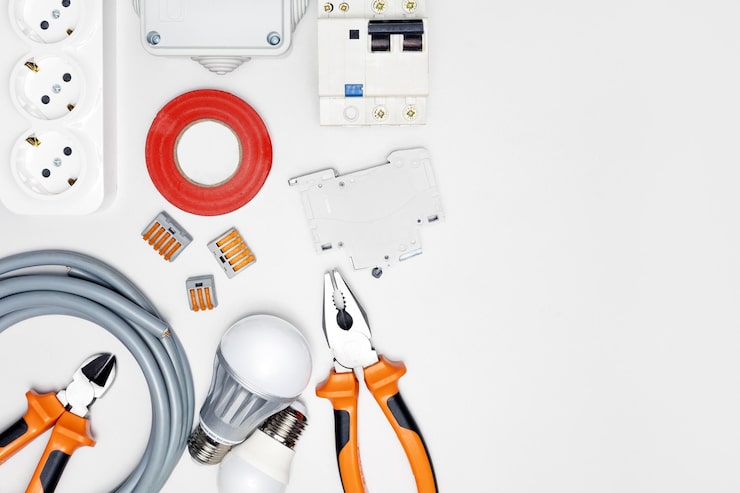
Hardware electrical systems consist of many parts that work together. Each part has a specific job. These parts ensure the system runs safely and efficiently. Understanding these components helps in maintaining and troubleshooting electrical hardware.
Power Supplies
Power supplies convert electrical energy into usable voltage and current. They provide the necessary power for electrical devices. Reliable power supplies prevent damage from voltage fluctuations. They come in various types, like AC-DC adapters and batteries.
Circuit Breakers
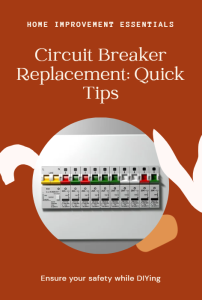
Circuit breakers protect electrical circuits from overloads or short circuits. They automatically cut off power during faults. This prevents damage and fire hazards. Circuit breakers can be reset after tripping, unlike fuses.
Transformers
Transformers change voltage levels in electrical circuits. They step up or step down voltage to match device requirements. This ensures safe and efficient power delivery. Transformers also isolate different parts of a system.
Wiring And Connectors
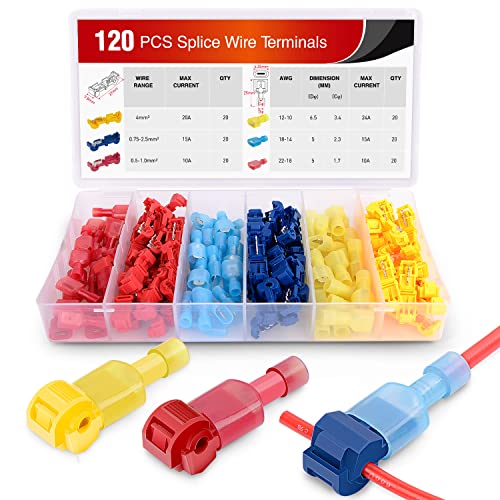
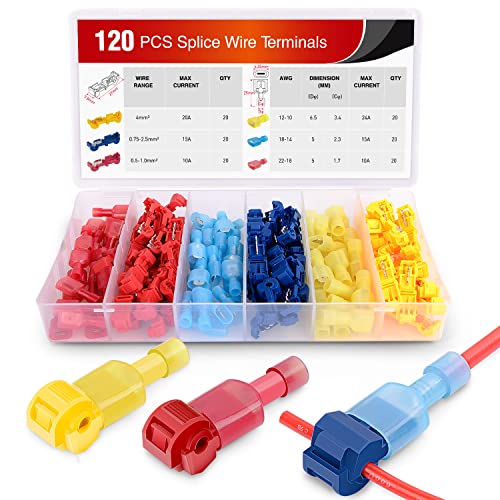
Wiring carries electrical current between components. Connectors join wires and devices securely. Proper wiring and connectors ensure stable connections. Good quality materials reduce risks of shorts and failures.

Credit: www.freepik.com
Choosing The Right Power Source
Choosing the right power source is vital for any hardware electrical project. The power source affects device performance, reliability, and safety. Selecting the correct type ensures smooth operation and long-lasting use.
Understanding the differences between power sources helps make the best choice. Consider energy needs, environment, and cost before deciding. This guide covers key options to help you pick wisely.
Ac Vs Dc Power
Alternating Current (AC) and Direct Current (DC) are two main power types. AC changes direction periodically, suitable for homes and businesses. DC flows in one direction, common in batteries and electronics.
AC power travels easily over long distances. It powers large appliances and lighting. DC power is stable and ideal for circuits and devices needing constant voltage.
Choosing depends on device requirements and power availability. Many devices convert AC to DC internally. Understanding both helps in selecting the proper supply.
Battery Options
Batteries provide portable and backup power. Types include alkaline, lithium-ion, nickel-metal hydride, and lead-acid. Each has different capacity, size, and rechargeability.
Lithium-ion batteries offer high energy density and long life. Alkaline batteries are cheap but disposable. Lead-acid batteries are heavy but powerful, often used in vehicles.
Battery choice depends on power needs, size limits, and budget. Rechargeable batteries reduce waste and save money over time.
Renewable Energy Integration
Renewable energy sources like solar and wind can power hardware devices. They reduce electricity costs and environmental impact. Solar panels convert sunlight to electrical power.
Wind turbines generate electricity from wind energy. Combining renewables with batteries stores power for use anytime. This setup suits remote or off-grid locations well.
Integration requires compatible hardware and proper setup. Renewable power is clean and sustainable, supporting green technology goals.
Ensuring Safety And Compliance
Ensuring safety and compliance in hardware electrical work protects people and property. It reduces risks of accidents, fires, and equipment failures. Meeting safety standards also ensures legal compliance and system reliability. This section covers key practices to follow.
Electrical Codes And Standards
Electrical codes set rules for safe installation and maintenance. They vary by country and region but share common goals. Following these codes prevents hazards like shocks and short circuits.
- Use approved materials and devices.
- Follow proper wiring methods.
- Ensure correct load capacity.
- Maintain clearances and insulation.
Regular inspections verify compliance with these codes and detect issues early.
Grounding Techniques
Grounding directs excess electricity safely into the earth. It protects users from electric shock and equipment from damage.
- Connect all metal parts to a grounding system.
- Use grounding rods or plates in soil.
- Maintain low resistance paths to ground.
- Inspect grounding connections regularly.
Proper grounding stabilizes voltage levels and improves overall safety.
Surge Protection
Surges cause sudden voltage spikes that harm devices and wiring. Surge protection controls these spikes to prevent damage.
- Install surge protectors at main panels.
- Use point-of-use protectors for sensitive equipment.
- Replace damaged or outdated protectors promptly.
- Choose protectors rated for expected surge levels.
Effective surge protection extends equipment life and reduces downtime.
Installation Best Practices
Proper hardware electrical installation ensures safety, efficiency, and long-term reliability. Following best practices reduces risks of faults and costly repairs. Careful planning and precise execution build a strong electrical system. Focus on wiring, load management, and environment for optimal results.
Proper Wiring Methods
Use wires that match the electrical load and circuit type. Secure connections tightly to avoid loose contacts. Avoid sharp bends or kinks in cables to prevent damage. Label wires clearly for easy identification during maintenance. Use insulated tools to reduce shock risk. Follow local electrical codes and standards strictly.
Load Distribution
Balance electrical loads across different circuits evenly. Prevent overloading by calculating total power demand. Use separate circuits for high-power devices. Employ circuit breakers to protect wiring from excess current. Monitor load patterns regularly to spot imbalances. Proper load distribution extends equipment life and prevents outages.
Environmental Considerations
Install hardware in dry, ventilated areas to avoid moisture damage. Protect components from dust and corrosive substances. Use weatherproof enclosures for outdoor installations. Keep cables away from heat sources to prevent insulation melting. Maintain clear access for inspection and repairs. Environmental care enhances system durability and safety.
Maintenance For Long-term Reliability
Maintaining hardware electrical systems ensures they work well for a long time. Regular care helps avoid breakdowns and costly repairs. Simple steps can keep components safe and efficient. This section covers key practices for lasting reliability.
Regular Inspections
Check hardware often to spot problems early. Look for loose wires, worn parts, and dust build-up. Use a checklist to inspect every component carefully. Inspections prevent small issues from turning into big failures.
Troubleshooting Common Issues
Identify and fix frequent problems quickly. Listen for unusual noises or watch for overheating. Test electrical connections with proper tools. Fixing issues fast reduces downtime and extends hardware life.
Upgrading Components
Replace old parts with newer, better versions. Upgrades improve performance and reduce risks of failure. Choose components that match system needs and standards. Keep hardware updated to meet changing demands and stay reliable.
Emerging Trends In Power Solutions
Power solutions are evolving rapidly, changing the way we manage and use electricity. These new trends are not just about saving energy but also about making your electrical systems smarter and more connected. Understanding these trends can help you make better decisions for your home or business.
Smart Electrical Hardware
Smart electrical hardware includes devices that can communicate and adjust their performance automatically. Think of smart breakers that detect faults and shut off power instantly to prevent damage or smart meters that give you real-time energy data.
These devices help you stay in control and avoid surprises. Have you ever wished your electrical system could alert you before a problem happens? Smart hardware makes that wish a reality by improving safety and convenience.
Energy-efficient Technologies
Energy efficiency is no longer optional—it's essential. New technologies like LED lighting, variable frequency drives, and advanced transformers reduce energy waste significantly.
Using energy-efficient hardware not only cuts your bills but also lowers your environmental impact. What small change can you make today to start saving energy and money?
Iot Integration
The Internet of Things (IoT) connects electrical devices to the internet, allowing remote monitoring and control. With IoT-enabled power solutions, you can manage your energy use from anywhere using your smartphone or computer.
This integration provides detailed insights into consumption patterns, helping you optimize usage. Imagine adjusting your power settings while away from home to avoid unnecessary energy costs—how would that improve your daily routine?
Frequently Asked Questions
What Is Electrical Hardware in Construction?
Electrical hardware includes devices like switches, outlets, and connectors. It ensures safe electrical system installation and operation in buildings.
How Does Electrical Hardware Improve Safety?
Electrical hardware prevents electrical hazards by providing proper insulation and grounding. It reduces risks of shocks, fires, and equipment damage.
What Types of Electrical Hardware Are Essential?
Common electrical hardware includes circuit breakers, wiring devices, panels, and conduits. These components maintain efficient and secure electrical distribution.
How To Choose Quality Electrical Hardware?
Select hardware from reputable brands with certifications. Check material durability, compatibility, and compliance with safety standards for best performance.
Conclusion
Hardware electrical parts shape how devices work every day. These components carry electricity and connect systems smoothly. Knowing their roles helps you fix or build electronics better. Choosing the right parts saves time and avoids problems. Keep learning about hardware electrical basics to stay confident.
Small details make a big difference in performance. Stay curious and explore more to improve your skills.