


Are you tired of cabinet doors that don’t close smoothly or leave gaps? Full overlay cabinet hinges could be the simple fix you need.
These hinges give your cabinets a sleek, modern look by covering the entire cabinet frame when the door is closed. If you want your kitchen or bathroom to look polished and function better, understanding how full overlay hinges work is key.
Keep reading to discover why these hinges might be the perfect upgrade for your cabinets and how they can make a big difference in your space.

Credit: www.amazon.ca
Types Of Full Overlay Hinges
Full overlay cabinet hinges are used to attach doors to cabinets. They allow the door to cover the cabinet frame completely. There are several types of full overlay hinges, each with its own design and use.
Choosing the right hinge type helps cabinets open smoothly and look neat. The main types are concealed hinges, semi-concealed hinges, and surface-mounted hinges.
Concealed Hinges
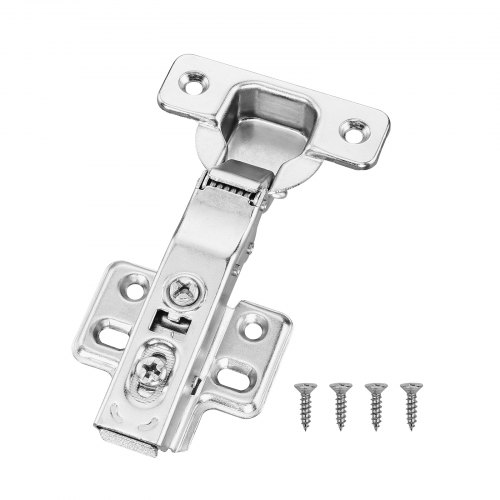
Concealed hinges are hidden when the cabinet door is closed. They are installed inside the cabinet and door. This type gives a clean and modern look to cabinets.
These hinges usually have adjustable settings. You can adjust the door’s position without removing the hinge. They work well for full overlay cabinet doors.
Semi-concealed Hinges
Semi-concealed hinges are partly visible when the door is closed. The mounting plate is hidden, but the hinge arm shows outside. This style blends some modern and traditional looks.
They are easier to install than fully concealed hinges. Semi-concealed hinges also allow good door movement and stability.
Surface-mounted Hinges
Surface-mounted hinges are fixed on the outside of the cabinet frame and door. They are visible when the door is closed. This type is common in older or rustic cabinet designs.
These hinges are simple to install and strong. Surface-mounted hinges often create a decorative effect on the cabinet face.
Choosing The Right Hinge Size
Full overlay cabinet hinges come in different sizes. Choosing the right size helps your doors open and close smoothly. It also keeps your cabinets looking good.
To pick the best hinge size, check the door thickness, overlay dimensions, and cup size. These measurements ensure your hinges fit well and work properly.
Measuring Door Thickness
Door thickness is the first thing to measure. It tells you which hinge cup depth will fit the door. Most cabinet doors are between 3/4 inch and 1 inch thick.
Use a ruler or tape measure to get the exact thickness. Measure the door edge where the hinge cup will go.
Overlay Dimensions
Overlay means how much the door covers the cabinet frame. Full overlay hinges cover almost the whole frame. You need to know the overlay size to pick the hinge arm length.
- Small overlay: door covers less than 1/2 inch
- Medium overlay: door covers about 1/2 inch
- Full overlay: door covers most of the frame
Cup Diameter And Depth
The cup is the round part of the hinge that fits into the door. Its diameter and depth must match the door hole size. Common cup diameters are 35mm.
Check the cup depth to avoid drilling too deep or too shallow. This keeps the hinge secure and the door flush.
| Measurement | Common Size | Why It Matters |
|---|---|---|
| Door Thickness | 3/4" to 1" | Fits hinge cup depth |
| Overlay | Full overlay covers frame | Determines hinge arm length |
| Cup Diameter | 35mm | Matches door hole size |
| Cup Depth | 11-13mm | Ensures proper fit |
Material And Finish Options
Full overlay cabinet hinges come in different materials and finishes. These choices affect durability and style. Choosing the right one helps your cabinets last longer and look great.
Materials like steel, brass, and bronze offer various strengths. Finishes protect the metal and add a decorative touch. Below are common options for these hinges.
Steel And Stainless Steel
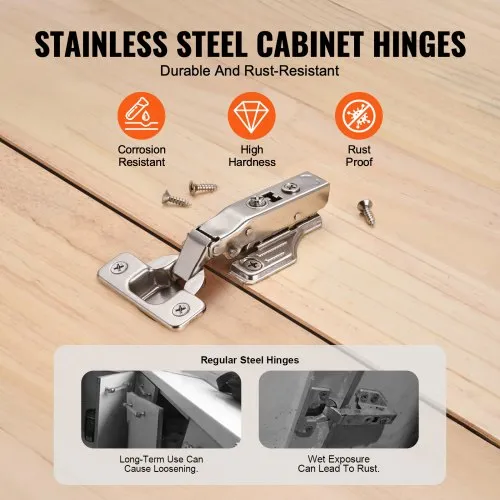
Steel hinges are strong and cost-effective. Stainless steel resists rust and works well in humid areas. Both materials offer good support for cabinet doors.
- Steel is durable and easy to machine.
- Stainless steel prevents corrosion and staining.
- Both are suitable for kitchens and bathrooms.
- Stainless steel has a shiny, modern look.
Brass And Bronze
Brass and bronze hinges add a classic or vintage style. They are softer metals but still strong enough for cabinets. These materials also resist corrosion well.
| Material | Advantages | Common Use |
| Brass | Bright gold color, resists rust | Traditional and decorative cabinets |
| Bronze | Dark, rich tone, ages well | Rustic and antique style furniture |
Popular Finishes
Finishes protect hinges and add style. You can match finishes to your cabinet design. Some finishes hide fingerprints and scratches well.
- Chrome: shiny and modern look
- Nickel: soft silver tone, resists tarnish
- Oil-Rubbed Bronze: dark with a rustic feel
- Polished Brass: bright and classic gold color
- Matte Black: bold and contemporary style
Credit: www.vevor.ca
Installation Tips For Full Overlay Hinges
Installing full overlay cabinet hinges needs care and some tools. Proper installation helps your doors open and close smoothly.
These tips guide you through the main steps. Follow them to fit your hinges correctly and get good results.
Tools You Need
Gather the right tools before you start. Having everything ready makes the job easier and faster.
- Power drill with drill bits
- Screwdriver (manual or electric)
- Measuring tape or ruler
- Pencil or marker
- Level tool
- Clamps (optional but helpful)
Marking And Drilling
Measure carefully before you drill holes. Mark the spots where the hinge cups and screws will go.
| Task | Tip |
| Mark hinge cup position | Use a template or measure 3/8 inch from door edge |
| Drill cup hole | Use a Forstner bit, about 35mm diameter |
| Mark mounting plate holes | Align with cabinet frame and mark screw spots |
| Drill pilot holes | Use a small drill bit for screws to avoid splitting wood |
Adjusting Hinges For Alignment
After mounting, adjust the hinges to align the door perfectly. Most hinges have three adjustment screws.
- Use the side screw to move the door left or right.
- Use the height screw to raise or lower the door.
- Use the depth screw to move the door closer or farther from the cabinet.
Make small changes and check the door after each adjustment. This helps to avoid mistakes.
Troubleshooting Common Issues
Full overlay cabinet hinges can sometimes cause problems that affect door function. Fixing these issues keeps your cabinets working well.
Below are simple tips to solve the most common hinge problems.
Misaligned Doors
Doors that do not line up properly can look uneven and may not close well. This often happens if hinges are loose or installed incorrectly.
Check the hinge screws and tighten them if needed. Adjust the hinges by moving them slightly until the door fits correctly.
- Loosen screws slightly
- Move door up, down, or sideways
- Tighten screws firmly
- Test door movement
Squeaking Hinges
Squeaky hinges make noise when doors open or close. This happens because of friction or dirt buildup.
Use a lubricant like silicone spray or light oil. Apply it to the hinge joints and open and close the door a few times to spread it evenly.
- Clean hinge area first
- Apply lubricant carefully
- Move door to spread oil
- Wipe off extra lubricant
Loose Screws
Loose screws cause wobbly hinges and poor door alignment. Over time, screws can loosen due to door use and weight.
Check all screws on the hinges. Tighten them with a screwdriver. If screws do not tighten well, replace them or use a wood filler to secure the hole.
- Inspect all hinge screws
- Tighten screws firmly
- Replace stripped screws
- Fill loose holes if needed
Credit: www.vevor.ca
Maintenance And Longevity
Full overlay cabinet hinges are essential for smooth operation of your cabinets. Proper care ensures they last longer and work well.
Regular maintenance helps keep your hinges in top shape, reducing the need for replacements. Let's explore key techniques for their upkeep.
Cleaning Techniques
Keeping your cabinet hinges clean is crucial for their longevity. Dust and grime can cause wear and tear over time.
- Use a soft cloth dampened with mild soap and water.
- Avoid harsh chemicals that might corrode the metal.
- Gently wipe hinges to remove dust and dirt.
Lubrication Tips
Lubricating your hinges ensures they move smoothly and quietly. This prevents squeaks and prolongs their life.
When To Replace Hinges
Even with proper care, hinges will eventually need replacing. Watch for signs that indicate it's time for new ones.
| Sign | Action Needed |
| Rust or corrosion | Consider replacement |
| Loose screws | Tighten or replace screws |
| Hinge misalignment | Adjust or replace hinge |
Benefits Of Full Overlay Hinges
Full overlay cabinet hinges are popular in modern kitchens. They help create a sleek look for your cabinets.
These hinges allow cabinet doors to cover the frame completely. Let's explore the benefits they offer.
Seamless Door Appearance
Full overlay hinges provide a smooth, uninterrupted view. This creates a clean and modern aesthetic.
- No visible cabinet frame
- Uniform surface across doors
- Enhanced visual appeal
Maximized Storage Space
These hinges offer more room inside the cabinets. They make sure there's no wasted space.
| Hinge Type | Storage Efficiency |
| Full Overlay | High |
| Partial Overlay | Medium |
| Inset | Low |
Easy Door Removal
Full overlay hinges make removing doors simple. This is useful for cleaning or replacing doors.
Frequently Asked Questions
What Are Full Overlay Cabinet Hinges?
Full overlay cabinet hinges allow doors to cover the entire cabinet frame. They create a sleek, seamless look by hiding the cabinet edges and maximizing door coverage. These hinges are ideal for modern cabinetry designs, offering a clean and polished appearance.
How Do Full Overlay Cabinet Hinges Work?
Full overlay hinges attach to the cabinet frame and door, enabling the door to fully cover the frame. They provide smooth opening and closing with a wide opening angle. This design hides the cabinet’s interior edges for a uniform exterior.
What Materials Are Full Overlay Cabinet Hinges Made Of?
Full overlay cabinet hinges are typically made of steel, stainless steel, or brass. Steel offers durability, while stainless steel resists rust and corrosion. Brass provides a classic look and is often used for decorative purposes in cabinetry.
Can Full Overlay Hinges Be Installed On All Cabinet Types?
Full overlay hinges work best on frameless or semi-framed cabinets. They may not fit well on traditional framed cabinets with narrow face frames. Always check cabinet construction before choosing full overlay hinges for proper fit and functionality.
Conclusion
Full overlay cabinet hinges offer a clean, seamless look for your cabinets. They make doors fit tightly and open smoothly. These hinges help maximize space inside your cabinets. Installation is simple and fits many cabinet styles. Choosing the right hinge improves both function and style.
Small changes like these boost your kitchen’s overall feel. Think about full overlay hinges for your next project. They bring neatness and ease to daily use. A smart choice for lasting cabinet performance.

