
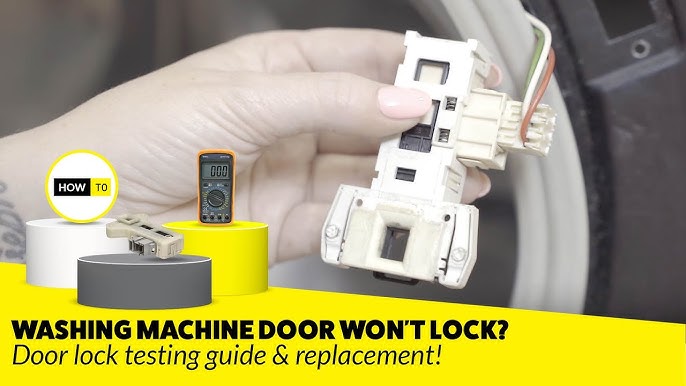
Is your washing machine door stuck or won’t lock properly? This common problem can stop your laundry routine in its tracks and leave you feeling frustrated.
But don’t worry—fixing your washing machine door lock might be easier than you think. You’ll discover simple steps to get your machine working safely and smoothly again. Keep reading to save time, avoid costly repairs, and take control of your laundry once more.

Credit: www.espares.co.uk
Common Door Lock Issues
Washing machine door locks keep the door shut during cycles. When the lock fails, the machine will not work properly. It can stop mid-cycle or not start at all.
Understanding the signs and causes of lock problems helps fix the issue quickly. This saves time and prevents damage to the machine.
Signs Of A Faulty Lock
Knowing the signs of a broken door lock helps you catch problems early. Look for these common symptoms:
- The door does not close or lock properly.
- The machine shows a door lock error message.
- The washer won’t start or stops during a cycle.
- The door opens during the wash cycle.
- Unusual noises come from the door lock area.
Causes Behind Lock Failure
Many factors can cause a washing machine door lock to fail. Some of the main reasons are listed below.
| Cause | Description |
| Wear and Tear | Repeated use causes parts to break or wear out. |
| Electrical Issues | Faulty wiring or a broken switch prevents locking. |
| Obstructions | Dirt or debris blocks the lock mechanism. |
| Damaged Door Latch | The latch may bend or break, stopping the lock from engaging. |
| Moisture Damage | Water or rust can cause the lock to seize up. |
Credit: www.temu.com
Tools And Materials Needed
Fixing a washing machine door lock requires some specific tools and parts. Having the right items helps you work safely and quickly.
This guide lists the essential tools and replacement parts you need before starting the repair.
Essential Repair Tools
You need a few basic tools to open the washing machine and replace the door lock. These tools help you remove screws and test the lock function.
- Screwdrivers (Phillips and flathead) to remove panels
- Pliers to grip small parts and wires
- Multimeter to check electrical connections
- Socket wrench set for bolts
- Flashlight to see inside tight spaces
- Work gloves to protect your hands
Replacement Parts To Have
It is good to have the right replacement parts ready. This saves time and ensures the repair is effective.
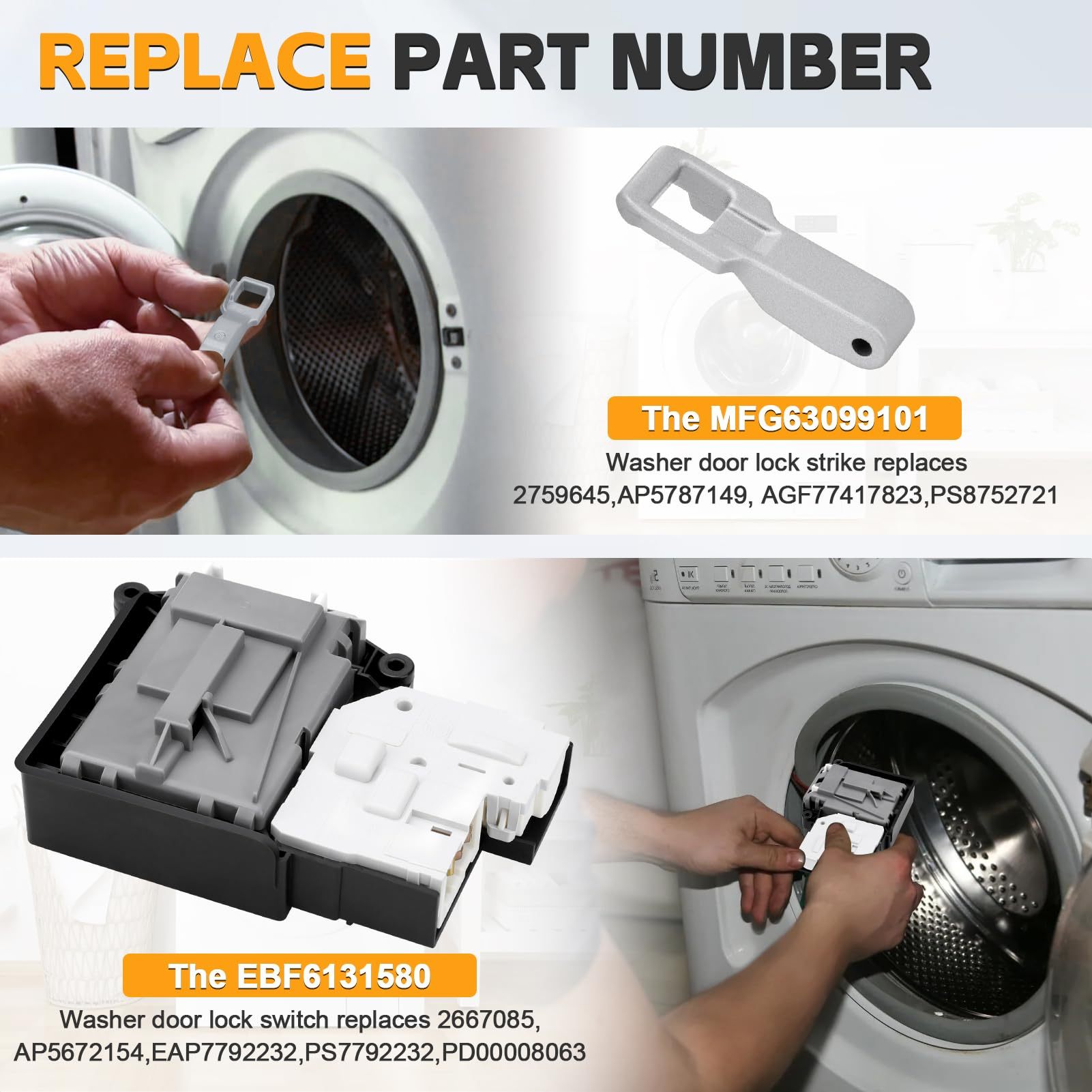
- New door lock assembly compatible with your machine model
- Door lock strike or latch if damaged
- Electrical connectors or terminals
- Mounting screws or clips
- Seal or gasket if the door area needs resealing
Safety Precautions
Fixing a washing machine door lock needs care and attention. Safety is very important to avoid accidents. Always prepare before starting any repair work.
This guide covers two key safety areas: power disconnection and handling components safely.
Power Disconnection
Always disconnect the washing machine from the power source before starting repairs. This stops the risk of electric shock or damage to the machine.
- Unplug the machine from the wall socket.
- Do not use wet hands when unplugging.
- Check that the machine is fully powered off.
- Use a voltage tester if you have one, to confirm no electricity flows.
Handling Components Safely
Washing machine parts can be sharp or fragile. Handle all components carefully to avoid injury or damage.
| Component | Safety Tip |
| Door Lock | Do not force it open or closed |
| Wiring | Avoid pulling or twisting wires |
| Metal Parts | Wear gloves to protect your hands |
| Plastic Clips | Use proper tools to remove and fit |
Step-by-step Repair Guide
Fixing a washing machine door lock is a task you can do yourself.
This guide helps you repair the door lock safely and correctly.
Accessing The Door Lock
First, unplug the washing machine to avoid electric shock.
Open the washing machine door and locate the screws around the door frame.
Use a screwdriver to remove the screws and carefully pull the front panel.
Inspecting The Lock Mechanism
Look at the door lock for visible damage or wear.
- Check if the latch moves freely.
- Look for broken plastic parts.
- Test the electrical connectors for corrosion.
- Make sure no wires are loose or damaged.
Removing The Faulty Lock
Disconnect the electrical connectors from the lock carefully.
Unscrew the bolts or clips holding the lock in place.
Gently pull out the old lock from its housing.
Installing The New Lock
Insert the new door lock into the housing carefully.
Secure the lock with screws or clips you removed earlier.
Reconnect all electrical connectors firmly to the new lock.
Testing The Repair
| Test Action | Expected Result |
|---|---|
| Close the door firmly | The door locks and stays closed |
| Start a wash cycle | Machine runs without door lock errors |
| Open the door during cycle | Machine pauses and door remains locked |
| Complete cycle | Door unlocks automatically |
Tips For Maintaining Door Locks
Keeping your washing machine door lock in good shape is important for safety. A well-maintained lock stops leaks and accidents. Simple care can make your lock last longer.
Below are some helpful tips to keep your door lock clean and avoid common mistakes that can cause damage.
Regular Cleaning
Cleaning the door lock regularly removes dirt and soap build-up. This helps the lock work smoothly every time.
- Use a soft cloth to wipe the lock area weekly.
- Remove any lint or debris inside the lock catch.
- Apply a small amount of lubricant designed for locks once a month.
- Check the rubber seal around the door and clean it gently.
Avoiding Common Mistakes
Many problems start with simple errors. Avoid these mistakes to keep your door lock safe and working well.
| Mistake | Why to Avoid | What to Do Instead |
| Forcing the door open | Can break the lock mechanism | Wait for the machine to finish before opening |
| Using harsh chemicals | Damages lock parts and seals | Use mild soap and water for cleaning |
| Ignoring warning signs | Leads to bigger repair costs | Fix small lock issues quickly |
| Skipping regular maintenance | Reduces lock lifespan | Follow a cleaning and inspection schedule |
When To Call A Professional
Fixing a washing machine door lock can be tricky. Sometimes, calling a professional is the best choice.
Knowing when to seek expert help can save time and prevent further damage.
Complex Problems
Some issues with the washing machine door lock are beyond DIY fixes. Identifying these problems early is crucial.
- Electrical issues with the door lock
- Damage to the locking mechanism
- Unresponsive control panel
Warranty Considerations
Checking your washing machine's warranty can be important. Repairs might be covered, saving you money.
| Warranty Type | Coverage |
| Basic Warranty | 1 year parts and labor |
| Extended Warranty | 3 years additional coverage |
| Manufacturer's Warranty | Specific parts only |

Credit: www.espares.co.uk
Frequently Asked Questions
Why Is My Washing Machine Door Lock Not Working?
The door lock may fail due to a faulty latch, damaged wiring, or a broken lock mechanism. Check for obstructions and test the lock switch. Replacing the door lock assembly often solves the issue.
How To Fix A Washing Machine Door Lock Error?
Unplug the machine before inspecting. Clean the door latch and check wiring connections. If the lock is damaged, replace it with a compatible part to clear the error.
Can I Replace The Washing Machine Door Lock Myself?
Yes, you can replace it if you have basic tools. Follow the manufacturer’s instructions carefully. Ensure the machine is unplugged before starting any repairs for safety.
What Causes Washing Machine Door Lock To Beep Repeatedly?
Continuous beeping often signals a door lock problem or incomplete door closure. Inspect the lock for damage and ensure the door closes firmly. Repair or replace the lock if needed.
Conclusion
Fixing a washing machine door lock can save you time and money. You can check the lock for dirt or damage first. Sometimes, cleaning the lock helps it work again. Replacing a broken lock is simple with the right tools.
Always unplug the machine before starting any repairs. Taking care of the door lock keeps your washer safe and efficient. Small problems can turn big if ignored. Act quickly and keep your laundry routine smooth. Remember, a working door lock means your washing machine runs properly.