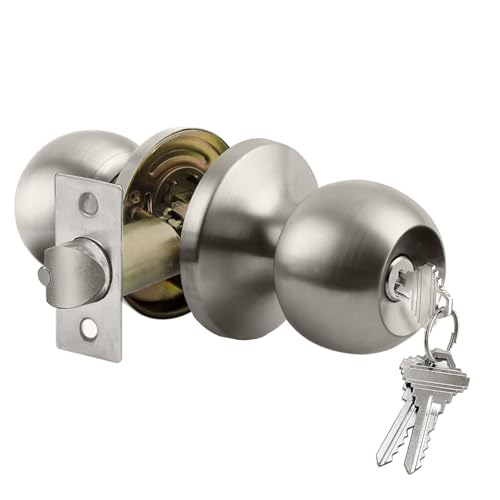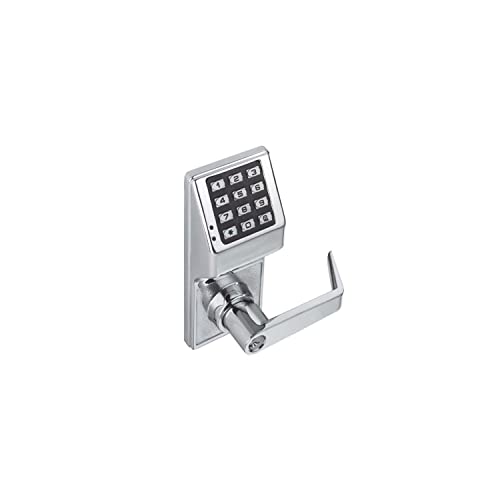

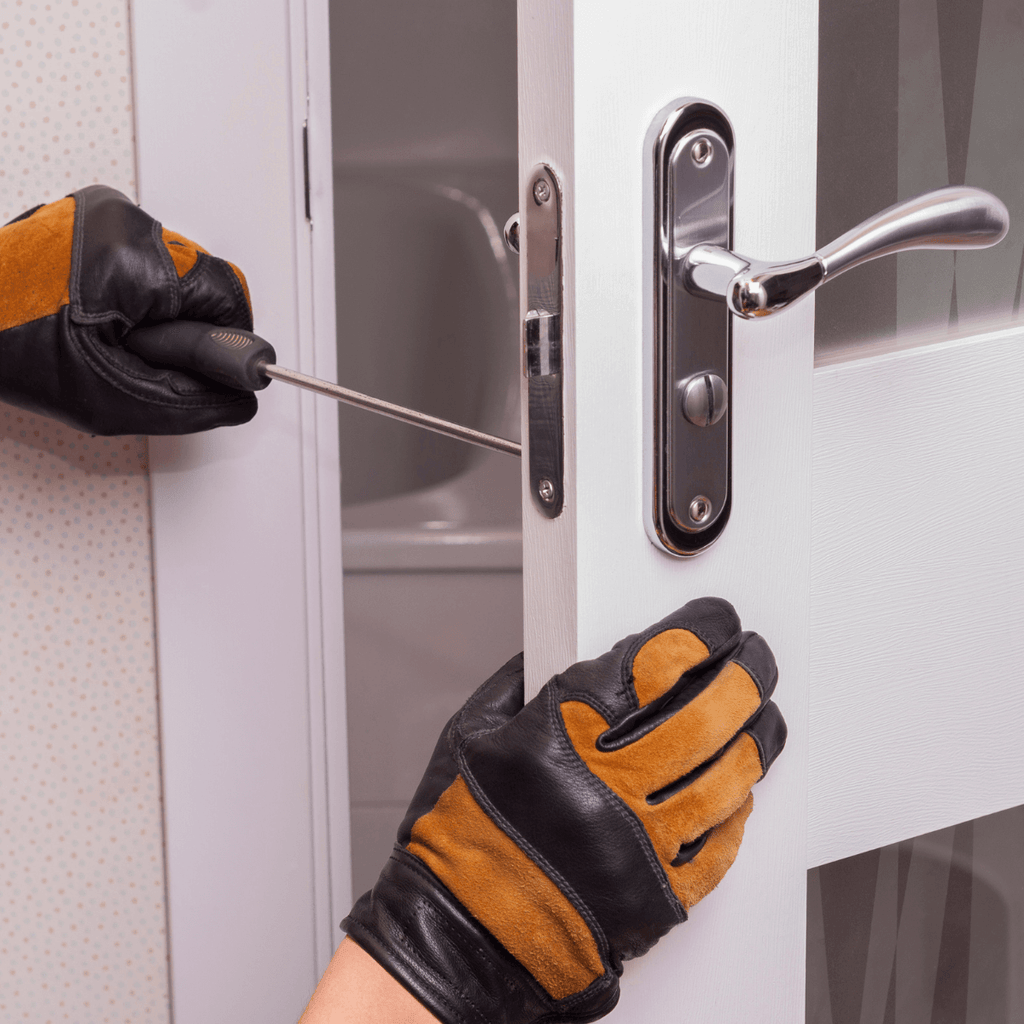
Is your door lock sticking, jamming, or simply not working like it used to? You’re not alone—and the good news is, you don’t have to call a locksmith every time it acts up.
Imagine the peace of mind you’ll feel once your door lock works smoothly again, keeping your home safe and secure. In this guide, you’ll discover easy steps to fix your door lock yourself, saving time and money. Ready to take control and solve the problem quickly?
Let’s get started.
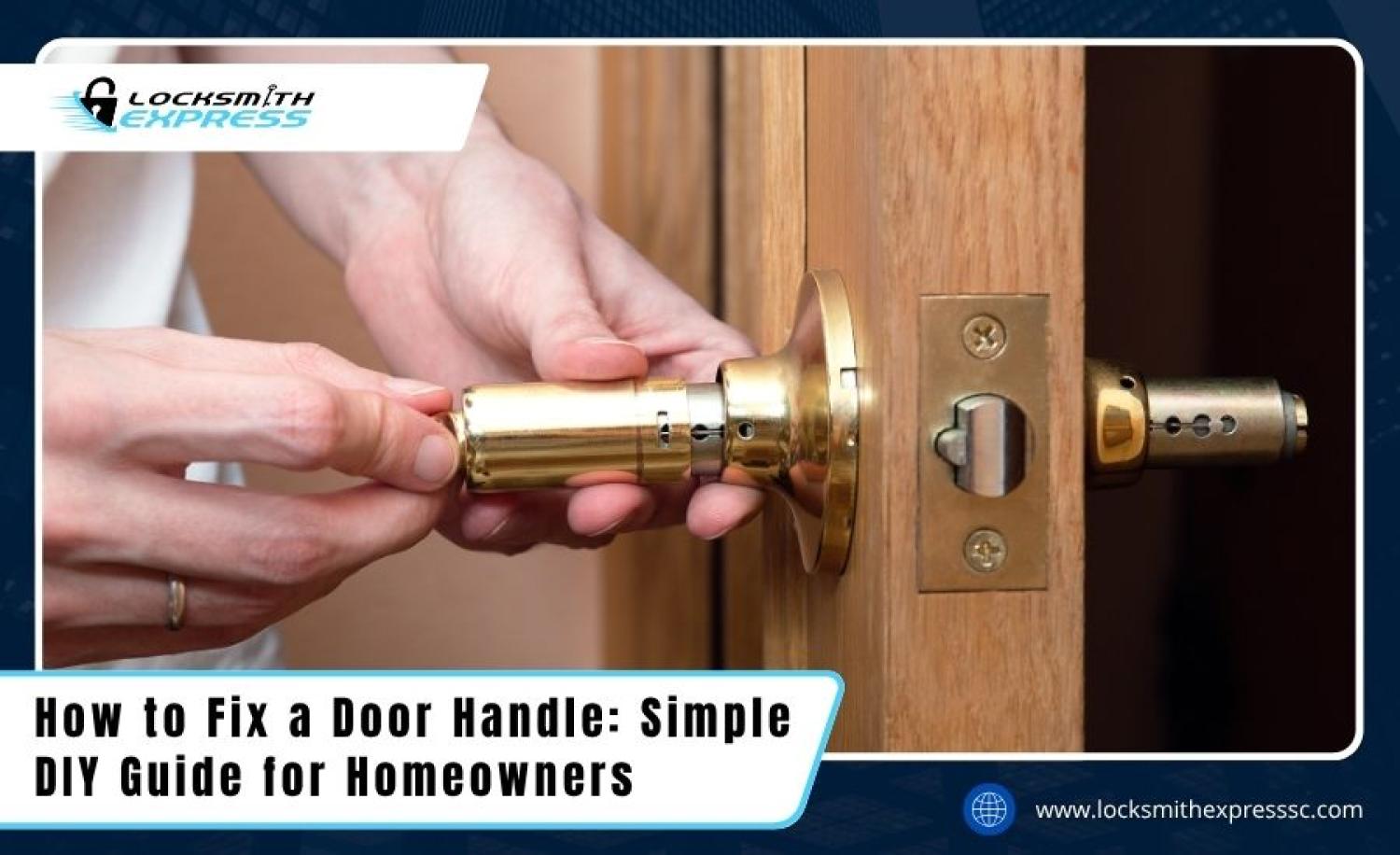
Credit: locksmithexpresssc.com
Identify Lock Issues
Fixing a door lock starts with spotting the problem clearly. Understanding the issue helps you decide what to do next.
Look closely at the lock parts. This helps you find if something is stuck, misaligned, or worn out.
Check For Jammed Or Stuck Locks
Jammed locks stop your key or handle from moving smoothly. Dirt, rust, or broken pieces can cause this problem.
- Try to turn the key gently.
- Listen for any unusual sounds.
- Look for dirt or rust around the keyhole.
- Test the lock with and without the key.
Inspect Lock Alignment
A lock that is out of line with the door frame may not close or lock properly. Check if the latch fits into the strike plate easily.
| Check Point | What to Look For |
| Door Position | Is the door sitting level in the frame? |
| Strike Plate | Is the hole lined up with the latch? |
| Lock Mechanism | Does the lock move freely when the door is closed? |
Assess Wear And Tear
Locks wear down after long use. Parts may become loose or broken. Look for signs of damage or rust.
- Loose screws or handles
- Rust on metal parts
- Difficulty turning the key
- Visible cracks or breaks

Credit: www.bostonglobe.com
Gather Necessary Tools
Fixing a door lock can be easy if you have the right tools. Before starting, make sure you gather everything you need.
This will help you fix the lock quickly and avoid any frustration. Let's go through the tools and parts you will need.
List Essential Tools
Having the right tools makes the job much easier. Here are some essential tools you will need for fixing a door lock.
- Screwdriver
- Allen wrench
- Tape measure
- Hammer
- Drill (if needed)
Choose Replacement Parts
Sometimes, a lock needs new parts. It’s important to choose the right ones. This ensures your lock works properly after the repair.
- New lock cylinder
- Replacement screws
- Strike plate
- Door latch
Remove The Old Lock
Removing an old door lock is the first step in fixing or replacing it. You need to carefully take it apart to avoid damage.
This guide helps you remove the lock by unscrewing parts and extracting the lock cylinder.
Unscrew The Lock Components
Start by finding the screws that hold the lock to the door. These are usually on the inside part of the door.
Use a screwdriver to remove all screws carefully. Keep them safe for later use or disposal.
- Locate screws on both sides of the door
- Use the correct screwdriver size
- Turn screws counterclockwise to remove
- Keep screws in a small container
Extract The Lock Cylinder
After unscrewing, the lock cylinder becomes visible. This part controls the locking mechanism.
Pull the cylinder out gently. Sometimes you may need to wiggle it or use a small tool to help.
- Locate the cylinder inside the lock
- Pull it straight out from the door
- If stuck, gently wiggle or use a flat tool
- Avoid forcing to prevent damage

Credit: www.doortodoorco.com
Install A New Lock
Installing a new door lock helps keep your home safe. It can also fix problems with old locks.
Follow simple steps to install the lock correctly. This makes sure it works well and lasts long.
Position The Lock Properly
Place the lock in the right spot on the door. The lock should line up with the strike plate on the frame.
Check the height and distance from the edge of the door. This helps the lock fit perfectly and work smoothly.
- Measure the door thickness
- Mark the lock location carefully
- Align the lock with the strike plate
- Ensure the keyhole is easy to reach
Secure Screws And Plates
Tighten all screws to hold the lock firmly. Loose screws can cause the lock to fail or fall out.
Attach the strike plate to the door frame. Use long screws for better strength and security.
- Use a screwdriver to tighten screws well
- Replace any damaged screws
- Check that plates sit flush with the door
- Test the lock after securing everything
Test The Lock Functionality
After fixing a door lock, testing its function is important. This step ensures the lock works safely and correctly.
Testing helps find any problems before you finish. It gives you peace of mind about your door security.
Check Key Turn Smoothness
Insert the key and turn it slowly. The key should move smoothly without force or sticking.
If the key feels rough or gets stuck, the lock may need adjustment or cleaning. Do this before using the lock regularly.
- Insert the key fully into the lock cylinder.
- Turn the key gently in both directions.
- Notice if the key turns without resistance.
- Check if the key comes out easily after turning.
Ensure Deadbolt Engagement
Check if the deadbolt fully extends into the door frame. It should slide out completely and lock firmly.
Test the lock by locking and unlocking several times. Make sure the deadbolt moves smoothly without stopping halfway.
- Turn the key to extend the deadbolt.
- Look for full deadbolt movement into the strike plate.
- Try to open the door while locked to confirm it stays secure.
- Retract the deadbolt by turning the key the other way.
Enhance Door Security
Improving door security is essential for protecting your home. Simple upgrades make your door stronger.
Strong doors reduce the risk of break-ins. Two easy ways to enhance door safety are reinforcement plates and high-security locks.
Add Reinforcement Plates
Reinforcement plates strengthen weak points around the door frame. They help resist forced entry.
- Install steel plates around the lock area
- Use longer screws to secure the plate deeply into the frame
- Reinforce the door jamb to prevent splitting
- Cover the strike plate with a heavy-duty metal plate
Use High-security Locks
High-security locks offer better protection than standard locks. They are harder to pick and break.
| Lock Type | Security Feature | Benefit |
| Deadbolt | Solid metal bolt | Strong resistance to forced entry |
| Smart Lock | Keyless entry with encryption | Prevents unauthorized access |
| Mortise Lock | Complex internal mechanism | Difficult to pick or drill |
Maintain Your Locks
Regular maintenance of your door locks is important. It keeps them working smoothly and prevents problems.
Follow these simple steps to ensure your locks last longer and stay secure.
Lubricate Moving Parts
Lubrication reduces friction in your locks. This ensures the key turns easily. Use a lubricant made for locks.
- Apply lubricant to the keyhole
- Insert the key and turn it several times
- Wipe away excess lubricant
Regular Inspections
Check your locks often for wear and tear. Look for loose screws or damaged parts.
Inspect both the internal and external parts of the lock.
| Inspection Task | Frequency |
| Check for loose screws | Monthly |
| Test key function | Quarterly |
| Lubricate lock | Bi-annually |
Frequently Asked Questions
How Do I Fix A Door Lock That Won’t Turn?
First, check if the lock is dirty or rusty. Lubricate it with graphite powder or WD-40. Tighten loose screws and ensure the key is not worn out. If issues persist, consider replacing the lock cylinder.
Why Is My Door Lock Sticking Or Jammed?
A sticking lock often results from dirt, rust, or misalignment. Clean the lock mechanism, lubricate it, and adjust the strike plate. If the door or frame is swollen, sanding may be necessary for smooth operation.
How Can I Rekey A Door Lock Myself?
To rekey a lock, remove the lock cylinder, then replace the pins inside with a new key set. Specialized kits are available for DIY rekeying. Follow instructions carefully to ensure proper key and lock matching.
When Should I Replace A Faulty Door Lock?
Replace a door lock if it’s broken, severely worn, or fails to secure the door properly. Also, consider replacement if the lock jams frequently or after a security breach for safety reasons.
Conclusion
Fixing a door lock is easier than it seems. With the right tools, you can save time and money. Small problems often have simple solutions. Regular checks keep your lock working well. Stay calm and follow steps carefully. You protect your home and feel safer.
Practice makes the task feel normal. Don’t wait until a big issue arises. Start fixing your door lock today.