Choosing the right cabinets can change the entire look and feel of your kitchen or bathroom. But when it comes to Face Frame vs Frameless Cabinets, which one is truly the best fit for your space?
You might feel overwhelmed by the options and unsure about what will work best for your style, budget, and daily needs. This guide will help you understand the key differences, benefits, and drawbacks of each type—so you can make a confident choice that you’ll love for years to come.
Keep reading to discover which cabinet style matches your vision perfectly.
Face Frame Cabinets
Face frame cabinets are a popular style in kitchen and furniture design. They have a frame attached to the front of the cabinet box.
This frame gives the cabinet strength and a classic look. Many homeowners and builders choose face frame cabinets for their traditional appeal.
Design And Structure
The frame is usually made of solid wood strips. It covers the edges of the cabinet box and door openings. This frame supports the door hinges and drawer slides.
- Frame parts include stiles (vertical) and rails (horizontal)
- The frame adds extra strength to the cabinet
- Doors attach directly to the face frame
- The cabinet box is built separately and then the frame is added
Materials Used
Face frame cabinets use different wood types for the frame and box. The frame is often made from hardwood for durability.
| Part | Common Materials |
|---|---|
| Face Frame | Oak, Maple, Cherry |
| Cabinet Box | Plywood, MDF, Particleboard |
| Door Panels | Solid Wood, MDF, Veneer |
Advantages
Face frame cabinets offer several benefits that make them a good choice for many kitchens.
- Stronger and more rigid cabinet structure
- Doors and drawers align easily
- Classic and timeless appearance
- Frames hide imperfections on cabinet edges
- Easy to repair or replace door hinges
Common Applications
Face frame cabinets fit well in many rooms and styles. They are often seen in traditional and farmhouse kitchens.
Typical uses include:
- Kitchen cabinets for a classic look
- Bathroom vanities with sturdy frames
- Custom furniture pieces needing extra strength
- Built-in storage units in living rooms
Credit: highsierracabinets.com
Frameless Cabinets
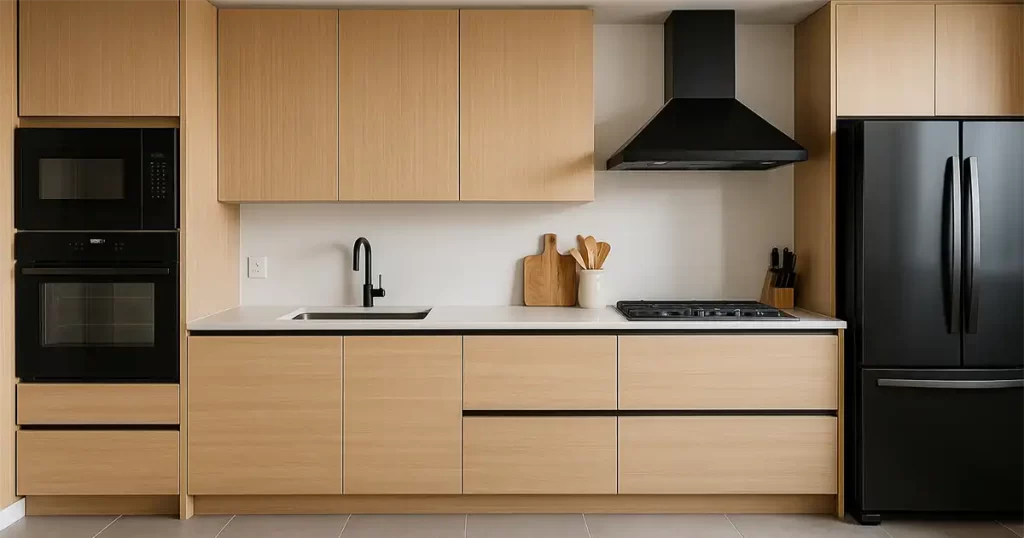
Frameless cabinets are a popular choice in modern kitchens. They do not have a front frame, giving them a sleek look.
These cabinets offer more space inside and easy access. They are common in many homes and offices.
Design And Structure
Frameless cabinets have side panels that connect directly with doors. They do not use a face frame around the front.
This design makes the cabinet look clean and smooth. The doors cover the entire front edge of the box.
- Full access to the cabinet interior
- Simpler and modern appearance
- Thicker side panels for strength
Materials Used
Frameless cabinets use strong materials for the sides and shelves. Common materials include plywood and MDF.
These materials provide durability and keep the cabinet stable without a face frame.
- Plywood for strength and moisture resistance
- MDF for smooth surfaces and easy painting
- Laminate or melamine for easy cleaning
Advantages
Frameless cabinets offer more storage space than framed ones. The doors fit close to the edges for a neat look.
They are easier to build and install. The style suits modern homes and small kitchens well.
- More interior space and better storage
- Sleek and modern design
- Easy to clean and maintain
- Simple installation process
Common Applications
Frameless cabinets fit well in kitchens, bathrooms, and offices. They work best where a clean look is wanted.
Many new homes and renovations use frameless cabinets for their style and function.
- Modern kitchen cabinetry
- Bathroom storage units
- Office and workspace cabinets
- Closets and utility rooms
Comparing Durability
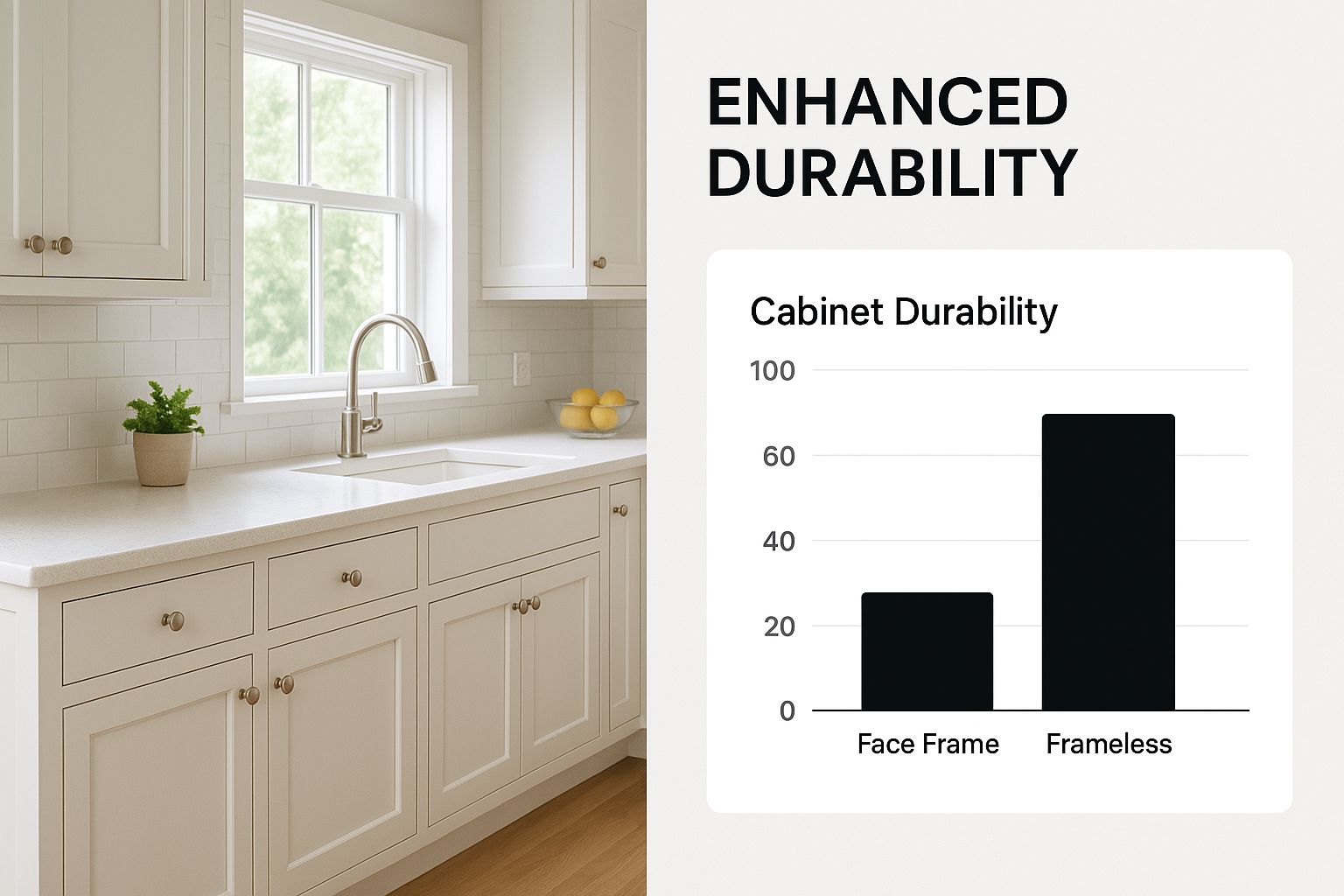
Face frame and frameless cabinets differ in durability. This affects how long they last and hold up over time. Understanding these differences helps choose the right cabinet type.
Durability depends on how cabinets handle daily use and stress. Both types have strengths and weaknesses in this area.
Strength And Stability
Face frame cabinets have a wooden frame around the front edges. This frame adds extra strength and keeps the cabinet square.
Frameless cabinets lack this front frame. They rely on thicker side panels for support. This can make them less rigid than face frame cabinets.
- Face frame cabinets resist twisting and warping better.
- Frameless cabinets may need stronger materials to match strength.
- Face frame design helps keep doors aligned over time.
Wear And Tear Resistance
Face frame cabinets protect edges from damage because the frame acts as a barrier. This reduces wear on the cabinet box.
Frameless cabinets expose the edges of side panels more. This can lead to chipping or damage if not handled carefully.
- Face frame cabinets hide small dents and scratches better.
- Frameless cabinets show wear on edges faster without edge banding.
- Proper finishes help both types resist daily damage.
Credit: sinclaircabinets.com
Aesthetic Appeal
Face frame and frameless cabinets each offer unique looks. Your choice affects your kitchen's style.
Face frame cabinets have a traditional appearance. Frameless cabinets look modern and sleek.
Visual Style Differences
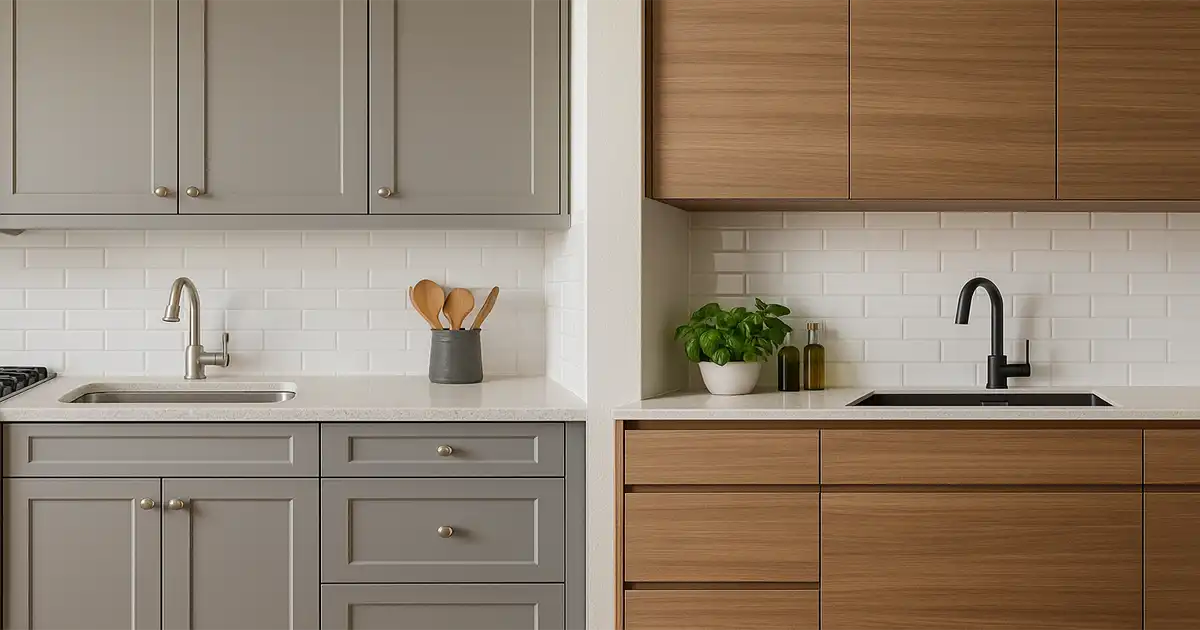
Face frame cabinets have visible frames around the doors. This gives them a classic and detailed look.
Frameless cabinets have no front frame. This creates a seamless, clean appearance.
- Face frame: traditional and detailed
- Frameless: modern and minimal
Customization Options
Face frame cabinets offer flexibility in design. You can add decorative moldings and trims.
Frameless cabinets maximize space. They allow for larger drawers and easier access.
| Face Frame | Frameless |
| Decorative details | More storage space |
| Traditional style | Sleek style |
Installation Process
Installing face frame and frameless cabinets involves different steps. Each style needs specific attention for a good fit.
The way these cabinets are built changes how you install them. Let’s look at how easy they are to put together and what skills you need.
Ease Of Assembly
Face frame cabinets have a wooden frame on the front. This frame helps guide the cabinet parts during assembly.
Frameless cabinets do not have this frame. They rely on thicker side panels for strength and alignment.
- Face frame cabinets are easier to align because of the front frame.
- Frameless cabinets need more care to keep edges flush.
- Face frame style allows some margin for error during assembly.
- Frameless cabinets require precise cuts and measurements.
Time And Skill Requirements
Face frame cabinets take more time to build. The frame pieces must be cut and attached correctly.
Frameless cabinets can be faster to install but need higher skill. Mistakes in measurements can cause problems.
- Face frame installation suits beginners with basic woodworking skills.
- Frameless cabinets demand experience with precise tools.
- Both styles require careful measurement and leveling.
- Frameless cabinets often need special hardware for assembly.
Cost Considerations
Choosing between face frame and frameless cabinets affects your budget. Each style has different costs to think about.
Understanding these costs helps you pick the right cabinets for your home and wallet.
Initial Investment
Face frame cabinets usually cost less to build. They use less material and are easier to make.
Frameless cabinets need more precise construction. This can make them more expensive at first.
- Face frame cabinets often use simpler tools and processes
- Frameless cabinets require stronger materials and detailed work
- Labor costs may be higher for frameless designs
Long-term Value
Face frame cabinets offer good durability and easy repairs. This can save money over time.
Frameless cabinets provide more storage space. This can add value to your kitchen and home.
- Face frame cabinets are sturdy and simple to fix
- Frameless cabinets maximize interior space
- Both styles can last many years with care
Space Efficiency
Choosing the right cabinet style affects how you use kitchen space. Face frame and frameless cabinets offer different space options.
Understanding these differences helps you pick cabinets that fit your needs and room size.
Storage Capacity
Face frame cabinets have a wooden frame around the front. This frame reduces some inside space.
Frameless cabinets do not have a front frame. This design gives more storage inside the same size cabinet.
- Face frame cabinets lose space to the frame edges.
- Frameless cabinets offer more usable inside space.
- Frameless style is better for small kitchens needing extra storage.
Accessibility
Face frame cabinets can block part of the opening. This limits how wide doors and drawers open.
Frameless cabinets have wider openings. Doors and drawers can open fully, making it easier to reach inside.
- Face frame cabinets have smaller access points.
- Frameless cabinets allow better access to stored items.
- Frameless style helps in quick and easy use of cabinet space.

Credit: www.rokhardware.com
Maintenance And Repairs
Face frame and frameless cabinets require regular maintenance. This keeps them looking good and functioning well. Each type has unique needs for cleaning and repairs.
Understanding these differences helps in maintaining and repairing them effectively. Let's explore some tips and challenges for each type.
Cleaning Tips
Face frame cabinets have edges that gather dust. Use a damp cloth to clean them. Avoid harsh chemicals to prevent damage.
Frameless cabinets have smooth surfaces. Wipe them with a soft cloth. Clean spills quickly to avoid stains.
- Use mild soap and water for stubborn stains
- Dry cabinets after cleaning to prevent moisture
- Avoid abrasive pads that can scratch surfaces
Repair Challenges
Face frame cabinets may have loose hinges. Tighten screws to fix this. Wood filler can repair small cracks.
Frameless cabinets might have alignment issues. Adjust the hinges for proper door alignment. Replace damaged panels if needed.
| Cabinet Type | Common Repairs |
|---|---|
| Face Frame | Loose hinges, small cracks |
| Frameless | Door alignment, panel replacement |
Choosing Based On Kitchen Style
Choosing between face frame and frameless cabinets depends on your kitchen style. Both types have unique looks that fit different designs.
Understanding these styles helps you pick the best cabinets for your space and taste.
Traditional Vs Modern Looks
Face frame cabinets suit traditional kitchens well. They have a sturdy wood frame around the doors and drawers.
Frameless cabinets are popular in modern kitchens. They offer a clean, sleek look with flat surfaces and no visible frames.
- Face frame cabinets show wood edges and add detail.
- Frameless cabinets have a smooth, seamless appearance.
- Traditional kitchens often use face frame for a classic feel.
- Modern kitchens favor frameless for minimalism.
Matching Existing Decor
Face frame cabinets work well with homes that have classic or rustic decor. They blend with wood trims and older styles.
Frameless cabinets fit better in homes with simple, modern decor. They match metal finishes and smooth surfaces.
- Use face frame cabinets to match wood moldings and vintage furniture.
- Choose frameless cabinets to complement stainless steel appliances.
- Face frame adds warmth to traditional rooms.
- Frameless keeps modern rooms looking spacious and neat.
Environmental Impact
Face frame and frameless cabinets differ in how they affect the environment. Both types use wood and other materials that impact forests and landfills. Understanding their environmental effects helps you choose better options.
This article looks at the sustainability of materials and eco-friendly options in these cabinet styles.
Sustainability Of Materials
Face frame cabinets often use thicker wood pieces, which means more raw material is needed. Frameless cabinets use less wood due to their design. Both styles may use plywood, MDF, or particleboard. These materials vary in environmental impact.
| Cabinet Type | Material Use | Waste Produced |
| Face Frame | More solid wood | Higher waste from trims |
| Frameless | Less wood, more panels | Lower waste overall |
Eco-friendly Options
Choosing eco-friendly cabinets means looking for low-VOC finishes and sustainable wood sources. Some manufacturers offer cabinets made from recycled or rapidly renewable materials. Both face frame and frameless cabinets can use these options.
- Look for FSC-certified wood
- Choose water-based paints and stains
- Use reclaimed or recycled wood
- Pick cabinets with fewer harmful chemicals
Frequently Asked Questions
What Are The Main Differences Between Face Frame And Frameless Cabinets?
Face frame cabinets have a wooden frame on the front, offering extra strength and traditional style. Frameless cabinets lack this frame, providing a modern look and more storage space inside. Both types vary in construction, appearance, and functionality.
Which Cabinet Type Offers More Storage Space?
Frameless cabinets provide more storage space because they do not have a front frame. This design allows for wider openings and better access inside. Face frame cabinets have slightly less usable space due to the wooden frame around the front.
Are Face Frame Cabinets More Durable Than Frameless?
Face frame cabinets are generally more durable due to their solid wooden frame. The frame adds strength and stability, making them ideal for heavy use. Frameless cabinets rely on thicker materials and hardware for durability but are less robust overall.
Which Cabinet Style Is Easier To Install?
Frameless cabinets are easier to install because they have a simpler construction without the face frame. This makes alignment and adjustments quicker. Face frame cabinets require precise fitting of the frame, which can add complexity to installation.
Conclusion
Choosing between face frame and frameless cabinets depends on your needs. Face frame cabinets offer extra strength and a classic look. Frameless cabinets provide more storage space and a modern style. Both types have their own benefits and drawbacks. Think about your kitchen size, style, and budget.
This will help you decide the best fit for your home. Either choice can improve your kitchen’s function and appearance. Take your time to pick the right cabinet style for you.

