

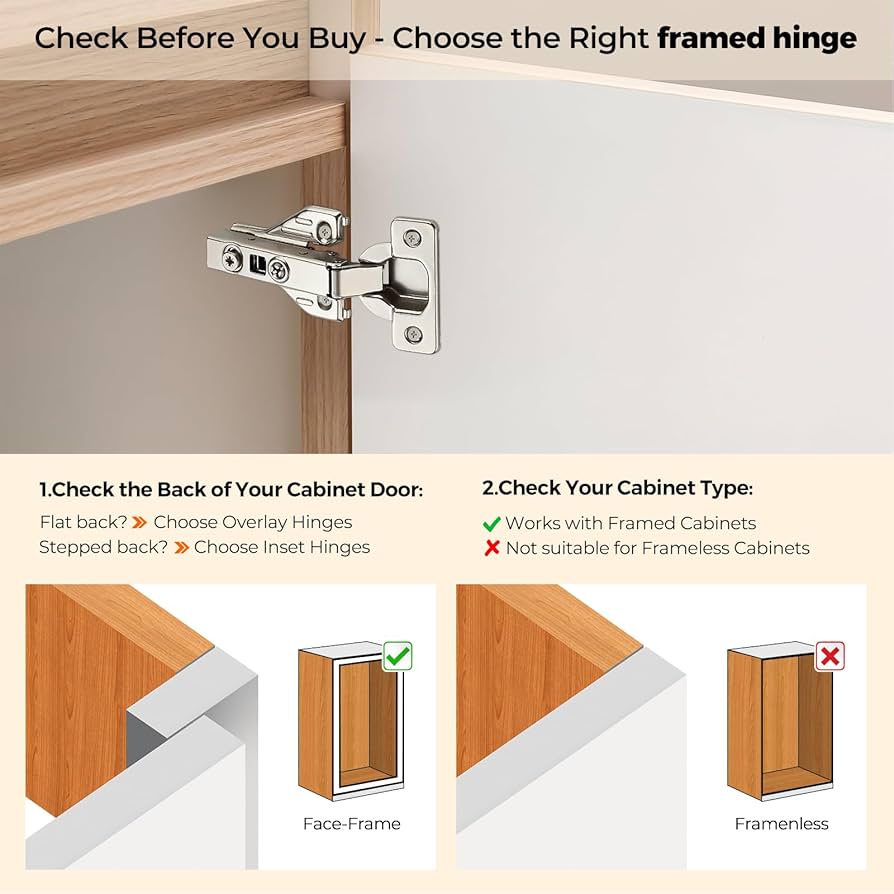
When it comes to upgrading your kitchen or bathroom, the right cabinets can make all the difference. Have you ever wondered what makes a cabinet sturdy, stylish, and easy to install?
That’s where face frame cabinets come in. These cabinets not only add a classic look to your space but also offer durability and flexibility that you’ll appreciate every day. If you want to discover how face frame cabinets can transform your home and make your life easier, keep reading.
Your perfect cabinet solution might be just a few paragraphs away.

Credit: www.amazon.ca
Face Frame Cabinet Basics
Face frame cabinets are a common style used in kitchens and other rooms. They have a frame on the front that adds strength and style.
This design helps keep the cabinet sturdy and makes it easier to attach doors and drawers.
What Are Face Frame Cabinets
Face frame cabinets have a wooden frame on the front edges. This frame is made of horizontal and vertical pieces.
The frame gives the cabinet a box shape and supports the door hinges and drawer slides.
Materials Used
Face frame cabinets are made from different woods and panels. The frame is usually solid wood for strength.
The cabinet box can be made from plywood or MDF. These materials are strong and cost-effective.
- Solid wood (oak, maple, cherry) for face frames
- Plywood or MDF for cabinet boxes
- Veneers or laminates for finishes
Construction Techniques
Builders join the frame pieces with strong joints like mortise and tenon or dowels. This keeps the frame stable.
The frame is attached to the cabinet box with screws or glue. Doors and drawers are fixed to the frame.
- Join frame parts with mortise and tenon or dowels
- Attach frame to cabinet box with screws or glue
- Mount doors and drawers on the face frame
Advantages Of Face Frame Cabinets
Face frame cabinets have a solid frame around the front edges. This design offers many benefits in kitchens and other spaces.
These cabinets combine style, strength, and flexibility. They have been popular for many years because of their useful features.
Durability And Strength
Face frame cabinets use a wooden frame to support the cabinet box. This frame adds strength and keeps the cabinet square.
The frame helps protect the cabinet from warping or damage. It also holds the doors and drawers tightly in place.
- Strong wooden frame supports cabinet structure
- Prevents warping and keeps cabinet square
- Holds doors and drawers firmly
Aesthetic Appeal
Face frame cabinets have a classic look that fits many styles. The frame creates a clean and finished front.
They hide gaps between doors and drawers well. This gives a neat and polished appearance to your kitchen.
- Classic and timeless design
- Creates a clean, finished look
- Hides gaps for a neat appearance
Customization Options
Face frame cabinets offer many ways to customize. You can change the frame style, door type, and finishes.
This makes it easy to match your personal style or the room’s design. It also allows for unique and creative cabinet setups.
- Choose different frame styles
- Select door types and materials
- Pick various colors and finishes
Design Styles With Face Frame Cabinets
Face frame cabinets have a sturdy frame around the front edges. This frame adds strength and gives a classic look. Many design styles use face frame cabinets to create different moods in a room.
Choosing the right style helps match your kitchen or bathroom to your taste. Below are some popular design styles for face frame cabinets.
Traditional Looks
Traditional face frame cabinets often have raised panels and detailed molding. They use warm wood tones like cherry or oak. These cabinets create a cozy and timeless feel.
Decorative hardware, like brass knobs, adds to the classic style. This look fits well in homes that want a rich and inviting atmosphere.
- Raised panel doors
- Detailed crown molding
- Warm wood finishes
- Decorative metal handles
Modern And Contemporary
Modern face frame cabinets have clean lines and simple shapes. The frames are often slimmer to show more of the cabinet front. Colors like white, gray, or black are popular.
Hardware is usually minimal, sometimes hidden. These cabinets make kitchens feel bright and open. They suit homes with a sleek and fresh design.
- Smooth flat panels
- Thin or minimal frames
- Neutral or bold colors
- Simple or no hardware
Rustic And Farmhouse
Rustic face frame cabinets show natural wood grains and knots. The frames are sturdy and sometimes distressed. This style brings a warm and homey feeling.
Farmhouse cabinets often have beadboard panels or simple designs. Hardware is usually made from iron or bronze with a worn look. These cabinets match well with country or cottage homes.
- Natural wood finishes
- Beadboard or simple panels
- Distressed or aged frames
- Iron or bronze hardware
Choosing The Right Face Frame Cabinets
Face frame cabinets add a classic look to any kitchen. They have a frame around the front edges that supports doors and drawers.
Choosing the right cabinets means thinking about size, style, and function. This guide helps you make smart choices.
Sizing And Layout Tips
Measure your kitchen space carefully before buying cabinets. Proper sizing avoids crowding and wasted space.
Plan your layout so cabinets fit well with appliances and work areas. Think about how you move in the kitchen.
- Use standard cabinet sizes for easy installation
- Leave enough space between cabinets and counters
- Consider tall cabinets for extra storage
- Plan corners to maximize space
Finish And Color Choices
Cabinet finishes protect wood and change the look. Choose a finish that fits your kitchen style and is easy to clean.
Colors set the mood. Light colors can make a room feel bigger. Dark colors add warmth and richness.
- Matte finishes hide fingerprints well
- Glossy finishes look modern and bright
- Natural wood tones bring warmth
- White or cream colors suit many styles
Hardware Selection
Hardware includes handles and knobs that open cabinet doors and drawers. They add style and make cabinets easy to use.
Pick hardware that matches your cabinet finish and kitchen design. Think about comfort and durability.
- Brushed nickel works well with modern kitchens
- Oil-rubbed bronze fits traditional styles
- Simple designs suit minimalist looks
- Decorative knobs add character
Installation Insights
Installing face frame cabinets can improve your kitchen’s look. Knowing the right steps helps the process go smoothly.
This guide covers key points for a successful installation. You will learn how to prepare, install, and handle common issues.
Preparing The Space
Clear the area where you will install the cabinets. Remove old cabinets, if needed, and clean the walls and floor.
Check the walls and floor for any damage. Make sure the space is level and strong enough to hold the cabinets.
- Remove old fixtures and debris
- Check wall studs and mark them
- Use a level to check for even surfaces
- Repair any holes or weak spots
Step-by-step Installation
Start by installing the base cabinets first. Secure them to wall studs using screws for strong support.
Next, add the upper cabinets. Use a helper to hold them in place while you attach them to the wall and the base cabinets.
- Find and mark wall studs clearly
- Level the base cabinets before securing
- Use clamps to hold cabinets together
- Attach face frames carefully for a tight fit
- Check alignment and adjust as needed
Common Challenges
Uneven walls can make cabinet installation hard. Use shims to level cabinets and keep them straight.
Sometimes screws do not hold well in drywall. Always find studs or use proper anchors to secure cabinets safely.
- Uneven walls need shims for balance
- Locate studs to support weight
- Check cabinet doors for proper alignment
- Adjust face frames if gaps appear
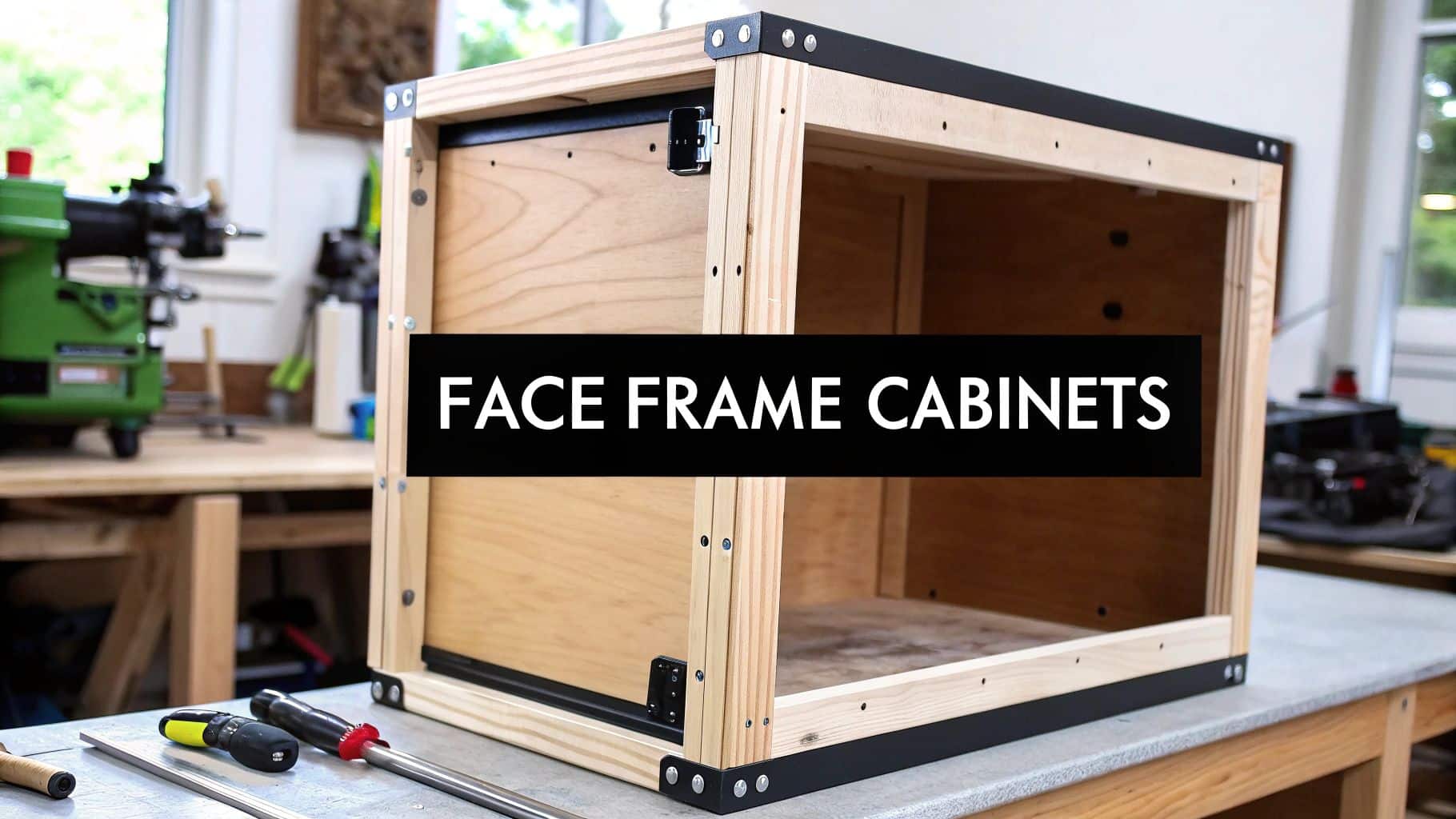
Credit: sinclaircabinets.com
Maintenance And Care
Face frame cabinets are popular in many kitchens. They need proper care to last long. Regular maintenance keeps them looking good.
With the right care, these cabinets stay strong. Simple cleaning and repairs help maintain their beauty and function.
Cleaning Tips
Clean your face frame cabinets regularly. Dust and grime can build up over time. Use a gentle cleaner to protect the finish.
- Wipe with a damp cloth weekly
- Use mild soap for tough stains
- Avoid abrasive sponges
- Dry with a soft towel
Repairing Minor Damages
Minor damages happen with daily use. Fixing them quickly prevents bigger issues. Small scratches and dents are easy to repair.
- Fill scratches with wood filler
- Sand lightly for a smooth finish
- Use matching stain to cover repairs
- Apply a protective sealant
Extending Cabinet Life
To make your cabinets last longer, take simple steps. Protect them from heat and moisture. Regular checks help catch problems early.
- Install cabinet liners
- Keep away from direct sunlight
- Check hinges and handles regularly
- Adjust doors to prevent sagging
Face Frame Vs. Frameless Cabinets
Face frame cabinets and frameless cabinets are two popular styles. They each have unique features that suit different kitchen designs.
Understanding these styles helps you choose the right cabinets. It depends on your kitchen's look and your storage needs.
Key Differences
Face frame cabinets have a wooden frame around the front. Frameless cabinets do not have this frame.
- Face frame cabinets show more detail on the front.
- Frameless cabinets offer more accessible space inside.
- Face frame cabinets are more traditional in style.
- Frameless cabinets provide a modern, sleek look.
Pros And Cons
Both cabinet styles have advantages and drawbacks. It's important to know them before deciding.
- Face frame pros: Stronger structure, traditional charm.
- Face frame cons: Less interior space, more complex installation.
- Frameless pros: More storage, simple lines.
- Frameless cons: Less rigid, modern style might not fit all homes.
Which Suits Your Kitchen
Your kitchen style helps decide which cabinet type is best. Consider your space and personal taste.
If you like traditional designs, face frame cabinets might be right. For a modern look and more storage, choose frameless cabinets.
Budgeting For Face Frame Cabinets
Face frame cabinets are a popular choice for kitchens and bathrooms. They add a classic look and strong structure. Planning your budget helps you pick the best options without overspending.
Knowing what affects the price and where to save can make your project smoother. This guide explains key points for budgeting face frame cabinets.
Cost Factors
The price of face frame cabinets depends on many things. Material type, cabinet size, and hardware all affect the total cost. Labor charges and finishes also add to the price.
Custom designs cost more than standard sizes. Wood species like maple or cherry are pricier than plywood or MDF. Hardware style and quality can raise or lower expenses.
- Type of wood or material
- Cabinet dimensions and design
- Hardware quality and style
- Finish and paint options
- Labor and installation fees
Saving Without Sacrificing Quality
You can save money on face frame cabinets by choosing cost-effective materials. Plywood with a wood veneer looks good and costs less than solid wood. Simple designs also reduce labor costs.
Buying cabinets in standard sizes helps avoid custom fees. Select hardware that is durable but affordable. Doing some of the installation work yourself can cut costs further.
- Choose plywood with veneer instead of solid wood
- Pick standard cabinet sizes
- Use simple cabinet designs
- Pick durable but affordable hardware
- Consider partial DIY installation
Investment Value
Face frame cabinets add value to your home. They last long and look classic, which buyers like. Well-made cabinets can increase resale price and attract buyers faster.
Spending wisely on cabinets helps you avoid repairs and replacements. Quality materials and good workmanship protect your investment over time.
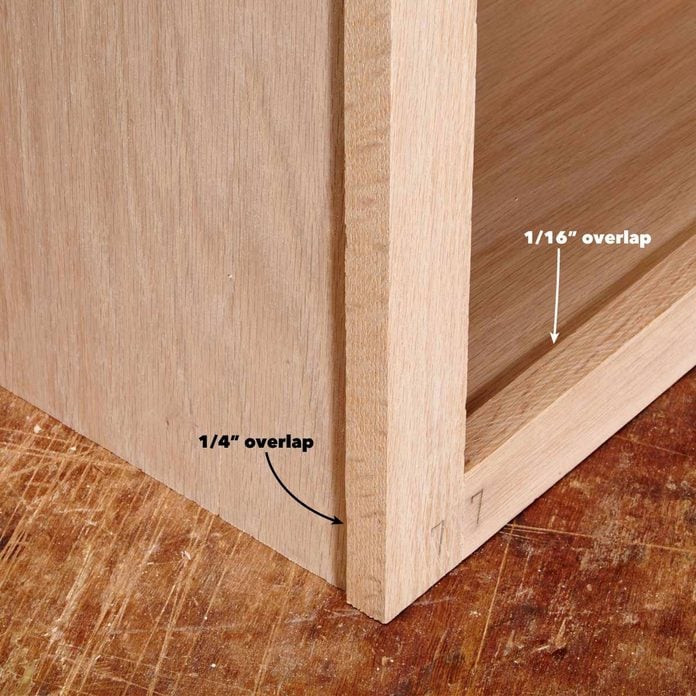
Credit: www.familyhandyman.com
Frequently Asked Questions
What Is A Face Frame Cabinet?
A face frame cabinet has a wooden frame around the front edges. This frame adds strength and hides gaps. It also supports doors and drawers for better durability and a classic look.
How Do Face Frame Cabinets Differ From Frameless?
Face frame cabinets have a front frame, while frameless cabinets do not. Frameless cabinets offer more interior space. Face frame cabinets provide extra support and a traditional style.
Are Face Frame Cabinets More Durable?
Yes, face frame cabinets are generally more durable. The frame adds structural strength. It helps doors align better and supports heavy use over time.
Can Face Frame Cabinets Be Customized Easily?
Yes, face frame cabinets are highly customizable. The frame allows easy door and drawer modifications. You can choose various wood types, finishes, and styles.
Conclusion
Face frame cabinets offer strength and classic style to any kitchen. They make organizing easier and add a neat look. Choosing the right materials and design fits your home’s style well. These cabinets stand up to daily use and last long.
Simple to fix and update, they save time and money. Consider face frame cabinets for a smart, timeless kitchen upgrade.

