


Are you thinking about upgrading your kitchen or workspace with new cabinets? Understanding face frame cabinet construction can make a big difference in choosing the right style and quality for your needs.
This method not only adds strength and durability but also gives your cabinets a clean, classic look that lasts. If you want cabinets that are sturdy, easy to install, and look great, keep reading. By the end of this article, you’ll know exactly what face frame cabinets are and why they might be the perfect fit for your home.

Credit: www.youtube.com
Basics Of Face Frame Cabinets
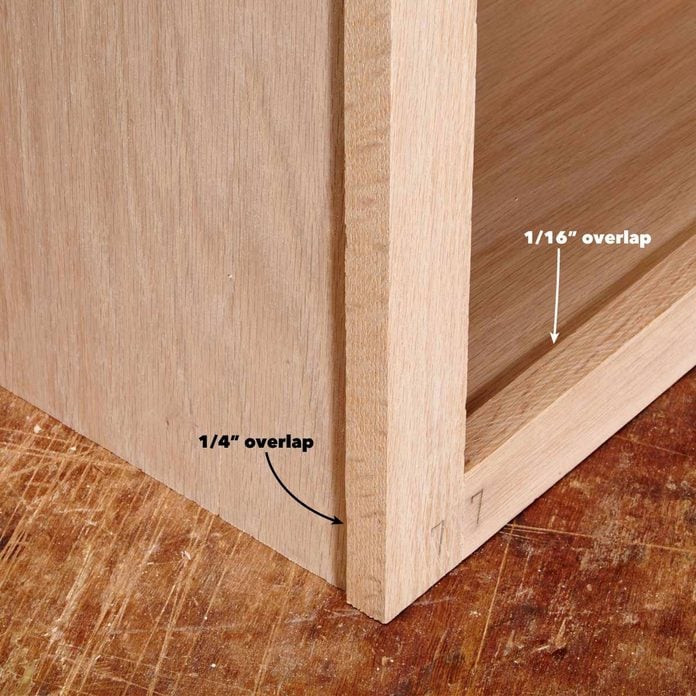
Face frame cabinets have a wooden frame attached to the front of the cabinet box. This frame adds strength and defines the cabinet’s shape.
These cabinets are common in kitchens and bathrooms. They offer a classic look and solid construction.
Key Components
The face frame is the main part of these cabinets. It is made of vertical and horizontal wooden strips.
- Stiles: The vertical pieces on each side of the frame
- Rails: The horizontal pieces that connect the stiles
- Center stiles or mullions: Vertical strips between doors or drawers
- Cabinet box: The main body where shelves and drawers sit
Materials Used
| Material | Common Use | Benefits |
| Solid Wood | Frame and Doors | Strong and durable |
| Plywood | Cabinet Box | Stable and resists warping |
| MDF | Door Panels | Smooth surface for paint |
| Veneer | Surface Finish | Looks like real wood, cost-effective |
Advantages Over Frameless Cabinets
Face frame cabinets offer several benefits compared to frameless designs.
- They provide extra strength to the cabinet front.
- Face frames help align doors and drawers better.
- The frame hides gaps between cabinet boxes.
- They are easier to repair if damaged.
- Face frame cabinets suit traditional and classic styles.
Design Considerations
Face frame cabinet construction shapes the look and strength of your cabinets. Good design helps cabinets last and look nice.
Think about wood types, frame styles, and door layouts. These parts affect style and function.
Choosing The Right Wood
Wood choice changes the cabinet’s feel and durability. Some woods are soft and light, others are hard and heavy.
Hardwoods like oak and maple work well for strong frames. Pine and poplar are good for painting.
- Oak: Durable with a classic look
- Maple: Smooth and hard surface
- Pine: Soft and easy to work with
- Poplar: Good for painted finishes
Frame Styles And Profiles
Frame style affects the cabinet’s style and strength. Choose simple or detailed frames based on the room design.
Profiles on the frame edges add character. Flat frames look modern, while beveled or rounded edges look traditional.
- Flat frame: Clean and modern
- Beveled edge: Adds depth and style
- Rounded edge: Soft and classic feel
- Raised panel: Traditional and detailed
Door And Drawer Configurations
Door and drawer layout changes how cabinets work. Think about how much space you need and what you store.
Mix single and double doors or add drawers for better use. Sliding doors save space in small rooms.
- Single doors: Good for small spaces
- Double doors: Wider access to shelves
- Drawers: Easy storage and access
- Sliding doors: Save floor space
Tools And Equipment
Face frame cabinet construction needs the right tools for good results. Using proper equipment saves time and keeps work safe.
This guide covers essential hand tools, power tools, and safety gear for building face frame cabinets.
Essential Hand Tools
Hand tools help with precise measuring, cutting, and assembly. These tools are easy to control and needed for fine work.
- Measuring tape and combination square for accuracy
- Chisels for cleaning joints and edges
- Claw hammer for driving nails
- Wood chisels for shaping wood parts
- Screwdrivers to fasten screws securely
- Hand saw for small cuts and adjustments
- Block plane to smooth edges and surfaces
Power Tools For Efficiency
Power tools speed up the building process. They help cut, drill, and join wood with less effort.
| Tool | Purpose |
| Table Saw | Cutting large panels and boards |
| Router | Shaping edges and creating joinery |
| Drill | Making holes and driving screws |
| Orbital Sander | Smoothing surfaces quickly |
| Brad Nailer | Fast assembly with nails |
Safety Gear
Safety gear protects your body during work. It reduces risk from dust, noise, and sharp tools.
- Safety glasses to protect your eyes
- Hearing protection to guard ears from noise
- Dust mask to avoid breathing sawdust
- Work gloves to protect your hands
- Proper footwear for stable footing

Credit: www.familyhandyman.com
Step-by-step Construction
Face frame cabinet construction is a solid method for building cabinets that last. This guide breaks down the process into clear steps. Follow along to build your own face frame cabinets with ease.
Each step focuses on a key part of the cabinet. You will learn how to measure, cut, assemble, and finish your cabinets properly.
Measuring And Cutting
Start by measuring all parts carefully. Accurate measurements help avoid mistakes. Use a tape measure and mark your wood pieces clearly.
- Measure the cabinet height, width, and depth.
- Mark the plywood for sides, bottom, and shelves.
- Cut the plywood with a saw, following your marks.
- Cut the face frame pieces from hardwood strips.
- Sand all cut edges smooth before assembly.
Assembling The Frame
Build the face frame first by joining the hardwood strips. Use wood glue and clamps to keep the pieces tight. Nail or screw the joints for strength.
| Part | Material | Assembly Tip |
|---|---|---|
| Stiles (vertical) | Hardwood | Check for straightness before gluing |
| Rails (horizontal) | Hardwood | Use clamps to hold tight joints |
| Corner Blocks | Plywood or Hardwood | Reinforce inside corners for stability |
Let the glue dry fully before moving to the next step.
Attaching Panels And Shelves
Attach the plywood panels to the assembled frame. Use screws or nails to fix the sides, bottom, and shelves in place. Make sure everything fits squarely.
- Place shelves evenly inside the cabinet box.
- Check that shelves are level before securing.
- Pre-drill holes to avoid splitting wood.
- Use corner braces for extra support if needed.
Installing Doors And Hardware
Attach the doors to the face frame using hinges. Make sure the doors open smoothly and align well. Then, install knobs or handles for easy use.
- Mark hinge placement on both door and frame.
- Pre-drill holes and attach hinges securely.
- Hang the doors and adjust for even gaps.
- Install door knobs or pulls at a comfortable height.
Techniques For Durability
Face frame cabinets need strong construction to last many years. Using the right techniques helps keep them sturdy and reliable.
Good choices in joints, reinforcements, and finishes make cabinets resist wear and tear. This guide explains these key techniques.
Joint Types And Strength
The joints in face frame cabinets hold parts together. Strong joints stop wobbling and breakage over time.
Common strong joints include mortise and tenon, dowel, and pocket hole joints. Each joint type offers good support.
- Mortise and Tenon:Fits like a puzzle, very strong and lasts long.
- Dowels:Wooden pins that add extra hold between parts.
- Pocket Holes:Screws inserted at an angle to pull pieces tightly.
Reinforcing Methods
Adding reinforcements makes cabinets tougher and stops joints from loosening. These methods boost cabinet strength.
Braces, corner blocks, and glue are common reinforcements. They help cabinets hold heavy loads and stay square.
- Corner Blocks:Small wood pieces glued and screwed inside corners.
- Braces:Extra wood strips that support frames from behind.
- Strong Glue:Wood glue used with fasteners for a firm bond.
Finish And Sealants
Finishes and sealants protect cabinets from moisture, dirt, and scratches. They keep wood looking good for years.
Use varnish, lacquer, or polyurethane to seal the wood. These finishes create a hard surface that resists damage.
- Varnish:Adds shine and protects against water and wear.
- Lacquer:Dries fast and creates a smooth, tough coat.
- Polyurethane:Very strong finish that stops scratches and stains.
Credit: www.familyhandyman.com
Common Challenges
Face frame cabinet construction can be tricky. Many builders face common challenges that affect the final product.
Understanding these challenges can help in creating sturdy and well-aligned cabinets.
Avoiding Warping
Warping happens when wood bends or twists. This can make cabinets look uneven.
To avoid warping, use dry, seasoned wood. Store wood in a stable environment.
- Check moisture levels in wood
- Store wood flat and supported
- Seal wood to protect from moisture
Ensuring Square Frames
Frames must be square for cabinets to fit well. Uneven frames cause gaps and misalignment.
Use a carpenter’s square to check angles. Adjust as needed for perfect right angles.
- Measure diagonally to check for squareness
- Use clamps to hold frames in place
- Check with a level tool
Fixing Alignment Issues
Alignment issues make doors and drawers hard to use. They also affect cabinet appearance.
Adjust hinges and slides to fix alignment. Ensure all parts are level.
| Common Issue | Solution |
| Doors misaligned | Adjust hinges |
| Drawers sticking | Realign slides |
| Uneven gaps | Recheck squareness |
Maintenance Tips
Face frame cabinets are popular for their classic look. Keeping them in good shape is important for your kitchen's appeal.
Regular maintenance helps cabinets last longer. Simple steps can prevent damage and keep them looking new.
Cleaning Best Practices
Cleaning cabinets keeps them free of dirt and grease. Use gentle methods to protect the wood finish.
- Use a soft cloth with mild soap and water.
- Avoid abrasive cleaners that can scratch surfaces.
- Dry immediately with a clean towel to prevent water spots.
Repairing Minor Damages
Small scratches and dents are common in cabinets. Repairing them quickly can prevent further damage.
Use wood filler for small holes. Sand the area gently and apply matching paint or stain for best results.
Extending Cabinet Lifespan
Proper care helps cabinets last for many years. Simple habits can protect your investment.
- Install cabinet liners to protect shelves.
- Use cabinet handles to avoid oily fingerprints.
- Check and tighten loose hinges or knobs regularly.
Frequently Asked Questions
What Is Face Frame Cabinet Construction?
Face frame cabinet construction uses a wooden frame on the cabinet front. This frame adds strength and hides cabinet edges. It provides a classic look and makes doors and drawers easier to install. It’s popular in traditional and custom cabinetry.
How Does Face Frame Differ From Frameless Cabinets?
Face frame cabinets have a visible front frame. Frameless cabinets lack this frame, offering more interior space. Face frame construction is sturdier but reduces accessible cabinet width slightly. Frameless designs have a modern look and simpler access. Choice depends on style and function preference.
What Materials Are Used In Face Frame Cabinets?
Face frames are typically made from hardwood like maple or oak. The cabinet box uses plywood or MDF for durability. Doors and drawers often match the frame wood. High-quality materials ensure strength, longevity, and a polished finish in face frame cabinets.
Are Face Frame Cabinets Easier To Repair?
Yes, face frame cabinets are generally easier to repair. The frame allows for simple door and hinge replacement. Damage to edges is less visible due to the frame. This construction is forgiving for adjustments and refinishing, making maintenance straightforward.
Conclusion
Face frame cabinet construction offers strong and durable kitchen storage. It gives cabinets a classic, clean look that many prefer. The frames help keep the cabinet shape steady over time. This method also makes doors and drawers fit better and last longer.
Choosing face frame cabinets can improve your kitchen’s function and style. Simple, solid design meets lasting quality here. Consider this approach for your next kitchen project. It blends tradition with practical benefits well.

