
Imagine building your dream home with materials that not only look stunning but also protect the planet. You might wonder, is it possible to construct a cozy, stylish house while being kind to the Earth?
The answer is a resounding yes. Environmentally friendly house building materials are revolutionizing the way we think about construction. These materials offer a win-win solution, giving you a beautiful home and a cleaner environment. Intrigued to know how bamboo, recycled steel, or even straw bales can transform your home?
Let’s explore how you can make eco-conscious choices in every brick and beam. Prepare to discover how you can turn your building project into an act of sustainability, ensuring your home stands strong for generations to come.
Benefits Of Sustainable Materials
Choosing sustainable materials for building homes brings many benefits. These materials help protect the environment and create healthier living spaces. They also save money by lowering energy use and maintenance costs. Sustainable materials support a more balanced and eco-friendly lifestyle.
Reducing Carbon Footprint
Sustainable building materials produce fewer greenhouse gases during their life cycle. They often come from renewable sources or recycled content. Using these materials lowers the overall carbon emissions of construction projects. This helps fight climate change and preserves natural resources.
Improving Indoor Air Quality
Many sustainable materials release fewer harmful chemicals inside the home. This leads to cleaner air and better breathing conditions. Homes built with natural materials reduce risks of allergies and respiratory problems. Better air quality supports the health and comfort of all residents.
Enhancing Energy Efficiency
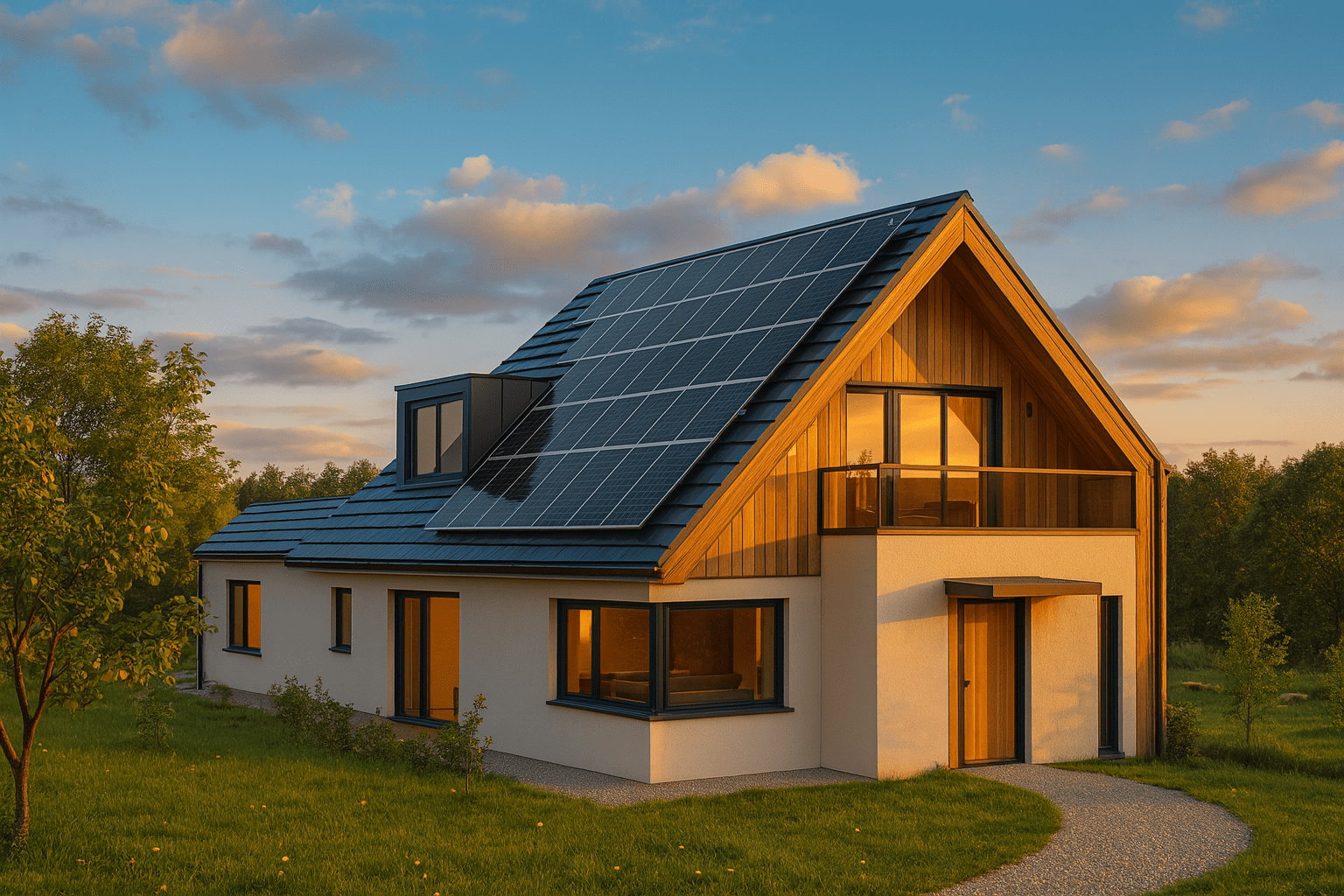
Sustainable materials often have excellent insulation properties. They keep homes warmer in winter and cooler in summer. This reduces the need for heating and air conditioning. Lower energy use means smaller utility bills and less environmental impact.
Credit: www.thomasstudio.co.uk
Bamboo
Bamboo stands out as a remarkable material for environmentally friendly house building. Its natural properties and sustainable growth make it a favorite among eco-conscious builders. If you’re considering materials that combine green benefits with practical use, bamboo deserves your attention.
Rapid Growth And Renewability
Bamboo grows incredibly fast—some species can reach maturity in just 3 to 5 years. This speed means it can be harvested frequently without depleting resources. Unlike hardwood trees that may take decades to mature, bamboo's quick regrowth helps reduce deforestation and supports a renewable supply chain.
Have you ever thought about how much energy goes into growing traditional timber? Bamboo's rapid growth requires less energy, making it a smart choice for reducing your building’s carbon footprint.
Strength And Versatility
Bamboo’s strength rivals many conventional building materials like steel and concrete. It’s lightweight yet sturdy, bending under pressure without breaking easily. This resilience makes it excellent for areas prone to earthquakes or strong winds.
Its versatility lets you use it in many forms—from raw poles to engineered panels. You can shape bamboo into beams, flooring, and even furniture, offering flexibility in design and function.
Common Uses In Construction
- Structural Framework:Bamboo poles serve as strong frames for walls and roofs.
- Flooring:Processed bamboo creates durable, attractive floors that resist moisture.
- Wall Panels:Bamboo sheets provide insulation and a natural aesthetic.
- Decorative Elements:Use bamboo for ceilings, partitions, and furniture to add eco-friendly style.
Have you considered how bamboo can fit into your building plans? Its range of uses means you can add sustainable features without compromising on design or strength.
Recycled Steel
Recycled steel is quickly becoming a top choice for building environmentally friendly homes. It uses steel that has already served its purpose, melting it down to create new, sturdy materials. This process helps reduce waste and lowers the demand for mining new resources, making it a smart option for sustainable living.
Durability And Strength
Steel is known for its incredible strength, and recycled steel maintains this quality without compromise. It resists pests, fire, and rot, which means your home will stay safe and sound for decades. Have you ever worried about your home's frame after a storm? With recycled steel, that worry can fade away.
Energy Savings In Production
Producing recycled steel uses significantly less energy than making steel from raw materials. This means lower carbon emissions and a smaller environmental footprint. By choosing recycled steel, you are actively reducing the energy needed to build your home, helping to protect the planet.
Applications In Modern Homes
Recycled steel is flexible enough to be used in many parts of your home. It works well for framing, roofing, and even exterior siding. Builders are also using it in modern designs that emphasize open spaces and durability. What part of your home could benefit most from stronger, eco-friendly materials?
Credit: dengarden.com
Rammed Earth
Rammed earth is an ancient building method making a strong comeback in eco-friendly construction. It uses natural soil compressed into sturdy walls. These walls provide durability and reduce the need for synthetic materials. Rammed earth offers a low-carbon footprint and excellent environmental benefits. Its simple materials and techniques make it accessible for many builders.
Natural Insulation Properties
Rammed earth walls naturally insulate homes. The dense soil slows heat movement. This keeps interiors cool in summer and warm in winter. It reduces reliance on heating and cooling systems. The insulation helps lower energy bills. It also improves indoor comfort throughout the year.
Thermal Mass Benefits
Thermal mass stores and releases heat slowly. Rammed earth walls absorb heat during the day. They release it back at night, balancing temperature swings. This creates a stable indoor climate. The walls reduce temperature extremes inside homes. This property helps save energy and enhances comfort.
Traditional And Modern Techniques
Traditional rammed earth uses wooden forms and manual compaction. Builders layer moist soil and press it down firmly. Modern methods add mechanical rammers and stabilizers like lime or cement. These improve strength and weather resistance. Both approaches maintain natural material benefits. Builders choose techniques based on project needs and budget.
Cork
Cork is a natural material harvested from the bark of cork oak trees. It has been used for centuries in construction due to its unique properties. Cork is lightweight, renewable, and biodegradable, making it an excellent eco-friendly choice for building.
The material offers many benefits beyond sustainability. It provides good insulation and adds a warm, natural look to interiors. Cork’s versatility suits various building needs.
Harvesting Without Harm
Cork is carefully stripped from trees without cutting them down. The bark regenerates every 9 to 12 years, allowing repeated harvests. This process preserves the tree and the surrounding ecosystem. No chemicals or heavy machinery are needed, which keeps the environment safe. Sustainable cork harvesting supports biodiversity and helps fight deforestation.
Sound And Thermal Insulation
Cork naturally blocks sound and heat. Its cellular structure traps air, reducing noise transmission. It also keeps indoor temperatures stable by preventing heat loss. This cuts down on energy use for heating and cooling. Cork’s insulating ability improves comfort in homes and reduces energy bills. It works well in walls, floors, and ceilings for a quieter, warmer space.
Design And Aesthetic Appeal
Cork adds a warm, earthy tone to interiors. It comes in various textures and finishes, from smooth tiles to rough panels. Designers use cork to create cozy, natural atmospheres. It blends well with wood, stone, and other natural materials. Cork can be stained or painted to match different styles. Its soft, springy feel makes it comfortable for flooring and wall coverings.
Reclaimed Wood
Reclaimed wood is timber that has been salvaged from old buildings, barns, or factories. It gets a new life by being reused in house building. This wood is eco-friendly because it reduces the need to cut down new trees. It also adds a warm, natural look to homes that new wood cannot match.
Environmental Impact Reduction
Using reclaimed wood lowers deforestation rates. It keeps wood out of landfills and reduces waste. The process uses less energy compared to making new wood products. This helps lower carbon emissions. Choosing reclaimed wood supports a healthier planet by saving natural resources.
Unique Character And Texture
Reclaimed wood has marks and colors from years of use. These features give it a unique charm and history. Each piece has its own story, with knots, nail holes, and grain patterns. This natural texture adds warmth and depth to any room. It creates a cozy and inviting atmosphere.
Popular Uses In Home Design
- Flooring that adds rustic beauty and durability.
- Wall paneling for a natural and textured look.
- Furniture pieces like tables and shelves with character.
- Beams and mantels that bring warmth and charm.
- Decorative accents that highlight the wood’s history.
Hempcrete
Hempcrete is a natural building material made from hemp fibers mixed with lime and water. It offers an eco-friendly alternative to traditional concrete. Hempcrete is lightweight, breathable, and helps regulate indoor temperature. It also has strong environmental benefits that make it a popular choice for green construction projects.
Lightweight And Breathable
Hempcrete is much lighter than regular concrete. This reduces the load on building foundations. Its porous nature allows air to flow through walls easily. This breathability helps control moisture and prevents mold growth. Homes built with hempcrete feel fresher and more comfortable.
Carbon Sequestration Benefits
Hemp plants absorb carbon dioxide as they grow. Hempcrete locks this carbon inside its structure for many years. This reduces the overall carbon footprint of a building. Using hempcrete helps combat climate change by storing carbon underground. It is a smart choice for eco-conscious builders.
Mixing And Application Methods
Hempcrete mixes hemp shives, lime binder, and water in specific ratios. The mixture has a thick, wet consistency similar to mortar. Builders apply hempcrete by casting or spraying it onto forms or walls. It hardens slowly, creating strong yet flexible walls. Proper curing is important to achieve durability and insulation.
Credit: www.timberhp.com
Straw Bale
Straw bale construction offers a unique approach to building homes that prioritize sustainability without sacrificing comfort or strength. Using tightly packed straw bales as the main building blocks, this method taps into a resource that's often overlooked but widely available. Have you ever considered how something as simple as straw could help reduce your environmental footprint while keeping your home cozy?
Affordable And Renewable
Straw is a byproduct of grain farming, making it both renewable and widely accessible. Because it’s often considered agricultural waste, it comes at a low cost compared to traditional building materials like concrete or brick. This affordability makes straw bale construction an attractive option for budget-conscious builders aiming for eco-friendly solutions.
Using straw bales reduces the demand for energy-intensive materials, lowering the overall environmental impact of your project. Plus, sourcing locally grown straw supports farmers and reduces transportation emissions. Have you thought about how much your building materials travel before arriving at your site?
Fire Resistance And Insulation
Contrary to what you might expect, straw bale walls provide excellent fire resistance. The bales are densely packed, limiting the oxygen inside and making it difficult for fire to spread. This surprising quality means you don’t have to trade safety for sustainability in your home design.
Straw bales are also fantastic insulators. Their thick walls keep heat inside during winter and block heat during summer, helping maintain a stable indoor temperature. This natural insulation can significantly cut down your heating and cooling bills, giving you comfort and savings year-round.
Construction Techniques
Building with straw bales requires some specific methods that differ from conventional construction. Bales are stacked like large bricks, then secured with wooden or metal stakes to keep them in place. After stacking, the walls are covered with plaster or stucco to protect the straw and add structural strength.
You don’t need heavy machinery or complex tools—just some basic carpentry skills and a willingness to learn. Many people find the hands-on process rewarding, connecting them more closely to their home. Would you enjoy being part of building your own sustainable shelter?
Low-voc Paints And Finishes
Low-VOC paints and finishes are popular choices for eco-friendly home building. These products emit fewer harmful chemicals than traditional paints. They help maintain cleaner indoor air and reduce environmental pollution. Using low-VOC options supports healthier living spaces and a greener planet.
Health Benefits
Low-VOC paints release little to no toxic gases. This reduces headaches, dizziness, and breathing issues. They are safer for children, elderly, and people with allergies. Freshly painted rooms feel fresher and less irritating. Long-term health risks linked to chemical exposure also decrease.
Environmental Impact
Low-VOC paints cut down air pollution outdoors. They reduce the release of volatile organic compounds that harm the ozone layer. These paints often use natural or recycled ingredients. Production and disposal cause less environmental damage. Choosing low-VOC products helps protect wildlife and ecosystems.
Choosing The Right Products
- Check for labels like "Low-VOC" or "No-VOC."
- Look for certifications such as Green Seal or GREENGUARD.
- Test a small area to ensure proper coverage and finish.
- Opt for water-based paints for easier cleanup and less odor.
- Consult product datasheets for detailed chemical information.
Tips For Choosing Materials
Choosing the right materials for an environmentally friendly house is more than just picking what looks good or fits your budget. It’s about understanding the impact of those materials on the environment and your home’s long-term sustainability. Here are some practical tips to help you select materials that support both your eco-goals and your lifestyle.
Local Availability
Using materials sourced close to your building site can significantly reduce the carbon footprint associated with transportation. Local materials often blend better with the environment and can support your regional economy.
Have you checked what’s available nearby? Sometimes, traditional materials like clay, stone, or timber are abundant locally and offer excellent durability. Choosing local options also means easier access for repairs or expansions down the road.
Lifecycle Assessment
Think beyond the initial cost and aesthetics. A lifecycle assessment helps you evaluate the total environmental impact of a material — from extraction to disposal.
For example, bamboo grows quickly and absorbs more CO2 than many hardwoods, making it a strong contender. On the other hand, concrete has a high carbon footprint but can last for decades without needing replacement. What balance between environmental impact and durability matters most to you?
Cost And Maintenance
Eco-friendly materials don’t have to break the bank, but you should consider long-term expenses. Some green materials require less maintenance, saving you money and resources over time.
Materials like recycled metal or reclaimed wood might cost more upfront but resist pests and weather better. Ask yourself: are you prepared for occasional upkeep, or do you prefer materials that stay strong with minimal care?
Frequently Asked Questions
What Are The Best Eco-friendly House Building Materials?
The best eco-friendly materials include bamboo, reclaimed wood, recycled steel, and rammed earth. These materials reduce waste and lower carbon footprints. They are sustainable, durable, and energy-efficient choices for green construction.
How Do Eco-friendly Materials Reduce Environmental Impact?
Eco-friendly materials use less energy in production and generate minimal waste. They often come from renewable or recycled sources. This lowers pollution, conserves natural resources, and supports sustainable building practices.
Can Eco-friendly Building Materials Save Money Long-term?
Yes, eco-friendly materials often improve insulation and durability. This reduces energy bills and maintenance costs over time. Investing upfront in sustainable materials leads to significant long-term savings.
Are Recycled Materials Safe For House Construction?
Recycled materials are safe when properly processed and tested. They meet building codes and quality standards. Using recycled materials helps reduce landfill waste and conserves raw materials without compromising safety.
Conclusion
Choosing eco-friendly building materials helps protect our planet. These materials reduce waste and save energy. They also create healthier homes for families. Small changes in material choices make a big difference. Sustainable options are often affordable and easy to find.
Building green supports a cleaner future for everyone. Start with simple steps and learn more as you go. Your home can be strong, safe, and kind to nature. The environment thanks you for every smart choice.