
Are you ready to make your home or project better for the planet without sacrificing quality? Choosing ecologically friendly building materials is one of the smartest moves you can make.
These materials not only reduce harm to the environment but also improve your living space’s health and comfort. Imagine building with products that save energy, reduce waste, and keep your indoor air fresh. Keep reading to discover how you can transform your space while protecting the Earth—it's easier than you think!
Credit: planhub.com
Benefits Of Eco-friendly Materials
Eco-friendly building materials offer many benefits beyond just being green. They help protect nature, improve home comfort, and save energy. Choosing these materials supports a healthier planet and better living spaces for everyone.
Reducing Environmental Impact
Eco-friendly materials use fewer natural resources and create less waste. They often come from renewable sources or recycled content. This reduces pollution and helps preserve forests, water, and soil. Using these materials lowers the carbon footprint of any building project.
Improving Indoor Air Quality
Many traditional building materials release harmful chemicals. Eco-friendly options have low or no toxic emissions. They improve air inside homes and offices. Cleaner air helps prevent allergies, asthma, and other health problems. This creates a safer environment for families and workers.
Enhancing Energy Efficiency
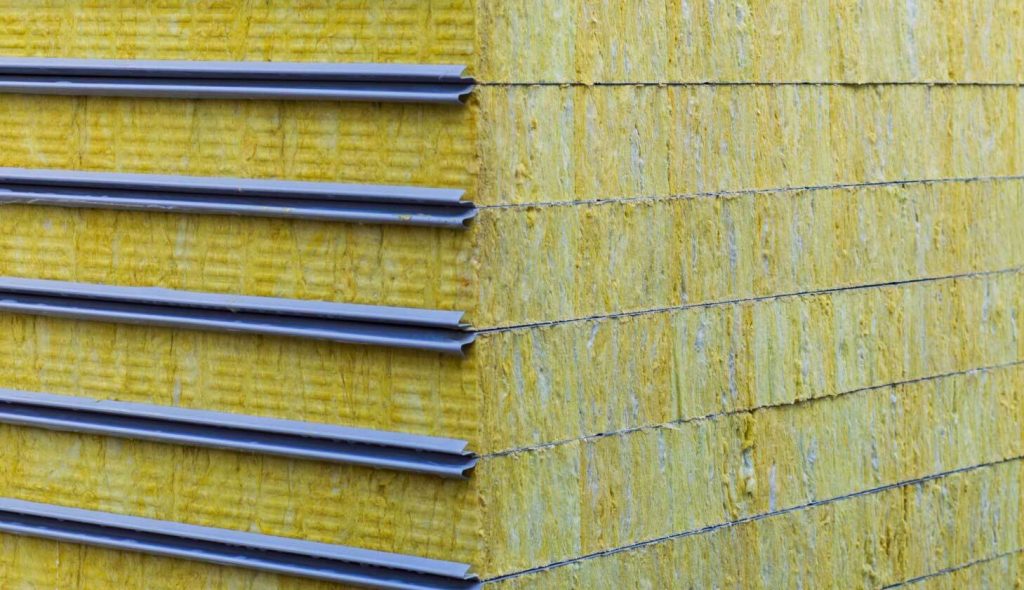
Eco-friendly materials often have better insulation properties. They keep buildings warmer in winter and cooler in summer. This reduces the need for heating and cooling systems. Lower energy use means smaller utility bills and less greenhouse gas emissions. Energy-efficient buildings are more comfortable year-round.

Credit: diybuildingsupplies.co.uk
Popular Sustainable Materials
Choosing the right materials can make a huge difference in building sustainably. Popular sustainable materials offer strength, beauty, and eco-friendliness all at once. They reduce waste, save energy, and often come with a unique story of renewal.
Bamboo And Its Versatility
Bamboo grows incredibly fast, making it one of the most renewable resources available. You can use it for flooring, furniture, and even structural support. Its flexibility and strength make it a favorite for eco-conscious builders who want both durability and style.
Have you ever considered how bamboo could replace traditional wood in your next project?
Recycled Steel And Metal
Steel is strong and long-lasting, but mining new steel consumes a lot of energy. Using recycled steel cuts down on that impact significantly. It’s perfect for framing buildings and creating durable fixtures while keeping waste out of landfills.
Next time you plan a build, think about how recycled metal could support your design sustainably.
Rammed Earth Construction
Rammed earth walls are made by compacting natural materials like soil, sand, and clay. This method creates thick, insulating walls that keep homes cool in summer and warm in winter. Plus, it uses local resources, which lowers transportation emissions.
Would a rammed earth wall fit the climate and style of your building site?
Cork For Insulation
Cork comes from the bark of cork oak trees, which regenerate after harvesting. It’s lightweight, fire-resistant, and an excellent insulator. Using cork helps keep energy bills low and your home comfortable year-round.
Have you thought about cork as an alternative to synthetic insulation materials?
Reclaimed Wood Uses
Reclaimed wood tells a story of its past life, often from old barns, factories, or shipping pallets. Using it reduces demand for new lumber and adds character to floors, beams, and furniture. Each piece is unique and carries the charm of history.
What projects in your home could benefit from the warmth and history reclaimed wood offers?
Innovative Green Building Products
Innovative green building products are reshaping how we think about construction materials. These products not only reduce environmental impact but also offer unique benefits that traditional materials can’t match. Choosing the right green product can improve your building's energy efficiency, durability, and even indoor air quality.
Hempcrete And Its Advantages
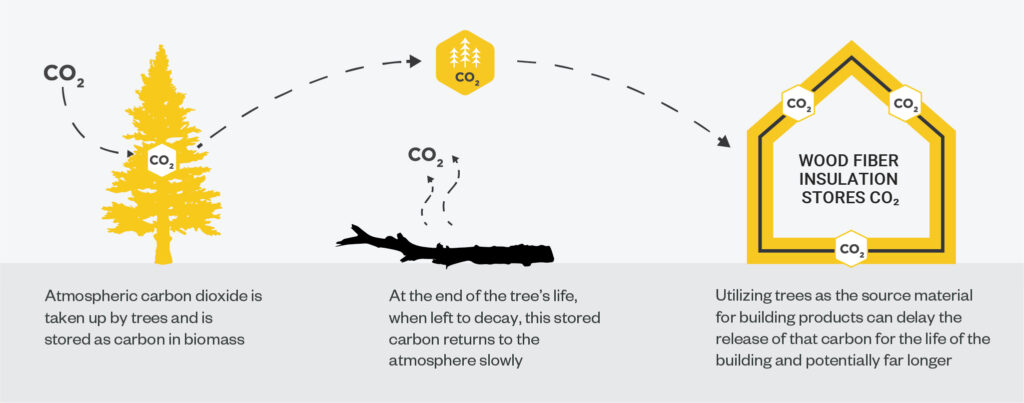
Hempcrete is a natural building material made from hemp fibers mixed with lime and water. It’s lightweight yet strong, providing excellent insulation and moisture regulation. Using hempcrete can reduce your building’s carbon footprint because hemp plants absorb CO2 as they grow.
Have you considered how hempcrete’s breathability could improve your home's indoor air? It helps prevent mold growth and keeps humidity levels balanced, which means healthier living spaces.
Mycelium-based Materials
Mycelium, the root structure of fungi, is gaining attention as a sustainable building material. It grows quickly and can be molded into various shapes, making it a versatile option for insulation and packaging. Mycelium materials are fully biodegradable, which means your building waste won’t linger in landfills.
Imagine using a material that repairs itself naturally or breaks down harmlessly after use. Would you consider mycelium a future-proof choice for your construction needs?
Recycled Plastic Components
Recycled plastic components transform waste into durable, weather-resistant building materials. These include bricks, tiles, and insulation panels made from melted and reshaped plastic waste. Using recycled plastics helps reduce pollution and demand for virgin materials.
What if your next project could help clean up plastic pollution while offering high performance? Recycled plastic materials might be the practical solution you’re looking for.
Choosing Materials For Climate
Choosing the right building materials based on climate improves comfort and energy use. Climate affects how materials perform over time. Some materials keep homes cool, while others retain heat. Selecting materials that suit the local weather reduces environmental impact and saves money. Understanding climate needs helps pick the best eco-friendly options.
Materials For Hot Climates
In hot climates, materials that reflect heat and allow airflow work best. Light-colored surfaces reduce heat absorption. Clay, adobe, and rammed earth keep interiors cool by storing less heat. Materials with natural breathability prevent moisture buildup and mold. Using wood with good insulation can also help control indoor temperatures.
Options For Cold Regions
Cold regions need materials that trap heat and block wind. Wood, straw bales, and insulated concrete forms provide strong thermal barriers. Thick walls made from natural stone or brick store heat well. Double-glazed windows reduce heat loss. Materials that resist moisture prevent damage from snow and ice buildup.
Adapting To Humid Environments
Humidity calls for materials that resist moisture and decay. Bamboo, treated wood, and fiber cement boards work well. Ventilated walls and raised foundations help air circulate. Materials should dry quickly to stop mold growth. Using natural stone or tiles improves durability and reduces maintenance.
Cost And Availability Factors
Cost and availability play a key role in choosing eco-friendly building materials. Builders and homeowners often compare prices and access to these materials before making decisions.
Understanding these factors helps to find the best options for sustainable construction. It also shows how eco-materials can fit different budgets and locations.
Comparing Costs With Conventional Materials
Eco-friendly materials can cost more upfront than traditional ones. Some natural or recycled products need special processing. This can raise prices in the short term.
Traditional materials often benefit from mass production and widespread use. This lowers their price and makes them easier to find.
Still, many green materials have become more affordable. Demand and innovation help reduce costs over time.
Local Sourcing Benefits
Using local materials cuts transportation expenses. This lowers overall project costs and carbon emissions.
Locally sourced materials support nearby businesses and communities. They often match the climate and environment better.
- Less shipping cost
- Fresher materials
- Boosts local economy
- Reduces environmental impact
Long-term Savings Potential
Eco-friendly materials save money over their lifespan. They often use less energy for heating and cooling.
Durability means fewer repairs and replacements. This reduces maintenance costs.
Some materials improve indoor air quality. Healthier environments can lower medical expenses.
Certifications And Standards
Certifications and standards guide builders and buyers toward sustainable choices. They ensure materials meet strict environmental and health criteria. These benchmarks help reduce waste, lower energy use, and protect natural resources.
Using certified materials supports eco-friendly construction and boosts a building's green credentials. Understanding these certifications helps in selecting products that truly benefit the planet.
Leed And Green Building Certifications
LEED (Leadership in Energy and Environmental Design) is a top global green building rating system. It evaluates materials based on energy efficiency, water savings, and indoor environmental quality.
Buildings earn points for using certified eco-friendly materials. Other certifications include BREEAM and WELL, which focus on sustainability and occupant health.
These certifications encourage builders to use low-impact materials. They promote innovation and accountability in green construction.
Eco-labels To Look For
Eco-labels identify products meeting environmental and health standards. Common labels include:
- FSC (Forest Stewardship Council) – ensures wood comes from responsibly managed forests
- Cradle to Cradle – focuses on material safety and recyclability
- Energy Star – certifies energy-efficient products
- GREENGUARD – tests for low chemical emissions
These labels make it easier to choose safer, greener materials. They also increase transparency about product impact.
Regulations Promoting Sustainability
Government rules encourage sustainable building practices. These include mandatory energy codes and waste reduction laws.
Many countries require minimum green standards for new constructions. Incentives like tax breaks support eco-friendly material use.
Such regulations help reduce the carbon footprint of buildings. They push the market toward cleaner, safer materials.
Future Trends In Sustainable Materials
The landscape of building materials is rapidly shifting towards sustainability, driven by growing environmental concerns and advances in technology. Understanding future trends in sustainable materials can help you make smarter choices for your projects, reducing your environmental footprint while enhancing building performance. Let’s dive into some exciting innovations that are shaping the future of eco-friendly construction.
Bio-based Innovations
Materials derived from natural sources are gaining momentum as sustainable alternatives. Think beyond traditional wood—bamboo grows fast and is incredibly strong, while mycelium (mushroom roots) can be grown into custom shapes, offering insulation and biodegradability.
These bio-based materials not only reduce reliance on fossil fuels but also often require less energy during production. Have you considered how local availability of such materials could cut costs and carbon emissions in your next build?
Smart Materials In Construction
Smart materials adapt to environmental changes, improving building efficiency in real time. Imagine windows that tint automatically to reduce heat gain or concrete that heals its own cracks, extending the lifespan of structures and reducing waste.
Using these materials can lower maintenance needs and energy consumption, which saves money over time. What if your building could respond to weather changes without you lifting a finger?
Circular Economy Approaches
The idea here is to keep materials in use longer through reuse, recycling, and designing for disassembly. Steel and aluminum are great examples—they can be recycled repeatedly without losing strength, making them ideal for circular building methods.
Designing with circularity in mind challenges you to think about the entire lifecycle of materials. Could planning for future reuse transform how you source and dispose of building components?
Credit: www.timberhp.com
Frequently Asked Questions
What Are The Most Common Eco-friendly Building Materials?
Common eco-friendly materials include bamboo, reclaimed wood, recycled metal, and natural stone. These materials reduce waste and environmental impact. They are renewable, durable, and often locally sourced, promoting sustainable construction practices.
How Do Eco-friendly Materials Benefit Building Sustainability?
Eco-friendly materials lower carbon footprints and reduce pollution. They improve energy efficiency and indoor air quality. Using them supports resource conservation and minimizes landfill waste, contributing to long-term environmental health.
Can Recycled Materials Be Used In Construction Effectively?
Yes, recycled materials like steel, glass, and plastic can be strong and durable. They save natural resources and reduce construction costs. Proper processing ensures safety and performance in building projects.
Are Natural Insulation Materials Better Than Synthetic Ones?
Natural insulation such as sheep’s wool and cellulose is biodegradable and non-toxic. It provides excellent thermal performance and moisture regulation. These materials improve indoor air quality and reduce environmental impact compared to synthetic options.
Conclusion
Ecologically friendly building materials are vital for a sustainable future. They reduce environmental impact and promote healthier living spaces. Choosing these materials supports energy efficiency and lowers costs over time. Builders and homeowners can contribute to a greener planet by selecting eco-friendly options.
These materials are increasingly available and affordable. They offer a practical solution for modern construction needs. Embrace eco-friendly materials to make a positive difference. It's a small step with significant impact. Let's build a better tomorrow by starting today. Sustainable choices lead to lasting benefits for our world.