


When it comes to choosing the right drawer slides, you might feel overwhelmed by the options. Should you go with ball bearing slides or roller slides?
The difference might seem small, but it can make a big impact on how smoothly your drawers open and close. If you want your drawers to glide effortlessly and last longer, understanding these two types is key. You’ll discover the pros and cons of ball bearing and roller slides, helping you make the best choice for your furniture or project.
Keep reading, because the right drawer slide can change the way you use your space every day.
Ball Bearing Slides
Ball bearing slides are common in furniture and cabinetry. They help drawers open and close smoothly.
These slides use small metal balls to reduce friction. They offer better movement than roller slides.
Design And Mechanism
Ball bearing slides have three metal parts that slide inside each other. Small steel balls sit between these parts.
The balls roll on tracks, letting the drawer move easily. This design keeps parts aligned and stable.
Materials And Durability
- Made from steel or stainless steel for strength
- Coated to resist rust and wear
- Steel balls are hardened for long life
- Can handle daily use without breaking
Load Capacity
| Slide Type | Load Capacity (lbs) |
| Light Duty Ball Bearing | 75-100 |
| Medium Duty Ball Bearing | 100-150 |
| Heavy Duty Ball Bearing | 150-500+ |
Ball bearing slides support heavier loads than roller slides. They suit large drawers and tools.
Smoothness And Noise Level
Ball bearings allow smooth, quiet drawer movement. The metal balls reduce rubbing noise.
Common Applications
- Kitchen cabinets
- Office furniture
- Tool boxes
- Industrial storage
- Furniture drawers

Credit: www.aolisheng.com
Roller Slides
Roller slides are a common type of drawer slide used in furniture. They use small wheels to help the drawer move smoothly in and out.
These slides are simple and usually cost less than ball bearing slides. They work well for light to medium weight drawers.
Construction And Operation
Roller slides have two metal tracks and small plastic or metal rollers between them. The rollers roll along the tracks to move the drawer.
When you pull the drawer, the rollers turn, letting the drawer slide out. When you push the drawer, the rollers roll back inside.
Material Quality
The tracks are usually made of steel or aluminum. The rollers can be plastic or metal. Plastic rollers are quieter but may wear out faster.
Metal rollers last longer and handle more weight, but they can be noisier during use.
Weight Support
Roller slides support light to medium weight drawers. They usually hold between 50 to 100 pounds.
Heavier drawers might cause the rollers to wear out quickly or the slide to bend.
Movement And Sound
Roller slides provide smooth movement but can be less smooth than ball bearing slides. The rollers make some noise when moving.
Plastic rollers reduce noise, while metal rollers create a louder sound when the drawer moves.
Typical Uses
Roller slides are common in home furniture like kitchen cabinets, dressers, and desks. They work well for drawers that do not hold very heavy items.
- Lightweight kitchen drawers
- Bedroom dressers
- Office desks with moderate load
- Craft and hobby storage units
Performance Comparison
Drawer slides come in different types, mainly ball bearing and roller. Choosing the right one depends on how they perform in everyday use. This guide compares their key features.
We look at smoothness, durability, weight capacity, noise, and cost. Understanding these points helps pick the best slide for your needs.
Smoothness Of Operation
Ball bearing slides usually offer smoother movement. The small steel balls roll inside the track, reducing friction. Roller slides use plastic or nylon wheels, which may feel less smooth.
Durability And Maintenance
Ball bearing slides last longer and resist wear better. They need occasional lubrication to keep working well. Roller slides wear down faster and may need more frequent replacement.
Weight Handling
| Slide Type | Typical Weight Capacity |
| Ball Bearing | Up to 100 lbs (45 kg) |
| Roller | Up to 75 lbs (34 kg) |
Ball bearing slides can hold heavier drawers. Roller slides work well for lighter loads and simple furniture.
Noise Production
- Ball bearing slides tend to be quieter due to smooth rolling balls.
- Roller slides can produce more noise because of harder wheels on tracks.
- Proper lubrication lowers noise in both types.
Cost Differences
Roller slides cost less and suit budget projects. Ball bearing slides are pricier but offer better performance. The choice depends on how much you value smoothness and durability.
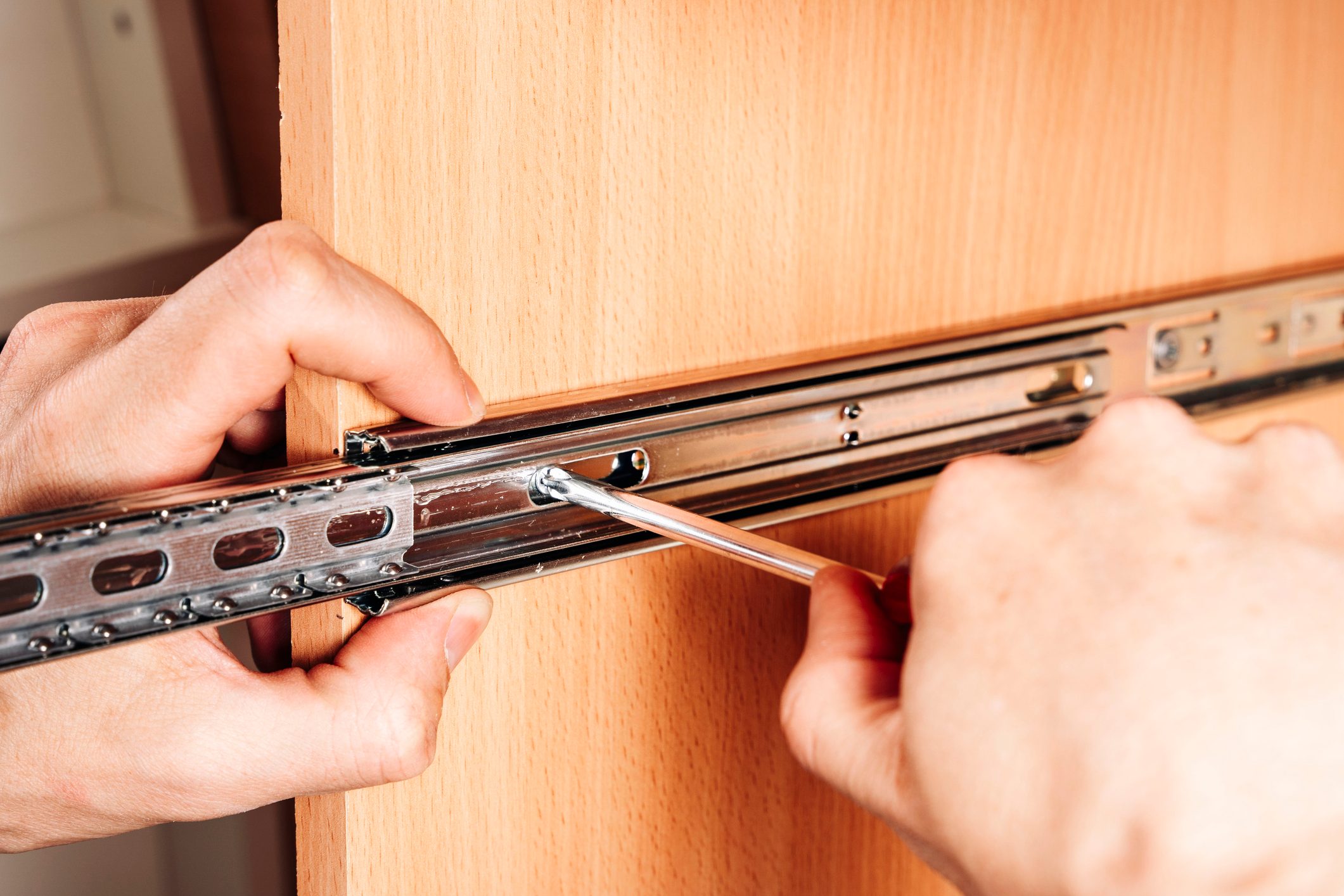
Credit: www.familyhandyman.com
Installation Differences
Drawer slides come in two main types: ball bearing and roller. Understanding their installation differences is key.
Both types serve similar functions, but their installation varies. Let's explore these differences.
Mounting Styles
Mounting styles impact how you install drawer slides. Ball bearing slides often use side mounts. Roller slides can use side or bottom mounts.
- Ball bearing slides: typically side-mounted
- Roller slides: side or bottom-mounted
Tools And Skills Required
Installing drawer slides needs specific tools and skills. Let's identify what's necessary.
| Tools | Skills |
| Screwdriver | Basic measuring |
| Drill | Leveling skills |
| Level | Precision in alignment |
Adjustments And Alignment
Aligning the slides correctly ensures smooth operation. Both types require careful adjustments.
Choosing The Right Slide
Choosing the right drawer slide helps your drawers open smoothly and last long. Two common types are ball bearing and roller slides. Each has features that suit different needs.
This guide covers key points to consider when picking between ball bearing and roller slides. Focus on drawer type, load, space, and budget to find the best fit.
Based On Drawer Type
Drawer slides must match the drawer’s design and use. Ball bearing slides work well with heavy and full-extension drawers. Roller slides suit lighter drawers and partial extension.
Considering Load And Frequency
Think about how much weight the drawer will carry and how often it will open. Ball bearing slides handle heavy loads and frequent use better. Roller slides are fine for light loads and less use.
- Ball bearing slides: support 75-100 lbs or more
- Roller slides: support up to 50 lbs
- Ball bearing slides: smooth and quiet for daily use
- Roller slides: may wear faster with heavy use
Space Constraints
Space inside the cabinet affects slide choice. Ball bearing slides need more room but offer full extension. Roller slides take less space but limit drawer opening.
| Slide Type | Space Needed | Extension |
| Ball Bearing | More clearance | Full extension |
| Roller | Less clearance | Partial extension |
Budget Considerations
Cost affects your choice. Ball bearing slides cost more but last longer. Roller slides are cheaper but may need replacement sooner. Balance price with durability and needs.
Budget tips:
- Choose ball bearing for long-term value.
- Pick roller slides for tight budgets or light use.
- Consider installation costs as well.
Common Issues And Troubleshooting
Drawer slides, whether ball bearing or roller types, can face common problems over time. These issues affect how smoothly your drawers open and close. Knowing the signs and fixes helps keep your drawers working well.
This guide covers common problems with drawer slides and how to solve them. You will learn about wear, noise, alignment, and easy repair tips.
Wear And Tear Signs
Wear and tear happen naturally on drawer slides. Ball bearing slides may show worn bearings or rust. Roller slides can have flat or damaged rollers. Both types might get scratched or bent metal parts.
Look for these signs to know if your slides need attention:
- Drawer feels hard to open or close
- Visible rust or dirt on the slide
- Loose or wobbly drawer movement
- Metal parts bent or cracked
Noise Problems
Noise is a common issue with both ball bearing and roller slides. Grinding, squeaking, or clicking sounds may appear. Dirt, lack of lubrication, or worn parts cause these noises.
Fix noise problems by cleaning and lubricating the slides regularly. Use a silicone spray or light oil for best results. Avoid heavy grease that can trap dirt.
- Remove dirt and dust with a soft brush
- Apply lubricant to ball bearings or rollers
- Check for worn parts causing noise
- Replace damaged parts if noise stays
Alignment Issues
Misaligned slides cause drawers to stick or not close fully. Ball bearing slides need precise alignment for smooth motion. Roller slides may slip if not aligned well.
Check alignment by removing the drawer and inspecting the slides. Adjust screws or brackets to fix alignment problems. Make sure slides are level and parallel.
- Inspect slide mounting points for looseness
- Tighten loose screws or replace missing ones
- Use a level tool to check slide position
- Adjust brackets to align slides evenly
Repair Tips
Simple repairs can extend the life of your drawer slides. Clean slides often and avoid overloading drawers. Replace worn rollers or bearings when needed.
Follow these tips to keep slides working well:
- Clean slides with a dry cloth regularly
- Lubricate slides every few months
- Replace bent or broken parts quickly
- Check drawer weight limits to avoid damage

Credit: insights.made-in-china.com
Frequently Asked Questions
What Are The Main Differences Between Ball Bearing And Roller Slides?
Ball bearing slides use steel balls for smooth motion, offering quiet, durable performance. Roller slides use plastic or metal rollers, providing less smooth movement but at a lower cost. Ball bearing slides support heavier loads and last longer than roller slides.
Which Drawer Slide Type Is Better For Heavy Drawers?
Ball bearing slides are better for heavy drawers. They support more weight, glide smoothly, and resist wear. Roller slides suit lighter loads and less frequent use. For durability and strength, ball bearing slides are the preferred choice.
Are Ball Bearing Drawer Slides Quieter Than Roller Slides?
Yes, ball bearing slides are generally quieter than roller slides. The steel balls reduce friction and noise during movement. Roller slides can produce more sound due to rollers rolling on metal tracks. Ball bearing slides offer a smoother, quieter drawer operation.
Can Roller Slides Handle Kitchen Cabinet Drawers Effectively?
Roller slides can handle kitchen cabinet drawers but are best for light to medium loads. They are affordable and easy to install but may wear out faster. For heavy or frequently used kitchen drawers, ball bearing slides provide better durability and smoothness.
Conclusion
Choosing between ball bearing and roller drawer slides depends on your needs. Ball bearing slides offer smooth, quiet movement and can hold heavy loads. Roller slides are simpler, cost less, and work well for light use. Both types fit most drawers but differ in durability and price.
Think about how often you use the drawer and the weight it will carry. This helps you pick the best slide type. Making the right choice ensures your drawers open easily and last longer. Simple, smart, and suited to your space.

