


Are you ready to transform your living space with furniture that reflects your style and creativity? Do It Yourself furniture projects give you the power to build unique pieces without breaking the bank.
Imagine the satisfaction of crafting something with your own hands—furniture that’s not only functional but also a true conversation starter. You’ll discover simple, step-by-step ideas that anyone can try, whether you’re a complete beginner or looking to sharpen your skills.
Get ready to unlock your potential and bring your dream furniture to life!
Benefits Of Diy Furniture
DIY furniture projects offer many benefits beyond just creating a new piece. They bring value to your home and personal growth. Crafting your own furniture saves money, allows unique designs, and teaches useful skills. Let’s explore these benefits in detail.
Cost Savings
Building furniture yourself cuts down on high store prices. You control the budget and choose affordable materials. Avoiding middlemen and brand costs means more savings. Small mistakes only cost material, not a full purchase. Repair or update old furniture without spending a lot.
Customization Options
DIY furniture lets you design exactly what you want. Choose size, color, and style to match your space. Make pieces that fit awkward corners or small rooms. Add personal touches like carvings or paint. Express your taste with unique, one-of-a-kind furniture.
Skill Development
Working on DIY furniture builds practical skills. Learn measuring, cutting, and assembling techniques. Improve problem-solving as you plan and fix mistakes. Gain confidence using tools safely and effectively. These skills help in other projects and daily life.
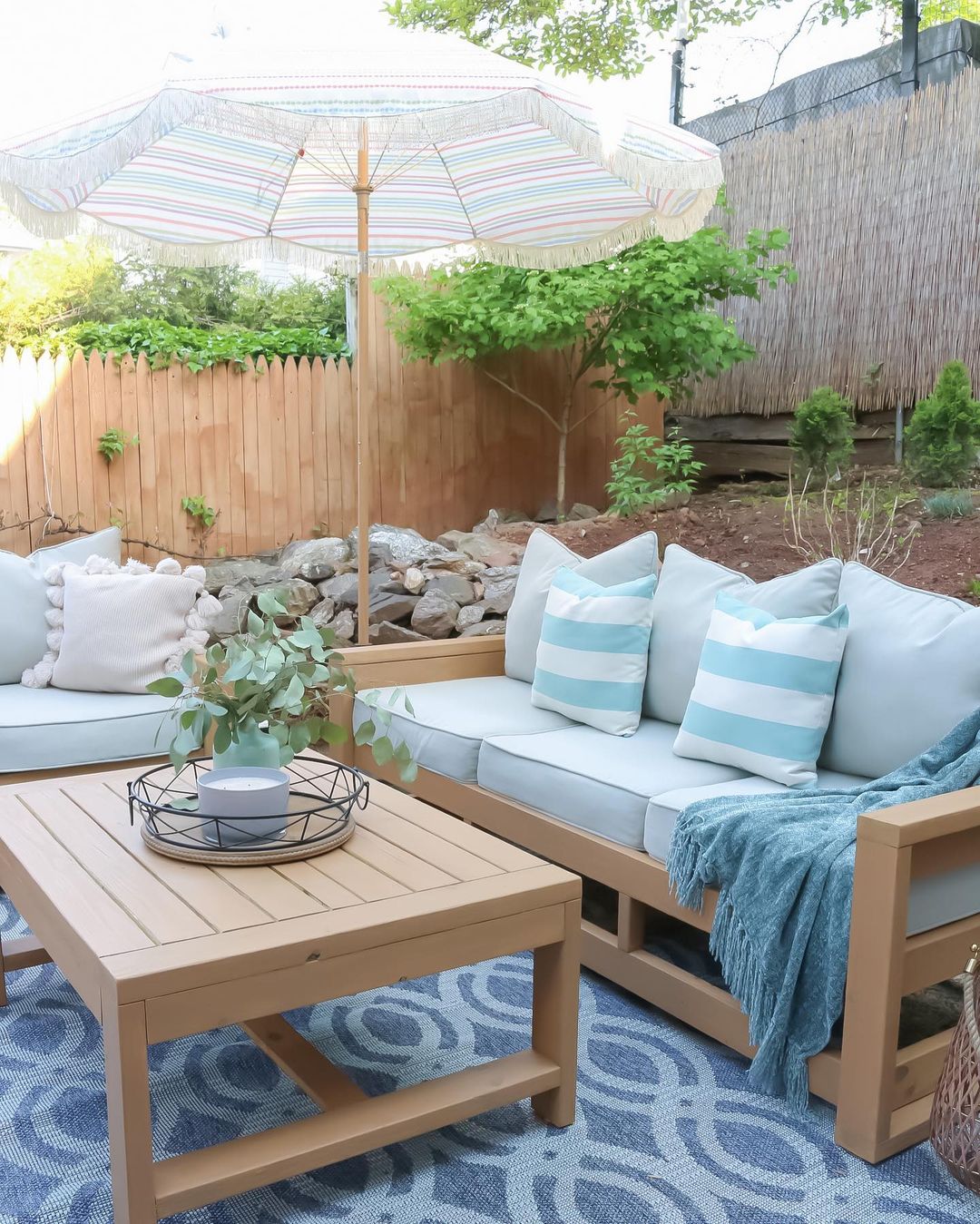
Credit: www.extraspace.com
Essential Tools And Materials
Starting your own DIY furniture project means gathering the right tools and materials first. The quality of your tools and the choice of wood and finishes can make or break your project. Understanding what you need helps you work smarter and avoid frustration.
Basic Tools For Beginners
You don’t need a full workshop to start building furniture. A few essential tools can get you far and save you money. Here’s a list to keep handy:
- Measuring tape:Accuracy is key. Measure twice, cut once.
- Hand saw or circular saw:Choose based on your comfort and project size.
- Hammer and nails:Simple but effective for quick fixes.
- Screwdriver (manual or electric):Screws hold better than nails for furniture.
- Clamps:These hold pieces steady while you work.
- Sandpaper or electric sander:Smooth surfaces make your furniture look professional.
Have you noticed how having the right tool makes the task easier and faster? Investing in these basics will boost your confidence and results.
Choosing The Right Wood
Wood choice depends on the furniture type and your budget. Softwoods like pine are affordable and easy to work with. They’re great for beginners.
Hardwoods such as oak, maple, or walnut offer durability and a beautiful finish but require more effort to cut and sand. Think about the final look and use of your piece before buying.
Don’t overlook plywood—it’s stable and perfect for shelves or cabinets. Ask yourself: Will the wood hold up to daily use? Matching wood type to your project ensures strength and longevity.
Finishes And Hardware
Finishing touches transform your project from raw wood to a polished piece. Choose finishes like paint, stain, or varnish based on the style you want and the wood you selected.
Hardware such as handles, hinges, and drawer slides should complement both function and design. Simple knobs can add charm, while soft-close hinges improve usability.
Think about how your furniture will be used and where it will sit. Would a matte finish suit a rustic look, or is a glossy finish better for a modern vibe? These details make your furniture uniquely yours.
Simple Projects For Beginners
Starting with simple DIY furniture projects helps build confidence and skills. These projects need few tools and basic materials. They fit well into small spaces and budgets. Each project offers a chance to learn woodworking and design basics.
Choose projects that finish quickly and look good. This way, you stay motivated and proud of your work. Here are some easy projects perfect for beginners.
Building A Bookshelf
A bookshelf is a great first project. It needs only wood, nails, and paint or stain. Cut wood to size, assemble with nails or screws, and finish with paint. Adjust the size to fit your space. Use simple designs like a box shape with shelves.
- Choose lightweight wood like pine
- Sand edges for smoothness
- Use a level for straight shelves
- Paint or stain to protect the wood
Creating A Coffee Table
A coffee table adds style and function to any room. Use a wooden top and sturdy legs. Keep the design simple with a square or round top. Attach legs with screws for stability. Finish with a clear coat or paint to match your decor.
- Use solid wood or plywood for the top
- Choose metal or wooden legs
- Sand and smooth all surfaces
- Protect with varnish or paint
Making Floating Shelves
Floating shelves are trendy and easy to build. They save floor space and create a clean look. Use wood boards and hidden brackets for mounting. Cut boards to the desired length. Attach brackets to the wall securely before placing shelves.
- Pick strong wood like oak or maple
- Use a stud finder for mounting
- Level shelves carefully
- Paint or stain to match your room
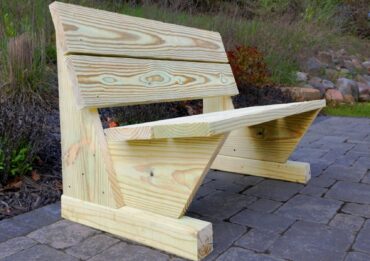
Credit: rogueengineer.com
Advanced Diy Furniture Ideas
Advanced DIY furniture projects offer a rewarding challenge for enthusiasts. These projects require skill and creativity. They can transform any space with unique, custom pieces. Tackling advanced projects gives you a sense of accomplishment. It also saves money and adds personal flair to your home. Below, explore some exciting advanced DIY furniture ideas.
Crafting A Dining Table
Building a dining table requires precision and patience. Start by selecting quality wood. Oak or walnut are great choices. Measure your space to determine the table size. Cut the wood to match your measurements. Ensure all pieces are sanded smooth. Assemble the tabletop by connecting the planks. Use wood glue and clamps to secure them. Once dry, attach the legs. Ensure they are sturdy and level. Finish with a stain or paint to protect the wood. This adds a polished look.
Designing A Storage Bench
A storage bench is both functional and stylish. Begin with a sturdy frame. Use thick wood for durability. Measure the space where the bench will go. Cut wood for the seat, sides, and bottom. Assemble the frame using screws and wood glue. Add a hinged seat for easy access to storage. Consider adding a cushion for comfort. Paint or stain the bench to match your decor. This project adds seating and storage in one.
Constructing A Bed Frame
Building a bed frame is a rewarding project. Choose strong wood, like pine or maple. Measure your mattress for accurate dimensions. Cut wood for the headboard, footboard, and side rails. Assemble the headboard first. Secure the side rails to the headboard and footboard. Ensure all joints are tight and secure. Add slats to support the mattress. Stain or paint the frame to suit your style. This project results in a durable, custom bed frame.
Tips For A Successful Diy Project
Starting a DIY furniture project brings excitement and creativity. Success depends on careful preparation and attention to detail. Following a few simple tips can make the process smooth and enjoyable. These tips help avoid mistakes and create beautiful, lasting pieces.
Planning And Measuring
Good planning saves time and materials. Begin by deciding the design and size of your furniture. Measure your space carefully to ensure a perfect fit. Draw a simple sketch with exact dimensions. Double-check measurements before cutting any wood or materials. Clear planning helps avoid costly errors.
Safety Precautions
Safety should always come first. Wear protective gear like gloves and safety glasses. Use tools correctly and follow instructions. Keep your workspace clean and organized to prevent accidents. Work in a well-lit area to see clearly. Take breaks to stay focused and alert.
Finishing Touches
Finishing gives your project a polished look. Sand surfaces smoothly to remove rough edges. Choose paint or stain that fits your style and wood type. Apply finishes evenly and allow proper drying time. Add hardware like knobs or handles carefully. These details make your furniture stand out beautifully.

Credit: www.ana-white.com
Inspiration And Resources
Finding the right inspiration and resources can make all the difference in your DIY furniture projects. It sparks creativity and helps you avoid common mistakes. The good news is, there are plenty of ways to gather ideas and learn new skills.
Online Tutorials And Videos
Videos show you every step clearly. Watching someone build a piece of furniture can boost your confidence and help you understand tricky parts.
YouTube channels like “Woodworking for Mere Mortals” and “DIY Creators” offer detailed tutorials for beginners and pros alike. You can pause, rewind, and follow along at your own pace.
Have you ever tried copying a project just by watching a video? It’s a great way to test your skills without pressure.
Community Workshops
Local workshops provide hands-on experience and access to tools you might not have at home. Plus, you can ask questions and get immediate feedback.
Many cities offer free or low-cost classes through community centers or makerspaces. Meeting other DIY enthusiasts can also inspire new project ideas.
Imagine building your own coffee table surrounded by people who share your passion. Wouldn’t that make the process more enjoyable?
Diy Furniture Blogs
Blogs are treasure troves of tips, plans, and stories from people who’ve done it before. They often include photo guides, material lists, and cost breakdowns.
Sites like “Ana White” and “Shanty 2 Chic” provide step-by-step instructions that simplify complex projects. Reading about others’ successes and challenges helps you prepare better.
What’s stopping you from trying a project that’s been tested and perfected by someone else? Blogs might just be the push you need.
Frequently Asked Questions
What Tools Are Essential For Diy Furniture Projects?
Basic tools include a saw, drill, measuring tape, screwdriver, and sander. These tools help with cutting, assembling, and finishing furniture accurately and efficiently.
How Do I Choose Materials For Diy Furniture?
Select materials based on durability, style, and budget. Common choices are wood, plywood, MDF, and metal, each offering unique benefits for different projects.
What Safety Tips Should I Follow In Diy Furniture Making?
Wear protective gear like gloves and goggles. Work in a well-ventilated area, use tools properly, and keep your workspace organized to avoid accidents.
Can Beginners Complete Diy Furniture Projects Easily?
Yes, beginners can start with simple designs. Following step-by-step guides and practicing basic skills helps build confidence and ensures successful outcomes.
Conclusion
DIY furniture projects offer a fun way to personalize your space. You learn new skills while saving money. Small steps lead to great results. Each piece you build tells your story. Don’t worry about mistakes; they help you improve. Start simple and enjoy the process.
Creating furniture yourself brings pride and joy. Try a project today and see the difference. Your home becomes unique, just like you.

