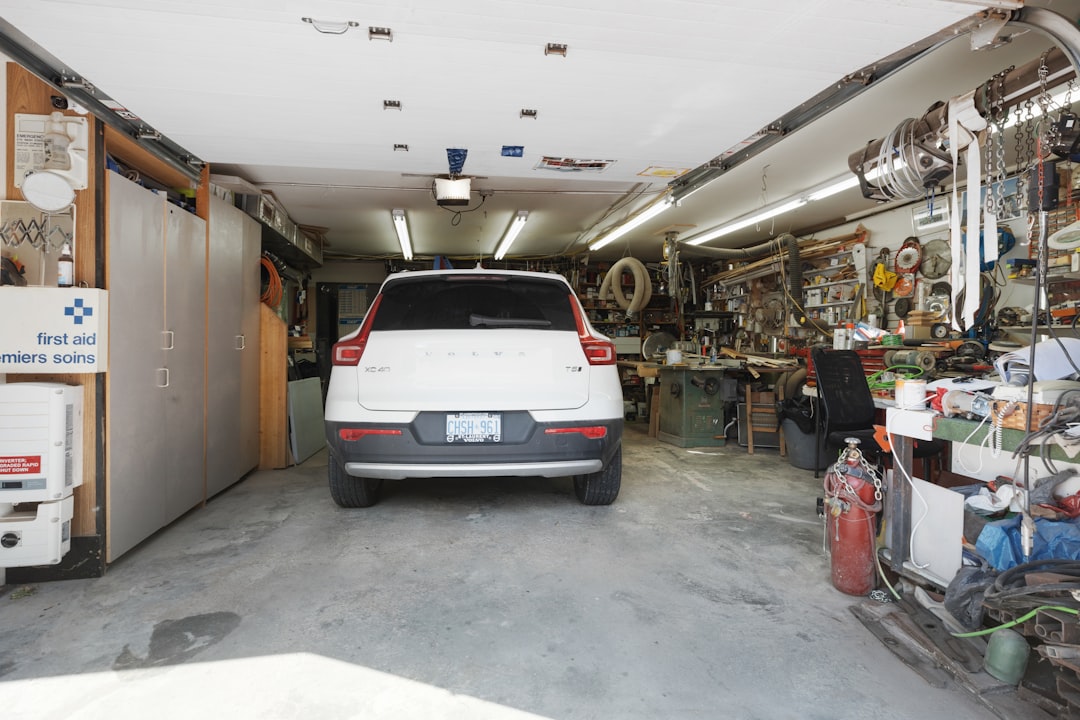


Are you tired of looking at that dull, cracked garage floor? Imagine turning it into a shiny, durable surface that not only looks great but also protects your floor for years.
With DIY garage floor epoxy, you can achieve this transformation without spending a fortune or hiring professionals. You'll discover simple steps and insider tips to help you get a flawless finish that will make your garage the envy of your neighborhood.
Ready to upgrade your space and add value to your home? Let’s dive in and make your garage floor something you’ll be proud of.
Benefits Of Epoxy Flooring
Epoxy flooring offers more than just a fresh look for your garage—it transforms the space into a durable, easy-to-maintain, and visually appealing area. If you’ve ever struggled with stains, cracks, or a dull concrete floor, epoxy provides a practical solution that stands up to daily wear and tear. Let’s dive into the key benefits that make epoxy flooring a smart choice for your garage.
Durability That Withstands Heavy Use
Epoxy coatings create a tough, resilient surface that resists scratches, impacts, and abrasions. This means your garage floor can handle heavy tools, vehicles, and foot traffic without showing damage. I once spilled a heavy wrench, and instead of leaving a dent, the epoxy floor barely showed a mark.
Easy To Clean And Maintain
Unlike bare concrete, epoxy floors resist stains from oil, grease, and chemicals. You can simply wipe spills away without worrying about permanent marks. This ease of cleaning saves time and keeps your garage looking fresh with minimal effort.
Enhanced Safety With Slip Resistance
Many epoxy products can be mixed with additives to improve traction, reducing slip hazards. This is especially important if your garage tends to get wet or oily. Have you noticed how slippery some concrete floors get after rain? Epoxy can help prevent those dangerous slips.
Improved Aesthetic Appeal
Epoxy comes in a variety of colors and finishes, allowing you to customize your garage floor to match your style. Whether you want a glossy, professional look or a subtle matte finish, epoxy can deliver. A friend of mine transformed his garage into a showroom with just a coat of epoxy paint.
Cost-effective Long-term Investment
While epoxy flooring requires an upfront investment, it extends the life of your garage floor and reduces repair costs. It protects against cracks and moisture damage, saving you money down the road. Wouldn’t you prefer spending less on repairs and more on what you love?
Choosing The Right Epoxy Kit
Choosing the right epoxy kit for your garage floor can make all the difference between a durable, attractive finish and a frustrating project. The market offers many options, each with unique features and requirements. Understanding what suits your needs will save time, money, and effort.
Consider The Surface Preparation Required
Some epoxy kits demand extensive surface preparation like grinding or acid etching. Others are more forgiving and work well on properly cleaned and slightly roughened concrete. Ask yourself how much prep work you’re willing to do—this impacts both your time and the final result.
I once picked a high-grade epoxy without realizing it needed concrete grinding. The extra prep doubled my project time, so knowing this upfront can help you avoid surprises.
Evaluate The Kit’s Durability And Finish
Look for epoxy kits that offer clear information about abrasion resistance and chemical protection. Garage floors face oil spills, heavy foot traffic, and sometimes harsh weather. Choose a kit designed to handle these conditions so your floor stays looking good longer.
Think about whether you want a glossy, matte, or satin finish. Some kits include decorative flakes or anti-slip additives—features that might be important depending on your garage’s use.
Check The Coverage And Application Time
Epoxy kits vary widely in how much area they cover per gallon and how long you have to apply them before they start curing. If your garage is large, a kit with better coverage can save money. If you’re new to epoxy, look for kits with longer working times, giving you more flexibility during application.
Consider your schedule too. Some kits dry fast but require you to work quickly, while others let you take your time but need longer curing periods before use.
Read User Reviews And Product Ratings
Real user feedback reveals practical insights that product descriptions don’t. Look for reviews mentioning ease of application, durability after months or years, and any unexpected issues.
Pay attention to comments from people with similar garage conditions as yours. This can guide you toward a product that matches your specific situation.
Balance Cost With Quality
Cheaper kits might seem tempting but can lack durability or require multiple coats. Investing a bit more upfront usually pays off with less maintenance and better appearance.
Calculate the total cost including surface prep, additional supplies, and possible reapplications. This helps you choose a kit that fits your budget without compromising quality.
Preparing Your Garage Floor
Preparing your garage floor is a crucial step before applying epoxy. Skipping or rushing this part can lead to poor adhesion, bubbling, or peeling later on. Taking time to properly prepare the surface ensures your DIY epoxy job lasts and looks professional.
Cleaning And Degreasing
Start by removing all items and sweeping the floor to clear dust and debris. Next, scrub the floor with a strong degreaser or a mixture of trisodium phosphate (TSP) and water. Grease and oil spots can prevent epoxy from sticking, so use a stiff brush to target these areas well.
Rinse thoroughly and let the floor dry completely. If you miss any oily patches, the epoxy won’t bond properly, causing peeling down the line. Have you ever painted over a greasy surface and seen the paint bubble? Avoid that frustration here.
Repairing Cracks And Imperfections
Inspect your floor for cracks, chips, or holes. Use an epoxy patch or concrete filler to repair these imperfections. Smooth the surface with a putty knife and allow it to cure fully before moving forward.
This step improves both the look and durability of the finished floor. Small cracks might seem harmless now, but they can expand and cause the epoxy to crack. Do you want your floor to look flawless or show every flaw?
Testing For Moisture
Moisture under your concrete can ruin an epoxy coating. Tape a 2-foot square of clear plastic to the floor and leave it for 24 hours. If you see condensation or dark spots under the plastic, moisture is present.
In that case, you’ll need to address the moisture problem before applying epoxy. Moisture barriers or specialized epoxy formulas might be necessary. Would you rather deal with moisture issues now or fix peeling epoxy later?
Tools And Materials Checklist
Preparing your garage floor with epoxy needs the right tools and materials. Having everything ready saves time and avoids mistakes. This checklist covers all essentials. It helps you work smoothly and get strong, lasting results.
Surface Preparation Tools
- Concrete grinder or floor sander
- Wire brush or stiff-bristle broom
- Shop vacuum for dust removal
- Concrete patch or filler
- Mop and bucket
- Degreaser or concrete cleaner
Epoxy Application Supplies
- Epoxy resin and hardener kit
- Measuring containers for mixing
- Mixing drill with paddle attachment
- Roller frame with extension handle
- 3/8-inch or 1/4-inch roller covers
- Paintbrush for edges and corners
- Mixing stick or spatula
Safety Equipment
- Rubber gloves to protect hands
- Safety goggles or glasses
- Respirator mask for fumes
- Old clothes or protective coveralls
- Ventilation fans for fresh air
Steps To Apply Epoxy Coating
Applying an epoxy coating to your garage floor transforms the space with a durable, glossy finish. The process requires careful preparation and precise steps for the best results. Each stage builds on the last to ensure strong adhesion and a smooth surface.
Follow the clear steps below to apply your epoxy coating like a pro. Patience and attention to detail make all the difference.
Priming The Surface
Start by cleaning the floor thoroughly. Remove all dirt, grease, and stains. Repair any cracks or holes with a concrete patch. Once dry, apply a primer to seal the concrete. This helps the epoxy stick better and last longer.
Mixing The Epoxy
Carefully mix the epoxy resin and hardener according to the package instructions. Use a clean container and stir gently to avoid bubbles. Mixing well is crucial for a strong, even coating.
Applying The Base Coat
Pour the mixed epoxy onto the floor in small sections. Spread it evenly using a roller with a long handle. Work quickly but carefully to cover the entire surface. Avoid puddles or thick areas.
Adding Decorative Flakes
While the base coat is still wet, sprinkle decorative flakes evenly across the floor. These flakes add texture and style. Use a broadcast method for a natural look. Let the flakes settle before moving on.
Finishing With A Top Coat
Once the base coat and flakes dry, apply a clear top coat. This layer protects the epoxy and adds shine. Use a roller to spread the top coat smoothly. Allow it to cure fully before using the garage.
Tips For Professional Results
Getting a professional-looking finish on your DIY garage floor epoxy project is easier than you might think. Small details can make a big difference in how durable and attractive your floor turns out. Paying attention to preparation and application will save you time and frustration.
Prepare The Surface Thoroughly
Cleaning the floor is not just about sweeping dust away. You need to remove grease, oil stains, and any loose concrete particles. Use a degreaser and a stiff brush to scrub the floor, then rinse well and let it dry completely.
Think about the last time you tried painting over a dirty surface—did the paint stick? Your epoxy will bond better if the surface is properly prepped.
Use The Right Tools
Having the correct rollers and brushes makes a huge difference in the smoothness of your epoxy coat. A 3/8 inch nap roller is ideal for spreading epoxy evenly without leaving streaks or bubbles.
Don’t skimp on quality tools. Cheap rollers can shed fibers, ruining your finish and forcing you to redo parts of the floor.
Apply Multiple Thin Coats
Applying one thick coat might seem faster, but it often leads to uneven curing and bubbles. Thin coats dry more evenly and reduce the risk of peeling or cracking later.
Ask yourself if a single thick layer really covers all cracks and imperfections. Adding another thin layer might be the difference between a professional and amateur result.
Control The Environment
Temperature and humidity affect how epoxy cures. Aim to work on a dry day with temperatures between 60°F and 80°F (15°C to 27°C).
Too cold or too humid, and the epoxy might not set properly. If you remember a time when paint took forever to dry in a damp room, you’ll understand why environment matters here too.
Allow Proper Curing Time
Rushing the curing process is a common mistake. Even if the floor looks dry, epoxy needs time to harden fully—usually 24 to 72 hours depending on the product.
Walking on it too soon can cause dents and marks. Patience pays off in a floor that lasts for years without damage.
Maintaining Your Epoxy Floor
Maintaining your epoxy garage floor is key to keeping its shine and durability for years. It’s not just about cleaning but also protecting it from everyday wear and tear. Taking care of your floor properly can save you from costly repairs and preserve that fresh epoxy look.
Cleaning Techniques
Start with regular sweeping or vacuuming to remove dirt and grit that can scratch the surface. Use a soft-bristle broom or a dust mop for best results.
For deeper cleaning, mix warm water with a few drops of mild dish soap. Avoid harsh chemicals or acidic cleaners—they can dull the epoxy finish.
If you notice oil stains or tougher spots, try a gentle scrub with a soft sponge and a little baking soda. Rinse thoroughly to avoid residue buildup.
Avoiding Damage
Think about what you place on your epoxy floor. Heavy machinery or sharp tools can cause scratches or chips.
Use protective pads under furniture or equipment to distribute weight evenly. This simple step can prevent indentations and surface damage.
Spills like gasoline, antifreeze, or brake fluid should be cleaned immediately. These substances can weaken the epoxy if left too long.
Have you considered the impact of temperature changes? Extreme cold or heat can cause the floor to expand or contract, leading to cracks. Keeping your garage climate-controlled can help.
Frequently Asked Questions
What Are The Benefits Of Diy Garage Floor Epoxy?
DIY garage floor epoxy offers durability, chemical resistance, and a sleek finish. It protects concrete from stains and damage. Epoxy floors are easy to clean and improve garage aesthetics. Doing it yourself saves money and allows customization to fit your style and needs.
How Long Does Diy Garage Floor Epoxy Last?
Properly applied DIY epoxy floors last 5 to 10 years. Longevity depends on surface prep, epoxy quality, and garage usage. Regular maintenance like cleaning and avoiding harsh chemicals extends life. Heavy traffic or poor application may reduce durability.
What Tools Do I Need For Garage Floor Epoxy?
You need a concrete grinder, broom, vacuum, paint roller, mixing bucket, and protective gear. Surface preparation tools are essential for adhesion. Quality rollers ensure smooth epoxy application. Safety equipment prevents inhalation and skin contact with chemicals.
Can I Apply Epoxy On A Damp Garage Floor?
No, epoxy requires a completely dry surface for proper adhesion. Moisture can cause bubbling and peeling. Always test for moisture using a plastic sheet or moisture meter. Wait for the floor to dry thoroughly before applying epoxy.
Conclusion
Applying epoxy to your garage floor is a smart choice. It makes the floor strong and easy to clean. You can do the job yourself with some patience and care. The right preparation helps the epoxy stick well and last longer.
This project saves money compared to hiring professionals. Plus, it improves the look of your garage. Give yourself time and follow the steps carefully. You will enjoy a fresh, durable floor for years to come. Simple, effective, and worth the effort.