


Are you ready to transform your space without spending a fortune? DIY furniture lets you create pieces that match your style perfectly while giving you the satisfaction of building something with your own hands.
Imagine having unique furniture that tells your story and fits your home like a glove. You’ll discover simple, step-by-step ideas that anyone can follow—even if you’ve never tried DIY before. Get ready to unlock your creativity and make your home truly yours.
Keep reading, and let’s start crafting furniture that speaks to you.

Credit: www.theawesomeorange.com
Benefits Of Diy Furniture
Building your own furniture opens up a world of benefits that go beyond just having a unique piece in your home. It’s about saving money, tailoring designs to fit your space perfectly, and enjoying the satisfaction that comes from creating something with your own hands.
Cost Savings
Buying ready-made furniture often comes with a hefty price tag. When you build your own, you control the budget and choose materials that fit your wallet.
Think about how much you can save by repurposing wood or using affordable supplies. Even simple tools can be rented or borrowed, cutting down costs further.
Have you ever calculated how much you spent on furniture that didn’t quite meet your needs? DIY lets you avoid that unnecessary expense.
Customization Options
DIY furniture gives you full control over size, style, and functionality. You decide every detail, from the type of wood to the paint color and finish.
This means your furniture can perfectly match your room’s dimensions and décor, something that’s hard to find in stores. Want extra shelves or hidden compartments? You can add those too.
What features would make your furniture truly useful for your lifestyle?
Sense Of Accomplishment
There’s a special pride in sitting on a chair or using a table you made yourself. It’s a tangible reminder of your effort and creativity.
Many people find the process calming and rewarding, turning a simple project into a meaningful experience. Even small projects can boost your confidence and skills.
How would it feel to share a story behind your furniture when guests ask about it?
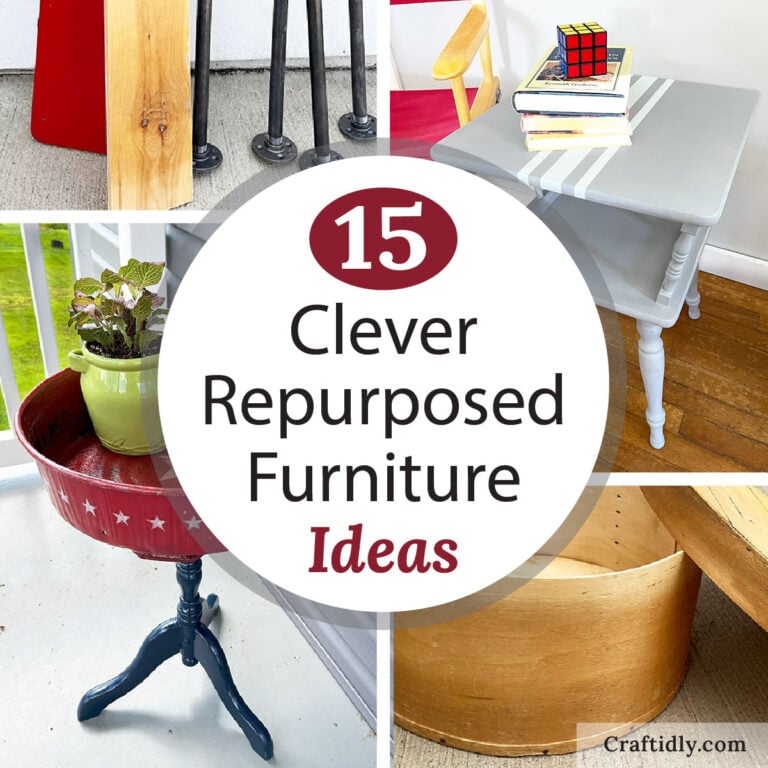
Credit: www.craftidly.com
Essential Tools And Materials
Starting a DIY furniture project means gathering the right tools and materials before you dive in. Having essentials on hand saves you time and frustration. It also helps you work more efficiently and confidently.
Basic Tools For Beginners
You don’t need a full workshop to build simple furniture. A few basic tools will get you far. A reliable tape measure and a pencil are your best friends for accurate cuts and markings.
A cordless drill with drill bits and screwdriver heads speeds up assembly. Don’t forget a handsaw or a jigsaw to cut wood to size. Sandpaper or a sanding block smooths rough edges for a polished look.
Are you ready to invest in tools that grow with your skills? Start small and add more as your projects get complex.
Affordable Materials
Wood is the heart of most DIY furniture. Pine and plywood are budget-friendly and easy to work with. They hold screws well and take paint or stain nicely.
Check out reclaimed wood or pallets for unique character and eco-friendliness. Sometimes, local hardware stores have offcuts or discounted wood pieces perfect for smaller projects.
Think about your furniture’s use and location. Will you need moisture-resistant materials or something extra sturdy? This will help you choose wisely without overspending.
Safety Gear
Safety should never be an afterthought. Protect your eyes with safety goggles whenever you cut or drill. Dust masks keep you from inhaling sawdust, which can be harmful over time.
Wear gloves to avoid splinters, but remove them when working with power tools to prevent accidents. Ear protection is also important if you’re using loud equipment regularly.
Have you prepared your workspace to minimize hazards? A clean area with good lighting makes a big difference in your safety and focus.
Easy Diy Furniture Projects
Easy DIY furniture projects can transform your living space effortlessly. They are fun and allow creativity to shine. You can create stunning pieces without spending much. Let's explore some simple projects that you can start today.
Upcycled Pallet Shelves
Pallets are easy to find and repurpose. With a few tools, turn them into stylish shelves. Sand the wood to smooth rough edges. Apply a coat of paint or stain for a polished look. Secure them to the wall with brackets. Now, you have a unique storage solution.
Simple Wooden Coffee Table
Create a beautiful coffee table with basic materials. Use wooden planks for the top and sturdy legs. Cut the wood to your desired size. Sand the surface for a smooth finish. Attach the legs securely to the tabletop. Add a layer of varnish for protection. Enjoy your new centerpiece.
Diy Storage Bench
A storage bench serves two purposes: seating and storage. Build the frame using wooden boards. Add a hinged lid for easy access. Sand the surfaces to prevent splinters. Paint or stain the wood to match your decor. Place cushions on top for added comfort. It's perfect for entryways or living rooms.
Painting And Finishing Tips
Painting and finishing your DIY furniture can completely transform its look and feel. The right approach not only enhances beauty but also protects your piece for years. Let’s dive into some practical tips that can help you nail the perfect finish.
Choosing The Right Paint
Pick paint based on the furniture’s material and intended use. Latex paint works well for most wood furniture because it’s easy to clean and dries quickly. If your piece will face heavy wear, consider oil-based paint for extra durability.
Think about the finish too: matte hides imperfections, while gloss offers a shiny, modern look. Don’t forget to test your color on a small hidden area first. Have you ever been surprised by how different a color looks once dry?
Sanding And Priming
Sanding is key to a smooth surface. Use medium-grit sandpaper to remove old paint or rough spots, then finish with fine-grit for a silky touch. Always sand in the direction of the wood grain to avoid scratches.
Priming seals the surface and improves paint adhesion. It also prevents stains and knots from bleeding through. If you skip this step, your beautiful paint job might peel or discolor faster than you expect.
Creative Finishing Ideas
Beyond basic paint, try adding texture with techniques like sponging or rag rolling. You can also use stencils to create patterns or personalized designs. How about mixing two colors for a subtle ombre effect?
Consider protective topcoats like wax, varnish, or polyurethane to add shine and durability. Each gives a different feel, so pick one that suits your style and use. What finishing touch will make your furniture truly yours?
Maximizing Small Spaces
Living in a small space means every inch counts. Your furniture needs to do more than just look good—it has to work hard for you. Maximizing small spaces with DIY furniture lets you create pieces tailored to your exact needs, making your home feel bigger and more organized.
Multi-functional Furniture
Think about furniture that serves more than one purpose. A coffee table that lifts to become a desk or a sofa that pulls out into a bed can save you tons of space.
I once built a bench with storage underneath and a fold-out table on the side. It became my go-to spot for relaxing and working without cluttering the room.
What tasks do you need your furniture to handle? Designing with multiple functions in mind lets you get the most out of your limited space.
Compact Designs
Choosing smaller, sleeker furniture helps open up your living area. Slim chairs, narrow tables, and foldable pieces keep things light and flexible.
A compact desk tucked into a corner or a wall-mounted drop-leaf table can make your room feel less crowded while still functional.
Can you imagine your space with fewer bulky items? DIY compact furniture gives you the freedom to customize size and style exactly to your space.
Storage Solutions
Storage is often the biggest challenge in small homes. DIY furniture with built-in storage can hide clutter and keep essentials close at hand.
Try adding drawers under beds or creating ottomans that open up for extra storage. Shelves with hooks or cubbies can also maximize vertical space.
What clutter do you struggle with daily? Building smart storage into your furniture can transform how you organize and use your space.
Common Mistakes To Avoid
Building your own furniture can be rewarding, but certain mistakes can turn your project into a frustrating experience. Avoiding common pitfalls will save you time, money, and stress. Let's look at key errors that many DIYers make and how you can steer clear of them.
Poor Measurements
Measuring inaccurately is one of the most frequent and costly errors in DIY furniture projects. Even a small mistake can cause pieces not to fit together properly or the final product to be unstable.
Double-check all dimensions before cutting. Use a reliable tape measure and mark clearly with a sharp pencil. Have you ever cut a board only to realize it was an inch too short? That frustration is avoidable with careful measuring.
Skipping Safety Steps
Safety can be tempting to overlook, especially when you feel confident with tools. But neglecting safety gear or proper handling can lead to serious injuries.
Always wear protective glasses, gloves, and a dust mask. Keep your workspace clean to avoid slips or trips. Think about how a quick safety check could prevent an accident and keep your project on track.
Using The Wrong Materials
Choosing inappropriate materials can affect both the look and durability of your furniture. Using softwood for heavy-use surfaces or cheap fasteners can lead to damage over time.
Match your wood type and hardware to your project’s needs. For example, hardwoods like oak or maple work better for tables, while plywood might suit shelves. Ask yourself: will this material stand up to daily use?
Inspiring Diy Furniture Ideas
DIY furniture offers endless possibilities to express creativity and personalize living spaces. Crafting your own pieces can be both fun and rewarding. It lets you design furniture that fits your style and needs perfectly.
Explore inspiring ideas that suit different tastes and skills. From sleek modern looks to charming rustic styles, there is something for everyone. Creative upcycling projects also bring old items back to life with fresh designs.
Modern Minimalist Pieces
Minimalist furniture focuses on clean lines and simple shapes. It uses neutral colors and natural materials like wood and metal. This style fits well in small spaces and bright rooms.
- Floating shelves with hidden brackets
- Simple platform beds with storage underneath
- Compact coffee tables with sleek surfaces
These pieces keep spaces uncluttered and airy. They are easy to build and customize with basic tools.
Rustic And Vintage Styles
Rustic furniture brings warmth and charm to any room. It often features distressed wood, rough textures, and earthy tones. Vintage styles add character with antique finishes and retro designs.
- Reclaimed wood dining tables with natural edges
- Old crates turned into storage benches
- Vintage suitcases stacked as side tables
These styles create cozy, inviting atmospheres. They work well in country homes and eclectic interiors.
Creative Upcycling Projects
Upcycling turns old or unused items into functional furniture. It saves money and reduces waste. This approach encourages innovation and personal style.
- Turning wooden pallets into garden benches
- Converting ladders into bookshelves
- Using wine crates for modular storage
Upcycled furniture often becomes a conversation piece. It offers unique designs that mass-produced items cannot match.
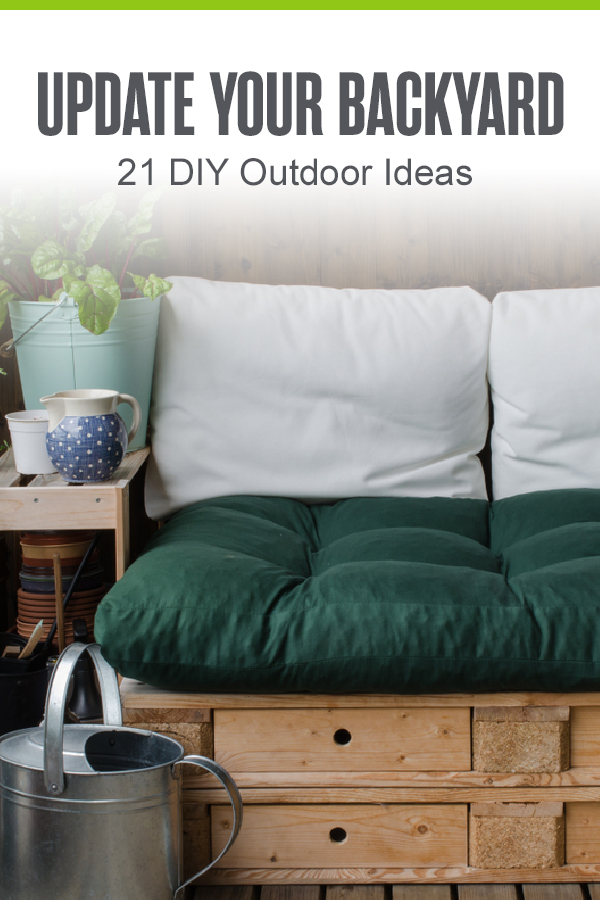
Credit: www.extraspace.com
Frequently Asked Questions
What Tools Do I Need For Diy Furniture Projects?
Basic tools include a hammer, screwdriver, saw, measuring tape, and drill. These are essential for most DIY furniture tasks. Investing in quality tools improves project accuracy and safety. Additional tools depend on the complexity of your project.
How Can I Choose The Right Wood For Diy Furniture?
Select wood based on durability, appearance, and project type. Pine is affordable and easy to work with. Hardwood like oak offers strength and longevity. Consider budget and finish preferences for the best results.
How Long Does A Typical Diy Furniture Project Take?
Project time varies by complexity and skill level. Simple shelves may take a few hours, while chairs or tables can take days. Planning and preparation reduce time and improve outcomes. Start with small projects to build experience.
What Are The Best Finishes For Homemade Furniture?
Popular finishes include paint, stain, varnish, and wax. Paint offers color variety and protection. Stain enhances natural wood grain. Varnish adds durability and shine. Choose finishes based on furniture use and desired look.
Conclusion
DIY furniture brings creativity and savings together. Building your own pieces adds a personal touch. It also helps you learn new skills step by step. Simple tools and materials are often enough to start. Small projects can brighten your space and boost confidence.
Try different designs and colors to fit your style. Enjoy the process as much as the final product. DIY furniture turns ideas into useful, beautiful items. Keep experimenting and have fun creating unique home decor.

