Are you tired of your pictures, shelves, or decorations falling off the wall? Choosing the right anchor can make all the difference in keeping your items secure.
But with so many types of wall anchors available, how do you know which one is best for your project? You’ll discover the different types of anchors for walls, learn how each works, and find out which one suits your needs perfectly.
Keep reading to make your next wall project easy, strong, and stress-free.
Common Wall Anchor Types
Wall anchors help secure objects to walls safely. They hold screws in drywall, plaster, or masonry.
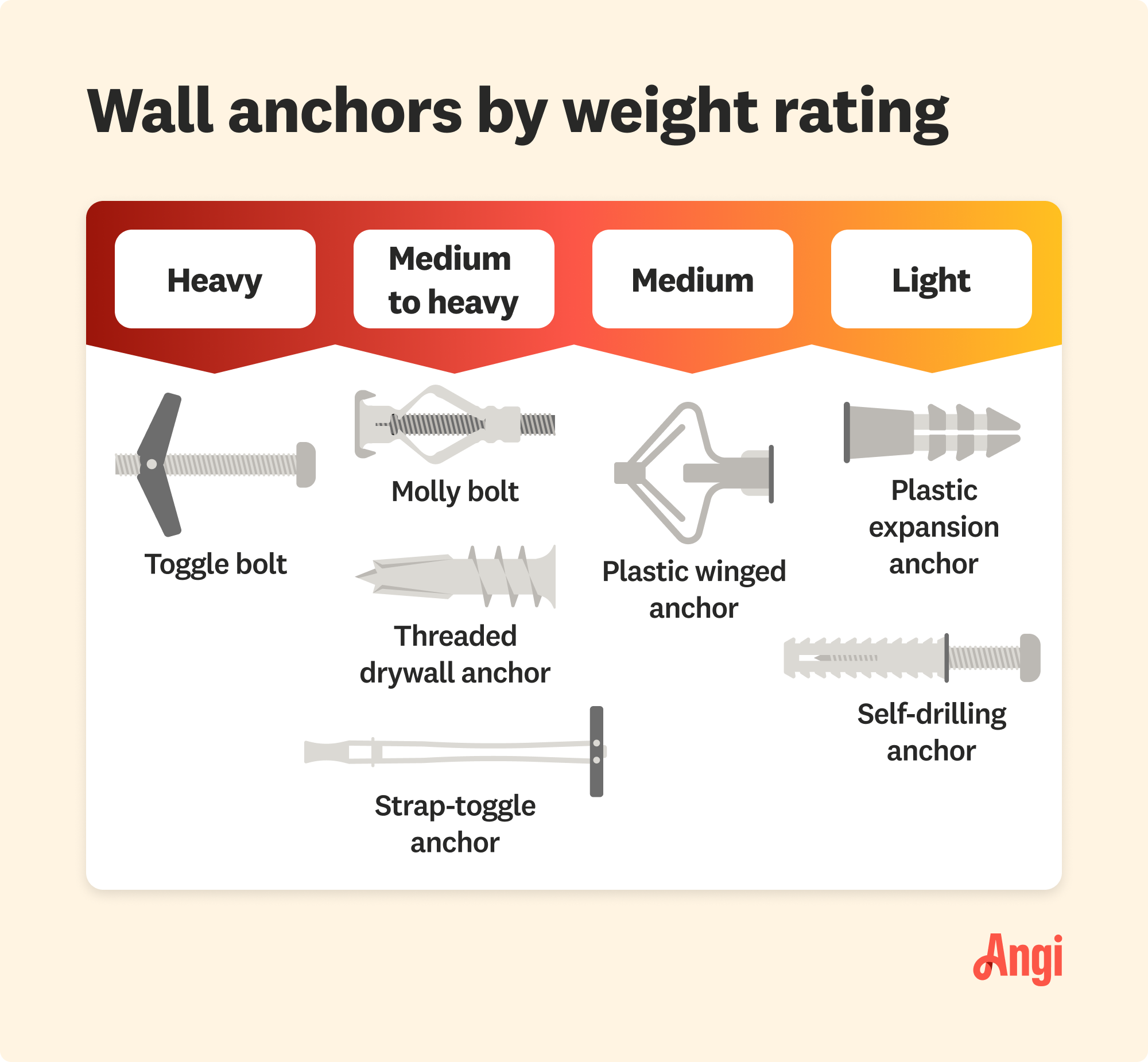
Choosing the right anchor depends on the wall type and the object's weight. Here are common types of wall anchors.
Plastic Expansion Anchors
Plastic expansion anchors are simple and cheap. They work well in drywall and light materials.
When you insert a screw, the anchor expands inside the wall. This holds the screw tightly in place.
Toggle Bolts
Toggle bolts have wings that open behind the wall. They provide strong support in hollow walls.
Insert the bolt with closed wings, then tighten the screw. The wings spread and hold the anchor firmly.
Molly Bolts
Molly bolts are metal anchors that expand inside the wall. They work well in drywall and plaster.
When you tighten the screw, the anchor legs open and grip the wall from behind. This gives strong support.
Winged Plastic Anchors
Winged plastic anchors have flexible wings that open inside the wall. They are good for hollow walls.
The wings spread when you push or screw in the anchor. This prevents it from pulling out easily.
Threaded Drywall Anchors
Threaded drywall anchors screw directly into drywall without a drill. They are easy to install.
After screwing in the anchor, insert the screw. The threads hold firmly and provide strong grip.

Credit: www.yahoo.com
Anchors For Drywall
Drywall anchors are essential for hanging items securely. They prevent damage to the wall and ensure a stable hold.
Choosing the right anchor depends on the weight and type of item you are hanging. Here are some common types of anchors for drywall.
Self-drilling Anchors
Self-drilling anchors are easy to use. They do not require a pre-drilled hole, making them convenient for quick installations.
- Great for lightweight items
- No need for additional tools
- Available in plastic and metal
Metal Anchors
Metal anchors offer robust support. They are ideal for heavier items and provide a strong hold in drywall.
| Anchor Type | Max Load (lbs) |
| Toggle Bolt | 50 |
| Molly Bolt | 45 |
| Expansion Anchor | 30 |
Snaptoggle Anchors
SnapToggle anchors are versatile and easy to use. They work well for both drywall and hollow walls, providing a secure fit.
Installation involves snapping the anchor toggle behind the drywall. This mechanism ensures a tight and stable hold.
Anchors For Concrete And Masonry
Anchors are essential for fastening objects to concrete or masonry walls. They provide a secure hold for fixtures and structures.
Choosing the right anchor depends on the load, wall type, and installation method. Here are common anchors used in concrete and masonry.
Sleeve Anchors
Sleeve anchors expand against the hole walls as you tighten the bolt. They work well in concrete, brick, and block.
- Easy to install with a drilled hole
- Strong holding power for medium loads
- Available in different lengths and diameters
- Can be used indoors and outdoors
Wedge Anchors
Wedge anchors provide very strong support in solid concrete. They work by wedging a metal clip inside the hole as the bolt is tightened.
| Feature | Description |
| Material | Usually stainless steel or zinc-plated steel |
| Installation | Drill hole, insert anchor, tighten nut |
| Best For | Heavy loads and structural applications |
| Limitations | Not suitable for hollow or soft masonry |
Hammer Drive Anchors
Hammer drive anchors are quick to install. They use a nail driven into a metal sleeve to lock in place inside the hole.
Advantages of Hammer Drive Anchors:
- Fast installation with hammer
- Good for light to medium loads
- Works in concrete and masonry
- Resists vibration and shock

Credit: www.amazon.com
Anchors For Hollow Walls
Hollow walls need special anchors to hold objects securely. Regular screws often fail in these walls.
Anchors for hollow walls spread the load behind the wall. This helps prevent damage and keeps items stable.
Toggle Bolts
Toggle bolts have wings that open inside the wall. The wings hold the bolt firmly against the hollow space.
These bolts work well for heavy items like shelves and TVs. They need a large hole for the wings to pass through.
- Strong hold for heavy loads
- Wings open behind the wall
- Require bigger holes to install
Molly Bolts
Molly bolts are metal anchors with expandable legs. When tightened, the legs open up inside the wall.
They provide a secure grip in hollow walls. Molly bolts are good for medium-weight objects like mirrors or curtain rods.
- Expandable legs for a strong grip
- Good for medium weight items
- Easy to install with a screwdriver
Snap Toggles
Snap toggles use a plastic channel that snaps behind the wall. The bolt then screws into the channel.
These anchors hold heavy loads and install quickly. They do not need big holes like toggle bolts.
- Plastic channel snaps into place
- Holds heavy items securely
- Smaller hole needed for installation
Choosing The Right Anchor
Anchors help hold items on walls securely. Choosing the right anchor is important for safety and strength.
Different anchors work better with different walls and weights. Understanding these helps you pick the best one.
Weight Capacity
Anchors have limits on how much weight they can hold. Use anchors that match or exceed your item’s weight.
Heavy items need stronger anchors. Small anchors are good for light objects like pictures.
- Plastic expansion anchors: light to medium loads
- Molly bolts: medium loads
- Toggle bolts: heavy loads
Wall Material
Wall types affect which anchors work best. Different materials need different anchors for a secure hold.
Drywall, concrete, brick, and plaster require specific anchors designed for their surface and strength.
- Drywall: plastic anchors, molly bolts, toggle bolts
- Concrete or brick: sleeve anchors, wedge anchors
- Plaster: hollow wall anchors or toggle bolts
Installation Ease
Some anchors are easier to install than others. Choose anchors that match your skill level and tools.
Plastic anchors are simple to install. Toggle bolts may need more tools and effort.
- Plastic anchors: drill hole, insert anchor, screw in
- Molly bolts: drill hole, insert, tighten to expand
- Toggle bolts: drill hole, insert folded toggle, tighten
Installation Tips
Using the right anchors for walls helps hold items safely. Proper installation is key for strong support.
Follow these tips to install anchors correctly and avoid damage or weak fixing.
Drilling Correct Hole Size
Drill holes that match the anchor size exactly. A hole too big or small weakens the hold.
Check the anchor package for the recommended drill bit size. Use that size for best results.
- Measure drill bit size before drilling
- Use a drill guide if available
- Do not force a larger drill bit
- Clean out dust from the hole after drilling
Using Proper Tools
Use the right tools to install anchors safely and quickly. This ensures the anchor fits well.
Common tools include a drill, screwdriver, hammer, and pliers depending on the anchor type.
- Use a drill with the correct bit size
- Choose a screwdriver that fits anchor screws
- Use a hammer to tap anchors gently
- Use pliers to hold small anchors if needed
Ensuring Secure Fit
Check that the anchor sits firmly in the wall before attaching anything heavy.
Push or tap the anchor gently to make sure it does not move. Tighten screws slowly and evenly.
- Insert the anchor fully into the hole
- Tighten screws without overdoing it
- Test the anchor by applying light pressure
- Replace anchors if they feel loose
Common Mistakes To Avoid
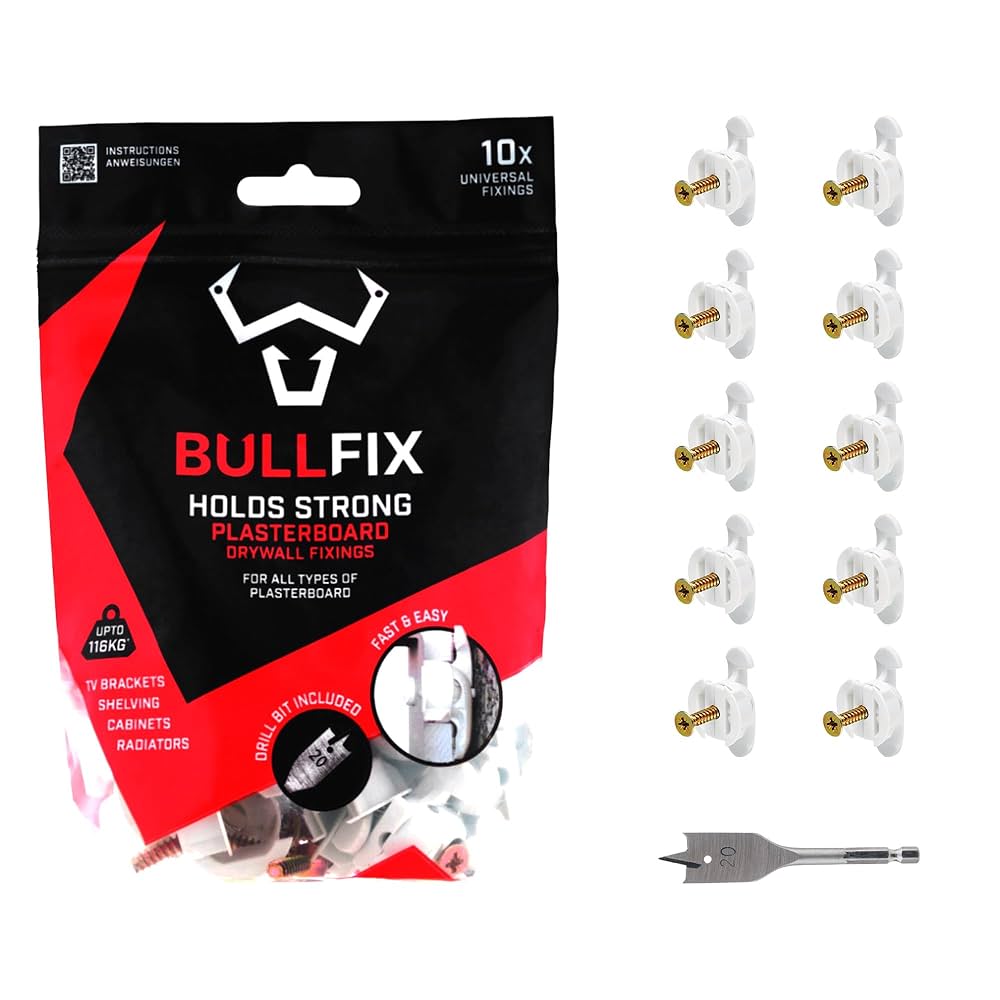
Using the right anchors for walls is important for safety and durability. Many people make mistakes that weaken the hold of anchors. Avoiding these errors helps keep your fixtures secure.
This guide covers common mistakes about overloading anchors, ignoring wall types, and improper anchor placement. Learn what to watch out for and how to fix these issues.
Overloading Anchors
Anchors have a weight limit. Putting too much weight on them causes failure and damage. Many people do not check the load capacity before use.
- Do not hang heavy items on small or light-duty anchors.
- Check the anchor’s packaging or instructions for load limits.
- Use multiple anchors for heavy objects to spread the load.
- Replace anchors that show signs of wear or damage.
Ignoring Wall Type
Different walls need different anchors. Using the wrong anchor can cause it to pull out or break.
| Wall Type | Recommended Anchor | Common Mistake |
|---|---|---|
| Drywall | Toggle bolts, plastic anchors | Using nails or screws without anchors |
| Concrete | Expansion anchors, sleeve anchors | Using plastic anchors meant for drywall |
| Brick | Masonry anchors, sleeve anchors | Ignoring mortar gaps and weak spots |
Improper Anchor Placement
Where you place anchors affects their strength. Many mistakes happen when anchors are too close to edges or too near each other.
- Keep anchors at least 1 inch away from wall edges.
- Space multiple anchors evenly to avoid cracking the wall.
- Avoid placing anchors too close to each other to maintain wall strength.
- Use a level and measuring tape for correct placement.
Credit: www.amazon.ca
Frequently Asked Questions
What Are The Main Types Of Wall Anchors?
Wall anchors include plastic expansion anchors, toggle bolts, molly bolts, and self-drilling anchors. Each suits specific wall materials and weight capacities.
How Do Plastic Expansion Anchors Work?
Plastic expansion anchors expand when a screw is inserted. This creates a tight grip inside drywall or masonry for light to medium loads.
When Should I Use Toggle Bolt Anchors?
Use toggle bolts for heavy objects on drywall. They spread load widely, offering strong support in hollow walls.
Can Molly Bolts Be Reused?
Molly bolts are sturdy and provide good support. However, they are generally not reusable once removed, as their sleeves deform.
Conclusion
Choosing the right wall anchor makes any project easier and safer. Different anchors hold different weights and materials best. Plastic anchors work well for light items on drywall. Metal anchors suit heavier objects and tougher walls. Toggle bolts provide strong support in hollow walls.
Understanding these types helps you pick the best fit. Always match the anchor to your wall and load. This knowledge saves time and prevents damage. Your walls stay strong, and your items stay secure. Simple choices lead to great results every time.

