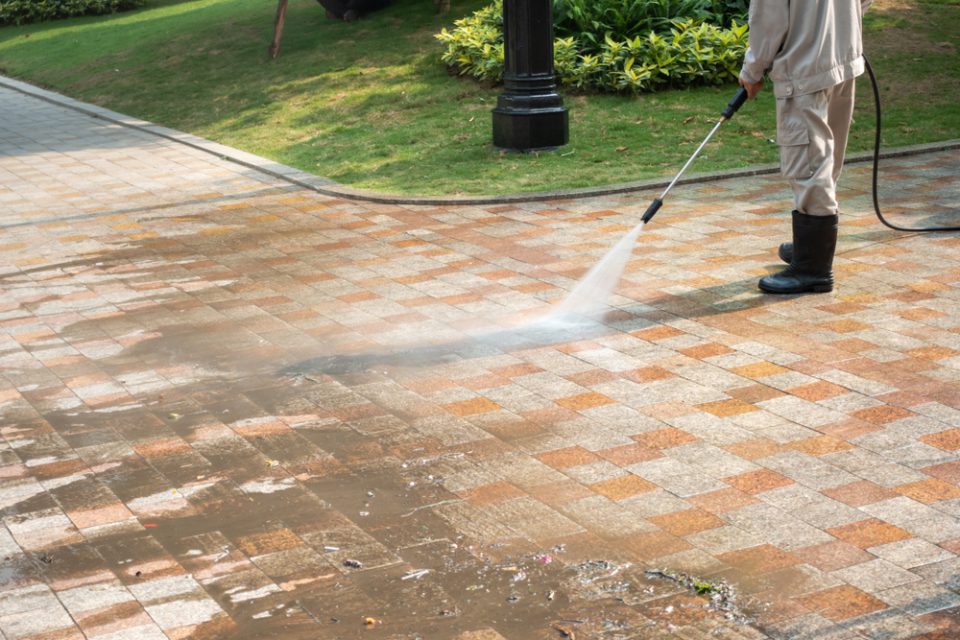
Have you ever thought about the risks hidden behind that powerful stream of water when pressure washing your home or driveway? While pressure washing can make your surfaces look brand new, it can also cause serious damage to your property—and even put your safety at risk if you’re not careful.
You’ll discover the dangers you might be overlooking and learn how to protect yourself and your home before you grab that pressure washer. Keep reading, because what you don’t know could end up costing you more than just money.
Credit: advantageproservices.com
Health Hazards
Pressure washing can seem like a quick way to clean surfaces. It removes dirt and grime fast. Yet, it carries health risks that many people overlook. The high pressure water stream can cause physical harm and expose users to dangerous substances. Understanding these health hazards helps in staying safe during use.
Skin Injuries
The force of pressure washing can damage the skin easily. High-pressure water can cut through skin layers. Even a small mistake can lead to deep wounds. These injuries may become infected if not treated properly. Protective clothing and gloves reduce the risk of skin damage.
Respiratory Problems
Pressure washing creates fine mist and airborne particles. Breathing in these particles can irritate the lungs. Chemicals in detergents worsen breathing issues. People with asthma or allergies face higher risks. Using masks and working in open spaces helps protect the lungs.
Waterborne Infections
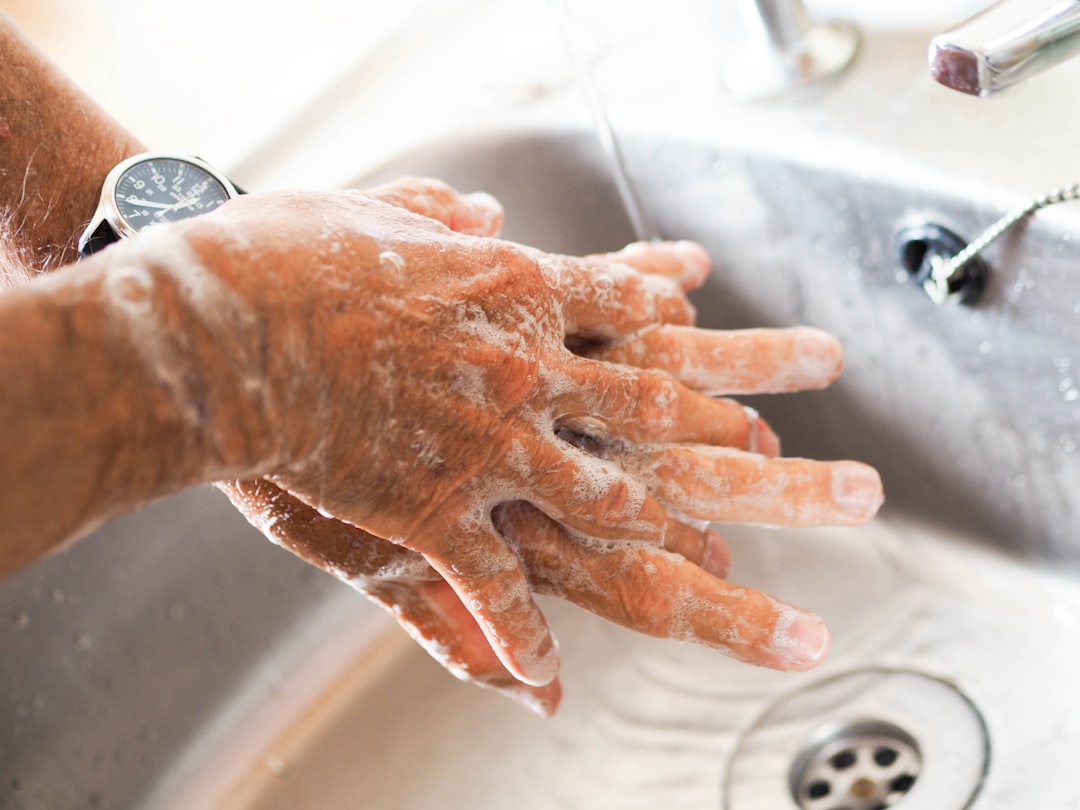
Water used in pressure washing often contains bacteria and germs. If water enters cuts or eyes, infections can develop. Contaminated water can cause skin rashes and other illnesses. Avoiding direct contact with spray and cleaning wounds quickly lowers infection chances.
Equipment Risks
Pressure washing requires strong equipment that can handle water at high force. This gear carries risks that users must know. Faulty or misused tools can cause serious injuries and damage property. Understanding these equipment risks helps avoid accidents and keeps the task safe.
High-pressure Damage
Pressure washers spray water with great force. This high pressure can break surfaces or cause injuries. Even a small mistake can lead to cracks in walls or harm to skin. Careless handling can turn a useful tool into a hazard.
Electrical Shock Threats
Many pressure washers use electricity. Water and electricity together can be very dangerous. Damaged cords or poor insulation increase the risk of electric shock. Always check for exposed wires and avoid wet conditions near plugs.
Malfunctioning Gear
Equipment that does not work properly can cause accidents. A broken trigger, clogged nozzle, or weak hose may lead to sudden bursts of water. This unpredictability can hurt users or damage nearby objects. Regular maintenance is key to safe operation.
Structural Damage
Pressure washing can harm your property if not used carefully. Excessive pressure can weaken materials, leading to costly repairs. Structural damage is a common issue many homeowners face. Understanding the risks can help prevent unnecessary damage.
Surface Erosion
High-pressure water can erode surfaces like wood, brick, and stone. This removes protective layers and weakens the material. Over time, this can cause the surface to degrade further. Soft materials like wood are especially prone to damage. Even concrete surfaces can lose their protective coatings.
Cracks In Concrete
Pressure washing can force water into small cracks in concrete. This can widen the cracks, especially in cold weather. Water trapped inside can freeze, causing the concrete to expand and break. This leads to structural weakening and more visible damage.
Damaging Paint And Sealants
Paint and sealants protect surfaces from weather and wear. Excessive pressure can strip away these layers. This leaves surfaces exposed to moisture, dirt, and UV rays. Repainting or resealing can be expensive and time-consuming. Always use appropriate settings to avoid this damage.
Environmental Impact
Pressure washing is a quick way to clean surfaces, but it can come at a high cost to the environment. Without proper precautions, this seemingly harmless activity can damage ecosystems, waste precious water, and harm local wildlife. Let’s break down the environmental risks you might not have considered.
Chemical Runoff Issues
Many pressure washing jobs involve detergents, bleach, or other cleaning agents. When you rinse these chemicals away, they don’t just disappear—they often flow into storm drains, rivers, or nearby soil. This runoff can contaminate water sources and harm aquatic life.
Imagine washing your driveway with a detergent. That soapy water might end up in a stream where fish and plants struggle to survive. Always check if the cleaning products you’re using are biodegradable and eco-friendly before starting.
Water Waste Concerns
Pressure washing uses a significant amount of water, sometimes up to 8 gallons per minute. If you’re not careful, this can add up to hundreds of gallons wasted in just one cleaning session.
Consider whether the job truly requires pressure washing, or if a less water-intensive method could work. Simple adjustments like using a nozzle with a shut-off valve can also minimize water waste.
Impact On Local Wildlife
High-pressure water and chemical runoff don’t just affect plants and waterways—they can also harm animals living nearby. Birds, insects, and small mammals might avoid areas where toxins linger, disrupting local ecosystems.
Think about this the next time you’re cleaning an outdoor surface. Could your actions be making it harder for wildlife to thrive in their natural habitat? Small changes in your process can make a big difference for the creatures around you.
Safety Precautions
Pressure washing can be highly effective but also risky if safety measures are ignored. Understanding and applying safety precautions can protect you from serious injuries and equipment damage. Let’s break down key safety aspects you should never overlook.
Protective Gear Importance
Never underestimate the power of protective gear. Wearing safety goggles shields your eyes from debris and harsh spray, preventing painful injuries. Gloves protect your hands from chemicals and high-pressure water, while sturdy boots keep your feet safe from slips and accidental contact.
Think about the last time you worked without gloves or goggles—did you feel fully confident? Investing in the right gear is a simple step that can save you from costly medical visits and downtime.
Proper Equipment Handling
Handling a pressure washer requires focus and care. Always check hoses and connections for leaks or cracks before starting. Holding the wand firmly and maintaining control prevents sudden jerks that might cause injuries or damage surfaces.
Remember, the pressure washer is not a toy; it’s a powerful tool. Have you ever seen someone lose grip and cause damage? Avoid that by practicing controlled, deliberate movements and never pointing the nozzle at yourself or others.
Safe Distance Guidelines
Maintaining the right distance is crucial to avoid harm and protect surfaces. Stay at least 6 to 12 inches away from the surface you’re cleaning to prevent gouges and damage. For delicate materials, increase the distance to reduce pressure impact.
Are you tempted to get closer for a better clean? Resist that urge, as it might cause more harm than good. Your goal is to clean effectively without destroying the very thing you want to improve.
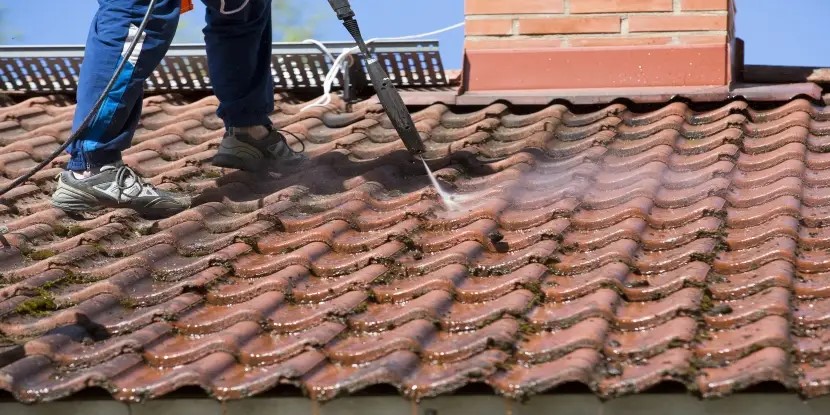
Credit: www.referredroofcleaning.com
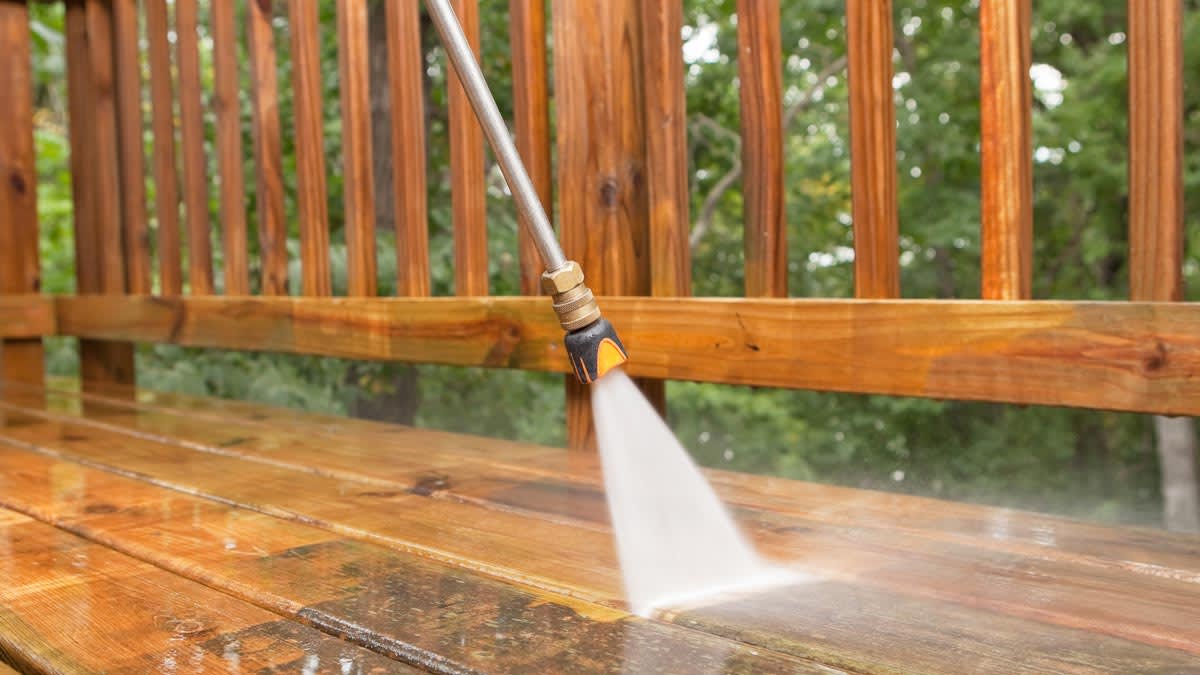
Credit: www.consumerreports.org
Frequently Asked Questions
What Are The Main Risks Of Pressure Washing?
Pressure washing risks include surface damage, water intrusion, and injury from high-pressure spray. Incorrect use can harm siding, wood, and paint. It may also force water into walls, causing mold or rot. Proper training and equipment reduce these dangers significantly.
Can Pressure Washing Damage My Home's Exterior?
Yes, pressure washing can damage your home's exterior if used incorrectly. High pressure may strip paint, dent siding, or erode wood. Using the right nozzle and pressure setting is essential to avoid costly repairs and maintain your home's appearance.
Is Pressure Washing Safe For Everyone To Do?
Pressure washing is not always safe for everyone. It requires skill to handle equipment and control pressure. Improper use can cause injury or property damage. Hiring a professional ensures safety and effective cleaning results.
How Can Pressure Washing Harm Plants And Landscaping?
Pressure washing can harm plants by stripping leaves or causing root damage. High pressure and harsh chemicals may stress or kill vegetation near cleaning areas. Shielding plants or choosing gentler methods protects your landscaping during cleaning.
Conclusion
Pressure washing can clean surfaces quickly and well. But it also brings risks you should know. High water pressure can damage walls, plants, and windows. It may cause injuries if handled carelessly. Always use the right tools and safety gear.
Take time to learn the correct methods. Avoid shortcuts to protect your property and health. Careful use keeps your home safe and clean. Think twice before rushing into pressure washing. Safety matters just as much as cleanliness.

