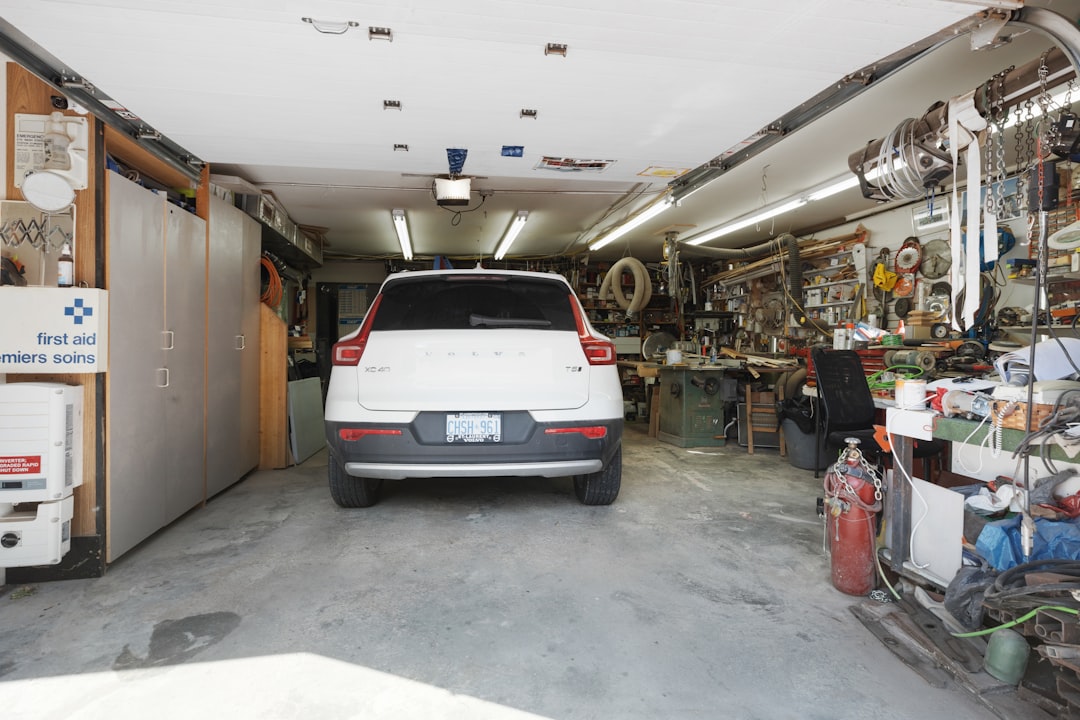

When you’re working on your DIY projects, safety should always come first. One small mistake in your workshop can lead to serious injuries or damage.
That’s why having a complete workshop safety checklist is not just helpful—it’s essential. This checklist will guide you step-by-step to create a safer space where you can focus on your craft without worry. Ready to protect yourself and your tools?
Keep reading, and you’ll discover everything you need to keep your workshop safe and your projects on track.
Workshop Setup
Setting up your workshop safely is key for every DIY project. A well-organized space helps prevent accidents.
Focus on creating a clean, bright, and comfortable area. This makes work easier and safer.
Choosing A Safe Location
Select a spot away from busy areas. This reduces distractions and risk of injury.
Make sure the floor is flat and dry. Avoid damp places to stop slips and damage to tools.
- Pick a place with easy entry and exit
- Avoid areas near flammable materials
- Keep away from children’s play zones
- Check for strong electrical outlets nearby
Proper Lighting And Ventilation
Good lighting helps you see details clearly. Use bright, even light without shadows.
Ventilation removes dust and fumes. Open windows or use fans to keep air fresh.
- Install overhead LED lights for brightness
- Use task lights for close work
- Keep windows open or use exhaust fans
- Wear masks if dust or fumes are strong
Organizing Tools And Materials
Arrange tools by type and size. Store materials in clear containers for easy access.
Keep sharp or heavy tools in safe places. Label storage to avoid searching and accidents.
- Use pegboards to hang frequently used tools
- Store small items in drawers or bins
- Keep flammable materials in metal cabinets
- Clean and put away tools after use
Personal Protective Gear
When doing DIY projects, safety should be your top priority. Wearing the right protective gear can prevent injuries and accidents. Here is a complete checklist of essential personal protective equipment.
Make sure to review each item and ensure you have the necessary gear before starting any project.
Eye And Ear Protection
Protecting your eyes and ears is vital. Small particles can cause severe damage to your eyes, and loud noises can harm your hearing.
- Use safety goggles to shield your eyes from dust and debris.
- Wear earplugs or earmuffs to protect your hearing from loud tools.
Gloves And Footwear
Your hands and feet are often exposed to risks during DIY tasks. Choosing the right gloves and footwear can help you avoid injuries.
| Gear | Purpose |
| Work Gloves | Protects hands from cuts and abrasions |
| Steel-Toed Boots | Safeguards feet from heavy objects |
Respiratory Masks
Breathing in dust and fumes can be harmful. Respiratory masks are essential for projects that generate dust or involve chemicals.
Tool Safety
Using tools safely is key to avoiding injuries in your workshop. Every tool needs care and attention before use.
Knowing how to check, use, and store your tools keeps you safe and your tools working well for a long time.
Inspecting Tools Before Use
Look over your tools before starting a job. Check for cracks, rust, and loose parts. Do not use tools that are damaged.
Make sure blades and bits are sharp and clean. Dull tools can slip and cause accidents.
- Check handles for cracks or splinters
- Ensure power cords have no cuts or frays
- Test moving parts for smooth action
- Verify safety guards are in place
Safe Operation Practices
Use tools the way they are meant to be used. Follow instructions and wear safety gear like goggles and gloves.
Keep your work area clean and well-lit. Stay focused and avoid distractions while working with tools.
- Hold tools firmly and use both hands if needed
- Keep fingers away from cutting edges
- Do not force tools to work faster
- Turn off and unplug tools before adjusting
Maintenance And Storage
Clean your tools after each use to remove dust and debris. Dry them well to stop rust from forming.
Store tools in a dry place. Keep sharp tools covered and power tools unplugged when not in use.
- Oil moving parts regularly to keep them working
- Replace worn parts like blades and belts
- Organize tools in racks or boxes
- Keep tools out of reach of children

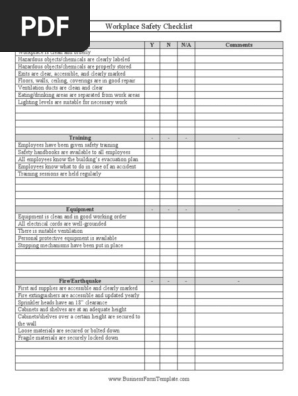
Credit: www.etsy.com
Electrical Safety
Electrical safety is very important in any workshop. It helps keep you safe from shocks and fires.
Following safety rules can stop accidents. Always check your tools and wiring before use.
Proper Wiring And Outlets
Use wiring that meets safety codes. Make sure outlets are in good condition and not overloaded.
Install ground-fault circuit interrupters (GFCIs) in your workshop. These protect against electric shock.
- Check wires for cracks or damage
- Do not use loose or broken outlets
- Keep outlets away from water sources
- Use proper wire size for your tools
- Hire a professional for electrical work
Using Extension Cords Safely
Use extension cords only when needed. Choose cords rated for the power your tools use.
Do not run cords under rugs or across walkways. This can cause trips and damage the cord.
- Check cords for cuts and frays
- Unplug cords when not in use
- Do not connect multiple extension cords
- Use cords with proper grounding
- Keep cords away from heat and sharp edges
Preventing Electrical Hazards
Keep your workshop dry and clean to avoid electrical hazards. Water and dust increase risk.
Turn off power before fixing or changing wiring. Use insulated tools to protect yourself.
- Do not overload circuits or outlets
- Keep flammable materials away from electrical devices
- Test smoke detectors regularly
- Store tools with care to avoid wire damage
- Wear rubber-soled shoes when working with electricity
Fire Prevention
Working in a workshop can be fun and productive. But fire risks are always present. It is important to keep fire safety in mind.
Following simple fire prevention steps helps protect you and your space. Let’s look at key points to keep your workshop safe.
Safe Handling Of Flammable Materials
Flammable materials can catch fire easily. Store them in cool, dry places away from sparks and heat sources.
Always use proper containers and label them clearly. Avoid using open flames near these materials.
- Keep rags soaked with oils in metal containers
- Do not mix flammable liquids together
- Use only approved containers for storage
- Handle with care and avoid spills
Fire Extinguisher Types And Placement
Choose the right fire extinguisher for your workshop. Different types work on different fires.
Place extinguishers in easy-to-reach spots near work areas. Check them regularly to ensure they work.
| Extinguisher Type | Best For |
|---|---|
| Water | Wood, paper, cloth fires |
| Foam | Flammable liquids like paint |
| CO2 | Electrical fires |
| Dry Chemical | Multiple fire types (A, B, C) |
Emergency Exit Planning
Know your exits before starting work. Clear paths help you leave fast if a fire starts.
Mark exits clearly and keep them free of tools and materials. Practice your exit plan regularly.
- Identify at least two exit routes
- Keep exit paths clean and wide
- Install emergency lighting near exits
- Teach everyone where to go in case of fire

Credit: tendsupplies.com
First Aid Preparedness
Having a safe workshop means being ready for accidents. First aid preparedness helps you handle injuries quickly.
Knowing what to do and having the right supplies can prevent small injuries from becoming worse.
Essential First Aid Kit Items
Your workshop should have a well-stocked first aid kit. It helps treat common injuries fast and safely.
- Adhesive bandages in various sizes
- Sterile gauze pads and adhesive tape
- Antiseptic wipes and ointments
- Scissors and tweezers
- Disposable gloves
- Instant cold packs
- Burn cream or gel
- CPR face shield or mask
- Eye wash solution
- A first aid manual or instruction booklet
Basic First Aid Skills
Learn simple first aid skills to help yourself and others. These skills can reduce harm before help arrives.
- How to clean and dress wounds
- How to stop bleeding
- How to treat burns and cuts
- How to perform CPR
- How to handle choking emergencies
- How to use a first aid kit
Emergency Contact Information
Keep emergency phone numbers visible in your workshop. Quick access saves time during accidents.
- Local emergency services (fire, ambulance, police)
- Nearby hospital or urgent care center
- Poison control center
- Contact numbers of family or close friends
- Your workplace safety officer or supervisor
Waste Management
Keeping your workshop clean and safe means managing waste properly. Good waste management protects you and the environment.
Sort your waste carefully and follow rules for disposing of materials. This helps avoid accidents and pollution.
Disposing Of Hazardous Materials
Hazardous materials need special care. Store them in labeled containers. Never mix different types of hazardous waste.
- Use approved containers for chemicals and oils.
- Keep hazardous waste away from heat and flames.
- Take hazardous waste to a local disposal center.
- Wear gloves and masks when handling hazardous waste.
Organizing Scrap And Debris
Keep scrap and debris in separate bins to avoid clutter. Clean your workspace daily to reduce risks.
| Type of Scrap | Storage Method |
| Wood | Stacked in a dry corner |
| Metal | Placed in metal bins |
| Plastic | Separated by type in labeled containers |
| General Debris | Collected in covered trash bins |
Recycling Workshop Waste
Recycling reduces waste and saves resources. Sort materials before recycling. Use local recycling centers for pickup.
- Separate metals, plastics, and paper.
- Clean materials before recycling.
- Label recycling bins clearly.
- Check local rules for recycling special materials.
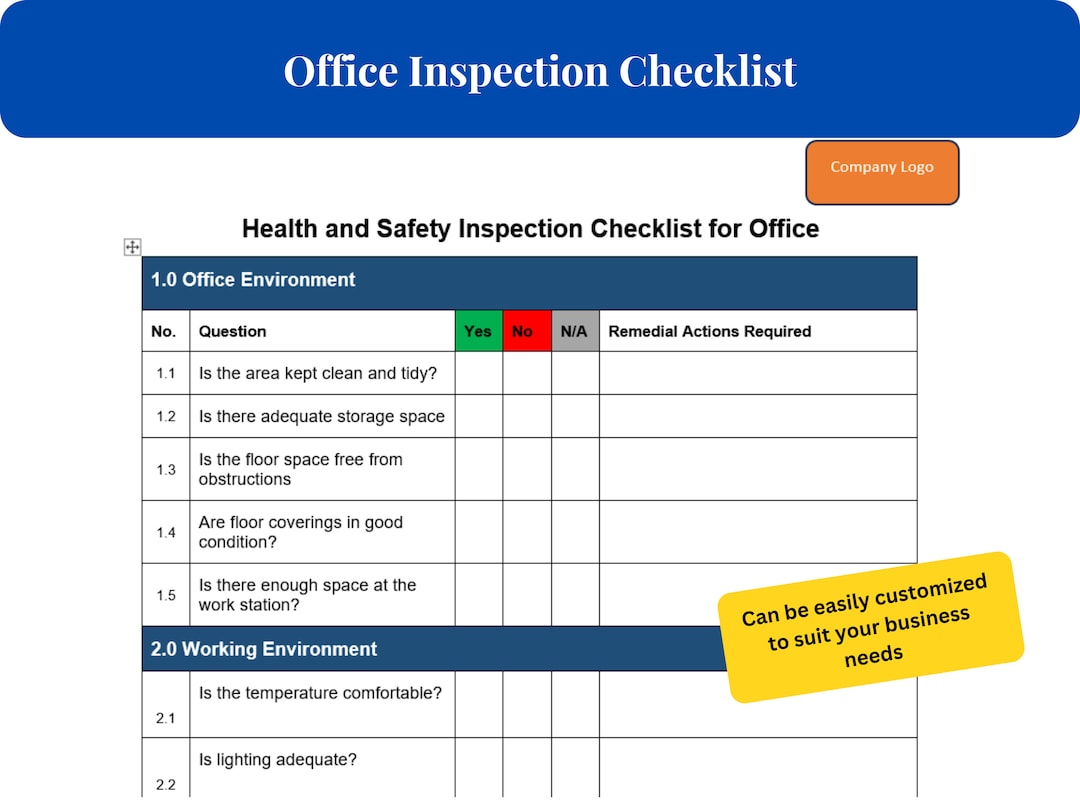
Credit: www.etsy.com
Regular Safety Checks
Keeping your workshop safe is very important. Regular safety checks help find problems early.
These checks protect you from accidents and keep your tools working well.
Routine Inspection Schedule
Set a clear schedule to inspect your workshop often. Check tools, machines, and safety gear.
Daily, weekly, and monthly checks can catch issues before they cause harm.
- Daily: Check sharp tools and power cords
- Weekly: Inspect safety guards and fire extinguishers
- Monthly: Test ventilation and emergency exits
Recording And Addressing Issues
Write down any problems you find during safety checks. Use a notebook or digital log.
Fix small issues quickly. For bigger problems, plan repairs right away to stay safe.
- Note the date and problem found
- Describe the issue clearly
- Record who will fix it and by when
Updating Safety Protocols
Review your safety rules regularly. Update them to match new tools or hazards.
Make sure everyone in your workshop knows the latest safety steps to follow.
- Check for new risks or equipment
- Change safety rules as needed
- Train yourself and helpers on updates
Frequently Asked Questions
What Essential Safety Gear Should Every Diyer Wear?
Every DIYer should wear safety goggles, gloves, ear protection, and a dust mask. Proper footwear and tight-fitting clothes also reduce accidents. Using the right gear prevents injuries and ensures a safer workshop environment.
How To Keep Power Tools Safe During Diy Projects?
Inspect power tools before use for damage or wear. Always unplug tools when not in use. Use guards and follow manufacturer instructions strictly. Proper storage and regular maintenance also enhance power tool safety.
How To Organize A Safe Diy Workshop Space?
Keep the workshop clean and clutter-free. Store tools properly and label hazardous materials clearly. Ensure good lighting and ventilation. A well-organized space reduces accidents and improves work efficiency.
Why Is Proper Ventilation Important In A Diy Workshop?
Proper ventilation prevents inhaling harmful dust, fumes, and chemicals. It reduces fire risks by dispersing flammable vapors. Good airflow improves comfort and keeps the work area safer.
Conclusion
Staying safe in your workshop protects you and your work. Use this checklist every time you start a project. It helps you spot risks before accidents happen. Keep tools clean and organized for easy use. Wear the right gear to guard your body.
Good lighting shows you what you are doing clearly. Taking breaks keeps your mind sharp and alert. Safety is a simple step that saves time and pain. Make safety a habit. Work smart, work safe, and enjoy your projects.