
When your circuit breaker keeps tripping, it can feel like a relentless game of hide and seek—only you’re not having any fun. You might be wondering why this is happening and how you can stop it.
You're not alone. Many homeowners face this frustrating issue, and the good news is that there are solutions. By understanding the reasons behind a tripping circuit breaker, you can regain control over your home’s electrical system. Imagine the peace of mind you’ll feel knowing your electrical system is safe and reliable.
Keep reading to discover practical steps and insider tips that will help you solve this problem once and for all.
Common Causes Of Tripping
Circuit breakers trip to protect your home from electrical damage. Knowing common causes helps prevent frequent trips. Identifying these issues keeps your electrical system safe and efficient.
Overloaded Circuits
Overloaded circuits happen when too many devices run on one circuit. This draws more current than the breaker can handle. The breaker trips to stop overheating and potential fires. Avoid plugging many high-power appliances together.
Short Circuits
Short circuits occur when a hot wire touches a neutral wire. This causes a large flow of electricity in a short time. The breaker trips instantly to prevent damage. Signs include burning smells or sparks near outlets.
Ground Faults
A ground fault happens when electricity flows outside its normal path. It often occurs if a wire touches a grounded surface. The breaker trips to stop electric shocks. Bathrooms and kitchens are common places for ground faults.
Faulty Appliances
Faulty appliances can cause breakers to trip repeatedly. Internal wiring problems or damaged parts increase current flow. Unplugging the appliance and testing helps identify the issue. Repair or replace faulty devices promptly.
Wiring Issues
Old or damaged wiring can cause circuit breakers to trip. Loose connections or worn insulation create short circuits or faults. Professional inspection is important to fix wiring problems safely. Proper wiring ensures stable power and fewer trips.

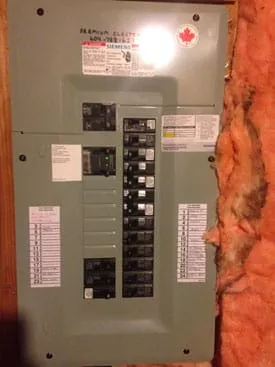
Credit: www.premium-electric.ca
Signs Of Circuit Problems
Noticing signs of circuit problems early can save you from bigger electrical issues and potential hazards. Your home's electrical system often sends subtle warnings before a serious failure. Paying attention to these signs helps you act quickly and keep your space safe.
Frequent Trips
If your circuit breaker trips often, it’s a clear sign something is wrong. This usually means the circuit is overloaded or there’s a short circuit. Have you ever reset a breaker only to have it trip again minutes later? That’s your cue to investigate further rather than ignoring the problem.
Burning Smell
A burning smell near outlets or breaker panels is a serious warning. It can indicate overheated wiring or electrical components, which could lead to a fire. If you detect this smell, don’t wait—turn off power to that circuit and call an electrician immediately.
Flickering Lights
Flickering or dimming lights are more than just annoying; they signal unstable electrical flow. Loose wiring or a failing breaker might be causing these fluctuations. Have you noticed your lights flickering when you use certain appliances? That’s a sign to check your circuit’s health.
Warm Outlets
Outlets that feel warm or hot to the touch are a danger sign. This heat often means the wiring is overloaded or there’s a faulty connection inside the outlet. Touching a warm outlet should prompt you to unplug devices and get the wiring inspected quickly.
How To Reset A Circuit Breaker
Resetting a circuit breaker is a straightforward task that can quickly restore power to your home or office after an outage. However, it’s important to approach this process carefully to avoid injury or further electrical issues. Understanding the right steps and safety measures can save you time and hassle.
Safety Precautions
Before you touch the breaker panel, make sure your hands are dry. Water and electricity don’t mix, and even a small amount of moisture can cause a shock.
Wear rubber-soled shoes and stand on a dry surface to reduce the risk of electrical shock. If you notice any burning smells or see damaged wires, stop immediately and call a professional.
Always inform others in your home or workspace that you are about to reset the breaker to avoid unexpected surprises. Are you aware of where your main electrical panel is located? Knowing this can save precious time during an outage.
Step-by-step Reset Process
- Locate your electrical panel, usually in the basement, garage, or utility room.
- Open the panel door and look for the breaker that is in the “off” position or stuck in the middle.
- Flip the breaker fully to the “off” position first. This ensures the breaker resets properly.
- Then, switch it back to the “on” position. You should hear a click indicating it has reset.
- If the breaker trips again immediately, unplug all devices on that circuit and try resetting once more.
- Test your devices one by one by plugging them back in to identify if one is causing the trip.
Have you experienced breakers tripping repeatedly? It could signal a deeper electrical problem that requires expert help. Resetting the breaker is just the first step toward restoring power safely.

Credit: www.youtube.com
Simple Fixes To Try
Dealing with a circuit breaker that keeps tripping can be frustrating, especially when you’re not sure what to do next. Before calling an electrician, try some simple fixes that often solve the problem quickly. These practical steps can save you time and help you understand what might be causing the issue.
Unplugging Devices
Start by unplugging all devices connected to the circuit that’s tripping. Sometimes, a single appliance with a fault can cause the breaker to trip repeatedly.
After unplugging, reset the breaker. If it stays on, plug the devices back in one at a time. This helps you identify the device responsible for the problem.
Have you ever noticed a particular appliance acting up right before the breaker trips? This method will confirm if that’s the culprit.
Reducing Load
Circuit breakers trip when the electrical load exceeds safe limits. Check if you’re using too many high-power devices on the same circuit.
Try moving some appliances to different outlets or using them one at a time. This can prevent overload and keep your breaker from tripping.
Think about your daily routines—are there times when multiple devices run simultaneously, pushing your circuit to the limit?
Replacing Faulty Appliances
If unplugging devices and reducing load don’t help, a faulty appliance might be causing the issue. Look for signs like unusual noises, burning smells, or excessive heat from an appliance.
Replacing or repairing the faulty item often stops the breaker from tripping. Remember, using damaged appliances can be dangerous, so don’t ignore warning signs.
Have you checked the condition of your appliances recently? Sometimes, replacing an old or faulty device is the safest and easiest solution.
When To Call An Electrician
Knowing when to call an electrician can save you time, money, and potential hazards. Circuit breakers are designed to protect your home, but frequent or unusual tripping signals that something more serious might be wrong. Understanding the warning signs helps you decide when professional help is necessary.
Persistent Tripping
If your circuit breaker keeps tripping repeatedly despite resetting it, it's a clear sign to call an electrician. This persistence might indicate an overloaded circuit or a short circuit that needs expert diagnosis. Ignoring this can lead to damage or even fire risks.
I once ignored a breaker that tripped every day. It turned out to be a hidden wiring fault that could have caused a serious electrical fire. Don't wait until it’s too late—let a professional inspect persistent issues.
Complex Wiring Issues
Older homes or those with DIY electrical work often have complicated wiring that can confuse even the most cautious homeowner. If your breaker trips after plugging in new appliances or during storms, it could point to damaged or faulty wiring. An electrician can safely trace and repair these hidden problems.
Consider this: Are you comfortable handling exposed wires or circuit testing tools? If not, it’s best to leave complex wiring issues to someone trained to handle them safely.
Upgrading Electrical Panel
Frequent breaker trips might mean your electrical panel can’t keep up with your home’s energy demands. Upgrading the panel is not a DIY job and requires a licensed electrician to ensure safety and compliance with local codes. They can assess whether your current system is adequate or needs expansion.
Ask yourself: Are you planning to add new appliances or renovate your home? Consulting an electrician early can help you avoid future electrical problems and keep your system running smoothly.
Preventing Future Trips
Preventing your circuit breaker from tripping in the future saves time and ensures safety. Understanding how to care for your electrical system and devices helps keep everything running smoothly. Simple actions can lower the risk of overloads and faults that cause trips.
Regular Maintenance
Check your electrical panel regularly for signs of wear or damage. Tighten loose connections to avoid sparks and overheating. Replace old or faulty breakers before they fail completely. Schedule a professional inspection at least once a year to catch hidden issues early. Clean dust and debris from the panel to prevent blockages and heat buildup.
Proper Appliance Use
Use appliances according to their instructions to prevent overloads. Avoid running multiple high-power devices on the same circuit. Unplug devices when not in use to reduce electrical load. Spread out heavy electrical usage across different circuits. Replace faulty cords or plugs immediately to stop short circuits and trips.
Upgrading Electrical System
Older homes may have outdated wiring that can't handle modern needs. Upgrade your electrical panel to support more circuits and higher capacity. Install dedicated circuits for heavy appliances like ovens and air conditioners. Use circuit breakers with the right rating for your home's power demand. Consult a licensed electrician to plan and perform safe upgrades.

Credit: www.cncele.com
Frequently Asked Questions
Why Does My Circuit Breaker Keep Tripping?
Circuit breakers trip to prevent electrical overloads or short circuits. Frequent tripping usually means too many devices are on one circuit or there is a wiring fault.
How Can I Fix A Circuit Breaker That Keeps Tripping?
First, unplug devices on the circuit. Reset the breaker. If it trips again, inspect for faulty wiring or overloads. Consult an electrician if unsure.
Can Old Circuit Breakers Cause Frequent Tripping?
Yes, old or worn-out breakers can trip often. Aging components lose sensitivity and may fail to handle normal loads safely, requiring replacement.
Is A Faulty Appliance Causing The Breaker To Trip?
A malfunctioning appliance can cause a breaker to trip. Test by unplugging devices one by one to identify the problematic one.
Conclusion
A circuit breaker that keeps tripping signals a problem. It protects your home from electrical damage. Check for overloaded circuits or faulty appliances first. Sometimes, wiring issues cause breakers to trip often. Fixing the problem quickly keeps your home safe.
Call a professional if you feel unsure. Regular checks can prevent future electrical troubles. Stay alert to keep your power running smoothly. Simple steps can save you time and money. Don’t ignore repeated breaker trips—they warn of hidden risks.