

Have you ever thought about how secure your home really is? Changing locks on doors might seem like a small task, but it can make a huge difference in protecting what matters most to you.
Whether you’ve just moved into a new place, lost your keys, or want to upgrade your security, knowing when and how to change your locks can save you stress and keep you safe. Stick with me, and you’ll discover simple steps and expert tips that will help you take control of your home’s safety right now.
Why Change Door Locks
Changing door locks is important for keeping your home safe. Old locks can wear out or get damaged over time.
New locks add extra protection and can stop unwanted people from entering your house.
Signs You Need New Locks
Look for these signs that show it is time to replace your locks:
- Keys get stuck or won’t turn smoothly
- Locks feel loose or damaged
- You lose your keys or they get stolen
- You move into a new home
- There was a break-in or forced entry
Benefits Of Updated Security
| Benefit | How It Helps |
| Better Protection | New locks stop break-ins |
| Increased Control | You decide who has keys |
| Improved Convenience | Modern locks can be easier to use |
| Peace of Mind | You feel safer at home |
Updated locks help you protect your family and belongings. They also make your home more secure against threats.
Types Of Door Locks
Choosing the right door lock is important for safety. Different locks offer different levels of security.
Here are some common types of door locks you can use for your doors.
Deadbolts
Deadbolts are strong locks that use a solid metal bolt. They are hard to break or force open.
They come in single-cylinder and double-cylinder types. Single-cylinder deadbolts use a key outside and a thumb turn inside.
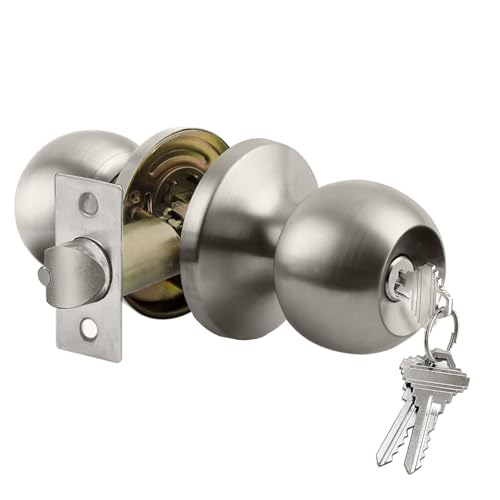
Knob Locks
Knob locks are common on interior doors. They have a lock built into the doorknob itself.
- Easy to install
- Not very secure alone
- Best used with deadbolts
Lever Handle Locks
Lever handle locks have a lever instead of a knob. They are easier to open for people with limited hand strength.
| Feature | Details |
| Ease of Use | Good for accessibility |
| Security | Moderate, best with deadbolt |
| Application | Common in commercial buildings |
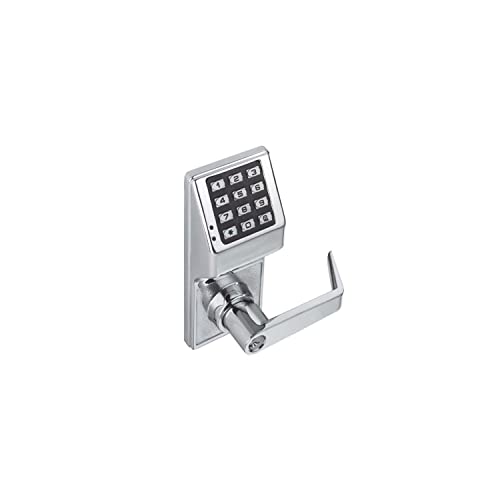
Smart Locks
Smart locks use technology to open doors without keys. You can use codes, phones, or fingerprints.
Advantages of smart locks:
- No need for physical keys
- Can control access remotely
- Tracks who enters and leaves
Choosing The Right Lock
Changing locks on doors is important for safety. Choosing the right lock keeps your home or office secure.
Locks come in many types. Pick one that fits your needs and door type.
Assessing Your Security Needs
Think about what you want to protect. Some places need stronger locks than others.
Consider who might try to enter and how often the door is used.
- High-risk areas need heavy-duty locks
- Low-risk areas can use basic locks
- Frequent use doors need durable locks
- Remote or rarely used doors can have simpler locks
Matching Locks To Door Types
Different doors need different locks. Choose a lock that fits your door’s material and style.
Some locks work better on wood doors, while others suit metal or glass doors.
| Door Type | Recommended Lock Type | Reason |
|---|---|---|
| Wood | Deadbolt or Mortise lock | Strong and fits well in wood |
| Metal | Keypad or Smart lock | Easy to install and durable |
| Glass | Keyless or Electronic lock | Does not damage glass |
| Hollow Core | Knob or Lever lock with deadbolt | Provides extra security |
Tools Needed For Lock Replacement
Changing locks on doors is a simple task if you have the right tools. Using the proper tools helps you remove the old lock and install the new one quickly.
This guide lists the basic and optional tools you may need for lock replacement. Getting these ready will save you time and effort.
Basic Tools List
These tools are essential for most lock replacement jobs. They help you remove screws, take out the lock, and fit the new one.
- Screwdriver (flathead and Phillips) – to remove screws
- Measuring tape – to check lock size and door thickness
- Utility knife – to cut any seal or paint around the lock
- Pliers – to hold or pull parts if needed
- Hammer – to tap parts gently during removal or fitting
Optional Tools For Ease
These tools are not always needed but can make the job easier and faster. They help you work more precisely and reduce effort.
- Power drill – to speed up screw removal and installation
- Allen wrench set – for locks with hex screws
- Chisel – to adjust the door or frame for a better fit
- Flashlight – to see inside dark door holes clearly
- Masking tape – to mark screw positions or protect the door surface
Step-by-step Lock Replacement
Changing locks on doors is important for safety and security. You can do it yourself with simple tools and steps.
This guide shows you how to remove an old lock and install a new one properly.
Removing The Old Lock
Start by finding the screws that hold the lock in place. Use a screwdriver to remove them carefully.
Take out the lock parts from both sides of the door. Keep the screws in a safe place.
- Unscrew the faceplate on the door edge
- Remove the latch mechanism
- Pull out the lock cylinder or knob
Preparing The Door
Check the door and frame for damage or dirt. Clean the area where the new lock will go.
Make sure the holes match the new lock size. If not, adjust the holes carefully with a drill or chisel.
- Clean old paint or debris from holes
- Measure holes for new lock parts
- Widen or deepen holes if needed
Installing The New Lock
Insert the latch into the door edge first. Secure it with screws using a screwdriver.
Place the lock cylinder or knob on each side of the door. Align the parts and screw them tightly.
- Insert the latch and screw it in place
- Attach the exterior lock part
- Attach the interior lock part
- Tighten all screws firmly
Testing The Lock
Turn the key or knob several times. Make sure the latch moves smoothly without sticking.
Check if the door locks and unlocks easily. Adjust screws if the lock feels loose or stiff.
- Test locking and unlocking
- Check latch movement
- Tighten screws if needed
- Ensure door closes fully

Credit: parklanewindows.co.uk
Tips For Enhanced Door Security
Changing locks on doors is a simple way to boost security. Strong locks keep your home safe from intruders.
Besides locks, other parts of the door help protect your home. Small improvements make a big difference.
Reinforcing Door Frames
Door frames are often weak points for break-ins. Reinforcing them makes your door harder to force open.
Use strong wood or metal to support the frame. Check the frame for cracks or loose parts and fix them.
- Install metal plates on the frame
- Use longer screws to hold the frame tight
- Replace old or damaged frames
Using Strike Plates
Strike plates hold the latch or bolt in place. A strong strike plate stops the door from being pushed open.
Choose a heavy-duty strike plate made of metal. Secure it with long screws that reach the wall stud.
- Replace thin strike plates with thick ones
- Use 3-inch screws for better hold
- Check alignment of the strike plate regularly
Additional Security Measures
Extra steps improve door security beyond locks and frames. These measures add layers of protection.
Use security devices that are easy to install. They help keep your home safe day and night.
- Add door viewers or peepholes to see visitors
- Install door chains or security bars
- Use smart locks or alarms for alerts
- Keep outdoor lighting near doors
When To Call A Professional
Changing locks on doors can be a DIY-friendly task, but there are situations where it's best to call a professional for assistance.
A professional locksmith has the necessary skills, tools, and experience to handle complex lock systems and emergency situations efficiently.
Complex Lock Systems
Complex lock systems involve multiple locks, keyless entry systems, or high-security locks that require specialized tools and expertise to install or repair.
Examples of complex lock systems include:
- Electronic lock systems with keycards or biometric authentication
- Multi-point locking systems with deadbolts and security pins
- High-security locks with advanced anti-pick pins and security features
Emergency Situations
In emergency situations, such as being locked out of your home or business, it's essential to call a professional locksmith for assistance.
Emergency situations can also include lockout services, lock repair, or replacement of damaged or broken locks.
A professional locksmith will arrive promptly and provide a solution to get you back inside your property quickly and safely.
Credit: www.youtube.com
Credit: denverslocksmiths.com
Frequently Asked Questions
How Often Should I Change Locks On Doors?
You should change locks every 5 to 10 years or after losing keys. Changing locks improves security and prevents unauthorized access. Consider changing locks after moving into a new home or after a break-in.
Can I Change Door Locks Myself Easily?
Yes, changing door locks is usually simple with basic tools. Follow the lock’s installation instructions carefully. If unsure, consult a locksmith to avoid damaging the door or lock.
What Types Of Locks Are Best For Home Doors?
Deadbolt locks are highly recommended for home security. They provide strong resistance against forced entry. Electronic and smart locks offer convenience and enhanced features for modern homes.
How Much Does It Cost To Change Door Locks?
Lock changing costs vary between $50 to $200 per lock. Factors include lock type, labor, and location. DIY lock changes can reduce costs but may require more time.
Conclusion
Changing locks on doors keeps your home safe and secure. It stops unwanted people from entering. You can do it yourself or hire a locksmith. Choose good quality locks for better protection. Regularly check your locks to ensure they work well.
A small effort now can prevent big problems later. Keep your family and belongings safe by updating locks when needed. Safe doors bring peace of mind.