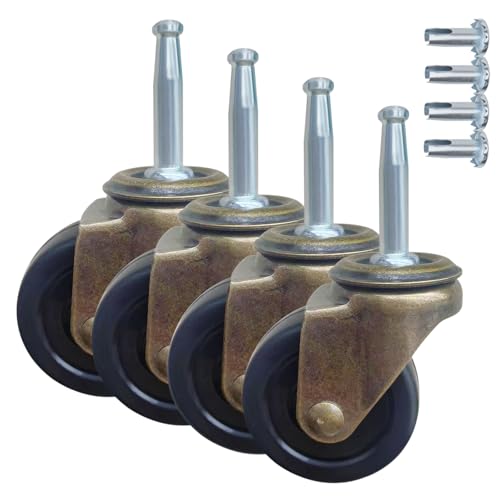

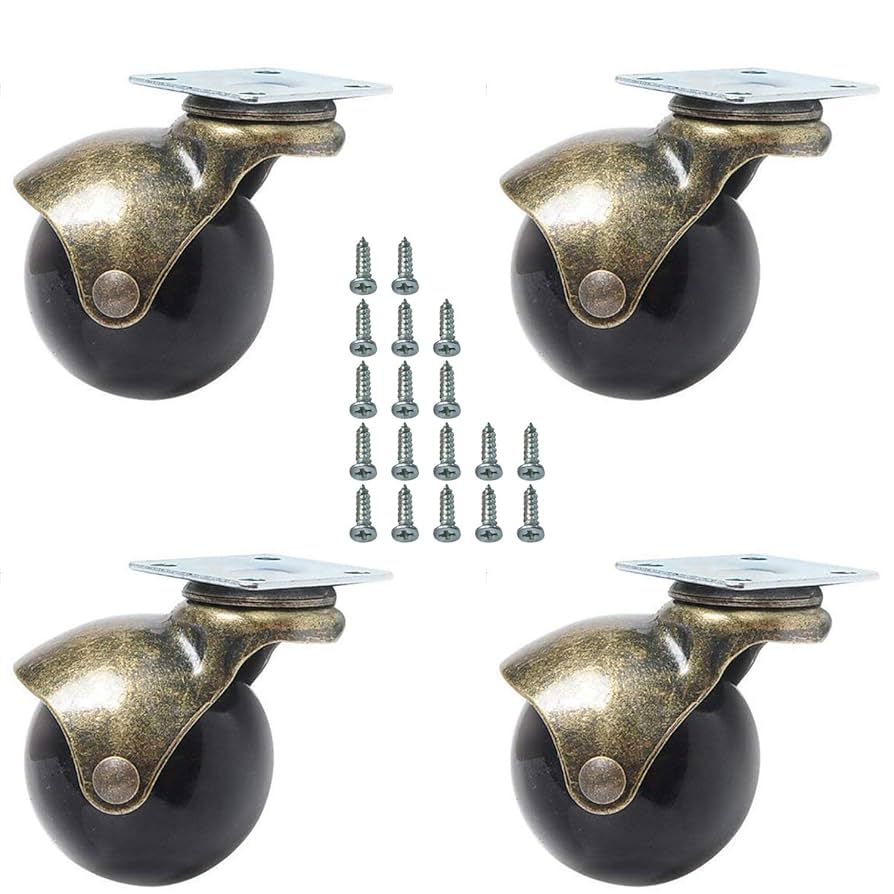
Are you tired of struggling to move heavy furniture around your home or office? Imagine how much easier your life could be with just a small change—adding caster wheels to your furniture.
These simple additions can transform bulky pieces into smooth, mobile units that glide effortlessly wherever you need them. Whether you want to clean under your sofa, rearrange your workspace, or create flexible living spaces, caster wheels are the secret tool that makes it all possible.
Keep reading to discover how choosing the right caster wheels can save you time, protect your floors, and add convenience to your daily routine.

Credit: www.amazon.ca
Benefits Of Caster Wheels
Caster wheels bring many benefits to furniture. They make moving items easier and protect floors from damage. These wheels also add style and function to different furniture types. Understanding these benefits helps choose the right casters for your needs.
Enhanced Mobility
Caster wheels allow furniture to move smoothly and quietly. They reduce effort in shifting heavy items. This makes cleaning and rearranging rooms simpler. Mobility improves safety by lowering the risk of lifting injuries.
Floor Protection
Casters prevent scratches and marks on floors. Soft wheels work well on hardwood, tile, and laminate surfaces. They spread weight evenly to avoid dents. This keeps floors looking new longer.
Versatility In Design
Casters come in various sizes and materials. They fit different furniture styles and functions. Some wheels lock to keep furniture in place. Others swivel for easy turning. This variety suits any home or office space.
Types Of Caster Wheels
Choosing the right caster wheels for furniture affects mobility and durability. Different types serve different needs and environments. Understanding each type helps pick the best fit for your furniture.
Rigid Vs. Swivel Casters
Rigid casters move only in a straight line. They provide stability and control. Swivel casters rotate 360 degrees, allowing easy turning and maneuvering. Combining both types offers balanced movement and direction.
Material Options
Caster wheels come in various materials. Rubber wheels reduce noise and protect floors. Polyurethane wheels resist wear and handle heavier loads. Metal wheels suit harsh conditions but may damage floors. Choosing material depends on floor type and usage.
Load Capacity Variations
Casters support different weights. Light-duty casters hold under 100 pounds. Medium-duty casters carry between 100 and 300 pounds. Heavy-duty casters support over 300 pounds. Always check load capacity to avoid damage and ensure safety.
Choosing The Right Size
Choosing the right size caster wheels for your furniture can make a huge difference in how easily you move your pieces and how well they hold up over time. Too small, and the wheels might wear out quickly or struggle on certain floors. Too large, and you might end up with bulky casters that look out of place or cause instability.
Weight Considerations
Every piece of furniture has a weight limit, and your caster wheels need to handle that load comfortably. Think about the combined weight of the furniture plus anything you usually place on it. For example, a heavy wooden bookshelf filled with books requires sturdier, larger casters than a lightweight chair.
Choosing casters rated for more than your furniture’s weight is smart. It gives you a safety margin and prevents premature damage. Have you ever struggled moving a heavy item with tiny wheels that felt like they’d break any second? That’s exactly what you want to avoid.
Floor Surface Compatibility
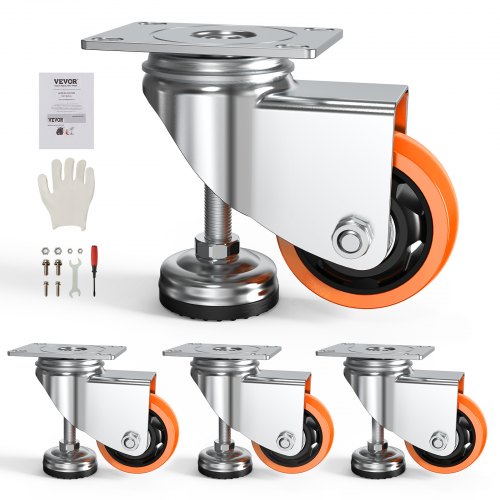
The type of floor your furniture rolls on affects the caster size you need. Small wheels can get stuck on carpet or uneven surfaces, while large wheels roll more smoothly. Hard floors like tile or hardwood often work well with smaller casters, but they must be non-marking to protect your floors.
Consider the texture and fragility of your floor. Soft rubber casters might be better on hardwood to prevent scratches, while polyurethane wheels handle rougher surfaces well. What’s your floor made of, and how often do you move your furniture around? Matching your caster size and material to your floor keeps your space looking great and your furniture moving effortlessly.
Credit: www.vevor.ca
Installation Tips
Installing caster wheels on your furniture can transform its functionality and ease of movement. However, getting the installation right is key to ensuring durability and smooth operation. Let’s dive into some practical tips that make this process straightforward and effective.
Measuring For Placement
Start by measuring the furniture base carefully. You want the casters spaced evenly to support weight and maintain balance.
Consider the furniture’s shape and size. For rectangular pieces, placing casters near each corner works best. For round or irregular shapes, find points that distribute weight evenly.
Ask yourself: Will the furniture tip or wobble once on wheels? Adjust your measurements to prevent this. Mark the exact spots with a pencil before drilling.
Tools Required
Having the right tools on hand makes installation faster and safer. Here’s a checklist for you:
- Drill with appropriate drill bits
- Screwdriver or power driver
- Measuring tape or ruler
- Pencil or marker for marking spots
- Level to ensure even placement
- Protective gloves and goggles for safety
Using a power driver instead of a manual screwdriver can save time, especially if you're installing multiple casters.
Securing Casters Properly
Once you’ve marked the spots and gathered tools, focus on securing the casters firmly. Loose casters can cause damage and accidents.
Use screws that fit the caster’s mounting plate exactly. Avoid screws that are too long or short, as they can weaken the attachment.
Tighten screws evenly but don’t overtighten, which can strip the wood or metal. Check after installation by gently rocking the furniture to ensure stability.
Have you checked the weight rating of your casters? Matching this with your furniture’s weight prevents early wear and tear.
Maintenance And Care
Proper maintenance and care extend the life of caster wheels for furniture. Regular attention keeps them rolling smoothly and quietly. Ignoring upkeep can lead to damage and costly repairs. Small efforts prevent big problems and ensure safe use.
Cleaning Techniques
Remove dirt and debris often to keep wheels turning well. Use a soft brush to clear hair, dust, and grime. Wipe wheels with a damp cloth and mild soap. Avoid harsh chemicals that can damage the wheel material. Dry thoroughly to stop rust and corrosion.
Lubrication Methods
Apply lubricant to the wheel bearings and swivels to reduce friction. Use light machine oil or silicone spray for best results. Avoid over-lubricating as it attracts more dirt. Wipe off excess lubricant to keep wheels clean. Regular lubrication keeps movement smooth and noise low.
Troubleshooting Common Issues
Listen for squeaks or grinding sounds; these signal lubrication needs. Check for stuck or wobbly wheels and remove blockages. Tighten loose screws and bolts to ensure firm attachment. Replace cracked or worn wheels to avoid floor damage. Address problems early to keep furniture easy to move.

Credit: www.amazon.ca
Creative Uses For Caster Wheels
Caster wheels bring new life and function to furniture pieces. They make moving heavy items easy and add style. Many creative uses exist beyond just chairs and tables. Explore how caster wheels can transform your space and projects.
Diy Furniture Projects
Adding caster wheels to DIY projects creates flexible furniture. Build rolling coffee tables or movable bookshelves. Wheels allow quick rearrangement of rooms. Choose wheels with brakes for safety. Use different wheel sizes to match furniture style and weight.
Upgrading Old Furniture
Old furniture gets a fresh look with caster wheels. Attach wheels to dressers or cabinets for easy cleaning access. Rolling furniture fits small spaces better. Wheels reduce floor scratches by easing movement. Paint or stain furniture to match new hardware for a polished look.
Mobile Storage Solutions
Caster wheels turn storage units into mobile helpers. Move heavy boxes or tools without strain. Use on crates, bins, or shelving units for flexibility. Locking wheels keep storage in place when needed. Mobile storage helps organize workshops, kitchens, or craft rooms efficiently.
Frequently Asked Questions
What Are Caster Wheels For Furniture?
Caster wheels are small wheels attached to furniture legs. They allow easy movement and repositioning of furniture. They protect floors and increase flexibility in room layouts.
How To Choose The Right Caster Wheels?
Choose caster wheels based on weight capacity, floor type, and furniture size. Consider wheel material for smooth rolling and noise reduction. Locking features add stability when needed.
Can Caster Wheels Damage Hardwood Floors?
Some caster wheels can scratch hardwood floors. Use soft rubber or polyurethane wheels to prevent damage. Adding floor protectors or mats also helps safeguard delicate surfaces.
Are Caster Wheels Easy To Install?
Yes, caster wheels are generally easy to install. Most require simple tools and basic skills. Follow manufacturer instructions for secure attachment and optimal performance.
Conclusion
Caster wheels make moving furniture easy. They save time and effort. With them, rearranging rooms becomes a breeze. No more heavy lifting or scratches on floors. Choose the right type for your furniture. Consider size, material, and weight capacity. This ensures smooth movement and durability.
Caster wheels offer versatility and convenience. A simple addition that makes a big difference. Transform your space with ease. Enjoy flexibility and comfort in your home. Invest in quality caster wheels for lasting satisfaction. Your furniture deserves the best support.