

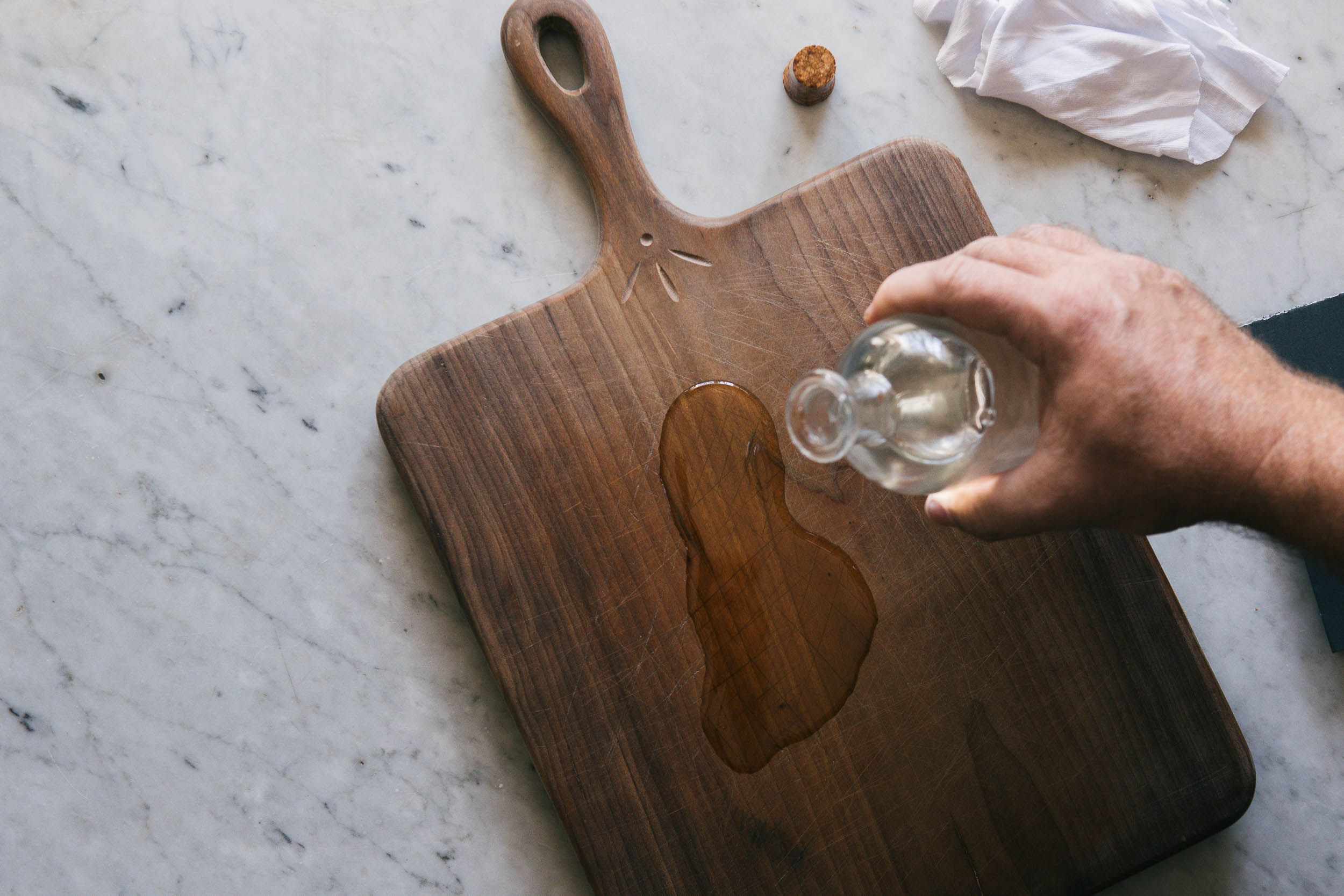
Have you ever wondered if olive oil can bring your wooden furniture back to life? You might have heard that olive oil is a natural way to polish wood, but does it really work?
Before you grab that bottle from your kitchen, it’s important to know what it can do—and what it can’t. You’ll discover the truth about using olive oil on wood, how it affects the finish, and the best ways to keep your furniture looking fresh and beautiful.
Keep reading to find out if olive oil is a friend or foe to your wood surfaces.

Credit: www.instagram.com
Why Choose Olive Oil For Wood
Choosing olive oil to polish wood offers a natural and gentle way to care for your furniture. Olive oil nourishes the wood without harsh chemicals. It helps maintain the wood’s texture and shine over time. The oil seeps into the wood, protecting it from drying out and cracking. This makes olive oil a good option for maintaining wooden surfaces safely and effectively.
Natural Properties Of Olive Oil
Olive oil is rich in antioxidants and vitamins. These elements help protect wood fibers from damage. The oil moisturizes the wood, keeping it soft and smooth. It also creates a subtle shine that enhances the wood’s natural look. Olive oil’s natural composition means it is safe for most wood types. It does not contain harmful chemicals that can cause buildup or discoloration.
Comparison With Commercial Polishes
Commercial polishes often contain synthetic ingredients and chemicals. These can sometimes harm delicate wood finishes over time. Olive oil is free from artificial additives. It penetrates the wood rather than just sitting on the surface. This provides longer-lasting nourishment compared to many store-bought products. Olive oil also avoids the strong, artificial scents found in some polishes. It offers a mild, natural aroma that is pleasant and non-intrusive.
Preparing Wood For Polishing
Preparing wood for polishing is a vital step that ensures a smooth and lasting finish. Clean and well-prepared wood allows the polish to absorb evenly. It also highlights the natural beauty of the wood grain.
Taking time to prepare the surface prevents uneven patches and dull spots. This process involves removing dirt, dust, and old finishes. It also smooths out rough areas to create a perfect base for polishing.
Cleaning The Surface
Start by wiping the wood with a soft cloth to remove dust. Use a mild soap solution to clean sticky or oily spots. Avoid soaking the wood; use a damp cloth instead. Dry the surface thoroughly before moving forward. Clean wood helps the polish stick better and look natural.
Sanding And Smoothing
Light sanding removes scratches and old finish residues. Use fine-grit sandpaper for a gentle, even abrasion. Sand in the direction of the wood grain to avoid marks. After sanding, wipe away dust with a tack cloth or damp rag. Smooth wood lets polish spread easily and shine brightly.
How To Apply Olive Oil On Wood
Olive oil can polish wood by adding shine and moisture. Apply a small amount with a soft cloth, rubbing gently in the wood grain direction. Wipe off any extra oil to avoid a sticky surface.
Applying olive oil on wood can enhance its natural beauty. It provides a gentle shine and protects the surface. This method is both simple and effective. Below are the steps and tools you need for a successful application.
Tools Needed
- Soft cloth or microfiber cloth
- Olive oil (extra virgin recommended)
- Small bowl or container
- Wooden spoon or stir stick
- Clean, dry cloth for buffing
Step-by-step Application Process
First, pour a small amount of olive oil into a bowl. Dip a soft cloth into the oil. Ensure the cloth is damp, not soaked. Next, gently rub the cloth on the wood surface. Use circular motions for even coverage. Let the oil sit for about 10 minutes. This allows the wood to absorb the oil. Then, take a clean, dry cloth. Buff the surface in circular motions. This will remove excess oil and bring out the shine. Repeat the process if the wood still looks dry. Regular application keeps the wood nourished and protected.

Credit: www.instagram.com
Benefits Of Using Olive Oil On Wood
Olive oil offers natural benefits for polishing wood surfaces. It nourishes wood while enhancing its appearance. Using olive oil is a simple and effective way to maintain wooden furniture and items.
Enhancing Wood Grain
Olive oil highlights the natural patterns in wood grain. It brings out rich colors and adds a soft shine. This makes wood look fresh and vibrant without harsh chemicals. The oil seeps into the wood, enhancing its texture and depth.
Moisturizing And Protecting
Wood can dry out and crack over time. Olive oil helps keep wood moist and flexible. It forms a thin layer that protects against dust and minor scratches. This oil also prevents wood from becoming brittle and extends its life.
Potential Drawbacks And Precautions
Using olive oil to polish wood may seem natural and easy. Yet, some risks and precautions deserve attention before applying it to furniture or wood surfaces. Understanding these points helps avoid damage and keeps wood looking its best.
Risk Of Rancidity
Olive oil is organic and can spoil over time. It may turn rancid and develop an unpleasant smell. This rancid oil can attract dust and dirt, making wood surfaces sticky and dirty. Rancidity also harms the wood’s appearance, causing dark spots or stains. The oil’s smell may linger for weeks or months, which is hard to remove. It is best to avoid olive oil on items that need long-lasting polish.
Suitability For Different Wood Types
Not all wood reacts well to olive oil. Softwoods like pine or cedar can absorb the oil unevenly. This causes blotchy or dark patches that look unattractive. Hardwoods such as oak or maple may resist oil absorption, leaving a greasy surface. Some wood finishes like varnish or lacquer may not mix well with olive oil. It can break down the finish or cause peeling. Testing a small hidden area before full use is important to avoid damage.
Alternative Natural Polishing Options
Natural options can polish wood safely without harsh chemicals. They nourish the wood and enhance its shine. Some natural substances offer long-lasting protection and a smooth finish. These alternatives suit different wood types and personal preferences.
Beeswax Blends
Beeswax is a classic choice for wood polishing. It creates a protective layer that repels moisture. Blending beeswax with oils improves its spreadability and shine. The mixture soothes scratches and brings out the wood’s natural color.
- Use melted beeswax combined with mineral or olive oil.
- Apply with a soft cloth in circular motions.
- Buff the surface after drying for a glossy finish.
Beeswax blends are excellent for antique and fine wood pieces. They prevent cracking and keep wood smooth for months.
Coconut Oil And Other Oils
Coconut oil offers gentle polishing and conditioning benefits. It penetrates wood pores and adds a subtle shine. Other oils like walnut, linseed, and tung oil also work well. Each oil has unique properties suited for different wood grains.
- Apply a small amount of oil with a soft cloth.
- Let it absorb for 15-20 minutes.
- Wipe off excess oil to avoid stickiness.
Using natural oils helps maintain wood’s hydration and flexibility. These oils do not leave harmful residues and keep wood looking fresh.
Maintenance Tips After Polishing
Maintaining wood after polishing with olive oil keeps the surface smooth and shiny. Proper care helps protect the wood from drying out or damage. Simple maintenance steps extend the beauty and life of your polished wood.
Frequency Of Reapplication
Olive oil polish does not last forever. It wears off with time and use. Reapply olive oil every few weeks for best results. Watch the wood surface for signs of dryness or dullness. Avoid over-oiling to prevent sticky or dark spots.
Cleaning Polished Surfaces
Clean polished wood gently to avoid removing the oil layer. Use a soft, dry cloth to wipe dust regularly. For tougher dirt, lightly dampen the cloth with water. Avoid harsh chemicals or abrasive cleaners. These can strip the olive oil and damage the wood.

Credit: www.reddit.com
Frequently Asked Questions
Can Olive Oil Damage Wood Furniture?
Olive oil can leave a sticky residue on wood, attracting dust and dirt. It may darken some wood types. Use it sparingly and test on a small area first. For long-term care, consider oils made specifically for wood polishing.
Is Olive Oil Safe For All Wood Types?
Olive oil is generally safe for sealed and finished wood. However, it can penetrate and stain unfinished or porous wood. Always test on an inconspicuous spot before applying widely. Use wood-specific products for delicate or antique pieces to avoid damage.
How Often Should You Polish Wood With Olive Oil?
Polishing wood with olive oil once every few months is sufficient. Overuse can cause buildup and attract dust. Regular dusting and occasional polishing maintain wood’s shine and health. Adjust frequency based on wood type and usage.
Can Olive Oil Replace Commercial Wood Polish?
Olive oil can temporarily enhance wood’s shine but lacks protective ingredients in commercial polishes. Commercial products prevent drying, cracking, and offer longer-lasting protection. Olive oil is a natural alternative but not a complete substitute for wood care products.
Conclusion
Olive oil can shine wood, but it is not the best choice. It may leave a sticky or dark residue over time. For safe and lasting results, use products made for wood polishing. These keep wood healthy and clean without damage.
Remember, simple care protects your furniture’s beauty. Try gentle cleaning first, then polish as needed. Wood looks best with proper care and attention. Choose the right method for your wood type and finish. This keeps your furniture looking nice for years.

