

Are your cabinet doors not closing smoothly or making annoying noises? The right cabinet door hinges can make all the difference in how your cabinets look and function.
Whether you’re fixing a squeaky door or upgrading your kitchen, understanding hinges is key. You’ll discover the types of cabinet door hinges, how to choose the best ones for your space, and easy tips to install them yourself. Keep reading to transform your cabinets into something that feels just right every time you open or close them.
Types Of Cabinet Door Hinges
Cabinet door hinges connect the door to the frame. They allow the door to open and close smoothly. Different hinges suit different cabinet styles and uses.
Choosing the right hinge improves cabinet function and appearance. Here are common types of cabinet door hinges.
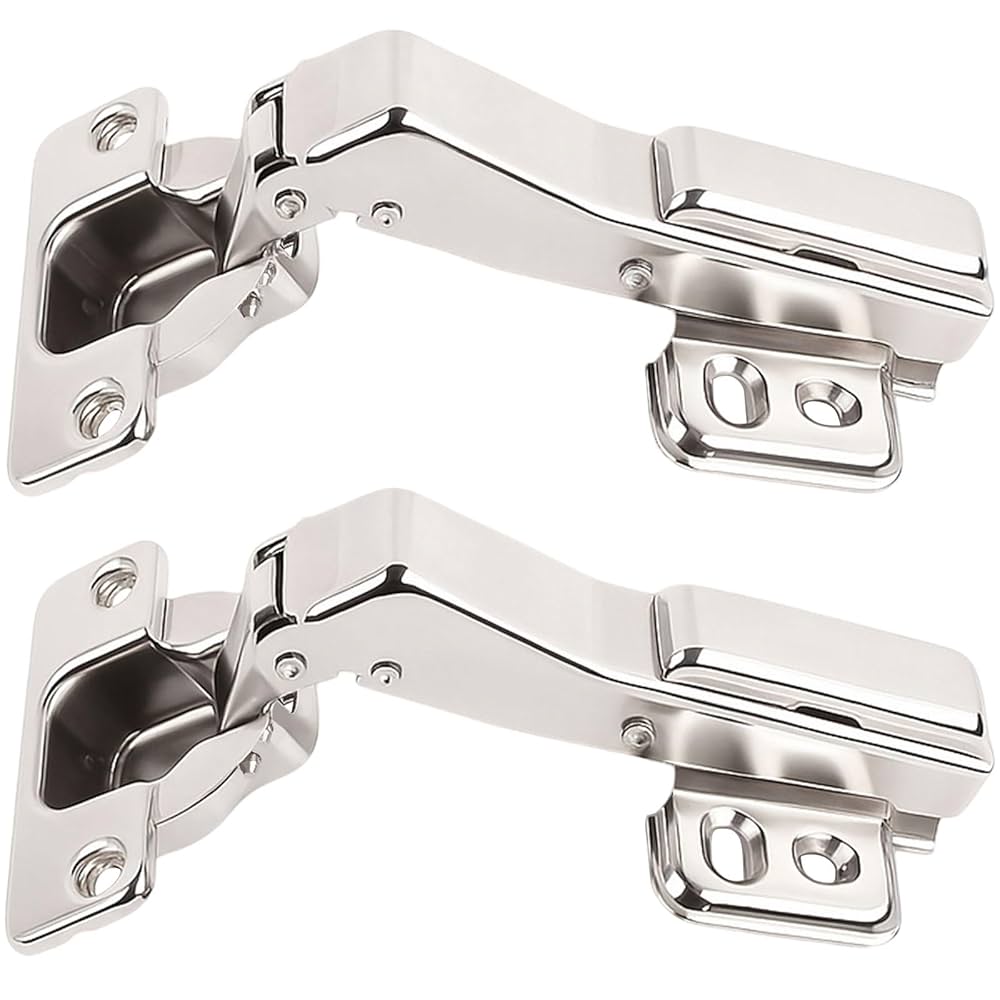
Concealed Hinges
Concealed hinges are hidden inside the cabinet. They do not show when the door is closed. These hinges give a clean and modern look.
Overlay Hinges
Overlay hinges attach to the door and cabinet frame. They let the door cover the cabinet edge. This type is common in many kitchens.
Inset Hinges
Inset hinges are used when the door fits inside the cabinet frame. The door sits flush with the frame edges. These hinges need precise fitting.
Wrap Around Hinges
Wrap around hinges wrap around the cabinet frame. They attach to both the door and the frame outside edges. These hinges give strong support.
Pivot Hinges
Pivot hinges allow the door to rotate on a single point. They are often used on tall or heavy cabinet doors. Pivot hinges offer smooth swinging motion.
- Easy to install
- Wide door opening angle
- Good for heavy doors
- Durable and strong
- Can be visible or hidden

Credit: www.amazon.in
Materials And Finishes
Cabinet door hinges come in many materials and finishes. These affect durability, look, and maintenance. Choosing the right type helps match your cabinets and style.
Here we explore common materials and popular finishes for cabinet door hinges. This guide helps you understand their features and benefits.
Stainless Steel
Stainless steel hinges resist rust and corrosion. They work well in kitchens and bathrooms where moisture is common. They offer a clean, modern look and require little maintenance.
Brass
Brass hinges add a warm, classic touch to cabinets. They age beautifully with a natural patina. Brass is strong but needs occasional polishing to keep its shine.
Nickel
Nickel hinges offer a smooth and shiny finish. They are durable and resist tarnishing. Nickel works well in both traditional and modern cabinet designs.
Bronze
Bronze hinges provide a rich, dark color that adds character. They are sturdy and develop a unique patina over time. Bronze fits well with rustic and vintage styles.
Decorative Finishes
- Oil-Rubbed Bronze: Dark finish with subtle copper tones.
- Polished Chrome: Bright and reflective surface.
- Matte Black: Modern and sleek look.
- Antique Copper: Warm, aged appearance.
- Powder Coated Colors: Variety of durable color options.
| Finish | Features | Ideal Style |
|---|---|---|
| Oil-Rubbed Bronze | Dark, copper tones, hides fingerprints | Rustic, traditional |
| Polished Chrome | Shiny, easy to clean | Modern, contemporary |
| Matte Black | Non-reflective, bold | Minimalist, industrial |
| Antique Copper | Warm, aged look | Vintage, classic |
| Powder Coated Colors | Durable, wide color range | Custom, creative |
Measuring For Perfect Fit
Choosing the right cabinet door hinges starts with accurate measuring. This helps the door fit well and work smoothly.
Small mistakes in measuring can cause the door to hang wrong or not close properly. Check all key sizes carefully.
Determining Door Overlay
Door overlay is how much the door covers the cabinet frame. It affects the hinge type you need.
Measure from the edge of the cabinet frame to the door edge when closed. This shows the overlay size.
- Full overlay: Door covers most of the frame
- Half overlay: Door covers part of the frame
- Inset: Door sits inside the frame
Hinge Cup Size
The hinge cup fits into a hole on the door. Its size must match the hole for a secure fit.
Use a ruler or caliper to measure the cup hole diameter. Common sizes are 35mm or 26mm.
- 35mm cup is the most common size
- 26mm cup is smaller and less common
- Check depth to avoid breaking the door
Door Thickness Considerations
Door thickness affects hinge choice and installation. Most hinges fit doors 1/2 to 3/4 inches thick.
Measure the door thickness with a tape or caliper. Use the right hinge to avoid loose or tight fitting.
- Thin doors need shallow cup depth hinges
- Thick doors require longer screws and hinges
- Adjust hinges if door thickness changes

Credit: bhoomihardware.com
Installation Techniques
Installing cabinet door hinges is a simple task if you follow the right steps. Proper installation helps doors open smoothly and last longer.
This guide shows you the tools needed and how to adjust hinges for perfect alignment.
Tools Required
You need a few basic tools to install cabinet door hinges. These tools help you work quickly and accurately.
- Electric drill or screwdriver
- Measuring tape
- Pencil or marker
- Level
- Hinge template or jig (optional)
- Safety goggles
Step-by-step Installation
Start by marking where the hinges will go on the cabinet door and frame. Use a measuring tape to measure equal distances from the top and bottom.
Next, drill pilot holes for the screws to avoid splitting the wood. Attach the hinges to the door first, then to the cabinet frame.
- Mark hinge positions on door and frame
- Drill pilot holes for screws
- Attach hinges to door with screws
- Fix door to cabinet frame using screws
- Check if door opens and closes easily
Adjusting Hinges For Alignment
If the cabinet door does not line up correctly, adjust the hinges. Most hinges have screws to move the door left, right, up, or down.
Loosen the screws slightly, move the door to the right spot, then tighten the screws again. Use a level to check the door’s position.
- Loosen hinge screws slightly
- Shift door to align properly
- Tighten screws securely
- Check alignment with a level
- Repeat if needed for perfect fit
Troubleshooting Common Issues
Cabinet door hinges can cause problems over time. Fixing these issues helps your doors work well again.
Below are common hinge problems and easy ways to fix them at home.
Squeaky Hinges
Squeaky hinges make annoying sounds when you open or close doors. This usually happens when the hinge dries out.
Use a lubricant like WD-40 or oil to stop the noise. Apply a small amount on the hinge and move the door back and forth.
- Clean old dirt from the hinge first
- Apply lubricant carefully to avoid stains
- Wipe off any extra oil
- Repeat if noise returns
Loose Hinges
Loose hinges cause doors to sag or wobble. This happens when screws become loose or fall out.
Check all screws and tighten them with a screwdriver. If the screw holes are stripped, use longer screws or fill holes with wood filler first.
- Remove loose screws
- Fill holes with wood filler or toothpicks and glue
- Let filler dry completely
- Reinstall screws tightly
- Test door movement
Misaligned Doors
Misaligned doors do not close properly and may rub against the frame. Hinges can shift or wear out over time.
Adjust the hinge position by loosening screws slightly. Move the door until it fits well, then tighten screws again.
- Loosen hinge screws carefully
- Shift door up, down, left, or right
- Check door alignment with frame
- Tighten screws once aligned
- Replace damaged hinges if needed
Maintenance Tips
Cabinet door hinges need care to work well for a long time. Simple maintenance keeps doors smooth and quiet.
Follow easy steps to clean, oil, and check hinges. This stops damage and saves money on repairs.
Regular Cleaning
Clean hinges often to remove dust and dirt. Use a soft cloth or brush to avoid scratches.
Wipe away grime with mild soap and water. Dry hinges well to stop rust from forming.
Lubrication Advice
Lubricate hinges to keep them moving smoothly. Use a light oil or silicone spray for best results.
Apply a small amount of lubricant on the hinge joints. Open and close doors several times to spread it evenly.
Inspecting For Wear And Tear
Check hinges regularly for signs of damage. Look for rust, cracks, or loose screws.
- Tighten any loose screws with a screwdriver.
- Replace hinges that are bent or broken.
- Fix rust by cleaning and applying rust-proof paint.
Innovative Hinge Designs
Cabinet door hinges have changed a lot over the years. New designs make cabinets easier to use.
These hinges improve how doors open and close. They add convenience and protect the cabinet.
Soft-close Hinges
Soft-close hinges stop doors from slamming shut. They slow the door as it closes.
This reduces noise and prevents damage. It helps keep cabinets in good shape longer.
- Quiet closing action
- Protects door and frame
- Easy to install
- Good for kitchens and bathrooms
Push-to-open Hinges
Push-to-open hinges let you open doors without handles. Just push the door gently.
The hinge pushes the door open automatically. This is great for a clean, modern look.
- No need for handles
- Easy to use with clean design
- Works well for small spaces
- Good for cabinets with smooth surfaces
Detachable Hinges
Detachable hinges let you remove cabinet doors quickly. This helps with cleaning or repairs.
They snap on and off without tools. This saves time and effort.
- Easy door removal
- Ideal for cleaning or painting
- No screws needed to remove doors
- Simple to reattach securely

Credit: bhoomihardware.com
Choosing The Right Hinge For Your Cabinet
Cabinet door hinges come in many types and styles. Picking the right one helps your cabinets work well and look good.
Think about how you want your cabinet to open and how it fits with your room’s design.
Style Considerations
Hinges affect the look of your cabinets. Some hinges are hidden, while others are visible and add to the style.
Choose a hinge that matches your cabinet design and room decor.
- Concealed hinges offer a clean, modern look
- Decorative hinges add character and detail
- Overlay hinges change how much the door covers the frame
Functional Requirements
Think about how your cabinet doors will be used every day. Some hinges allow doors to open fully, others only partly.
Check the weight of your doors and space available for opening when choosing hinges.
- Soft-close hinges prevent doors from slamming
- Heavy-duty hinges support thick or heavy doors
- Full-overlay hinges cover the cabinet frame completely
- Inset hinges fit doors flush with the frame
Budget Implications
Hinges vary in price. Higher quality hinges cost more but last longer and work better.
Balance your budget with the features you need from the hinge.
| Hinge Type | Price Range | Durability |
|---|---|---|
| Basic butt hinges | Low | Moderate |
| Concealed hinges | Medium | Good |
| Soft-close hinges | High | Excellent |
| Heavy-duty hinges | High | Excellent |
Frequently Asked Questions
What Are The Most Common Types Of Cabinet Door Hinges?
The most common cabinet door hinges include concealed, overlay, inset, and European hinges. Each type offers different mounting styles and door movements. Choosing the right hinge depends on your cabinet design and functionality needs.
How Do I Choose The Right Hinge For Cabinet Doors?
Select hinges based on door thickness, overlay type, and cabinet style. Consider durability, ease of installation, and adjustability. Proper hinge choice ensures smooth operation and enhances cabinet aesthetics.
Can I Install Cabinet Door Hinges Myself?
Yes, installing cabinet door hinges is manageable with basic tools and instructions. Measure carefully, align hinges precisely, and use appropriate screws. DIY installation saves cost and allows customization.
How Do I Adjust Cabinet Door Hinges Properly?
Use the adjustment screws on hinges to align doors evenly. Adjust height, depth, and side-to-side movement for a perfect fit. Proper adjustment prevents door sagging and ensures smooth opening.
Conclusion
Choosing the right cabinet door hinges makes a big difference. They help your doors open smoothly and last longer. Different types suit different needs, so pick what fits best. Easy installation saves time and effort. Quality hinges keep your cabinets looking neat and working well.
Small details like these improve your home’s feel. Take a moment to check hinges next time you update your cabinets. Simple changes can bring great results.

