
Imagine giving new life to old wood, bricks, and metal—turning them into something beautiful and useful for your home or project. Building with reclaimed materials lets you do just that.
Not only can you save money, but you also help the environment by reducing waste. Plus, reclaimed materials add a unique character and story to your space that new materials simply can’t match. If you want to create something special while making smart, eco-friendly choices, keep reading.
This guide will show you how to start building with reclaimed materials and unlock their full potential for your next project.
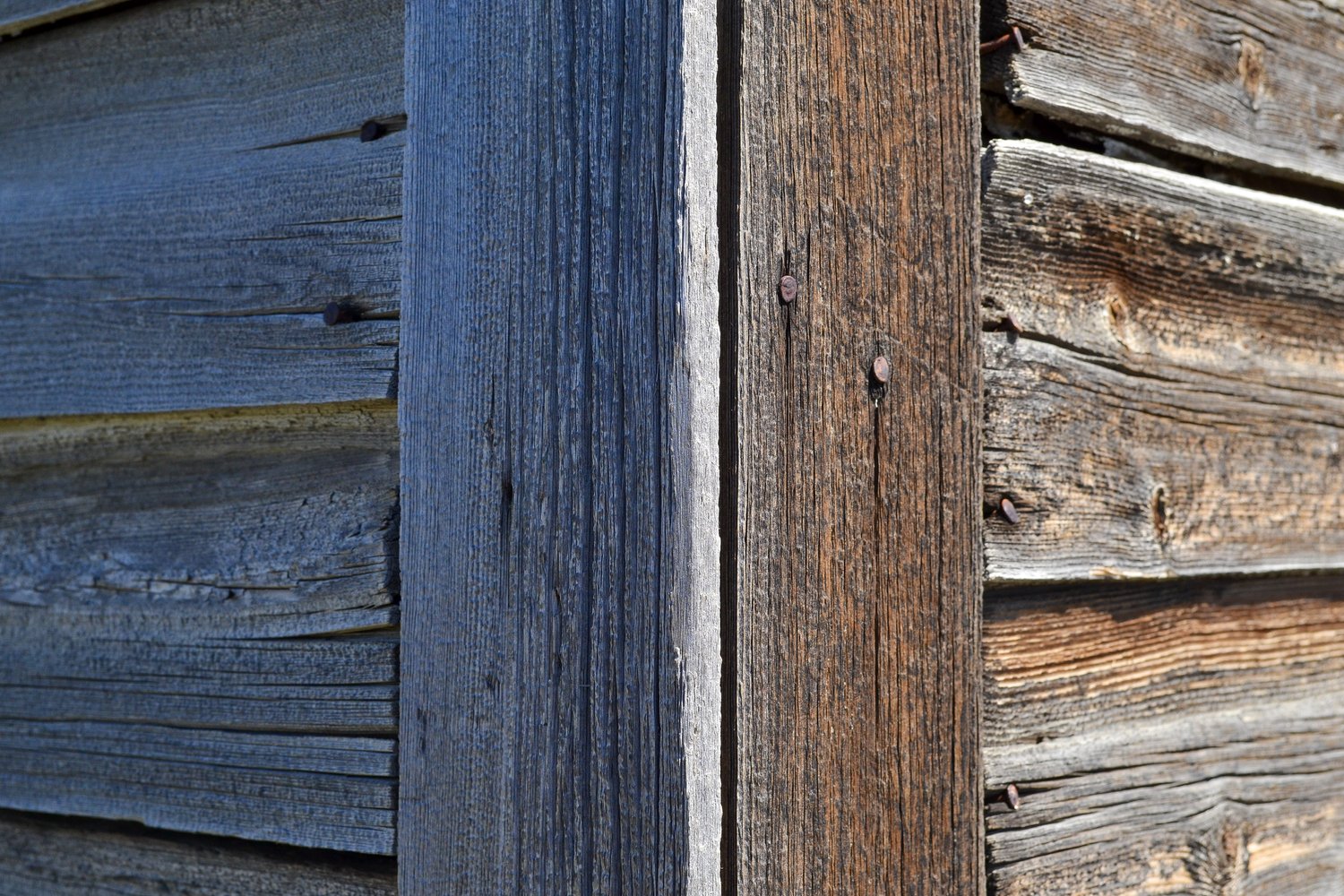
Credit: www.salvagesolutions.ca
Benefits Of Reclaimed Materials
Choosing reclaimed materials for building projects offers several powerful benefits that go beyond just recycling. These materials bring value through environmental responsibility, budget-friendly options, and a distinctive look that new materials often can’t match. Understanding these benefits can help you make smarter, more impactful decisions for your next build.
Environmental Impact
Using reclaimed materials reduces the demand for new resources. This means less deforestation, mining, and energy use associated with producing new building supplies. You’re cutting down on landfill waste by giving old materials a second life.
Have you considered how much carbon emissions you might save by choosing reclaimed wood or bricks? Even small projects add up when many people make eco-friendly choices.
Cost Savings
Reclaimed materials often come at a lower price than brand-new ones, especially if you source them locally. You can save money on wood, bricks, and tiles that would otherwise be more expensive from suppliers.
Keep in mind, though, that some reclaimed items may need extra work to prepare them for reuse. Still, the overall cost is usually less because you’re avoiding the full price of new materials.
Unique Aesthetic
Reclaimed materials give your project a look you can’t buy in stores. Weathered wood, aged bricks, and vintage tiles carry stories and character that add warmth and authenticity to your space.
Think about how your home or office could stand out with these unique textures and colors. Isn’t it more exciting to have a space that reflects history and personality?
Popular Reclaimed Materials
Reclaimed materials offer a unique charm and sustainability to building projects. These materials come from old buildings, factories, and other sources. Using them reduces waste and saves natural resources. Many reclaimed materials are strong and full of character. They bring warmth and history to new constructions.
Wood And Timber
Reclaimed wood and timber are popular for floors, walls, and furniture. Old wood often has rich colors and unique grain patterns. It is usually harder than new wood. This makes it durable and long-lasting. Using reclaimed wood helps reduce deforestation. It also adds a rustic or vintage look to spaces.
Metal And Steel
Reclaimed metal and steel come from old buildings, bridges, and machines. They are strong and can be reshaped for many uses. These materials resist rust and wear well over time. Recycled metal reduces the need for mining new ore. It often adds an industrial or modern feel to designs.
Bricks And Stone
Old bricks and stones have a timeless appeal. They work well for walls, patios, and fireplaces. These materials are sturdy and weather-resistant. Reusing bricks and stones cuts down on landfill waste. Their aged look creates a cozy and historic atmosphere.
Glass And Tiles
Reclaimed glass and tiles brighten spaces with color and texture. Salvaged tiles can be used for backsplashes, floors, and walls. Recycled glass can be crafted into windows or decorative pieces. These materials add personality and reduce the demand for new production.
Sourcing Reclaimed Materials
Sourcing reclaimed materials is a key part of sustainable building projects. Finding quality reclaimed items can save money and reduce waste. It also gives your project a unique character.
Several places offer reclaimed materials with good variety and condition. Knowing where to search helps gather the best resources for your needs.
Salvage Yards And Auctions
Salvage yards often store wood, bricks, and fixtures from old buildings. These materials are usually priced lower than new ones. Auctions can also offer rare finds like antique doors or beams. Visit regularly for fresh stock and great deals.
Demolition Sites
Demolition sites provide direct access to reusable building parts. Always get permission before taking materials. You can find large quantities of wood, metal, and bricks. These items may need cleaning or minor repairs.
Online Marketplaces
Many websites specialize in reclaimed building materials. They allow easy searching by type, size, and price. Some sellers ship materials nationwide. Check reviews and ask questions to ensure quality.
Local Construction Waste
Some construction sites discard usable materials as waste. Contact local builders to ask about leftover wood or bricks. Often, they prefer to give away materials instead of paying disposal fees. This source can be cost-effective and eco-friendly.
Design Ideas Using Reclaimed Materials
Design ideas using reclaimed materials bring charm and character to any space. These materials carry stories and history, adding unique textures and warmth. They also reduce waste and promote eco-friendly building practices.
Reclaimed materials work well in many parts of a home or outdoor area. Creative use of these resources can transform ordinary spaces into inviting, stylish places. Here are some inspiring ideas to start with.
Furniture And Fixtures
Reclaimed wood or metal makes excellent furniture. Tables, chairs, and shelves gain a rustic look. Using old doors or windows as tabletops adds personality. Fixtures like light covers or cabinet handles crafted from reclaimed materials create a distinct touch. Each piece becomes a conversation starter.
Wall And Floor Treatments
Walls clad in reclaimed wood planks bring warmth and texture. Mixing different wood tones creates a beautiful patchwork effect. Reclaimed bricks or stones make striking accent walls. For floors, old hardwood or tile offers durability and charm. These materials often show unique patterns and colors.
Outdoor Structures
Reclaimed materials are perfect for outdoor projects. Garden benches, pergolas, and fences gain rustic appeal. Using reclaimed wood for decking adds character and reduces cost. Even small structures like birdhouses or planters benefit from recycled materials. These ideas enhance outdoor living spaces naturally.
Decorative Elements
Small decorative items made from reclaimed materials brighten rooms. Picture frames, mirror borders, and wall art crafted from old wood or metal add style. Reclaimed glass jars or bottles serve as vases or candle holders. Such elements provide personality without overwhelming the space.
Challenges And Solutions
Building with reclaimed materials presents unique challenges. These challenges require careful planning and smart solutions. Understanding them helps create safe and durable structures. The following sections explore common issues and practical answers.
Material Quality And Safety
Reclaimed materials vary in quality. Some may have hidden damage or decay. Testing materials for strength and safety is crucial. Cleaning and treating wood or metal removes pests and mold. Choose materials with clear history or inspect thoroughly. Use protective coatings to extend lifespan and ensure safety.
Building Codes And Regulations
Local building codes may restrict use of reclaimed materials. Permits often require proof of material safety. Consult with building officials early in the project. Keep documentation of material source and condition. Hire professionals familiar with code requirements. This prevents delays and legal issues during construction.
Labor And Installation
Working with reclaimed materials takes more time and skill. Materials may need resizing, cleaning, or repairing. Experienced builders understand how to handle irregular sizes. Use special tools designed for old wood or metal. Plan extra time for fitting and adjustments. Proper installation ensures structure stability and appearance.
Maintenance And Longevity
Reclaimed materials need regular maintenance to last long. Inspect for signs of wear, moisture, or pests. Apply sealants or finishes periodically to protect surfaces. Repair minor damage promptly to avoid bigger problems. Proper care keeps materials strong and attractive for years.
Smart Building Practices
Smart building practices with reclaimed materials focus on more than just saving resources—they create homes and spaces that work better for you and the environment. These practices help you make informed choices that improve comfort, reduce costs, and minimize your carbon footprint. Let’s look at key areas where smart thinking turns reclaimed materials into powerful tools for modern construction.
Energy Efficiency
Using reclaimed materials can significantly boost your building’s energy efficiency. Old wood, bricks, and stone often have natural insulating properties that keep interiors warm in winter and cool in summer.
Think about double-glazed windows made from reclaimed frames—these can reduce heat loss and lower energy bills. You might also combine reclaimed insulation with energy-efficient lighting and appliances to maximize savings.
How could you redesign your space to take full advantage of these energy-saving materials?
Integration With Modern Technology
Reclaimed materials don’t mean giving up on modern technology. You can blend old wood beams or metal fixtures with smart home systems for lighting, heating, and security.
Imagine reclaimed wood walls fitted with smart thermostats or motion sensors that adjust lighting based on room use. This mix adds character while giving you control and convenience.
What smart features can you add to your reclaimed material project to make your home more efficient and comfortable?
Sustainable Construction Methods
Building smart means using methods that reduce environmental impact. Techniques like modular construction or prefabrication can work well with reclaimed materials to cut down waste and build faster.
For example, you could prepare reclaimed bricks off-site and assemble them quickly on location, reducing onsite disruption. Using low-impact adhesives and natural finishes also supports sustainability.
Have you considered how your construction approach can make the most of reclaimed resources?
Waste Reduction Techniques
Smart building always finds ways to minimize waste. Sorting and reusing leftover materials from demolition or renovation saves money and landfill space.
Try setting up a system to track and store scraps that can serve as filler, patching, or decorative elements. Creative reuse—like turning wood offcuts into shelves or planters—adds value and charm.
- Plan material cuts carefully to avoid unnecessary scraps
- Repurpose damaged pieces into smaller functional items
- Donate or swap leftover materials with local builders or artists
What waste reduction ideas can you implement to make your building process cleaner and more efficient?
Case Studies Of Reclaimed Building Projects
Reclaimed materials bring new life to old structures and reduce waste. Many projects show how these materials create beautiful, durable buildings. Examining real examples helps understand their practical use and benefits. These case studies reveal creative ways to build sustainably and save money.
Residential Homes
Many homeowners use reclaimed wood, bricks, and metal for unique designs. One project used old barn wood for walls and floors, adding warmth and character. Another home reused bricks from a demolished building, creating a rustic look. These homes show how reclaimed materials create cozy, eco-friendly living spaces.
Commercial Spaces
Businesses use reclaimed materials to attract customers with authentic, natural designs. A café incorporated reclaimed wood beams and tables, enhancing the atmosphere. An office space reused metal and glass, giving a modern but sustainable feel. These projects prove reclaimed materials work well in busy, functional spaces.
Public Buildings
Schools and community centers benefit from reclaimed materials’ cost savings and durability. One library used reclaimed bricks and wood, blending old and new styles. A community hall incorporated recycled steel, reducing environmental impact. Public buildings demonstrate how reclaimed materials support sustainable city development.

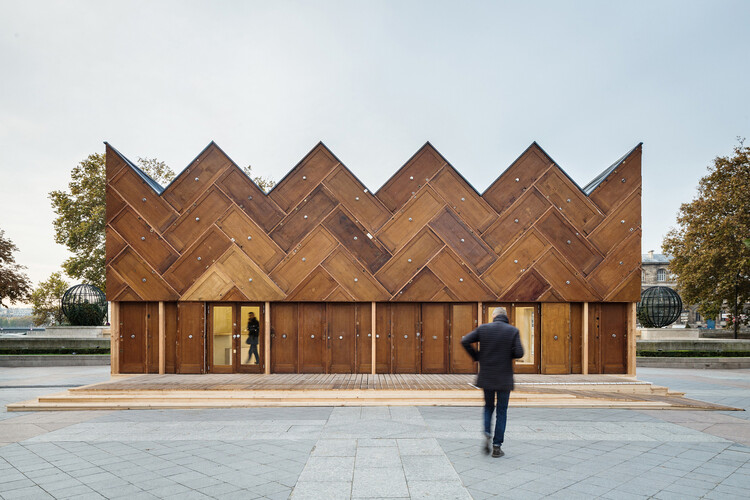
Credit: www.dezeen.com

Credit: www.montanatimberproducts.com
Frequently Asked Questions
What Are Reclaimed Materials In Building Construction?
Reclaimed materials are salvaged resources from old buildings or discarded items. They are reused in new construction, reducing waste and saving resources. These materials include wood, bricks, metal, and glass, offering unique aesthetics and sustainability benefits.
How Do Reclaimed Materials Benefit The Environment?
Using reclaimed materials reduces landfill waste and lowers demand for new resources. This process minimizes energy consumption and carbon emissions linked to manufacturing. It supports eco-friendly construction by conserving natural resources and promoting recycling.
Are Reclaimed Materials Durable For Modern Buildings?
Yes, reclaimed materials can be highly durable when properly inspected and treated. They often have aged and weathered well, offering strength and character. Proper installation and maintenance ensure their longevity in modern construction projects.
What Challenges Come With Using Reclaimed Materials?
Challenges include sourcing consistent quality materials and increased labor for preparation. Some reclaimed items may have hidden damage or contaminants. Skilled craftsmanship is essential to handle variability and meet building codes safely.
Conclusion
Building with reclaimed materials offers sustainable and creative solutions. These materials reduce waste and save money. They also add unique character to any project. Choosing reclaimed items supports eco-friendly practices. It helps in preserving natural resources. Every piece tells its own story.
This approach fosters a connection to the past. So, consider using reclaimed materials in your next project. It’s a simple choice that benefits the environment. Plus, it brings a personal touch to your space. A mindful step towards a greener future.