

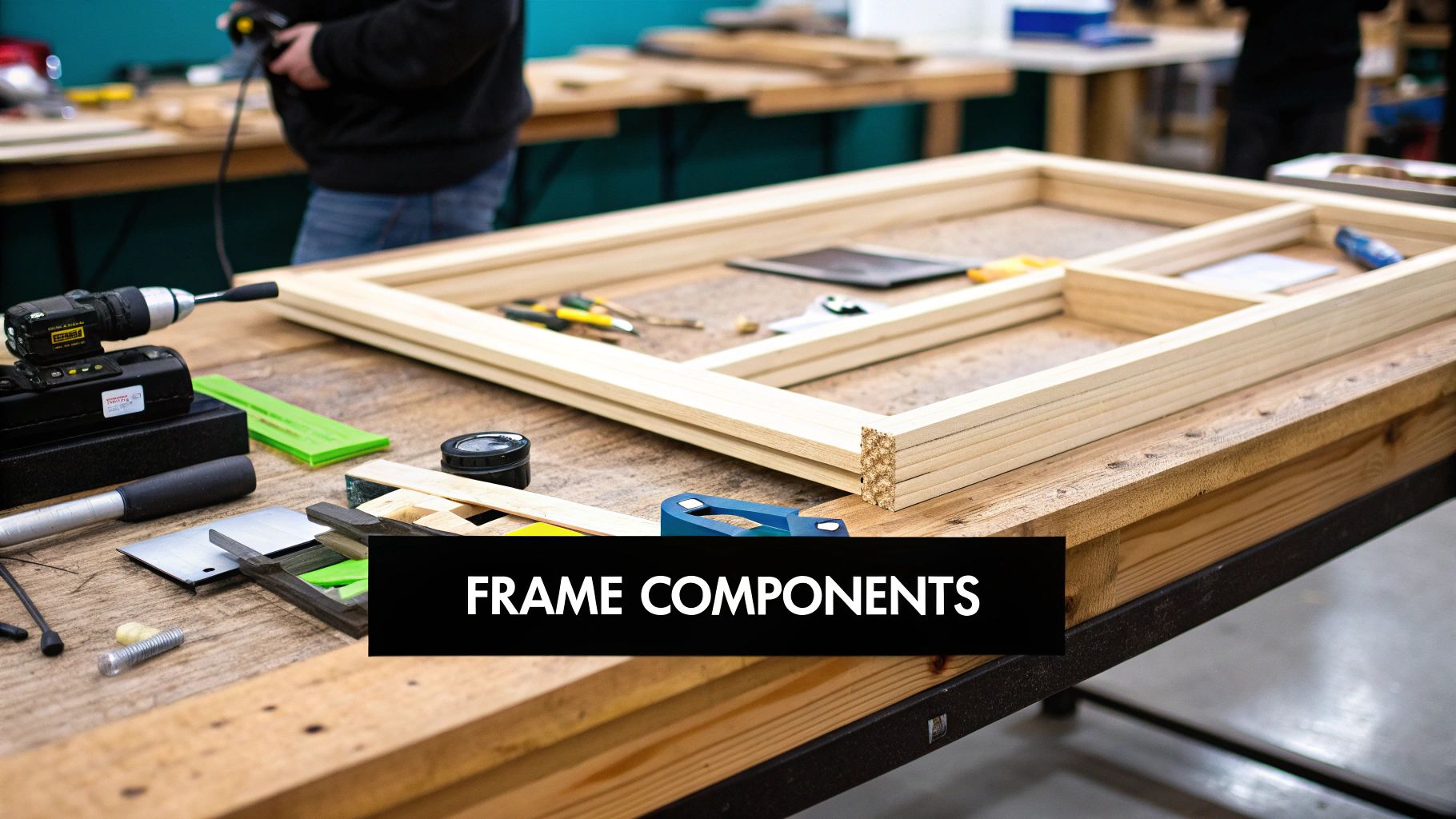
Are you ready to transform your space with sturdy, stylish cabinets? Building face frame cabinets could be the perfect project for you.
These cabinets not only add strength but also give your kitchen or workshop a clean, classic look. Imagine the satisfaction of crafting something with your own hands, tailored exactly to your needs. You’ll discover simple steps and insider tips that make building face frame cabinets easier than you think.
Keep reading, and you’ll soon have the confidence to create beautiful, lasting cabinets that fit your style and space perfectly.

Credit: www.youtube.com
Choosing Materials
Building face frame cabinets starts with picking the right materials. The right materials make cabinets strong and good-looking.
Choosing wood, hardware, and finishes carefully helps your cabinets last longer and look better.
Types Of Wood
Wood type affects the cabinet’s strength and style. Some woods are hard and last long. Others are soft and easier to work with.
Common woods for face frame cabinets include oak, maple, cherry, and pine.
- Oak:Strong and has a nice grain pattern.
- Maple:Smooth surface, good for painting.
- Cherry:Rich color that darkens over time.
- Pine:Soft and easy to shape, but dents easily.
Hardware Selection
Hardware includes hinges, knobs, and pulls. It affects how cabinets open and close.
Choose hardware that fits your cabinet style and works well with the wood.
- Hinges:Soft-close or standard, based on preference.
- Knobs:Simple shapes for a classic look.
- Pulls:Longer handles for modern cabinets.
Finishing Options
Finishing protects the wood and changes its look. It can add shine, color, or texture.
Common finishes include stain, paint, and clear coats.
- Stain:Shows wood grain and adds color.
- Paint:Covers wood for a smooth, solid color.
- Clear Coat:Protects wood without changing color.
Essential Tools
Building face frame cabinets needs the right tools. These tools help you cut, assemble, and measure wood accurately. Using good tools makes the work easier and the results better.
Below, you will find important tools divided into three groups. Each group focuses on a key part of the cabinet-making process.
Cutting Tools
Cutting tools shape the wood to the right size and form. Sharp and precise cutting tools give clean edges and reduce mistakes.
- Table saw for straight and long cuts
- Miter saw for angled cuts
- Jigsaw for curves and detailed cuts
- Handsaw for small or quick cuts
- Router for shaping edges and joints
Assembly Tools
Assembly tools hold pieces together and fasten them. They help create strong and stable cabinets.
| Tool | Use |
|---|---|
| Clamps | Hold pieces tight while glue dries |
| Drill | Drive screws quickly |
| Hammer | Drive nails and tap pieces into place |
| Screwdriver | Tighten or loosen screws by hand |
| Wood glue | Bond wood pieces securely |
Measuring Instruments
Measuring tools ensure accuracy. They help you check lengths, angles, and alignment for perfect fitting parts.
Important measuring instruments include:
- Tape measure for general length
- Combination square for right angles and marking
- Speed square for quick angle checks
- Caliper for precise thickness measurements
- Level to check horizontal or vertical alignment
Design Planning
Building face frame cabinets starts with careful design planning. This process helps ensure your cabinets fit well and look great.
Good planning saves time and materials by preventing mistakes. Focus on key areas like measuring, sketching, and choosing styles.
Measuring Space
Accurate measurements are critical for face frame cabinets. Measure the height, width, and depth of your space carefully.
- Use a tape measure and write down all numbers
- Measure from wall to wall and floor to ceiling
- Note any obstacles like pipes or outlets
- Double-check measurements before buying materials
Sketching Layouts
Sketching helps visualize the cabinet placement and design. Draw your space on paper or use design software.
| Layout Element | Details to Include |
|---|---|
| Cabinet size | Height, width, depth |
| Door swings | Direction and clearance |
| Drawer placement | Number and size |
| Handles and knobs | Style and location |
Selecting Door Styles
Door styles affect both appearance and function of face frame cabinets. Choose a style that fits your room’s look.
- Shaker doors have a simple, clean design
- Raised panel doors add a classic touch
- Flat panel doors offer a modern look
- Glass doors allow display of items inside
- Consider the cabinet material for durability
Cutting And Preparing Parts
Building face frame cabinets starts with cutting and preparing all parts carefully. Precise cuts ensure the cabinet fits well and looks good. Preparation includes measuring, cutting, and sanding each piece.
Taking time in this stage helps avoid mistakes later. Use the right tools and follow safety rules while working.
Cutting Face Frames
Face frames give the cabinet its shape and strength. Cut the stiles and rails to exact sizes. Use a miter saw for clean, straight cuts.
- Measure twice before cutting
- Cut stiles to the cabinet height
- Cut rails to the width minus stile thickness
- Use clamps to hold pieces while cutting
- Label parts to avoid confusion
Preparing Cabinet Boxes
Cabinet boxes need to be square and smooth before assembly. Cut the sides, bottom, and shelves from plywood or MDF. Check all edges for evenness.
| Part | Material | Cut Size |
| Sides | Plywood | Cabinet height x depth |
| Bottom | Plywood | Width x depth minus material thickness |
| Shelves | MDF | Width x depth |
Sanding Techniques
Sanding prepares wood surfaces for finishing. Smooth edges and remove splinters before assembly. Use different grits for best results.
- Start with 120-grit sandpaper for rough surfaces
- Use 180-grit for smoothing
- Finish with 220-grit for a fine surface
- Sand with the grain to avoid scratches
- Clean dust off before gluing or painting
Assembly Techniques
Building face frame cabinets requires careful assembly. Good techniques ensure strong and lasting cabinets.
This guide explains key steps for joining frames, attaching cabinets, and keeping them square.
Joining Face Frames
Face frames connect the front of cabinet boxes. Join them tightly for a smooth look and good strength.
Use wood glue and clamps to hold the pieces together. Add pocket screws or dowels for extra support.
- Apply wood glue evenly on edges
- Clamp frames firmly until glue dries
- Use pocket screws or dowels for strong joints
- Check alignment before glue sets
Attaching Cabinets
Attach cabinets to walls or each other carefully. Secure connections keep cabinets stable and safe.
Use screws through the cabinet sides into wall studs. When joining cabinets, clamp them first, then screw together.
- Find and mark wall studs
- Pre-drill holes to avoid wood splitting
- Use clamps to hold cabinets in place
- Screw cabinets through sides for strong bonds
Ensuring Squareness
Square cabinets fit well and look professional. Check squareness at every step for best results.
Measure diagonals across the frame. If measurements match, the frame is square. Adjust clamps or joints if needed.
- Measure diagonal distances across the frame
- Adjust until both diagonals are equal
- Use a carpenter’s square for corners
- Keep clamps tight during adjustments
Finishing Touches
The finishing touches on face frame cabinets bring elegance and function. Attention to detail makes a big difference in the final look.
Let's explore staining or painting, installing hardware, and making final adjustments for a polished appearance.
Applying Stain Or Paint
Stain or paint adds character and protection to your cabinets. Choose a color that complements your kitchen's style.
- Use a brush or roller for even application
- Apply multiple coats for a richer finish
- Let each coat dry completely before adding another
Installing Hardware
Hardware like knobs and handles enhance both form and function. They should be easy to grip and match your cabinet's design.
Final Adjustments
Final adjustments ensure that your cabinets are perfectly aligned and operate smoothly. Check doors and drawers for alignment.
| Adjustment | Tool Needed |
| Door alignment | Screwdriver |
| Drawer slides | Level |
| Hinge tension | Allen wrench |
Common Mistakes To Avoid
Building face frame cabinets can be rewarding. Mistakes can lead to problems. Avoid these common errors for better results.
Learn about common issues like measurement errors, poor joinery, and inconsistent finishes. These tips help you build quality cabinets.
Measurement Errors
Accurate measurements are key to building cabinets. Mistakes here can lead to poor fits. Always double-check your dimensions.
Use reliable tools for measuring. Consider the tools you use, and ensure they are in good condition.
- Measure twice, cut once
- Check tool accuracy regularly
- Record measurements clearly
Poor Joinery
Joinery holds your cabinets together. Weak joints can cause instability. Focus on making strong joints.
Choose the right type of joinery for your project. Practice techniques to improve your skills.
- Use appropriate joinery techniques
- Ensure tight fits in joints
- Practice joinery methods
Inconsistent Finishes
Finishes enhance the look of your cabinets. Inconsistent finishes can ruin your hard work. Focus on even application.
Prepare surfaces properly before finishing. Use quality materials for a smooth, even coat.
- Sand surfaces evenly
- Apply finishes in thin layers
- Use quality finishing products

Credit: www.familyhandyman.com
Credit: www.familyhandyman.com
Frequently Asked Questions
What Are Face Frame Cabinets?
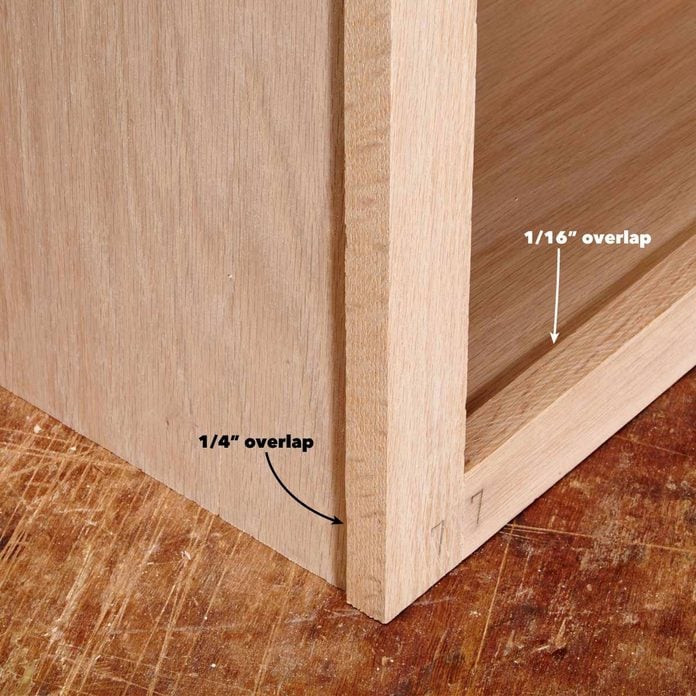
Face frame cabinets have a wooden frame on the front edges. This frame adds strength and hides cabinet box edges. They offer a classic, sturdy look and are easier to install and adjust. Face frames also allow for better door alignment and customization options.
How Do You Build Face Frame Cabinets?
To build face frame cabinets, first construct the cabinet box. Then attach a face frame using glued and nailed hardwood strips. Ensure the frame is square and flush with the box edges. Sand and finish the frame before installing doors and hardware.
What Wood Is Best For Face Frames?
Hardwoods like oak, maple, and cherry are ideal for face frames. They provide durability, smooth finishes, and attractive grain patterns. Pine can be used for budget-friendly options but may dent easily. Choose wood that matches your cabinet style and finish preferences.
Are Face Frame Cabinets Better Than Frameless?
Face frame cabinets offer added strength and a traditional look. Frameless cabinets maximize storage space with a modern style. The choice depends on your design preference, budget, and installation skills. Face frames allow easier door alignment and repairs compared to frameless cabinets.
Conclusion
Building face frame cabinets takes patience and care. Start with good materials and clear measurements. Follow each step slowly to avoid mistakes. Face frame cabinets add strength and style to any room. They last longer and look neat. Practice helps improve your skills over time.
Keep your workspace clean and organized. Enjoy the process and the final result. Your effort will show in every cabinet you make.

