

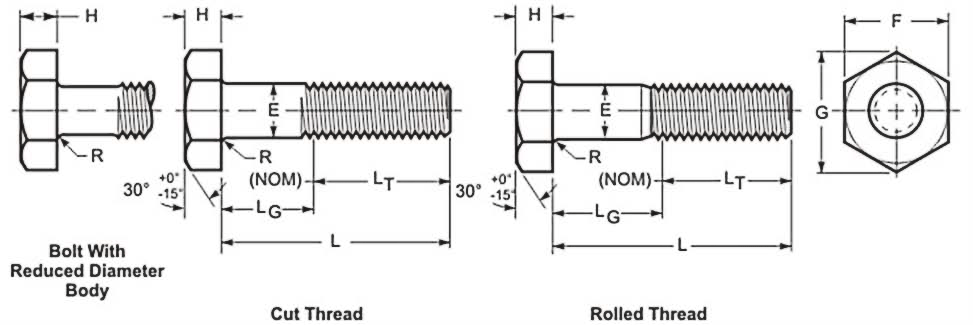
When you’re working with bolts and nuts, knowing their exact dimensions is more important than you might think. Whether you’re fixing something at home or tackling a big project, using the right size can save you time, money, and frustration.
But how do you make sure you’re choosing the correct bolt and nut dimensions for your needs? This guide will break down everything you need to know, in simple terms, so you can feel confident and avoid costly mistakes. Keep reading, and you’ll master the key details that make all the difference in your work.
Bolt And Nut Basics
Bolt and nut fasteners hold parts tightly together. They come in many sizes and shapes for different uses.
Understanding their types and materials helps choose the right fastener for a job.
Types Of Bolts
Bolts have heads made for specific tools and uses. They vary by shape and threading.
- Hex bolts: Six-sided head, common for construction
- Carriage bolts: Rounded head with a square neck to prevent spinning
- Eye bolts: Loop-shaped head for lifting or hanging
- Lag bolts: Large, heavy bolts for wood
- Machine bolts: Used with nuts or tapped holes
Common Nut Styles
Nuts screw onto bolts to hold parts. Their shapes match different bolt types and uses.
| Nut Style | Description |
|---|---|
| Hex nut | Six-sided nut for standard bolts |
| Wing nut | Has wings for hand tightening |
| Lock nut | Resists loosening under vibration |
| Cap nut | Closed end to protect bolt threads |
| Flange nut | Built-in washer to spread load |
Materials Used
Bolts and nuts come in many materials for strength and resistance.
Common materials include:
- Steel: Strong and cost-effective, often coated to prevent rust
- Stainless Steel: Resists corrosion, good for outdoor use
- Brass: Offers good corrosion resistance and electrical conductivity
- Aluminum: Lightweight and corrosion-resistant
- Titanium: Very strong and light, used in high-performance areas
Key Dimensions
Understanding bolt and nut dimensions is crucial for any construction or DIY project. This guide will cover essential measurements.
We will explore bolt length and diameter, thread pitch and type, as well as nut size and thickness.
Bolt Length And Diameter
Bolt length refers to the measurement from the end of the bolt to where the head sits. Diameter is the width across the bolt's shaft.
- Length is measured in millimeters or inches.
- Diameter determines the bolt's strength.
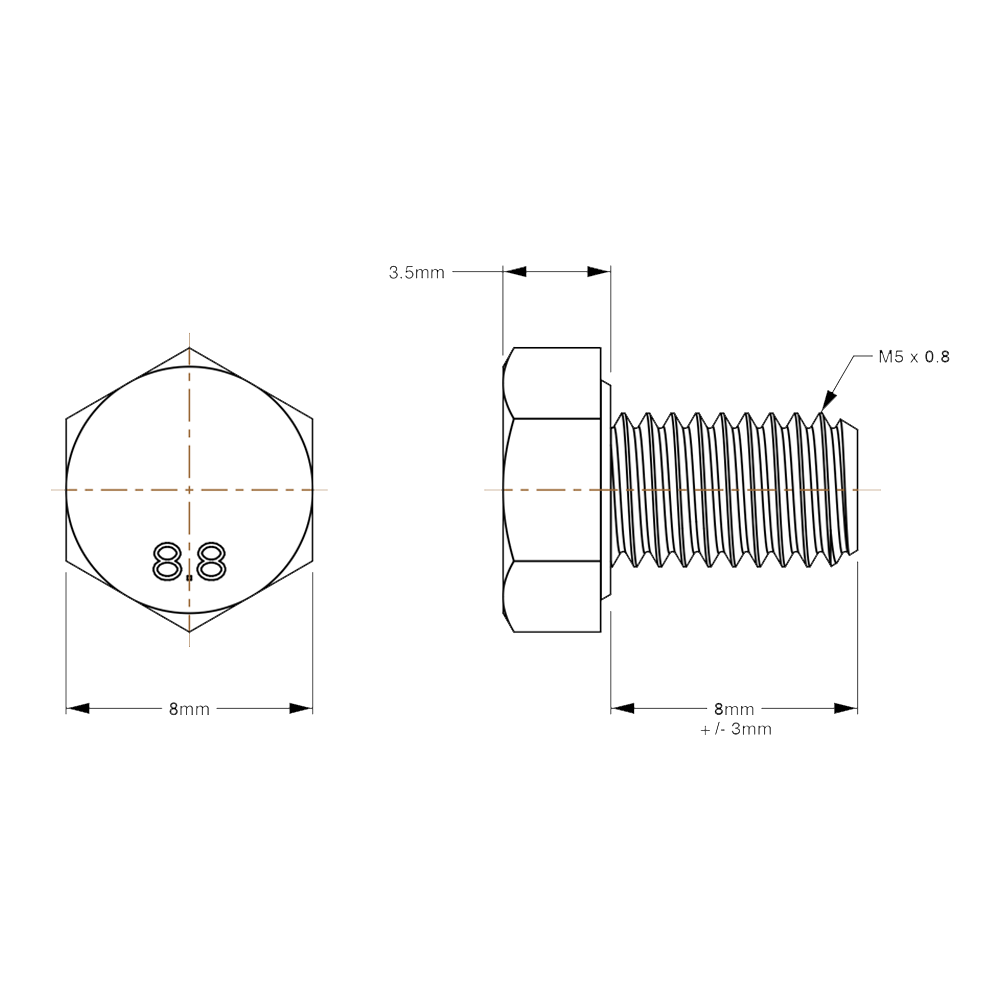
- Common diameters include 6mm, 8mm, and 10mm.
Thread Pitch And Type
Thread pitch is the distance between threads. Thread type can vary for different applications.
| Thread Type | Description |
| Coarse | Fewer threads per inch |
| Fine | More threads per inch |
| Metric | Measured in millimeters |
Nut Size And Thickness
Nut size matches the bolt diameter. Thickness is important for fitting and strength.
Standards And Specifications
Bolt and nut dimensions follow strict standards. These rules ensure parts fit and work well together.
Standards cover sizes, shapes, and tolerances. They help manufacturers and engineers use common parts worldwide.
Metric Vs Imperial Measurements
Bolts and nuts use two main measurement systems: metric and imperial. Metric uses millimeters. Imperial uses inches.
- Metric sizes are common in most countries.
- Imperial sizes are popular in the United States.
- Metric threads are counted in pitch (millimeters between threads).
- Imperial threads are counted in threads per inch (TPI).
- Mixing these systems can cause fitting issues.
Iso And Ansi Standards
ISO and ANSI are two major standards organizations. ISO sets international rules. ANSI sets American rules.
| Standard | Region | Focus |
| ISO | Worldwide | Metric sizes and threads |
| ANSI | United States | Imperial sizes and threads |
| DIN | Germany | Metric standards similar to ISO |
| BS | United Kingdom | Both metric and imperial standards |
Tolerance And Fit Classes
Tolerances control how much a bolt or nut size can vary. Fit classes define how tight or loose parts fit together.
- Class 6H/6g is common for metric bolts and nuts.
- Classes range from loose fit to very tight fit.
- Tighter fits are used in critical applications.
- Loose fits allow easier assembly.
- Tolerances affect strength and safety.
Measuring Techniques
Correct measurement is key to using bolts and nuts properly. It ensures parts fit and work safely.
This guide covers tools and tips to measure bolt and nut dimensions accurately.
Using Calipers And Micrometers
Calipers and micrometers measure bolt and nut sizes with precision. Calipers can measure outside, inside, and depth dimensions. Micrometers are best for small, exact measurements.
To measure a bolt diameter, close the caliper jaws around the shank. For a nut, measure across the flats or the thickness with a micrometer for better accuracy.
Thread Gauges Explained
Thread gauges check the pitch and form of bolt threads. They help match bolts and nuts for proper fit and function.
- Use a pitch gauge to compare thread spacing.
- Match thread shape with a profile gauge.
- Test both internal and external threads.
- Ensure gauge teeth fit tightly without gaps.
Common Measurement Errors
| Error Type | Description | How to Avoid |
| Wrong Tool Use | Using calipers instead of micrometers for fine measures | Select the right tool for the dimension |
| Improper Zeroing | Not setting caliper or micrometer to zero before measuring | Always zero tools before use |
| Misaligned Measuring | Measuring at an angle or off-center | Hold tools square and steady |
| Dirty Surfaces | Dirt or oil on bolts or tools affects readings | Clean parts and tools before measuring |
Selecting The Right Size
Choosing the correct bolt and nut size is vital for strong and safe connections. The right size ensures the parts hold together under pressure and last longer.
Several factors affect size selection. These include the load the joint will carry, the environment around the parts, and the materials used.
Load And Stress Considerations
Bolts and nuts must handle the forces applied without breaking or loosening. The size depends on the type and amount of load.
- Tensile Load: Size must resist pulling forces.
- Shear Load: Size must handle sliding forces.
- Fatigue: Size should resist repeated stress over time.
- Torque: Size affects how tight the bolt can be fastened.
Environmental Factors
The environment affects bolt and nut size choice. Harsh conditions may require stronger or larger fasteners.
| Environment | Size Impact | Material Considerations |
|---|---|---|
| High Temperature | Use larger sizes to handle expansion | Heat-resistant materials |
| Corrosive | Choose sizes that allow thicker coatings | Corrosion-resistant alloys |
| Vibration | Larger sizes reduce loosening risk | Locking features may be needed |
Compatibility With Materials
Match bolt and nut sizes to the materials joined. Size affects how well parts fit and work together.
Material compatibility tips:
- Soft materials may need larger bolt diameters to avoid damage.
- Hard materials require precise size matching to prevent cracking.
- Consider expansion rates of both materials for size choice.
- Thread size and pitch must fit the material's strength.

Credit: www.amazon.ca
Applications In Engineering
Bolt and nut dimensions are key in many engineering fields. They ensure parts fit tightly and work well together.
Using the right size helps keep machines safe and strong. Engineers pick sizes based on the job needs.
Automotive Industry
In cars, bolts and nuts hold many parts like engines and wheels. Correct sizes keep everything secure and safe.
Automakers use standard dimensions to make repairs easier and to keep cars reliable on roads.
- Engine assembly requires strong, precise bolts
- Wheels use nuts that fit tight for safety
- Suspension systems need durable fasteners
Construction Projects
Bolts and nuts connect steel beams and other parts in buildings. Right sizes support heavy loads safely.
Construction workers choose bolt sizes based on the strength needed and the type of materials used.
- Structural steel joints use large, strong bolts
- Wood framing may require smaller fasteners
- Bridges need corrosion-resistant nuts and bolts
Electronics And Machinery
Small bolts and nuts secure parts inside machines and electronic devices. Size matters to avoid damage.
Choosing the right dimension helps machines run smoothly and keeps electronics safe from loose parts.
- Precision instruments use tiny, exact bolts
- Motors and gears need medium-sized fasteners
- Electronics cases require small, lightweight nuts
Troubleshooting Fit Issues
Bolt and nut fit problems can stop your project from moving forward. These issues often cause delays and extra work. Knowing how to troubleshoot fit problems saves time and keeps your work strong.
This guide covers common causes of fit issues and ways to fix them. You will learn how to spot and solve cross-threading, stripped threads, and damaged parts.
Cross-threading Causes
Cross-threading happens when the bolt or nut is not aligned correctly. This damages the threads and makes tightening hard. Common causes include wrong angle, dirt in threads, or forcing parts together.
- Starting the bolt at an angle
- Debris or dirt inside threads
- Using wrong size bolt or nut
- Forcing the bolt when it feels tight
Dealing With Stripped Threads
Stripped threads lose their grip and cannot hold the bolt or nut firmly. This causes loose joints and safety risks. You can fix stripped threads with repair tools or by replacing parts.
| Repair Method | When to Use | Notes |
| Thread file | Minor damage | Restores thread shape |
| Heli-coil insert | Damaged internal threads | Creates new strong threads |
| Replace bolt or nut | Severe damage | Ensures secure fit |
Replacing Damaged Components
When threads are beyond repair, replace the damaged bolt or nut. Using new parts ensures safety and proper fit. Always select the right size and grade for the application.
- Match thread size and pitch exactly
- Choose correct material and strength grade
- Inspect new parts for defects before use
- Apply lubricant if needed to ease installation

Credit: hdhsjgj.en.made-in-china.com
Future Trends
The bolt and nut industry is changing with new technology and materials. Future trends focus on improving strength, safety, and eco-friendliness. These changes will affect how bolts and nuts are made and used.
Advances in design and smart technology will make fasteners more reliable. Sustainability will guide material choices to reduce waste and pollution. This article explores three key trends shaping the future of fasteners.
Innovations In Fastener Design
New designs focus on better fit, easier installation, and higher strength. Engineers use computer models to create shapes that hold tight and resist loosening. Some fasteners have coatings to prevent rust and wear.
- Thread patterns that reduce slippage
- Self-locking nuts that do not need extra tools
- Lightweight bolts made with strong alloys
- Coatings that protect against corrosion
Smart Bolts And Sensors
Smart bolts have sensors to track tension and temperature. They send data to machines or phones. This helps prevent accidents by showing when a bolt is loose or too hot. Smart bolts are used in cars, bridges, and factories.
| Feature | Benefit |
| Tension Sensor | Detects if bolt is too loose or tight |
| Temperature Sensor | Monitors heat to avoid failure |
| Wireless Communication | Sends alerts to maintenance teams |
| Battery Life | Lasts long without replacement |
Sustainability In Materials
Eco-friendly materials reduce the impact on the environment. Recycled steel and biodegradable polymers are gaining use. These choices lower energy use and waste in production. Companies also focus on making fasteners easy to recycle.
Key sustainable materials include:
- Recycled stainless steel
- Bio-based plastics
- Low-impact coatings
- Renewable resource composites
Credit: belmetric.com
Frequently Asked Questions
What Are Standard Bolt And Nut Dimensions?
Standard bolt and nut dimensions follow ISO and ANSI specifications. They include diameter, thread pitch, length, and head size. These standards ensure compatibility and proper fit in mechanical assemblies.
How To Measure Bolt And Nut Dimensions Accurately?
Use a caliper to measure the bolt's diameter, length, and thread pitch. For nuts, measure the width across flats and thickness. Accurate measurement ensures correct selection and fit.
Why Are Bolt And Nut Dimensions Important?
Correct dimensions prevent mechanical failure and ensure structural integrity. Proper sizing affects load distribution and fastening strength. Using standard sizes improves maintenance and replacement efficiency.
What Is The Difference Between Bolt And Nut Sizes?
Bolt size refers to the diameter and length of the threaded rod. Nut size is defined by the width across flats and thread size. Both must match for proper fastening.
Conclusion
Understanding bolt and nut dimensions helps ensure a secure fit. Correct sizes prevent loosening and damage during use. Always check measurements before choosing parts. This saves time and avoids costly mistakes. Knowing these basics supports safer and stronger connections. Keep this guide handy for your next project.
Simple steps lead to better results every time.

