

Are you struggling to join materials quickly and securely without complicated tools? Blind rivet installation might be the simple solution you’ve been looking for.
Whether you're working on a DIY project or handling professional repairs, knowing how to use blind rivets can save you time and effort. You’ll discover easy steps and expert tips that make blind rivet installation straightforward and reliable. Keep reading to unlock the secret to fast, strong, and hassle-free fastening.

Credit: www.youtube.com
Types Of Blind Rivets
Blind rivets join materials where only one side is accessible. They are fast and easy to use.
There are several types of blind rivets. Each type fits different jobs and materials.
Standard Blind Rivets
Standard blind rivets are the most common type. They work well for light to medium jobs.
They have a simple design with a rivet body and a mandrel. The mandrel pulls to set the rivet.
- Easy to install
- Used in metal, plastic, and wood
- Available in various sizes and materials
Structural Blind Rivets
Structural blind rivets are stronger than standard ones. They hold heavy loads and resist vibration.
They have a locked mandrel that stays inside the rivet. This makes the joint very strong.
- Used in construction and automotive industries
- Made from high-strength materials
- Good for thick or hard materials
Sealed Blind Rivets
Sealed blind rivets stop water and air from passing through. They keep joints tight and safe.
They have a built-in seal or washer. This makes them good for outdoor or wet conditions.
- Used in roofing and marine applications
- Prevent leaks and corrosion
- Available with rubber or plastic seals
Specialty Blind Rivets
Specialty blind rivets suit unique jobs. They include features for specific needs.
Examples are rivets for soft materials, large holes, or heavy loads. They solve special problems.
- Soft rivets for plastic or fabric
- Large flange rivets for big holes
- Vibration-resistant rivets
Tools Needed For Installation
Installing blind rivets requires specific tools. These tools ensure the rivets are secure and tight.
Each type of rivet gun has unique features. Choose the right tool for your project.
Manual Rivet Guns
Manual rivet guns are simple tools. They work well for small projects or low-volume tasks.
These guns require hand strength. They are usually less expensive than other types.
- Great for small repairs
- Portable and lightweight
- Cost-effective option
Pneumatic Rivet Guns
Pneumatic rivet guns use air pressure to work. They are suitable for larger projects.
These guns are faster and require less physical effort. They need a compressor to operate.
- Efficient for high-volume work
- Reduces user fatigue
- Requires air compressor
Battery-powered Rivet Guns
Battery-powered rivet guns offer mobility. They are cordless and easy to use anywhere.
These guns are convenient for remote locations. They need regular charging to stay ready.
- Ideal for on-the-go projects
- No power cord needed
- Rechargeable battery required
Additional Accessories
Extra accessories can improve your rivet installation. They help with efficiency and precision.
Consider using these tools for better results. They make the job easier and faster.
- Rivet size gauges
- Extra nosepieces
- Replacement rivets
Preparing The Workpiece
Preparing the workpiece is important before installing blind rivets. Good preparation ensures strong and clean joints.
This part covers how to select rivet size, drill the right holes, and clean and align surfaces.
Selecting Rivet Size
Choose a rivet size that fits the thickness of your materials. The rivet must go through all layers securely.
Using the wrong size can cause weak joints or damage the workpiece.
- Measure the total thickness of the materials to join
- Pick a rivet longer than the total thickness
- Check the rivet diameter matches hole size
- Use manufacturer guides for size recommendations
Drilling Proper Holes
Drill holes that match the rivet diameter exactly. Holes too big or small cause poor fit and weak joints.
Use a sharp drill bit and steady hands. Drill straight holes to keep the rivet secure and aligned.
- Mark hole positions clearly before drilling
- Use a drill bit designed for the material type
- Drill at a slow speed to avoid damage
- Check hole diameter after drilling
Cleaning And Aligning Surfaces
Clean the surfaces to remove dirt, oil, and rust. Clean surfaces help rivets hold better.
Align the parts carefully so the holes match perfectly. Misalignment can cause weak or crooked joints.
- Wipe surfaces with a clean cloth
- Use a degreaser if needed
- Line up parts so holes match exactly
- Clamp parts to hold them steady if needed

Credit: www.rivetnutusa.com
Step-by-step Installation Process
Installing blind rivets is a simple way to join materials securely. Follow each step carefully for a strong hold.
This guide breaks down the process into clear parts. You will learn how to insert, set, and inspect blind rivets.
Inserting The Rivet
Choose the right size rivet for the holes and materials. Insert the rivet through the aligned holes of the two pieces you want to join.
Make sure the rivet head rests against the surface. The mandrel should stick out on the opposite side.
Using The Rivet Gun
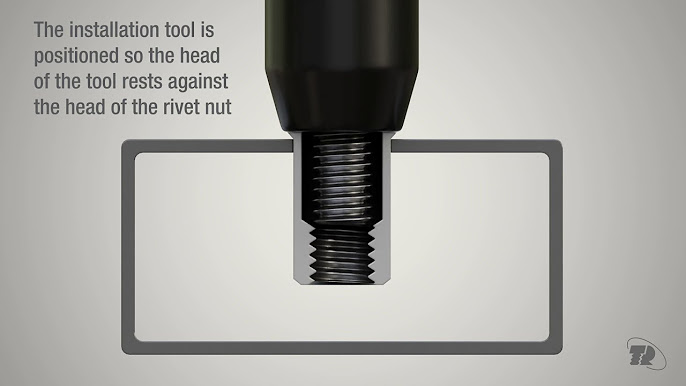
Place the rivet gun’s nose over the mandrel. Squeeze the handles to pull the mandrel and expand the rivet body inside the hole.
- Hold the rivet gun firmly with one hand.
- Align the nosepiece with the mandrel tip.
- Squeeze the handles slowly and steadily.
- Continue squeezing until the mandrel snaps off.
Ensuring Proper Set
Check that the rivet body is tightly expanded inside the hole. The rivet head should be flush with the surface.
| Check Point | What to Look For |
| Rivet Head | Flush and flat against material |
| Mandrel | Cleanly snapped off, no sharp edges |
| Rivet Body | Fully expanded inside hole |
Inspecting The Joint
Look over the joint to ensure it is strong and stable. The materials should be tightly held together without gaps.
If the rivet is loose or the mandrel is not fully removed, redo the installation. A good joint will last long and resist movement.
Common Installation Issues
Blind rivets are popular fasteners used in many projects. Proper installation is key for strong joints. Some common issues can cause failures or weak holds.
Understanding these problems helps to avoid mistakes and ensures a better result. Below are some frequent installation issues with blind rivets.
Rivet Pulling Out
Rivet pulling out happens when the rivet does not hold the materials tightly. This can lead to joint failure. It often occurs because the grip range is wrong for the material thickness.
- Material thickness exceeds the rivet's grip range
- Surface is too soft or weak to hold the rivet
- Rivet installed at the wrong angle
- Improper tool pressure applied during installation
Incorrect Rivet Length
Choosing the correct rivet length is important. Too short or too long rivets cause weak joints or damage. The rivet must fit the combined thickness of the materials plus the rivet’s grip.
| Rivet Length | Result |
| Too Short | Rivet does not form proper bulge, weak hold |
| Too Long | Rivet stem sticks out, may cause damage |
| Correct Length | Strong, secure joint with flush finish |
Misaligned Holes
Misaligned holes make it hard to insert the rivet. This leads to poor fit and weak joints. Holes must match up exactly in all materials before riveting.
- Use proper measuring tools before drilling
- Mark hole positions carefully on all pieces
- Drill holes straight and to the correct size
- Check alignment by fitting parts before riveting
Tool Malfunctions
Faulty tools cause installation problems. Rivet guns or hand tools that do not work correctly can damage rivets or fail to set them properly.
Common tool issues include:
- Worn jaws that slip on the rivet mandrel
- Insufficient pulling force from the tool
- Jammed or stuck mechanisms
- Incorrect tool size for the rivet type
Regular tool maintenance and checks help prevent these problems.
Tips For Flawless Results
Installing blind rivets correctly ensures strong and lasting joints. Small mistakes can cause weak connections or damage. Follow these tips to get the best results every time.
Each step from choosing materials to using tools affects the final quality. Pay attention to details and work carefully for a smooth process.
Choosing The Right Rivet Material
Select rivet materials based on the parts you join. Match metals to avoid rust and corrosion. Use aluminum for light loads and steel for strong bonds.
| Rivet Material | Best Use | Notes |
| Aluminum | Lightweight parts | Resists corrosion |
| Steel | Heavy-duty joints | Strong but can rust |
| Stainless Steel | Outdoor use | Rust resistant and strong |
| Copper | Electrical connections | Good conductivity |
Maintaining Tools
Keep your rivet tools clean and in good shape. Regular checks help avoid tool failure and poor results. Replace worn parts quickly to keep work smooth.
- Clean jaws after each use
- Lubricate moving parts weekly
- Check for cracks or damage
- Store tools in a dry place
- Replace worn rivet heads
Consistent Technique
Use the same method for every rivet to ensure even results. Hold tools steady and apply firm pressure. Avoid rushing to prevent mistakes.
- Drill hole slightly larger than rivet diameter
- Insert rivet fully into hole
- Place tool nose on rivet mandrel
- Pull tool handle steadily until rivet sets
- Release tool and remove mandrel piece
Safety Precautions
Wear safety glasses to protect eyes from flying debris. Use gloves to avoid pinches or cuts. Work in a well-lit, clean area to prevent accidents.
- Always wear protective eyewear
- Use gloves to protect your hands
- Keep your workspace tidy
- Follow tool instructions carefully
- Keep fingers clear of moving parts
Maintenance And Removal
Blind rivets are reliable fasteners used in many projects. Proper care helps keep joints strong. Knowing how to remove and replace rivets is important for repairs.
This guide covers inspecting riveted joints, removing blind rivets, and replacing them safely and correctly.
Inspecting Riveted Joints
Check riveted joints regularly to avoid failures. Look for loose, cracked, or corroded rivets. Also, check the material around the rivets for damage.
- Look for any movement in the joint.
- Check for rust or corrosion on rivets.
- Inspect for cracks in the surrounding material.
- Ensure the rivet heads are flush and not deformed.
Removing Blind Rivets
Remove blind rivets carefully to avoid damaging the material. Use the right tools and follow safe steps to take out old rivets.
- Use a drill with a bit slightly larger than the rivet shaft.
- Drill the center of the rivet head slowly.
- Remove the rivet head once drilled through.
- Push out the remaining rivet body from the hole.
- Clean the hole for the new rivet installation.
Replacing Rivets
Choose the right size and type of rivet for replacement. Proper installation ensures a strong and lasting joint.
| Step | Action | Tip |
| 1 | Insert the new rivet into the hole. | Make sure the rivet fits snugly. |
| 2 | Use a rivet gun to pull the mandrel. | Apply steady pressure for a clean installation. |
| 3 | Break off the mandrel once the rivet is set. | Check the rivet head is tight and flush. |
| 4 | Inspect the joint for strength and alignment. | Test the joint by applying light pressure. |

Credit: rivetlab.com
Frequently Asked Questions
What Tools Are Needed For Blind Rivet Installation?
You need a blind rivet gun, rivets, and a drill with the correct bit size. Proper tools ensure secure, efficient fastening.
How Do You Install A Blind Rivet Properly?
Drill a hole, insert the rivet, then use the rivet gun to pull the mandrel. This secures materials tightly.
What Materials Can Be Joined With Blind Rivets?
Blind rivets work well with metal, plastic, and composite materials. They provide strong, reliable joints in various applications.
Why Choose Blind Rivets Over Other Fasteners?
Blind rivets install from one side, ideal for hard-to-reach areas. They offer fast, durable, and vibration-resistant fastening.
Conclusion
Blind rivet installation offers a strong and simple way to join materials. It works well with metals, plastics, and other surfaces. Using the right tools and steps ensures a secure hold every time. This method saves time and effort compared to traditional fasteners.
Knowing how to install blind rivets helps in many DIY and professional projects. Practice a few times to gain confidence and improve skills. Strong joints last longer and keep your work safe. Blind rivets remain a trusted choice for many builders and hobbyists.

